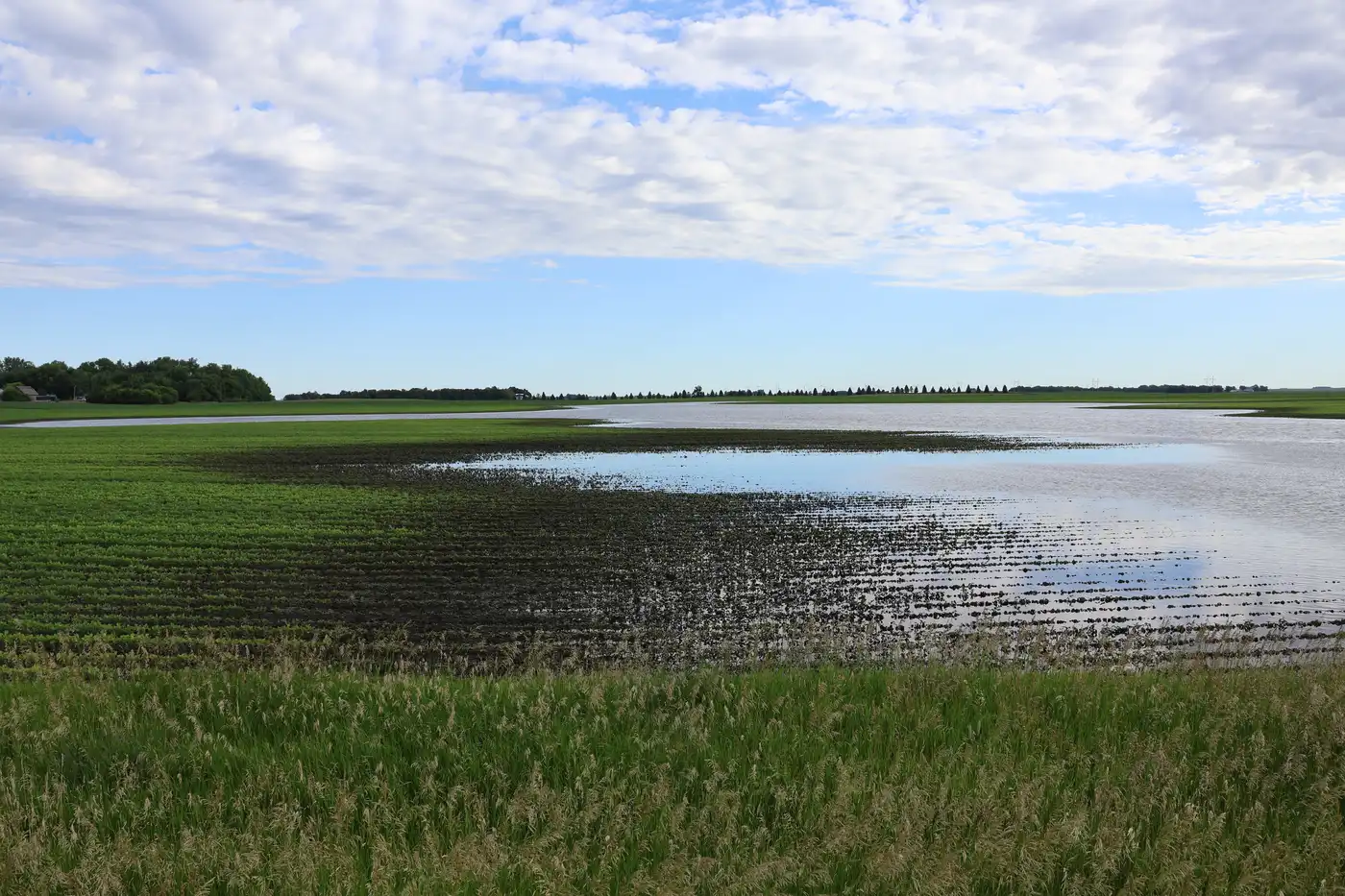
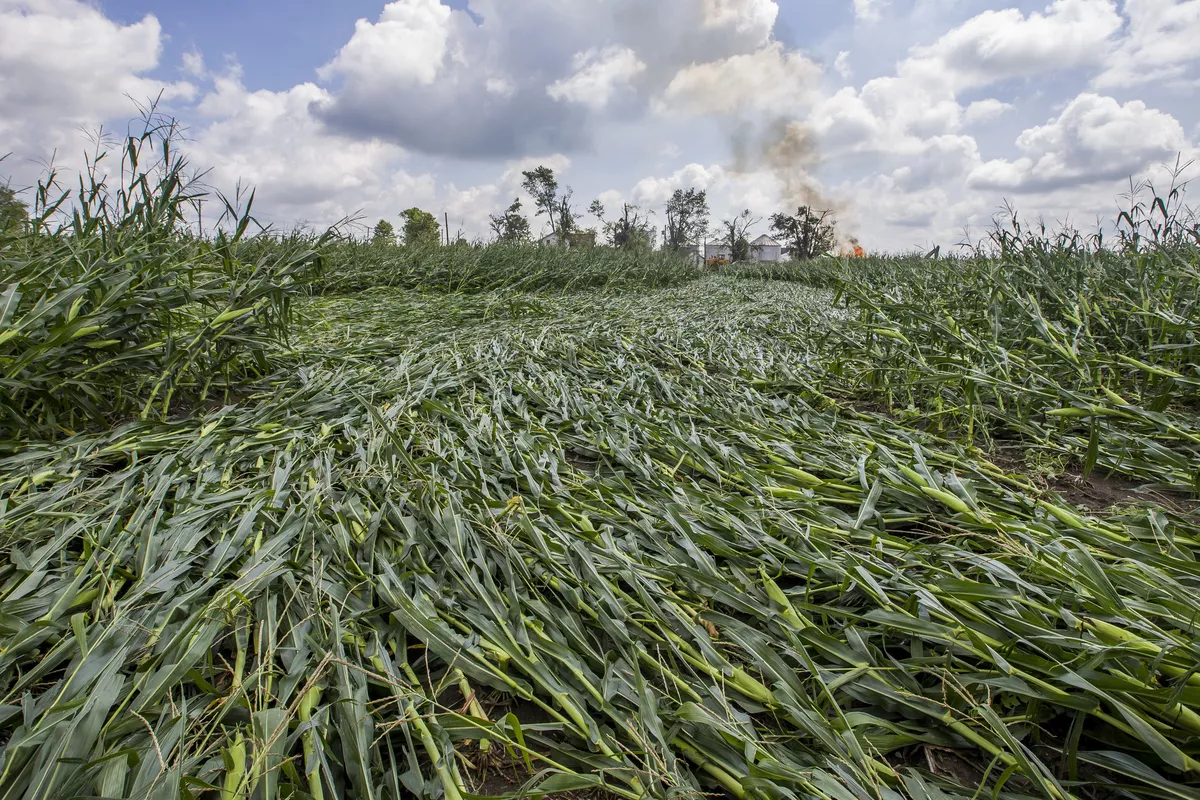
The agriculture industry in parts of South Georgia is facing a huge setback. After touring most areas east of I-75, Georgia Agriculture Commissioner Tyler Harper reported over 13,000 agriculture businesses and farms impacted by Idalia.
One of those farms was Shiloh Farms where Hurricane Idalia wiped out approximately 10,000 pecan trees out of about 120,000 that grow on the farm.
“It hurts to lose half a crop at any time. We’ll just have to get through it,” said Buck Paulk, Shiloh Farm Owner. “Certainly the worst I’ve ever seen.”
Buck was expecting 15 to 17 hundred pounds of pecans to be produced per acre but now those seeds have been destroyed.
“They weren’t mature enough. I mean you can’t salvage this. It’s no good,” he said.
On top of those seeds lost, 70 to 100-foot-tall pecan trees have also been destroyed--A major setback for Buck considering how long it takes pecan trees to grow.
“That’s 14-year-old trees. So to get it back to where it was a week ago, it’ll take me replanting this year and get it 14 years,” Buck said.
Lowndes County Sheriff Ashley Paulk said he has witnessed the devastation of Hurricane Idalia back in Valdosta but for him, storm damage hit him personally as he continues to watch his son pick up the pieces of his farm.
“You just look everywhere and agriculture is probably 89% gone,” he said.
Now Buck is forced to remove the dead trees off his farm and replant new ones while trying to salvage the surviving pecans before the harvest season begins at the end of September.
“We were really going into the prime age of that orchard and it takes a hit like that. It’s hard to swallow,” he said.
The US Department of Agriculture’s Farm Service Agency (USDA) has been out surveying areas like Shiloh Farms for storm damage. Officials are advising farmers to reach out to them before starting clean-up efforts.
“It was a big impact. I mean you’re seeing trees toppled over, vegetable operations completely destroyed,” said Arthur Tripp, USDA State Executive Director Farm Service Agency.
The USDA Farm Service Agency is able to provide federal aid through services like its Tree Assistance program and Emergency Conservation program. which officials say is vital to the recovery process.
“Ag is Georgia and Georgia is Ag. I mean 1 in 7 jobs in the state are agriculturally related, so it’s so vitally important that we’re doing everything we can to continue the ag industry to thrive,” Tripp said.
Right now, the estimate of storm damage to farms is growing as officials tour more devastating impacts from Hurricane Idalia.
“With some help from the government, from FSA, will definitely help out. But in the end, we just gotta bear it and we have to go through it and get it back going and I trust God to see us through that,” Buck said.
Source - https://www.walb.com