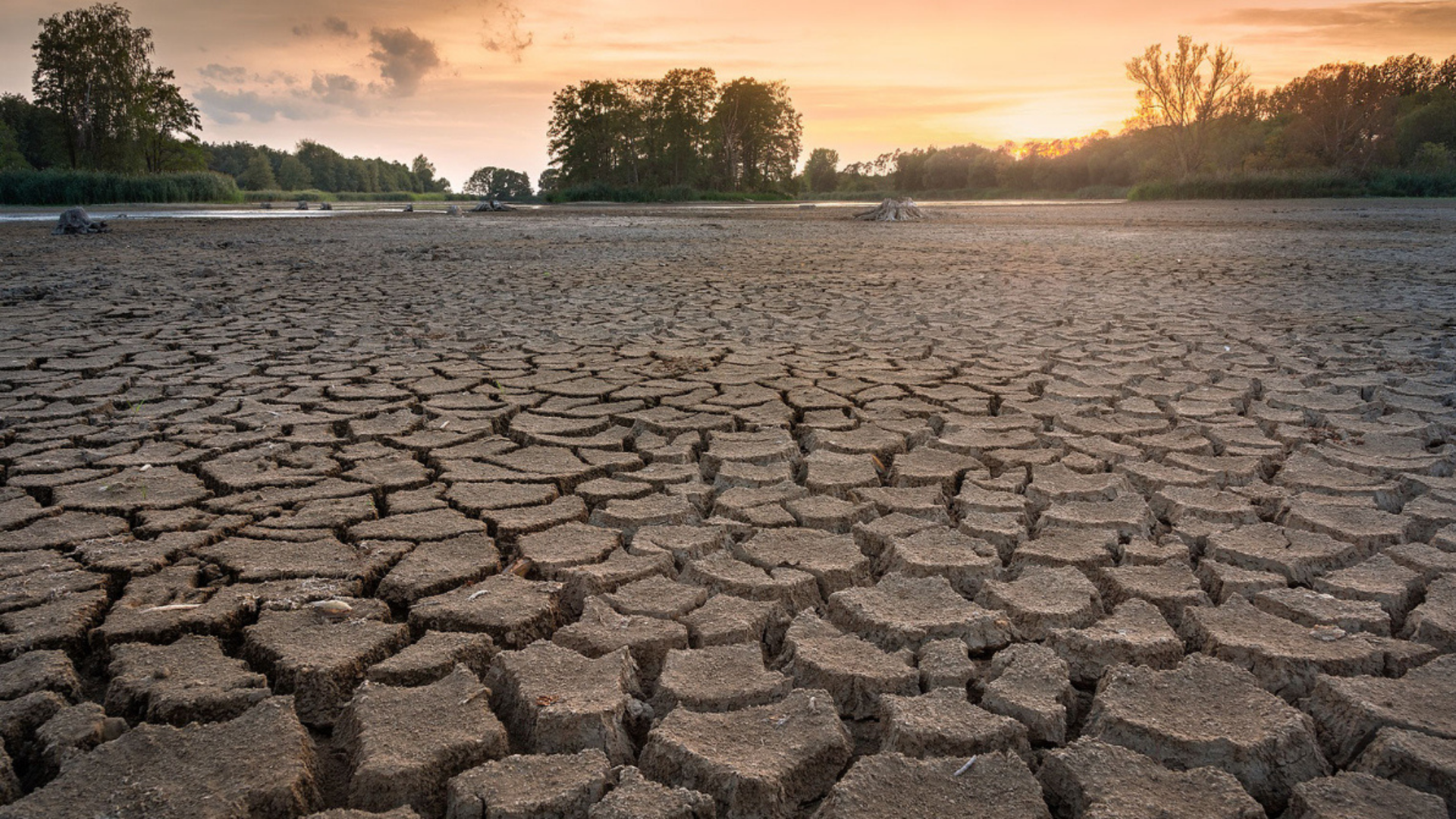
Dry conditions in Iowa have improved since the beginning of November but are still the worst in a decade heading into winter, when there is little opportunity to increase soil moisture ahead of next year’s growing season.
Winter has the driest months, and the ground is often frozen. Drier soil freezes more easily.
“Unless you get into a month like December of last year with the (Dec. 15, 2021) derecho and temperatures in the 70s — you will see some improvement from an anomalous event like that — but overall you don’t really see a lot of change through the wintertime,” State Climatologist Justin Glisan said of winter droughts.
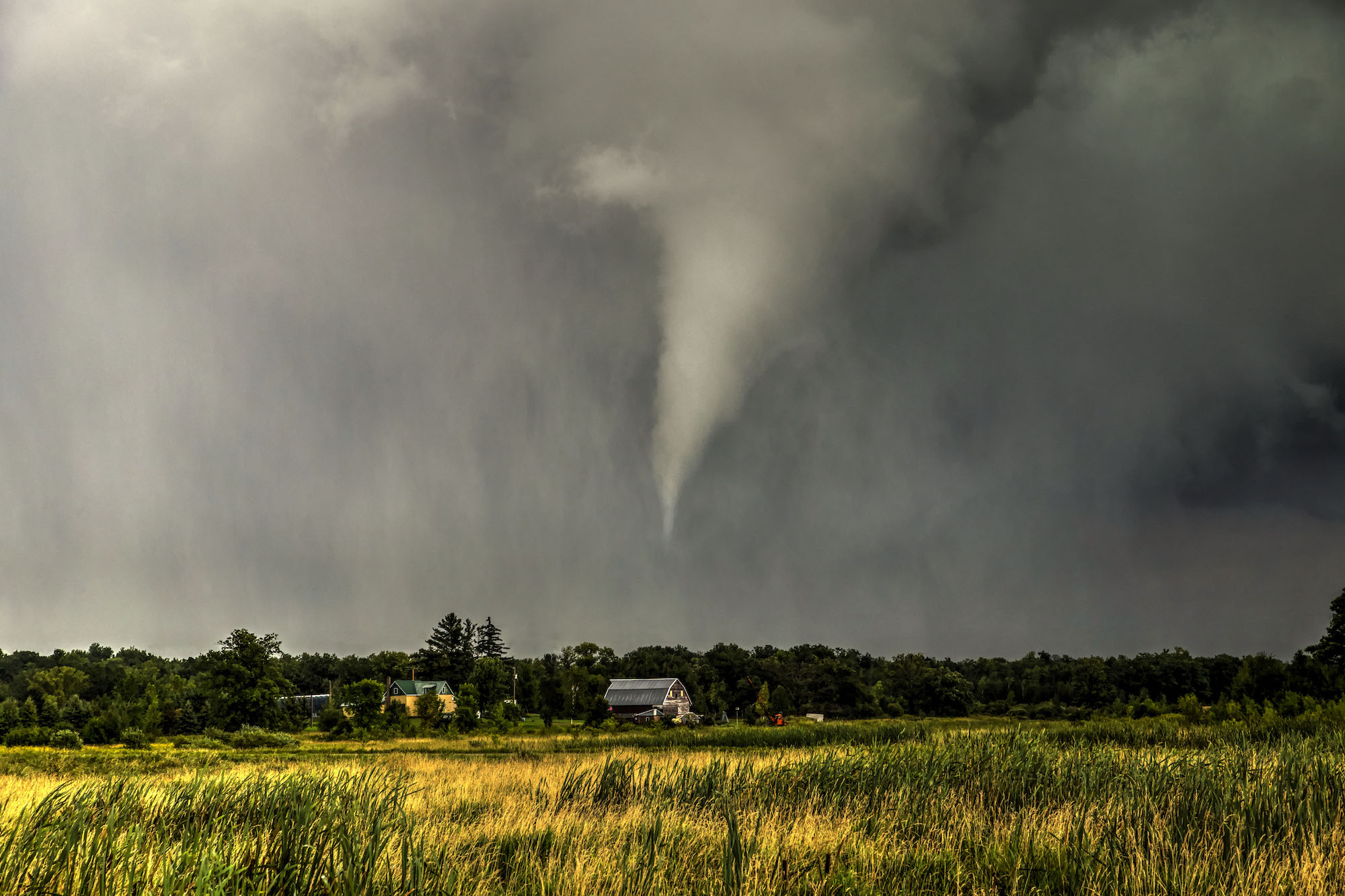
But even with that warm December 2021 — when statewide temperatures averaged about 7 degrees above normal — there was little overall drought improvement. A derecho that month spawned more than 40 tornadoes and severe thunderstorms, but statewide precipitation still averaged about 40 percent below normal, according to Glisan’s weather summary of that month.
Nearly three-quarters of the state is suffering from some degree of drought, according to the U.S. Drought Monitor. The worst conditions are in Northwest Iowa where a pocket of extreme and exceptional drought expanded into parts of 18 counties and where the crop yields of some fields were the worst in the state.
However, the state’s corn yield average is expected to surpass 200 bushels per acre, thanks to a wet spring and crop genetics that seem increasingly impervious to moderate drought, said Aaron Saeugling, an Iowa State University Extension field agronomist in Southwest Iowa.
He said soil monitoring at a university research farm in southwest Iowa revealed the ground is the driest it’s been in 14 years, and it has the potential to affect crop yields next year.
“We need about 20 inches of rain,” Saeugling said recently.
About 44 percent of the state had adequate or surplus topsoil moisture for crops when the U.S. Department of Agriculture published its last crop progress report of the year in late November.
About a third of the state’s subsoil had adequate moisture. But only about 7 percent of Northwest Iowa topsoil had adequate moisture, the report found.
It’s difficult to predict how the current drought conditions might affect next year’s growing season, Glisan said. The National Weather Service predicts drought is likely to persist in Iowa through at least February.
“If we don’t get into a stretch of wetter months — unseasonably wet months getting into the spring — we can definitely see drought intensify and expand,” he said.
But he noted how quickly conditions can change. In 2018, the second-wettest year on record for Iowa, part of the state was in extreme drought for weeks.
Source - https://www.thegazette.com