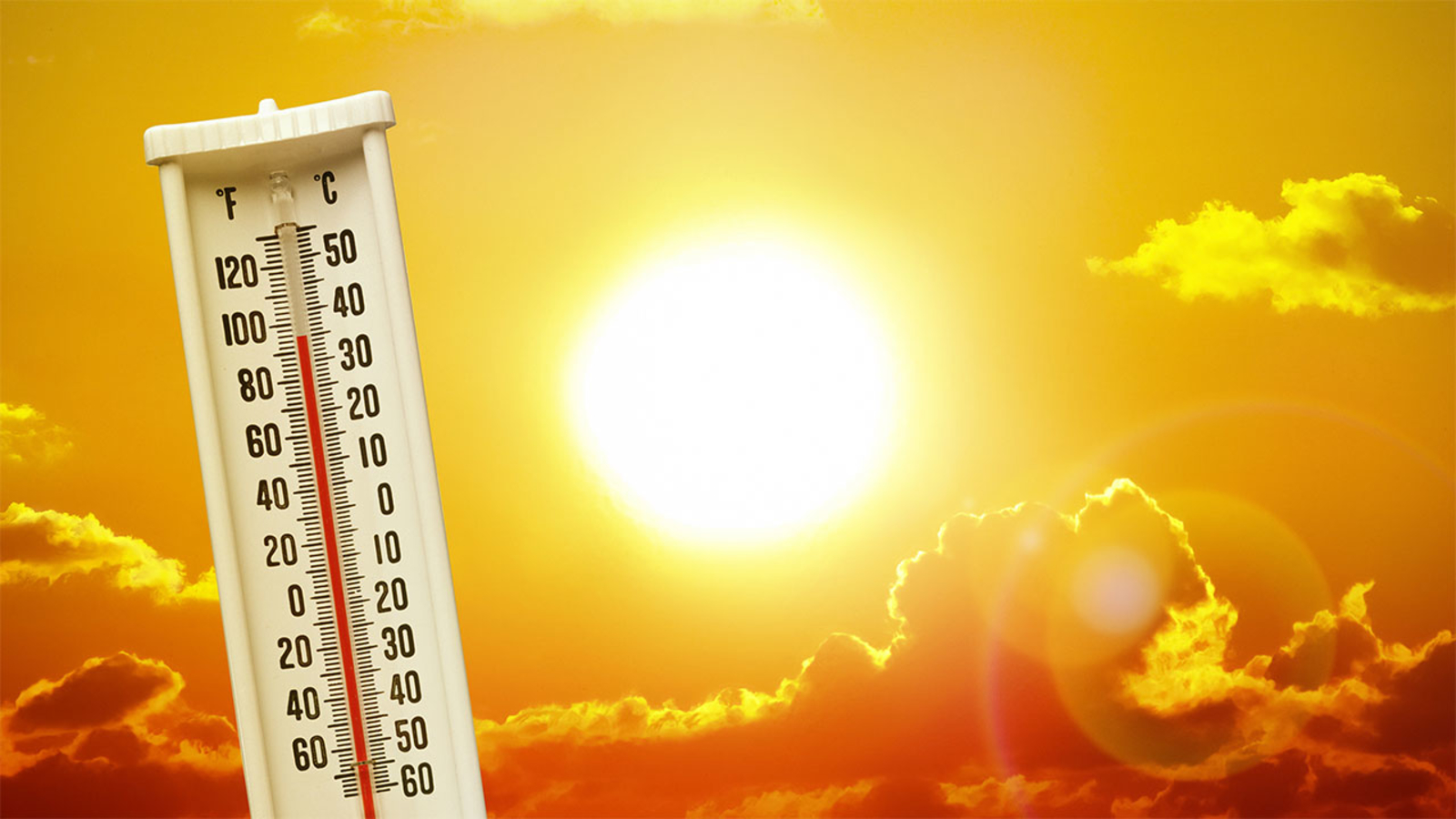
A June heat wave caused agricultural conditions to decline around much of the state after steady improvements over the previous month, according to Texas A&M AgriLife Extension Service experts.
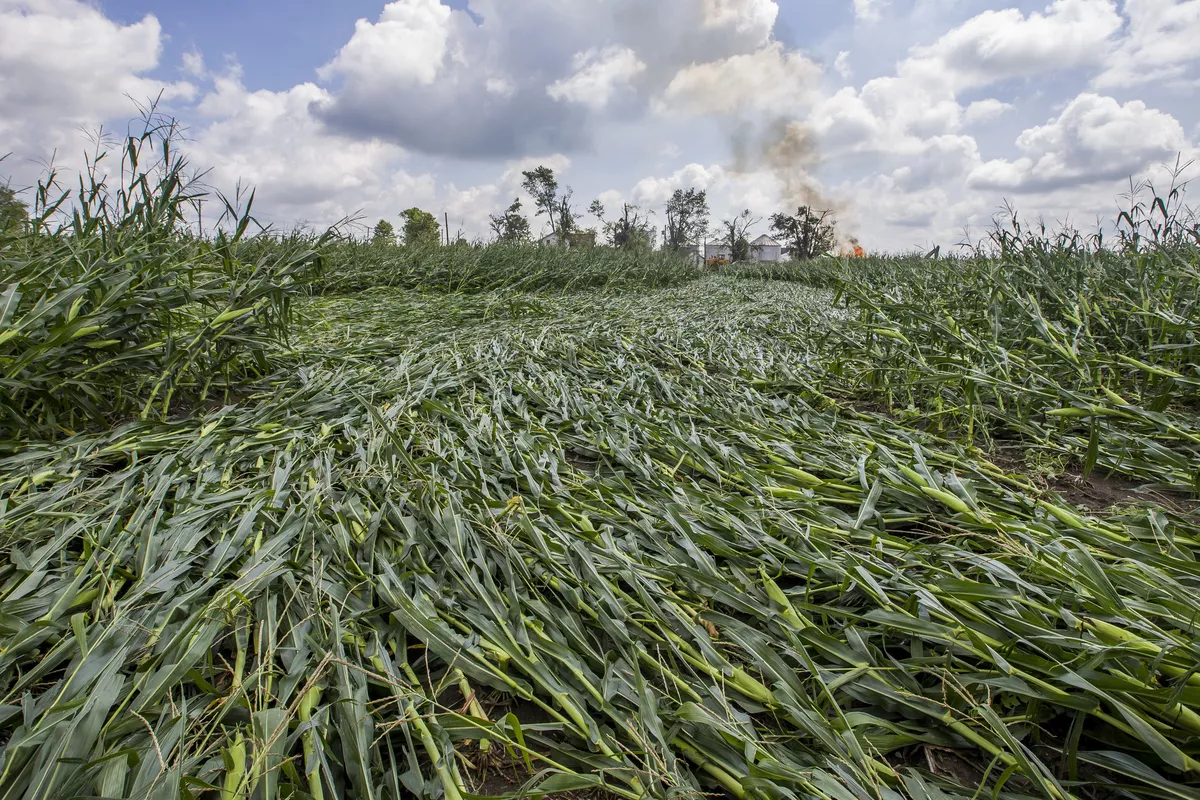
May rains dramatically improved soil moisture conditions in many drought-stricken areas of Texas, but triple-digit temperatures and little to no rain in June were trending many areas back toward drought. Various crops around the state were showing stress from high temperatures and lack of soil moisture, and livestock gains likely experienced heat-related declines.
Heat wave takes toll on Texas crops
The heat wave was especially harsh in the southern half of the state, where some areas experienced record temperatures.
All plants and vegetation experience heat stress during extreme daytime and nighttime temperatures like Texas experienced over recent weeks. Heat and inadequate soil moisture can stress plants, damage their cell membranes and disrupt metabolic efficiency during processes like photosynthesis and respiration, said Lee Tarpley, Ph.D., AgriLife Research plant physiologist, Beaumont.
But the combination of high daytime and nighttime temperatures can also economically damage commodity crops, especially during sensitive growth periods like pollination and flowering.
Tarpley said the heat wave was rough on late-planted rice along the Coastal Bend. Yield potentials were high following good spring rains, but the heat arrived at a sensitive development stage for some fields – pollination. High temperatures can also negatively impact the viability of pollen, which can influence how the ultimate crop sets and fills out.
Similar setbacks are occurring in cotton fields that were setting bolls during the heat wave. Stressed cotton plants were aborting bolls in an attempt to hang on as heat indexes near 120 degrees put plants in survival mode, said Josh McGinty, AgriLife Extension agronomist, Corpus Christi.
Cotton crops were having difficulty withstanding the heat over the previous three weeks without adequate moisture, he said. Boll losses were especially bad in dryland fields where soil moisture levels have continued to decline. But even irrigation has not been enough as nighttime lows rarely dropped below 80 degrees.
McGinty said high nighttime temperatures were not allowing cotton plants to shed the heat, which was causing plants to increase respiration. Increased respiration takes resources away from developing bolls.
“Small bolls are the first that the plant will sacrifice when energy reserves are depleted, but if the trend continues, larger bolls will be shed,” he said. “That shedding is evident with small bolls littering the ground in cotton fields.”
Not all the news about the arid conditions was bad. Larry Stein, Ph.D., AgriLife Extension horticulturist, Uvalde, said cantaloupe and watermelon fields in the Winter Garden and Central Texas were producing high-quality, super-sweet fruit. Irrigated vines were thriving, and brix counts were rising under the dry, hot conditions. Brix is the measurement of sugar in fruit.
But overall, Stein said conditions are declining, even for irrigated crops. Heat is not the problem though, it’s the lack of moisture.
“Vegetation is starting to burn up,” he said. “If you can maintain sufficient moisture for plants then they can cool with transpiration from the leaves, but the problem I see with the heat is stress and the other problems like spider mites and aphids, and everything takes its toll.”
Heat impacting livestock production
The heat wave took a toll on more than just crops. Jason Cleere, Ph.D., AgriLife Extension beef cattle specialist, Bryan-College Station, said cattle performance in high temperatures typically declines. Higher nighttime temperatures make it a challenge to get their core body temperature down. Their grazing may also reduce as they try to avoid activity in the sun.
Cleere said Texas heat shows the importance of choosing cattle adapted to more tropical conditions like breeds with Brahman influence.
Forage production for hay, silage and grazing was very good over the last month, Cleere said. Producers were having problems with delays due to rain and excess moisture prior to the heat wave, but the arid conditions were sapping soil moisture levels quickly.
Cleere said it is critical that cattle have adequate shade and fresh water during hot conditions. A cow can drink 20-40 gallons of water per day, depending on the moisture in the grass they are consuming. Cattle should have enough shade to spread out and cool down.
“A small shade structure where they can all barely fit under might be worse than no shade if they’re piled up,” he said.
June among hottest, coolest for parts of the state
John Nielsen-Gammon, Ph.D., Texas state climatologist and Regents Professor in the Texas A&M Department of Atmospheric Sciences, Bryan-College Station, said the heat wave produced eight “all-time” temperature and heat index records, from Tahoka to Cotulla. June was one of the 10 hottest on record for South Texas.
Most of the state recorded multiple days over 100 degrees, including half the month of June along the Texas-Mexico border up to Midland, five days in triple-digits in Dallas/Fort Worth and Bryan-College Station and three days in Houston.
Conversely, it was cooler than normal in northern parts of the state and one of the coolest Junes on record in Dalhart, near the top of the Texas Panhandle.
“It’s not the hottest summer so far,” he said. “But it’s been quite a bit more humid from all the rain in April and May, and that is where people are really feeling the heat.”
Nielsen-Gammon said high humidity and temperatures contributed to heat indexes well beyond 100 degrees. The dew point, the temperature at which dew forms, was around 70-75 degrees in Central Texas, which translates into an “icky” heat.
But the heat wave has also included a dry spell for much of the state, Nielsen-Gammon said. The same high-pressure system that kept the weather hot kept thunderstorms away from most of the state. The heat has sapped topsoil moisture from previous rains quickly in some areas of the state.
This drying down puts many areas at risk of returning to drought conditions following the earlier rains that had significantly reduced the amount of severely dry conditions, Nielsen-Gammon said. Dry conditions also contribute to higher temperatures because there is no evaporative cooling in the air.
“If we don’t get a decent amount of rain in the next few weeks, we will see more vegetation turning brown and crops suffering,” he said. “The Panhandle and East Texas have gotten enough rain, but the areas that are marginally out of drought are definitely at risk of slipping back.”
Source - https://agrilifetoday.tamu.edu