Most of Kentucky has not received decent rain in more than two weeks. The lack of moisture is putting a strain on the state’s farmers. University of Kentucky College of Agriculture, Food and Environment specialists are concerned that corn and cattle could most feel the effects.
“Despite some rain today, we need much more. As of June 6, the state has only received 0.28 inches below normal, which is almost two inches below normal,” said Matt Dixon, agricultural meteorologist for the UK Agricultural Weather Center. “Unless you got lucky and hit some of the isolated activity last week, a large chunk of our state has struggled to even get a tenth of an inch in that time span. The only real exception was in far Eastern Kentucky, where the Kentucky Mesonet recorded 2.26 inches of rain in Pike County on May 28.”
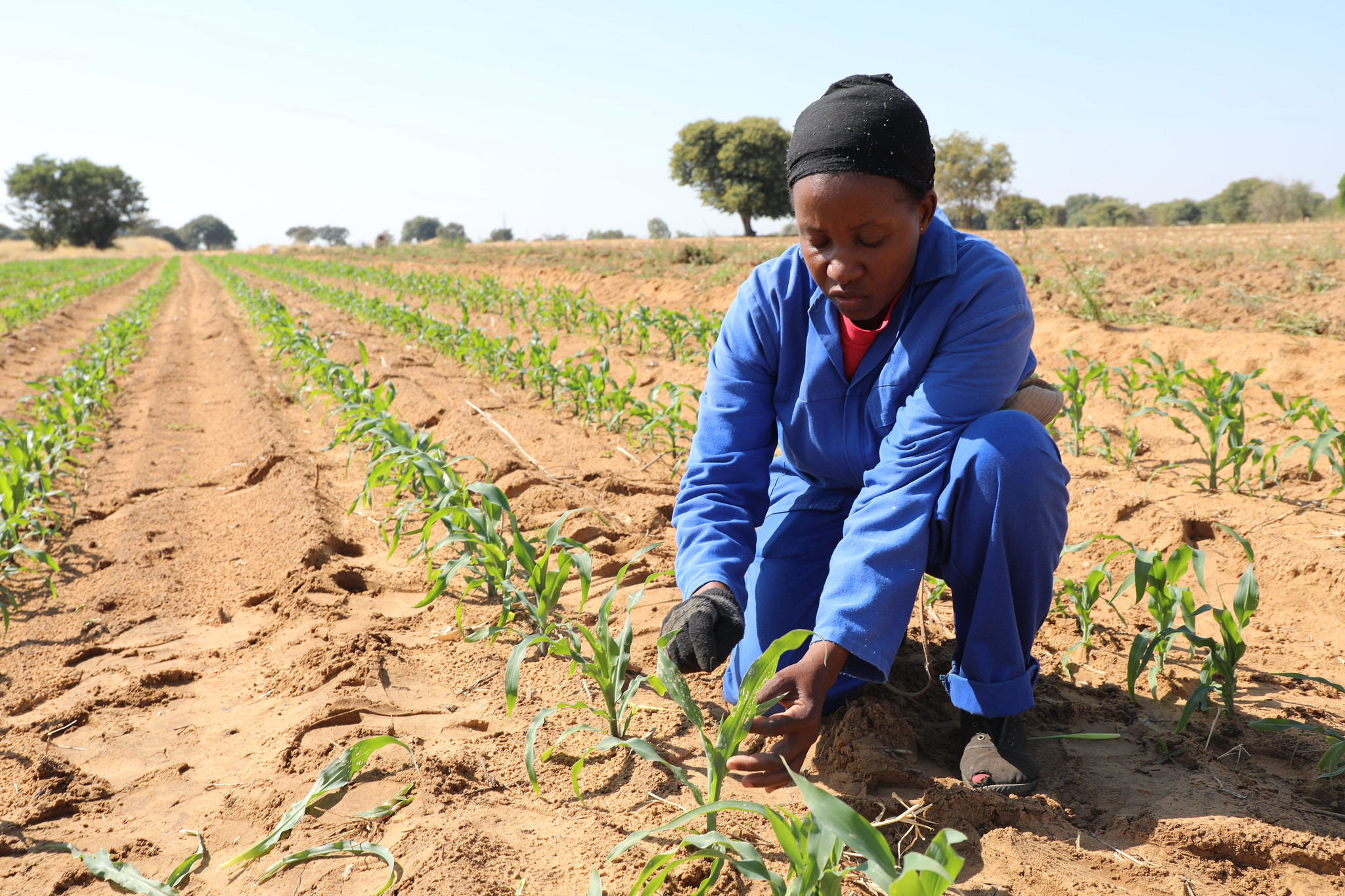
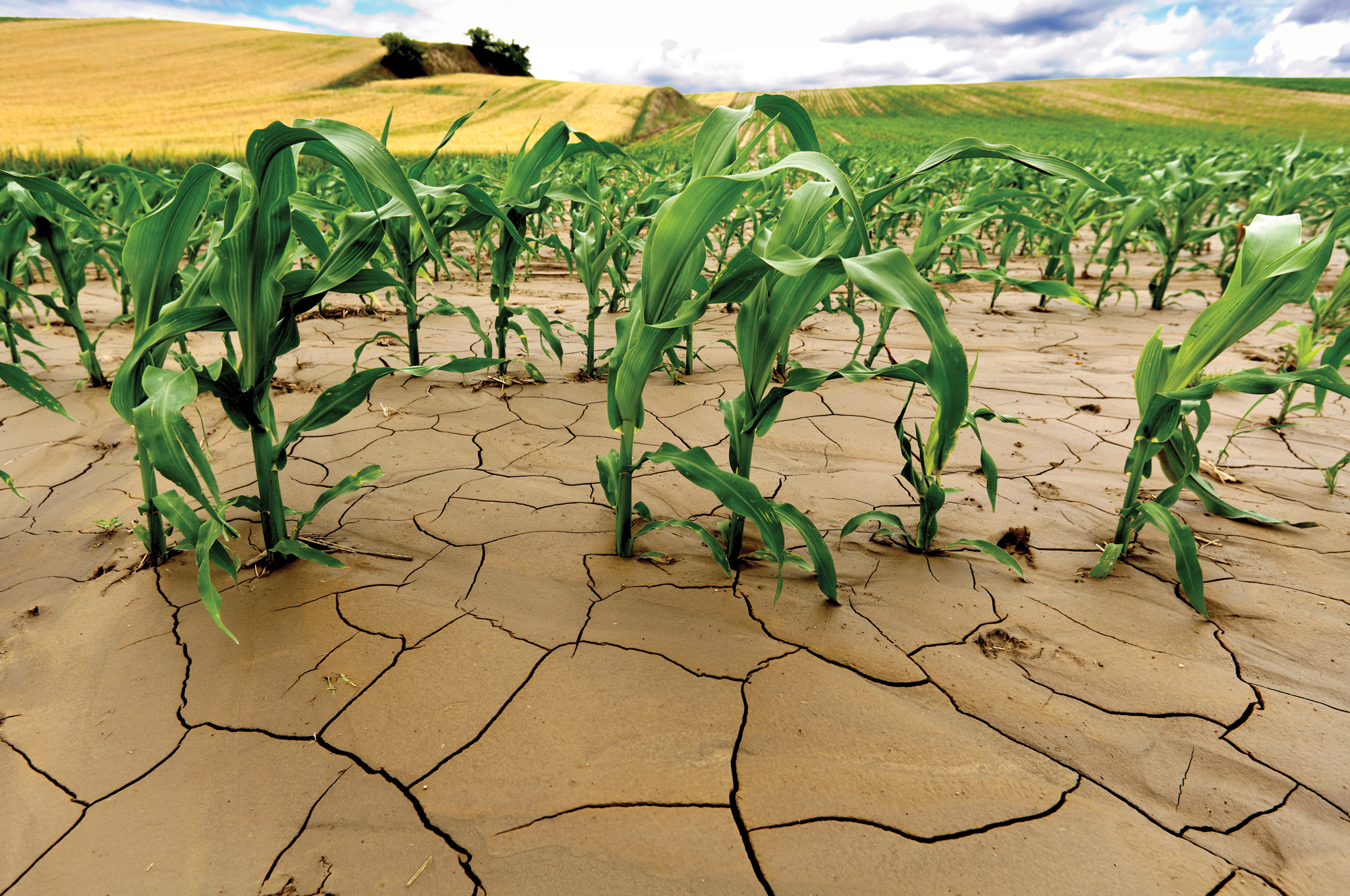
The corn crop is taking the brunt of the moisture deficit. UK Grain and Forage Center of Excellence director Chad Lee said nearly all the corn in the state ranges from just planted to about stage V9, or just before the tasseling stage.
“If we get rain soon, yield losses could be minimal, but some other issues will occur with a lack of water,” he said. “Farmers could begin to see leaf rolling, potassium and other nutrient deficiencies. Compaction could become more obvious in dry soils and we could see ‘floppy corn syndrome,’ where all the roots from one or more nodes desiccate or dry out and die.”
Lee said other visible effects could include a loss of row or kernel numbers, but that usually occurs on corn closer to V12 or later.
On the flip side, disease risk goes down with less precipitation.
“Most soil residual herbicides need rainfall to activate,” Lee said. “Scout fields to identify which weeds are escaping and plan to spray once a rain event occurs. The weeds are not growing well now, either. They need the rain event to be receptive to the herbicides. When applying the herbicides, use the full adjuvant types and rates recommended on the labels.”
Lee said the dry conditions are beneficial to the state’s wheat crop. Most of the crop was grown before the drought. Farmers who can dry wheat in the field will have less input costs and improve their bottom line. As for hay, extension professor and forage specialist for the UK Department of Plant and Soil Sciences Ray Smith said the first cutting was strong this year, but farmers have been dealing with below-normal moisture for a while.
“Drying conditions were good to put up quality hay,” he said. “But, the lack of water will hurt the second cutting, especially grass-hay production. Alfalfa is still doing well since its deep taproots are still accessing subsurface water.”
Although the first cutting was decent, Jeff Lehmkuhler, beef specialist for the UK Department of Animal and Food Sciences, said farmers may have some issues with pasture production. They may have to compensate for that.
“I’ve seen pastures on shallow soils turning brown,” he said. “We may be looking at a situation for early weaning calves to reduce pasture pressure and begin to strategize about supplementation. We may be able to use stillage in areas near distilleries to ease the water needs and conserve pond resources.”
Dixon said the summer-like temperatures are complicating the situation. Most of Kentucky was in the 80s to low 90s during the past week when normal highs for this time of year are in the low- to mid-80s.
Low dewpoints made the heat bearable from the human perspective, but for crops, a ‘dry heat’ isn’t necessarily a good thing. Evapotranspiration rates will rise with low humidity in place. This was the case back in 2012.
“As you can imagine, impacts of the dry conditions are on the rise and the U.S. Drought Monitor is taking notice,” Dixon explained. “Kentucky is not alone in this drought. Much of the Midwest is experiencing anywhere from abnormally dry to extreme drought conditions.”
Dixon said the drought monitor is a good tool for Kentucky farmers and they may also help shape the weekly map by submitting their own reports through the Drought Impact Reporter.
“Unfortunately, the map will likely take a step in the wrong direction in the next update on June 8,” Dixon said. “I’m holding out hope for rain chances in the next seven to 10 days. The outlook leans toward a period of above-normal rainfall and below-normal temperatures. I’m not taking that to the bank yet.”
Lee said getting rain sooner than later is going to help the most. However, Kentucky farmers could still have a top-ten yield for corn. Soybeans can hold out for rain a little while longer.
“The weather forecast this week provides low rain chances,” Lee said. “More corn in more fields will roll this week. Some of it will look bad. But all of it still has a chance to make good to excellent yields.”
Source - https://nkytribune.com