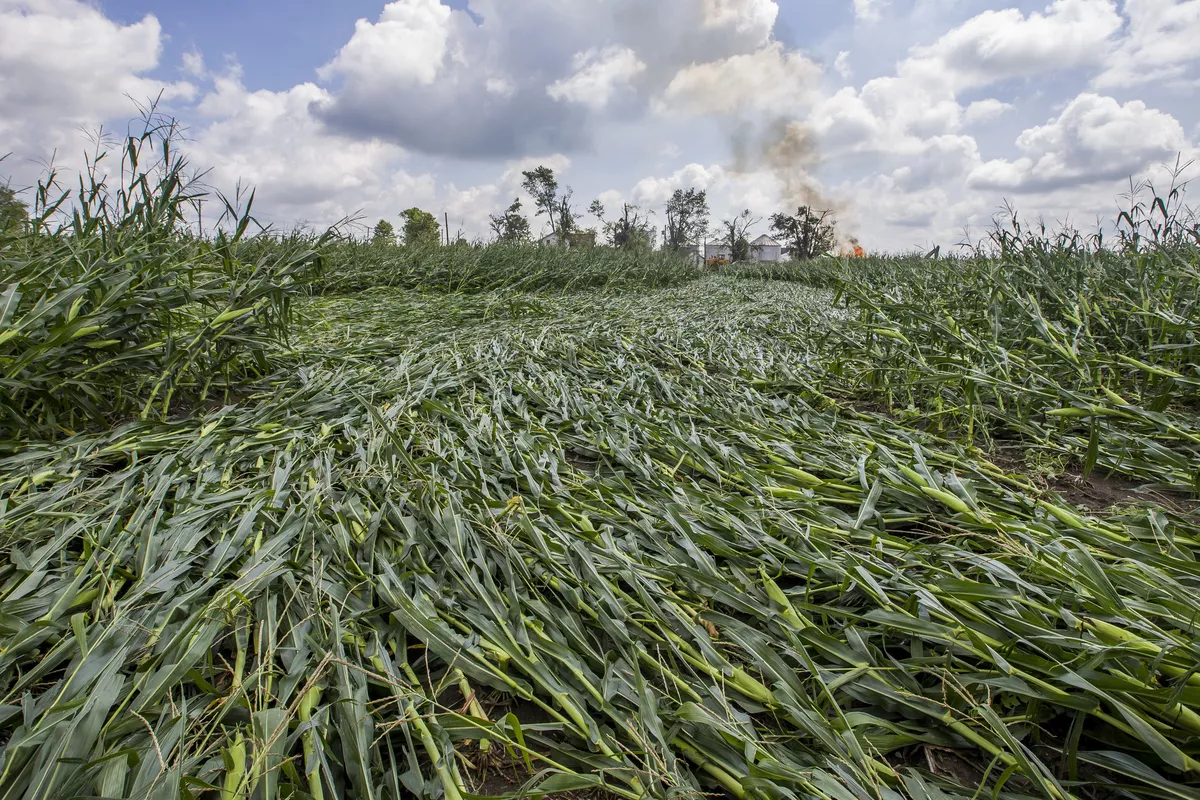
Bills proposed in the N.H. Legislature would help farmers recover from millions of dollars in weather-related crop damage incurred this year, and would set aside money for future such problems.
State Sen. Donovan Fenton, D-Keene, said Monday the agricultural industry badly needs the help.
“Climate change is happening, and farmers used to be able to rely on the weather and kind of predict what’s going to happen,” he said. “Now, climate change is happening so rapidly that we’re having these late frosts, or these 100-year floods, are no longer 100-year floods, they’re every other year floods.”
Meanwhile, consumers are increasingly demanding locally sourced fruit and vegetables.
“The farmers are the ones getting affected the most, and in turn, everyone is affected because without farmers we don’t eat.”
Fenton is the prime sponsor of Senate Bill 494, which would set up a $5 million fund to assist farmers affected by future natural disasters. He is a co-sponsor of SB 348, which would set aside $8 million for emergency assistance to farms that lost crops because of this year’s frosts, floods and freezes.
Jeremy DeLisle, a University of New Hampshire Extension field specialist, conducted a survey, released Nov. 27, that showed about $10 million in damage to the state’s fruit crop this year and $3 million in damage to the vegetable crop.
These figures don’t take into account the financial loss to farmers who weren’t able to sell associated products because the damage prevented customers from visiting.
DeLisle said that for some growers, this was the worst year they had ever seen, with whole orchards of apples and peaches wiped out.
This year was unprecedented in recent history as far as the impact of severe weather on some NH farms and the crops produced here,” he said in an email. “We all realize that there are risks involved with farming, but this year it was just one thing after another as far as weather goes.”
New Hampshire counties bordering the Connecticut River from Cheshire to Grafton were among those hit hard by freezing weather and flooding, DeLisle said.
Temperatures that dipped to negative-20 in February decimated the peach crop.
Frost that began on May 18 killed apples, pears, European plums and sweet cherries, with farms reporting losses ranging from 50 percent to 100 percent of their crops, the survey said.
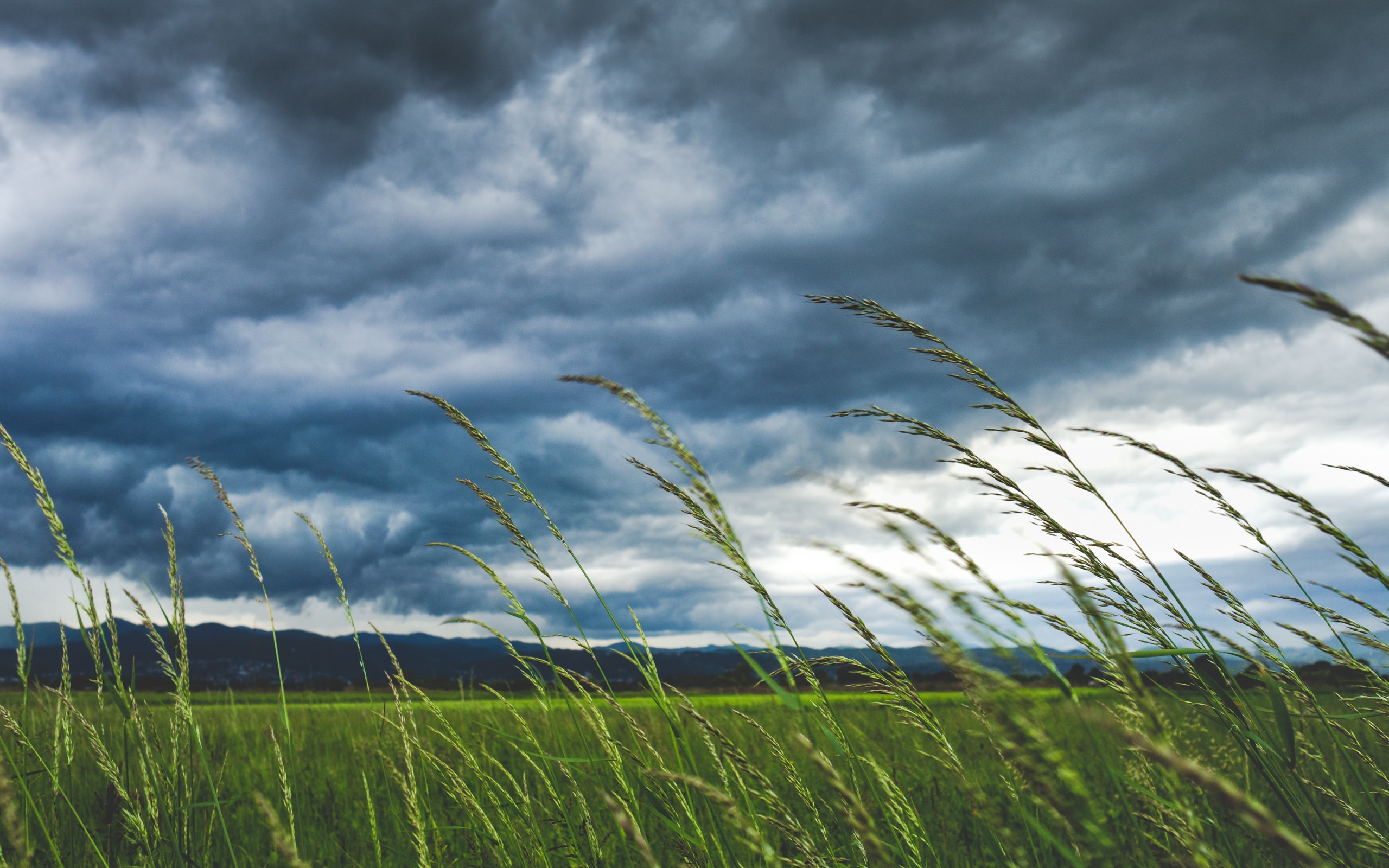
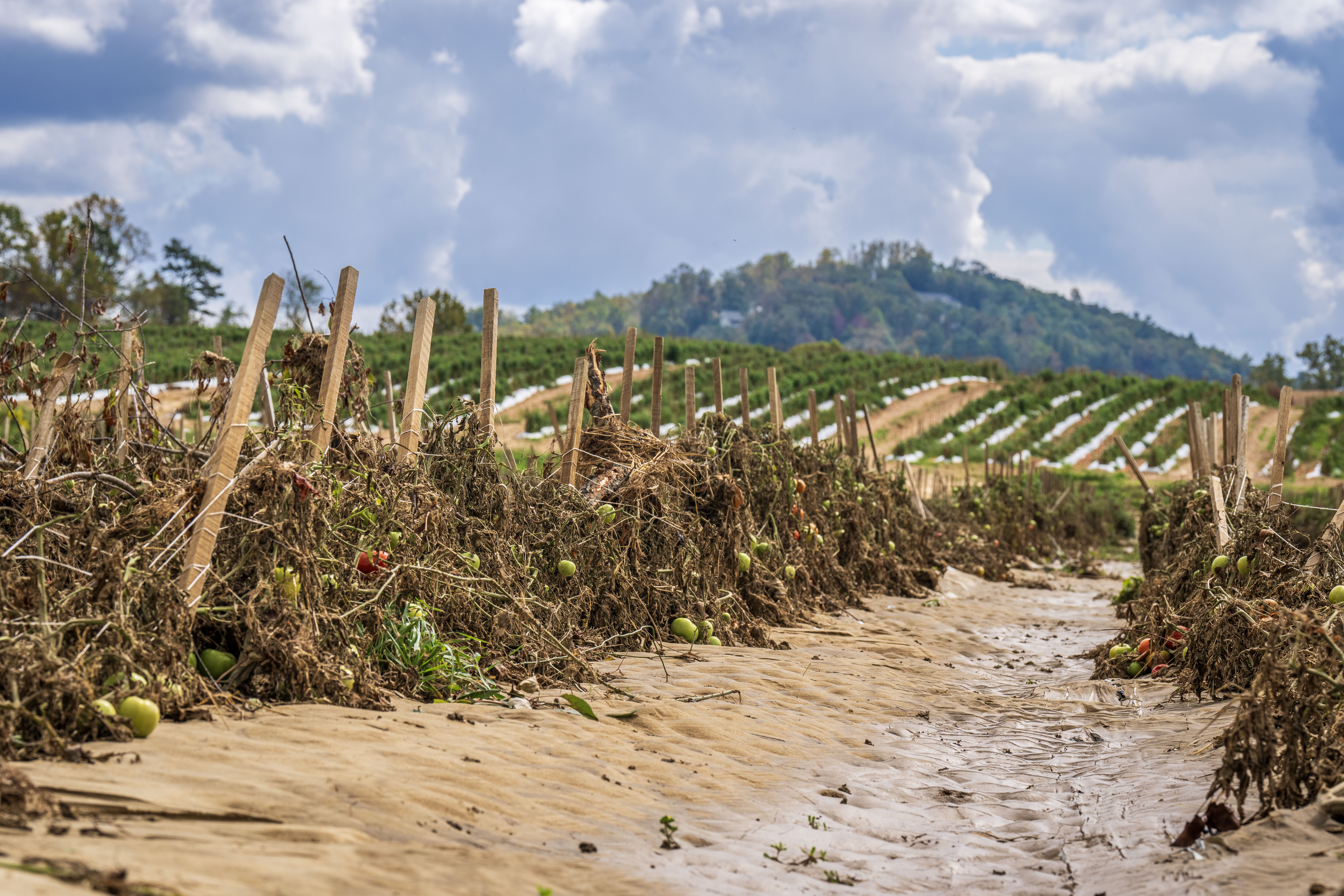
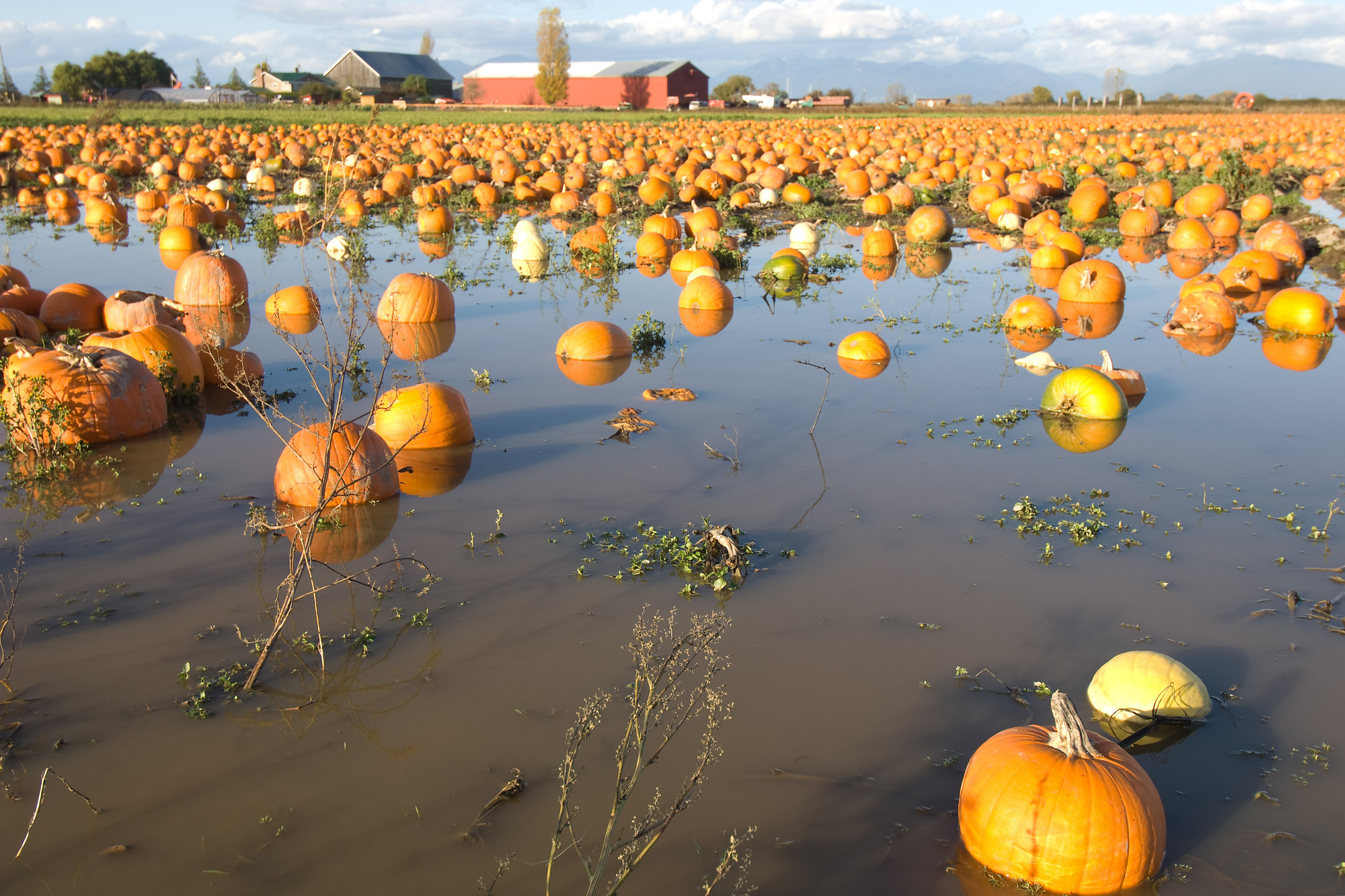
Then came the summer rains.
The National Oceanic and Atmospheric Administration says on its website that New Hampshire received an average of slightly over 21 inches of rain June through August, the most ever recorded.
DeLisle said floods can cause a series of problems for farmers, including poor seed germination, root diseases, difficulty in working a field, reduced soil fertility, soil compaction, erosion and weeds.
In some cases, farm insurance can help cover losses, but many farmers don’t have this insurance or are under-insured. Some federal programs can provide low-interest loans for crop damage, but don’t offer the kind of direct support that would be available under the pending bills, which will be considered when the N.H. Legislature meets shortly after the start of the new year.
DeLisle said that, if given the chance, he would testify in support of the legislation.
“One thing is for certain, this will not be the last we see of extreme weather and the impact it has on farming.”
Source - https://www.nhbr.com