The Michigan Department of Agriculture and Rural Development (MDARD) today announced more than $3.2 million of grants to 10 Michigan entities through the U.S. Department of Agriculture’s (USDA) Resilient Food Systems Infrastructure (RFSI) Grant Program.
"These RFSI grants complement MDARD’s efforts to strengthen regional food systems through our Farm to Family Program," said MDARD Director Tim Boring. "Together, these initiatives are creating more opportunities for local food processing, aggregation and distribution, which means more Michigan families will have access to more Michigan-grown foods."
Today’s RFSI grants invest in Michigan fruit and vegetable farmers, maple syrup producers, food hubs, food processors and more:
Mid-Michigan
- Grow Jackson (Jackson) – $63,000 for Grow Jackson Food Hub to expand access to locally produced foods.
Northern Michigan
- Burnette Foods Inc. (East Jordan) – $475,000 for wastewater improvements that will increase food processing and manufacturing capacity.
- Bur’s Maple Syrup, LLC (Cheboygan) – $269,362.08 for a new maple sugar house that will enable expansion while supporting distributors and the community.
- King Orchard Inc. (Central Lake) – $475,000 for a multi-functional facility that will increase the processing of fresh foods supplied by regional growers.
- Petoskey Farms Vineyard and Winery (Petoskey) – $305,985.60 for expanding climate-controlled wine and cider storage for “Tip of the Mitt” producers.
- 9 Bean Rows (Suttons Bay) – $163,077.98 to launch a regional milling facility to support the grain grain industry.
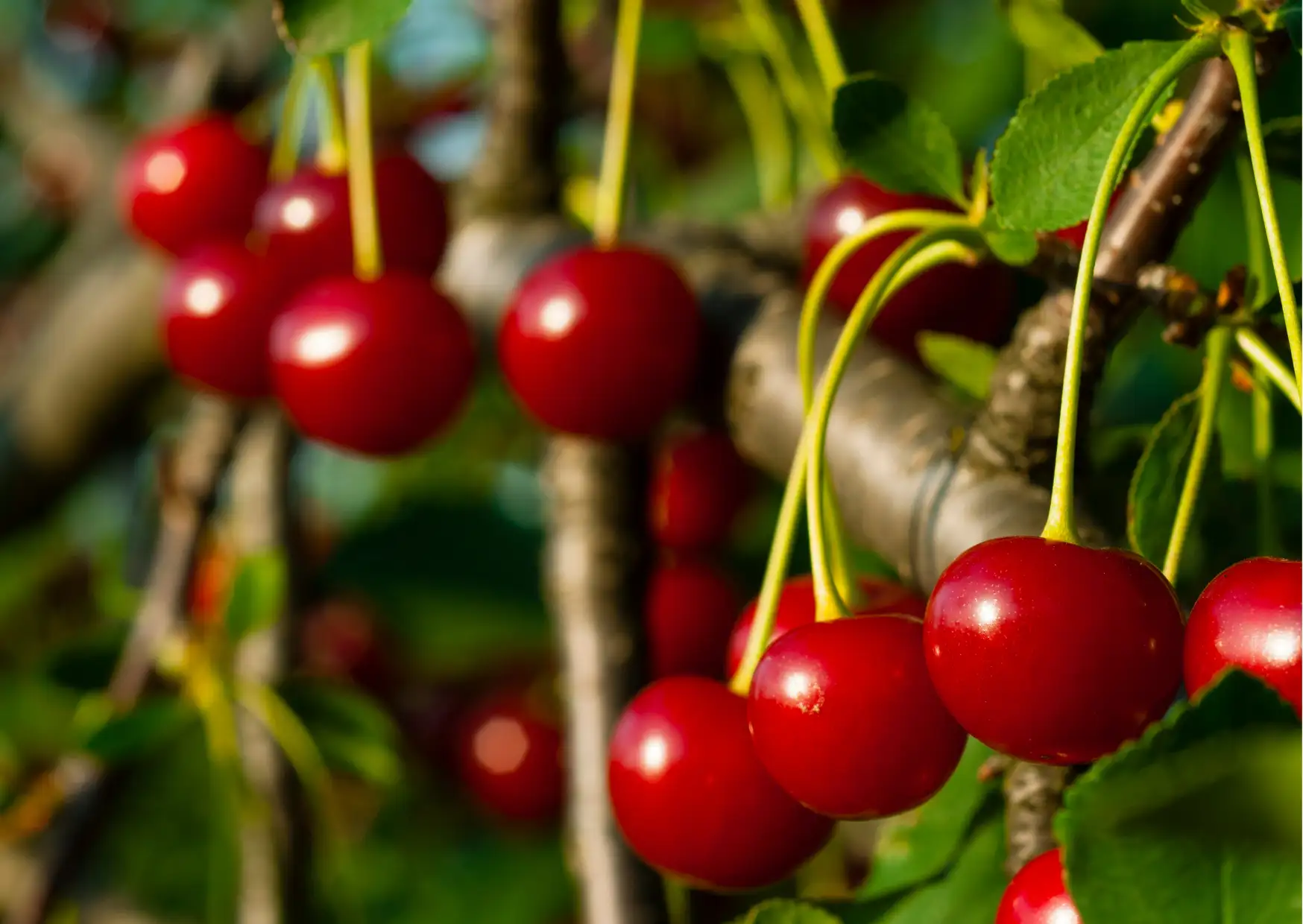
- Wunsch Farms, which also does business as Third Coast Fruit Co., (Traverse City) – $475,000 for cold storage, packaging and safety improvements for statewide fresh sweet cherry distribution.
Thumb Region
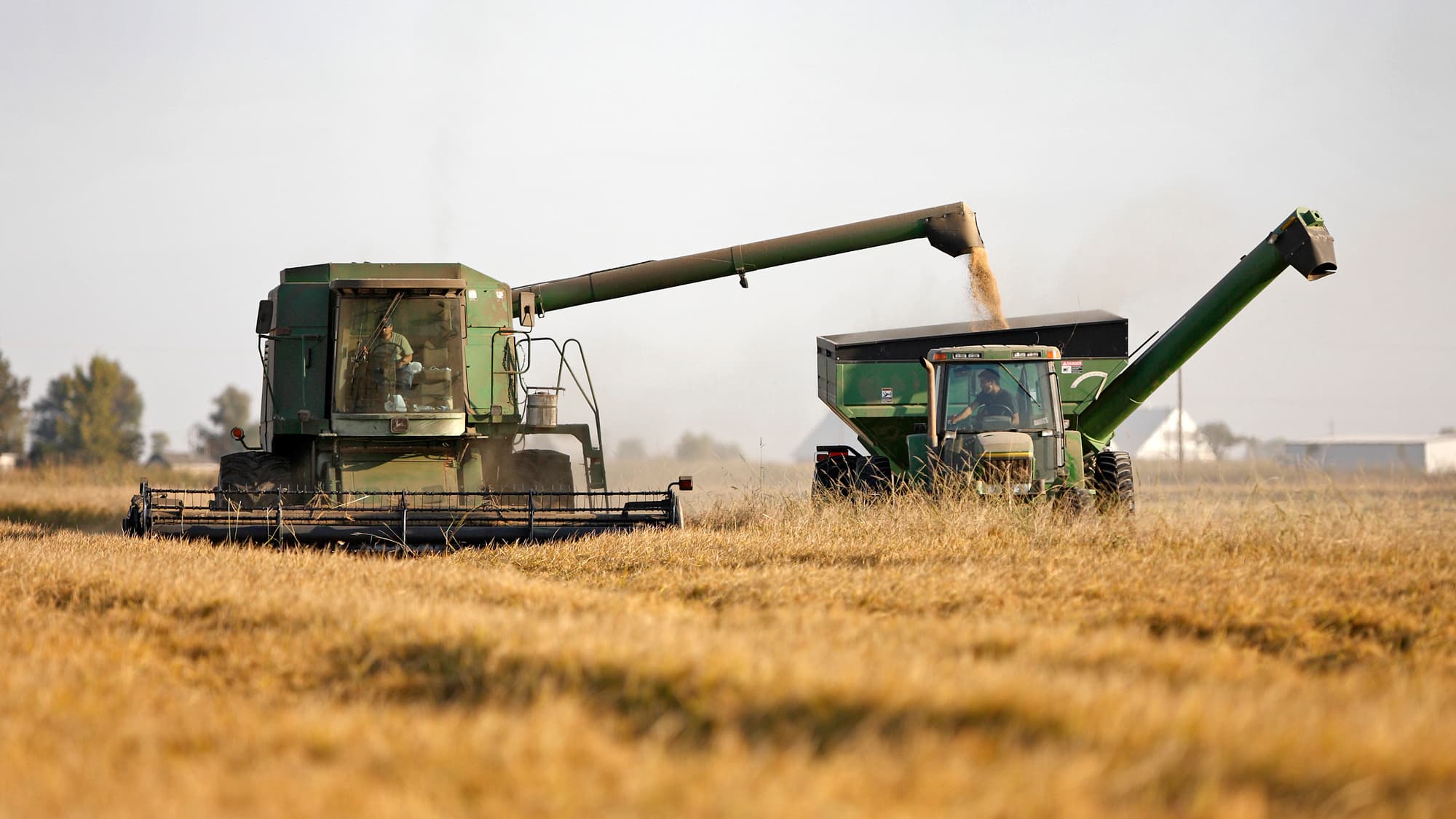
- Great Lakes Organic Processing LLC (Frankenmuth) – $475,000 to expand a wheat production and processing facility.
- Thistle Dew Creamery LLC (Vassar) – $475,000 to build an on-site dairy cheese processing facility.
West Michigan
- Trinity Health Muskegon (Muskegon) – $66,056 for equipment to start an aggregate farm share program in Muskegon County at the farm at Trinity Health Muskegon.
“Third Coast Fruit Co. is excited to be building new local and regional channels for Michigan fresh fruit and is deeply appreciative of MDARD's support of our packinghouse renovation and expansion projects,” said CEO Isaiah Wunsch. “This project will help create new pathways for our cherries and apples to get into the hands of Michigan consumers and will support other local growers by expanding market access.”
Through the RFSI program, the USDA’s Agriculture Marketing Service (AMS) entered into cooperative agreements with state agencies, commissions or departments responsible for agriculture, commercial food processing, seafood or food system and distribution activities or commerce activities in states or U.S. territories. MDARD awards RFSI funding through a competitive review process to support the creation of more and better processing options for local and regional producers across the scope of specialty crops, dairy, grain (for food), and other sectors.
Over the past two years, MDARD and the USDA have awarded more than $6.3 million of RFSI grants to Michigan food and agriculture producers. These grants add to more than $250 million of funding MDARD has delivered since 2019 to strengthen Michigan’s food and agriculture industry, enhance agriculture research and education, protect Michigan’s natural resources and build rural infrastructure.
Source - https://www.michigan.gov