JUANA SUMMERS, HOST:
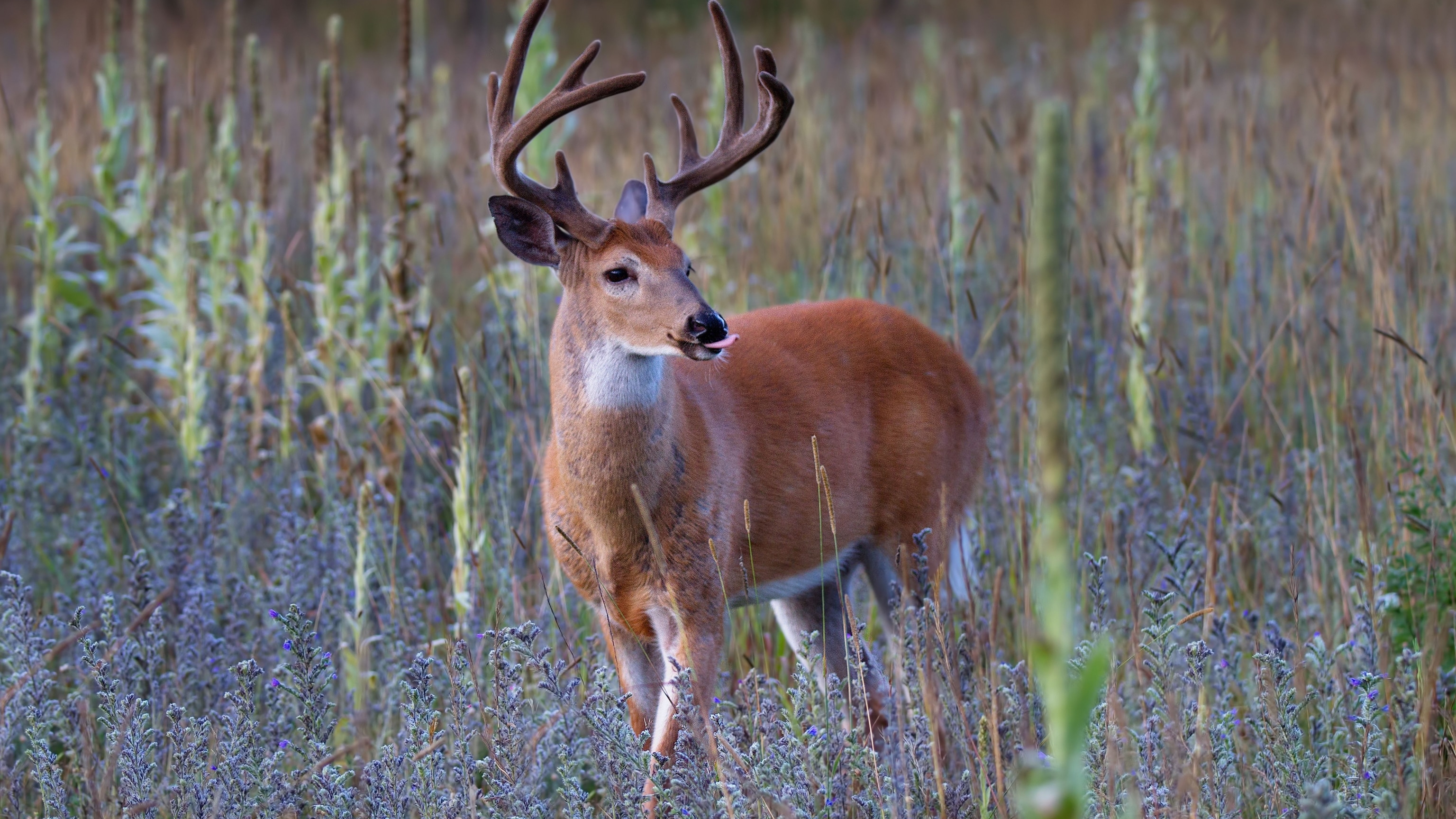
Financially, farmers are dealing with a lot right now. Farming is getting more expensive as crop prices are dropping. And lately, farmers in Georgia and other agricultural states have been raising the alarm about white-tailed deer, which can cause millions of dollars' worth of damage. Sofi Gratas with Georgia Public Broadcasting reports there is little farmers can do about the problem.
SOFI GRATAS, BYLINE: Driving through the Lee family farm in Dawson, Ga., Neal Lee says white-tailed deer are eating through his family's 10,000-acre row crop farm.
NEIL LEE: This year has been, by far, worse than I've ever seen.
(SOUNDBITE OF CAR DOOR THUDDING)
GRATAS: In one of the farm's cotton fields...
LEE: Yeah, there should be a plant every five or six inches. But as it comes up, they just steady bite it off.
GRATAS: Patches of dirt surround young cotton bushes with snapped branches and missing cotton bolls.
LEE: The young bolls like that are still real juicy.
GRATAS: It's the deer's favorite snack.
LEE: See the tracks here.
GRATAS: Deer tracks.
LEE: And then if you look - I mean, just - all this should be cotton.
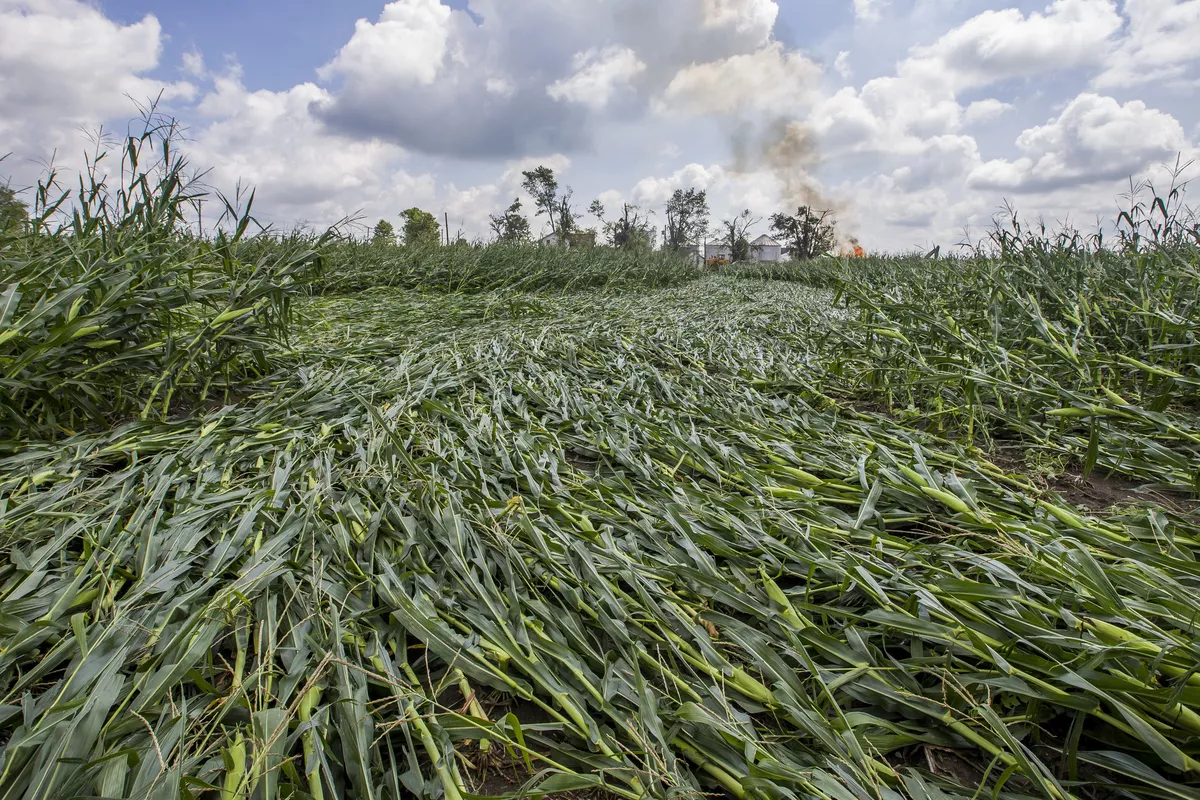
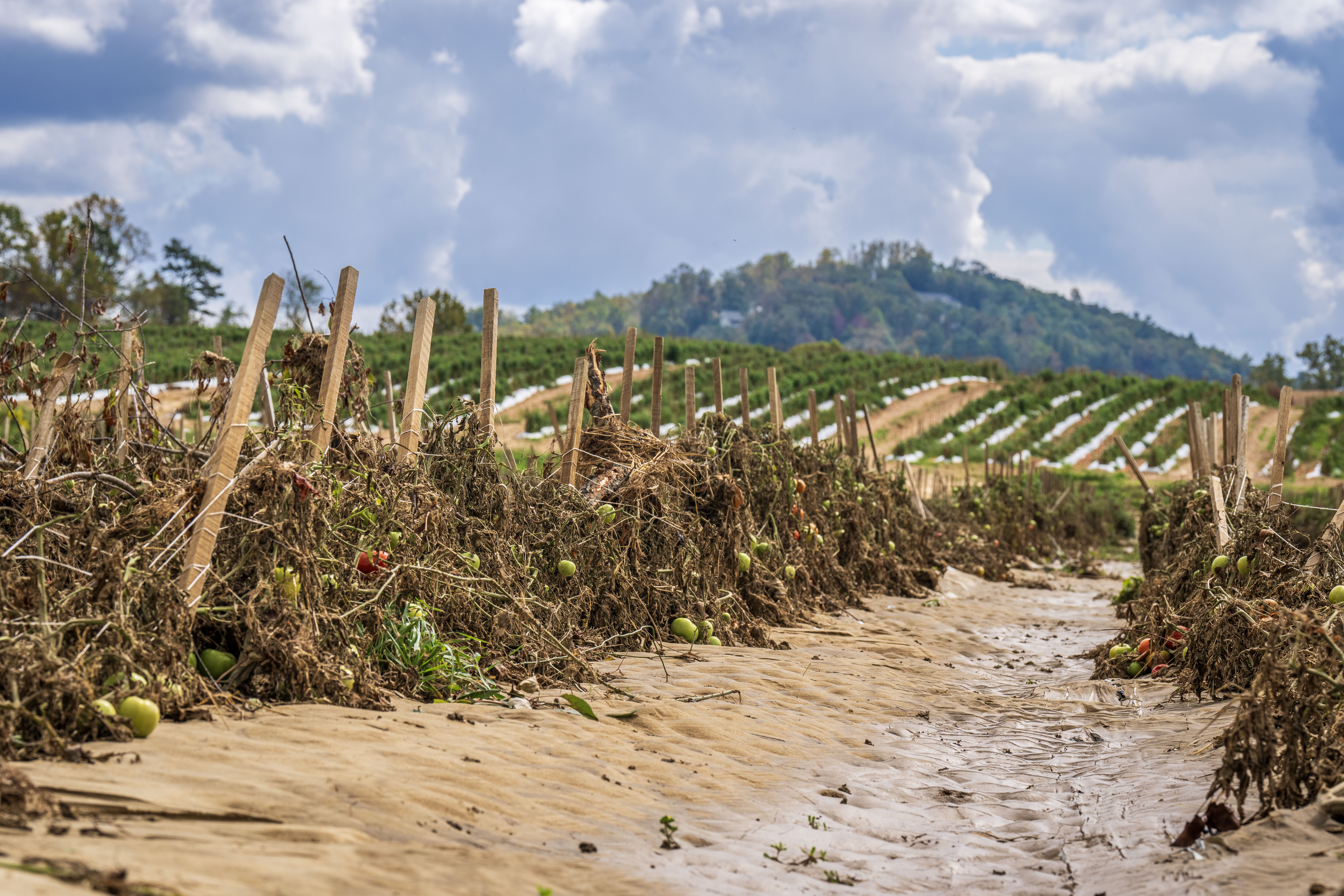
GRATAS: It's not. Some miles away, in one of Lee's soybean fields, the plants are ankle-height near the tree line - half as tall as they should be. His peanut field looks mowed down. Lee says he's likely incurred damages in the six-figure range.
ADAM BELFLOWER: We think this is one of the most, like, pressing issues that farmers across the state are facing right now.
GRATAS: Adam Belflower lobbies for the Georgia Farm Bureau. He says lately, the bureau's been hearing about deer in more fields.
BELFLOWER: I would say it's - the complaints are starting to come from more different - more commodities has been the big thing that we've learned.
GRATAS: Like in cotton.
BELFLOWER: We're seeing farmers that are losing significant yield.
GRATAS: Georgia is not alone in all of this. Reports from Alabama, North Carolina and South Carolina this year have shown row crop farmers reporting increased losses from deer damage. But while some farmers swear there are just more deer, populations in Georgia are stable. The number of deer in north Georgia has actually gone down due to habitat changes and more bears and coyotes. Charlie Killmaster is the deer biologist for the state of Georgia. He says the more money farmers can get for what they grow, the more likely they see deer damage as a problem.
CHARLIE KILLMASTER: As the value of crops, the amount that they can be sold for goes up, the number of deer control permits goes up.
GRATAS: Deer control permits are issued by the state and allow farmers to shoot a limited number of deer in their fields. Sorry, "Bambi" fans. So the price for all crops has increased by almost 30% since 2021, but it's also gotten a lot more expensive to grow them. So farmers are less likely to pay for preventative measures against deer, like fencing, says Adam Belflower with the Georgia Farm Bureau.
BELFLOWER: If you're operating on thin margins because seed is more expensive, because fertilizer is more expensive, because diesel is more expensive, because equipment is more expensive, anything on top of that is going to make it harder to remain profitable.
GRATAS: For Neil Lee back in Dawson, these financial stressors are all too familiar.
LEE: I mean, I enjoyed farming, but it is getting - it's tough right now to survive.
GRATAS: Lee has gotten permits to shoot deer on his land. It's helped, but those permits expire by the time hunting season rolls around in October.
LEE: I feel like this is going to be - it's going to be this bad or worse from years to come until something is done. And I don't know what the answer is. I do know that more need to be killed.
GRATAS: To do that, he's planning to lease his land to hunters this fall in hopes of getting some extra protection for his crops. For NPR News, I'm Sofi Gratas in Dawson, Ga.
Source - https://www.tpr.org