USA - Michigan launches project with crop insurance companies to reward regenerative farming

20.09.2026 18 views

Michigan is launching what officials said is the nation's first public-private crop insurance program for regenerative farming.

Regenerative farming is the practice of creating healthier soil with cover crops, natural fertilizers, no-till planting, livestock grazing, and crop diversity. The goal is improving soil so it retains water and nutrients, saves money on chemical fertilizers, increases crop yields, and reduces the risk of crop losses.

Tim Boring is director of the Michigan Department of Agriculture and Rural Development.

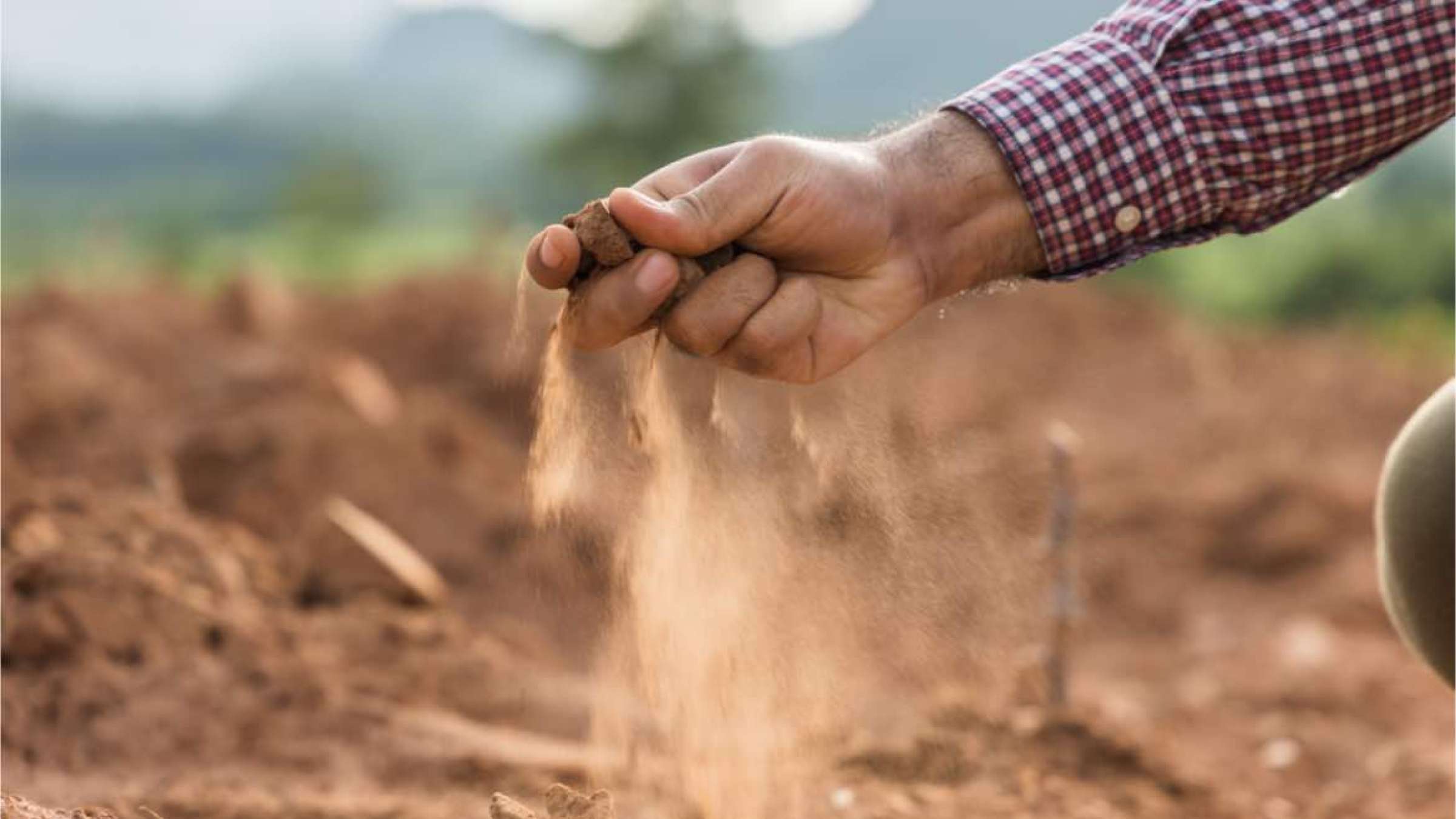
He says gardeners who have worked over time to enrich their home garden soil understand what healthy soil looks like — it has a crumbly, almost 'chocolate cake' kind of texture and appearance. And it's the same thing for agricultural land, just on a larger scale.

"When a soil's more alive, and we have a thriving biological environment, with more organic material and microbes in the soil, it can provide a positive place for crop development and ultimately higher crop yield," he said.

Boring said the state pilot will enroll about 80 farmers in Michigan's Thumb region. Crop insurance companies will use the state's field-by-field AI analysis of existing databases, along with collecting physical soil samples throughout the year, to set a lower insurance price for the enrolled farmers, because of the lower risk of crop failure.

Boring said the state has big ambitions for the program, national as well as statewide.

"Crop insurance is highly (federally) subsidized," Boring said. "So there's a lot of taxpayer implications. It's going to be prohibitively expensive moving forward to continue our current approaches of ensuring risk and revenue protection for farmers, and addressing the pretty dire economic situations we have as farmers. So efforts like this could eventually inform a U.S. Farm Bill in the future."


Source - https://www.michiganpublic.org

20.09.2026

Guyana - First crop-insurance payouts reach 2,068 rice farmers

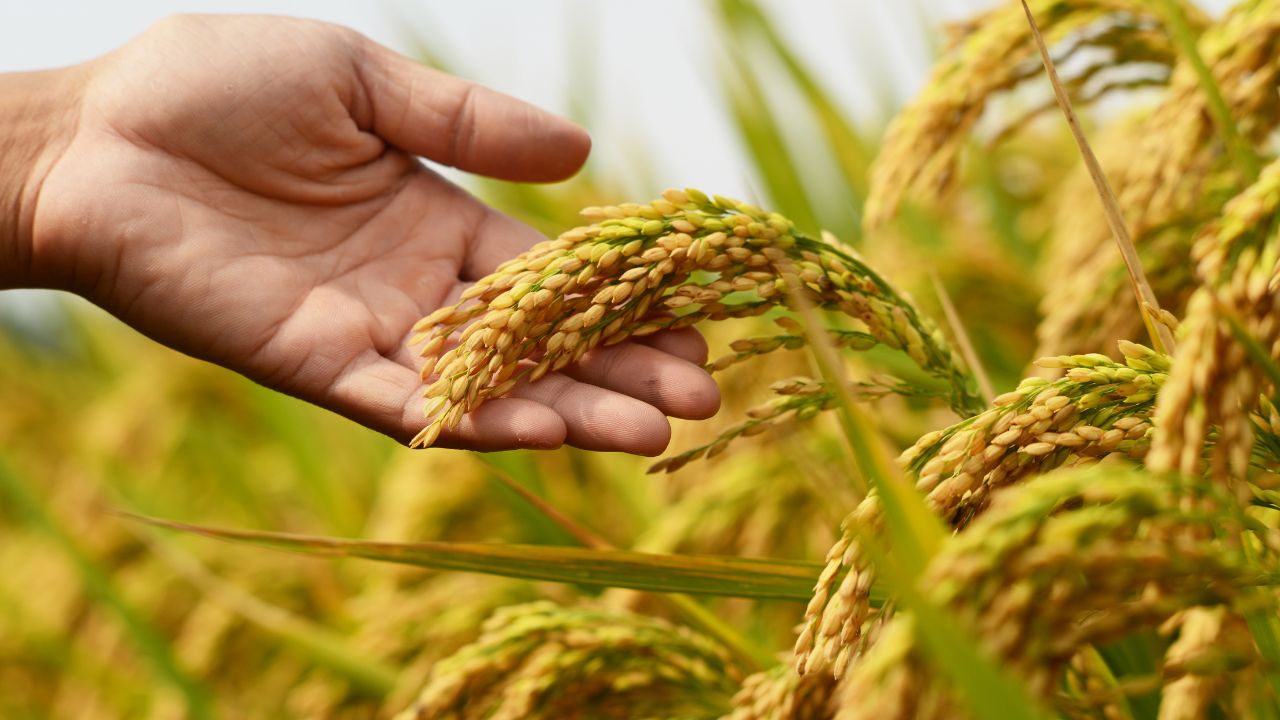
More than 2,000 rice farmers received nearly US$128,000 in crop-insurance claims during the first half of 2026 after above-normal rainfall affected production during the first crop.

20.09.2026

Spain - Planas expects to approve in October the extra aid for agricultural insurance due to the fires.

Luis Planas will bring to the Council of Ministers in October the Royal Decree with extra aid for agricultural insurance for those affected by the recent fires.

20.09.2026

Growers should photograph crop damage before and after uprooting affected plants

ASAJA Almería recommends that growers carefully monitor their crops for pests and viral diseases. They should also document any damage carefully, especially if they may need to uproot the crop because of the severity of the infestation.

20.09.2026

India - Sharad Pawar urges Maharashtra CM to declare drought, seeks Rs 50,000 per hectare for affected farmers

Pawar cites rainfall deficit across 31 districts and seeks immediate relief for farmers, farm labourers and livestock.

20.09.2026

India - Udupi paddy crop at risk as rain fails at crucial stage

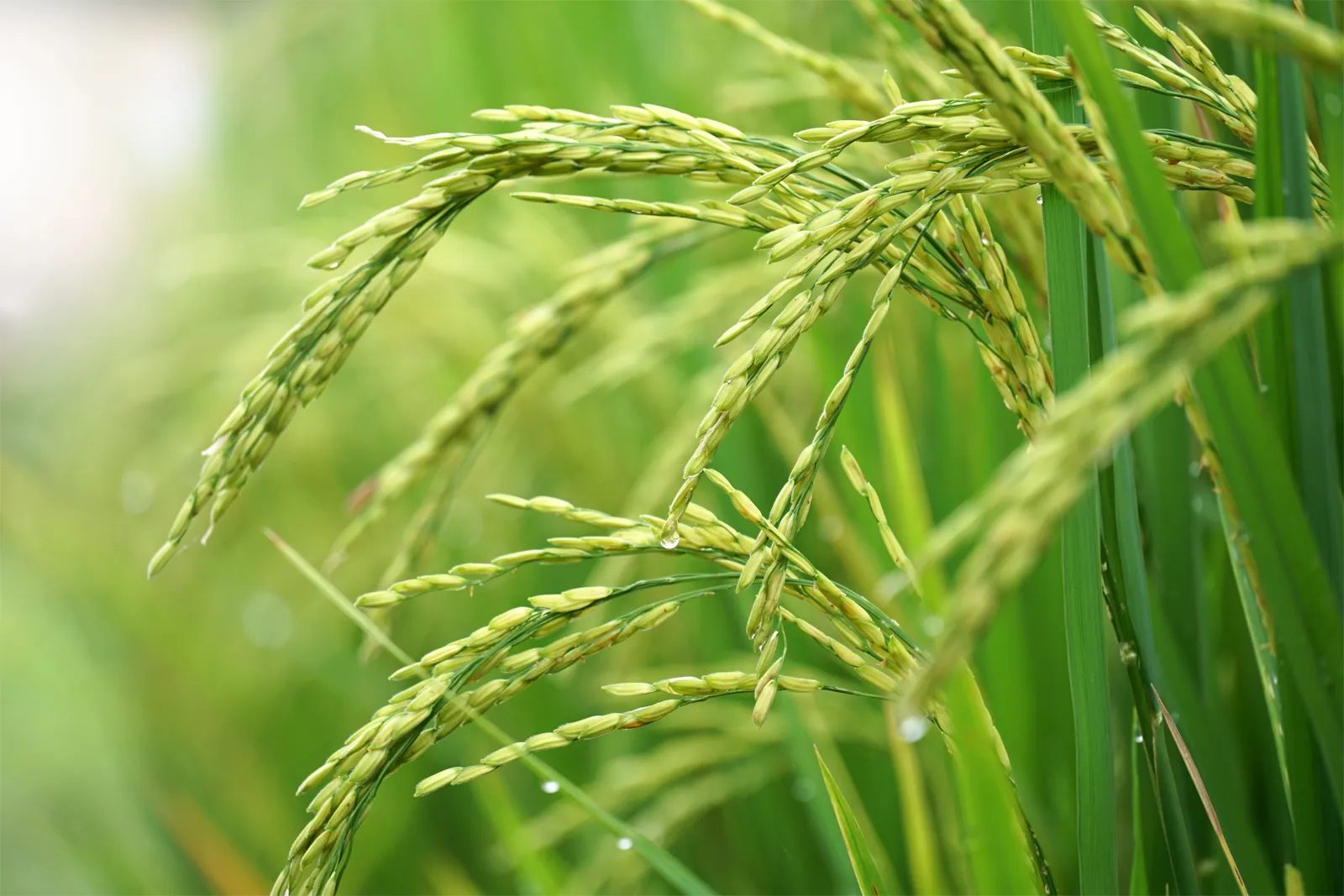
Paddy farmers in Udupi district are facing renewed uncertainty as rainfall has weakened sharply just when the crop is entering a crucial stage of ear formation and grain filling. 

17.09.2026

12-hectare blueberry greenhouse project underway in Kenya

Kakuzi Plc has started development of a 12-hectare blueberry greenhouse project in Kenya, adding blueberries as its third commercial superfood crop alongside macadamia and avocado as part of its revenue diversification strategy.

17.09.2026

USA - USDA Expands Crop Insurance Flexibility for Organic Stone Fruit Growers

The USDA is improving crop insurance options for organic stone fruit producers, giving them more flexibility beginning with the 2027 crop year.

17.09.2026

New sweet potato processing facility targets value addition in Uganda

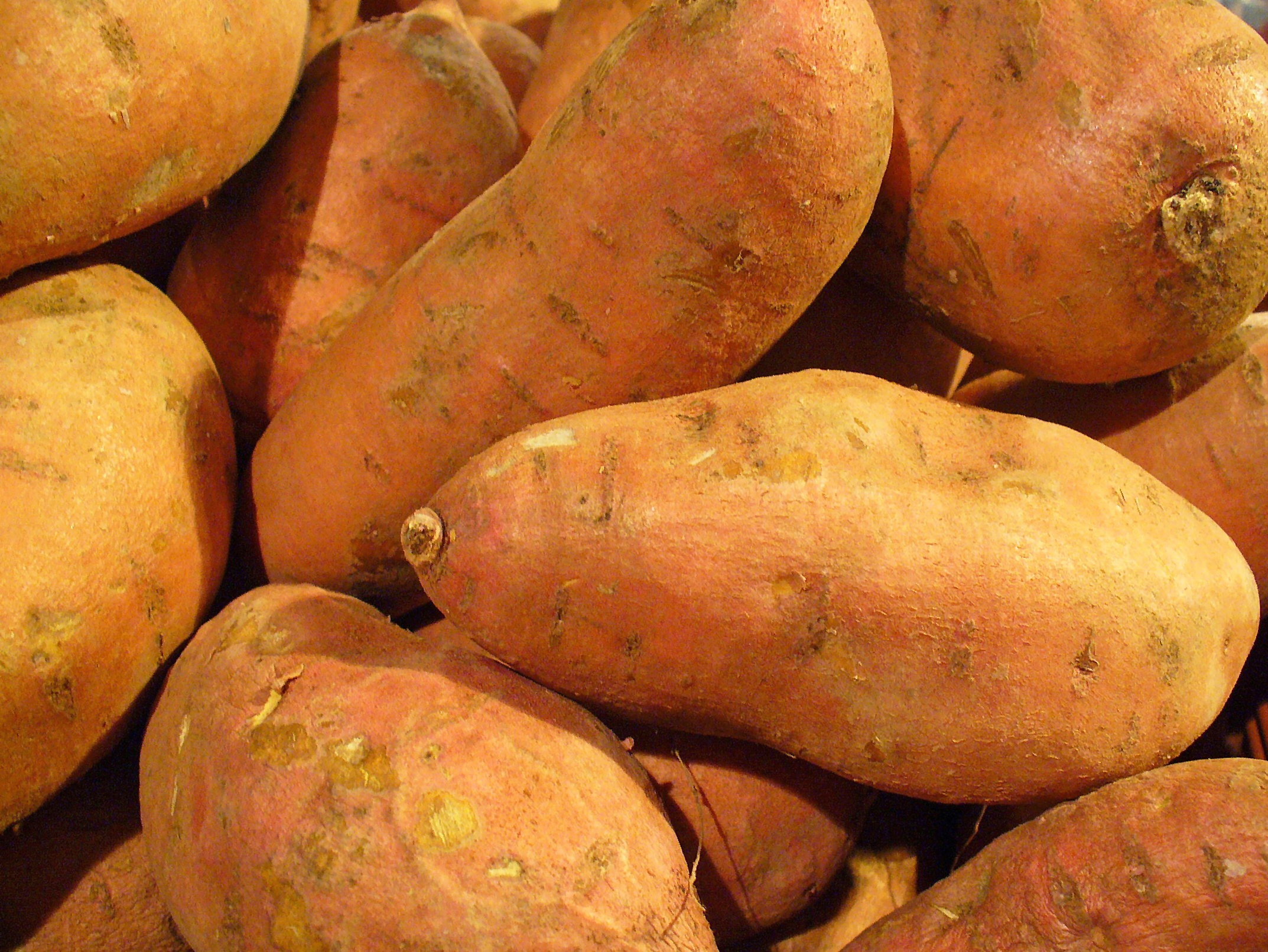
A new sweet potato processing facility in Uganda's Teso sub-region is expected to expand processing capacity and create additional market channels for locally grown sweet potatoes.