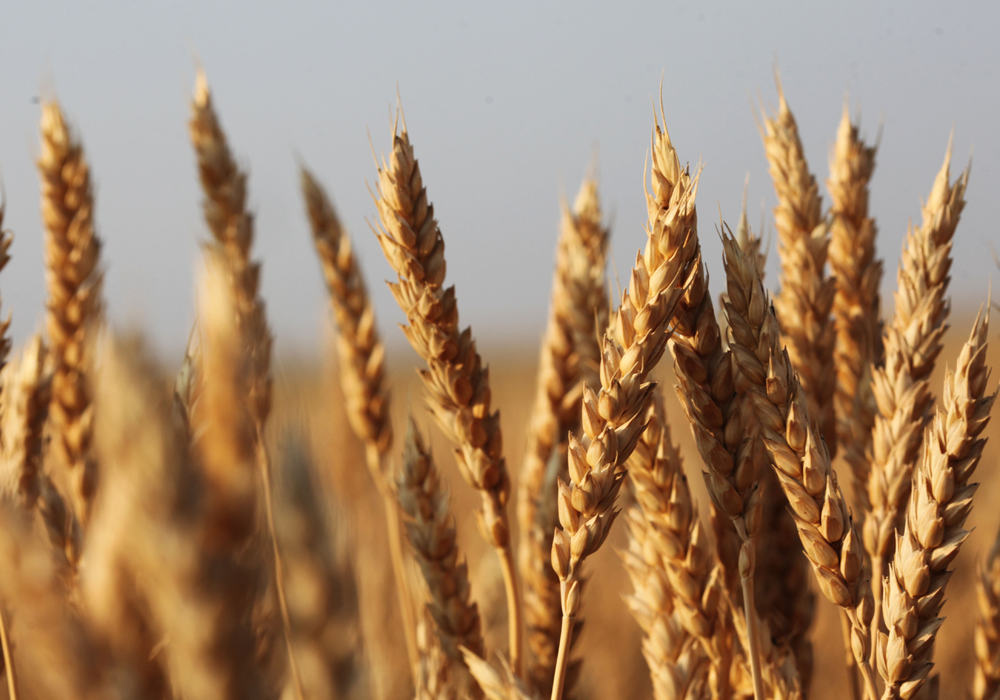
Harvesting drought-stricken wheat this year will require dialing in combine and header settings to maximize harvest.
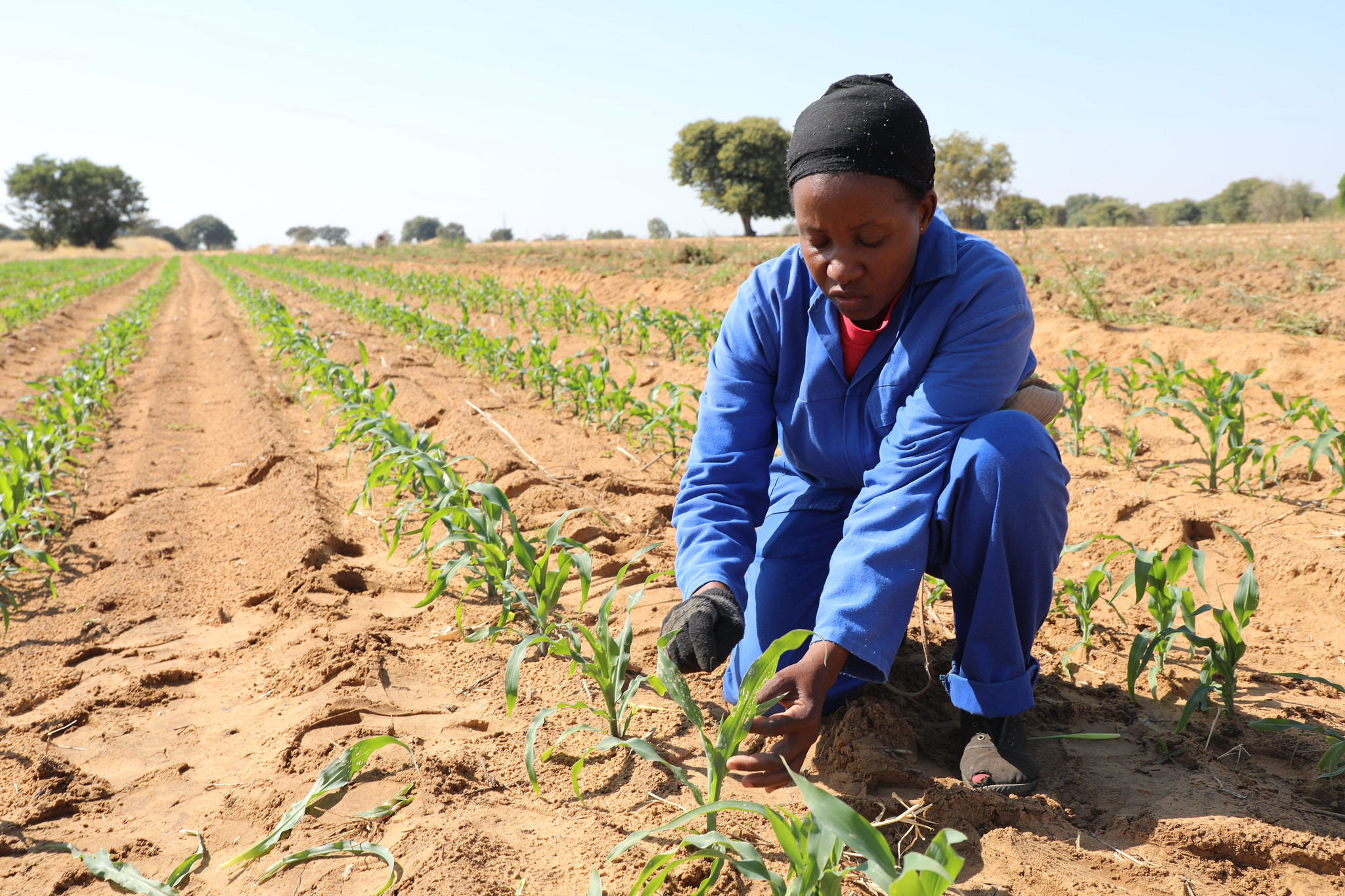
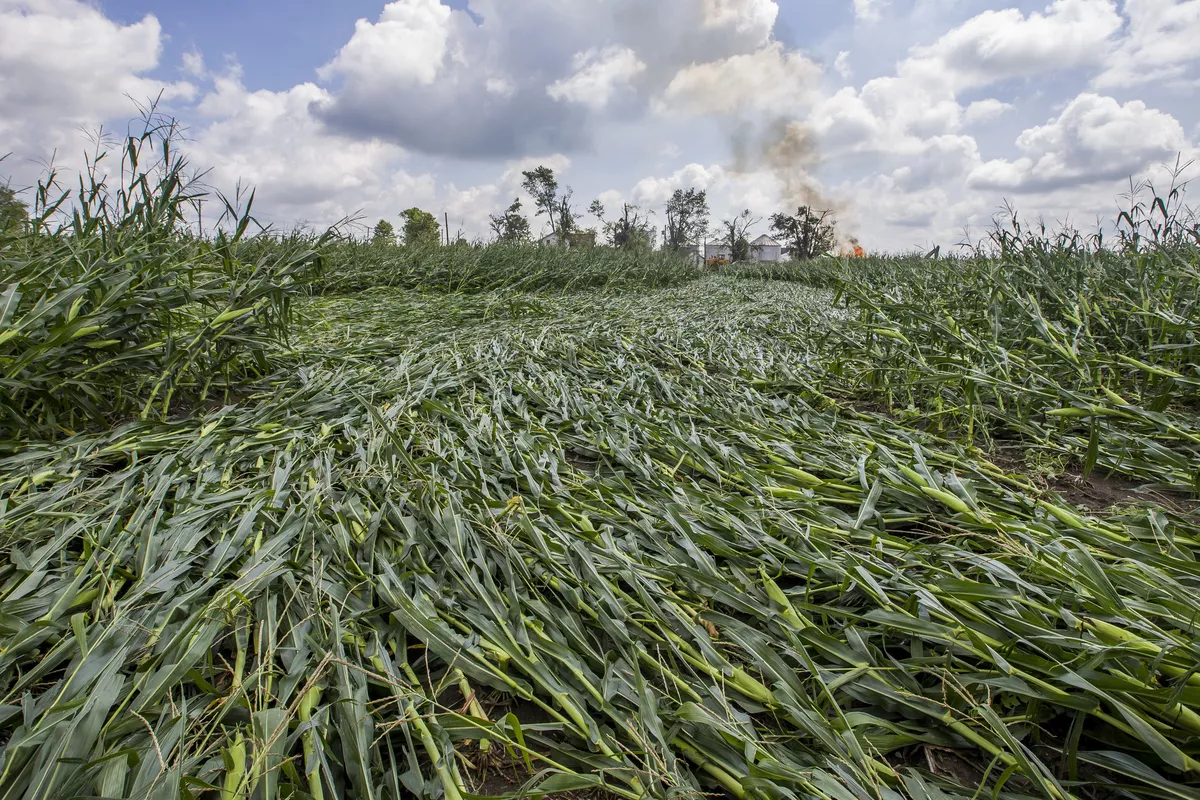
Throughout large portions of the Great Plains, prolonged drought created short wheat and thinner stands that can be a challenge to harvest. Operators need to consider their cutting heights and adjust their combines to ensure proper threshing while reducing grain damage and losses.
"In general, it's going to take a little more time and patience to make sure that both the header and the machine are set properly for the conditions," wrote Lucas Haag, extension agronomist and associate professor at Kansas State University, in an email to DTN this week.
Whether harvesting with a conventional header, a stripper header or a draper header, getting wheat into the combine with less straw can be a challenge. In some cases, the reel may not be able to effectively convey the wheat back from the cutter bar to the auger, nor hold it in place during cutting. Lowering the cutting height also increases the potential for ground contact and decreases residue needed for moisture retention.
Haag said that both stripper headers and flex-draper headers offer significant advantages when harvesting thin, short wheat. However, he added those advantages are contingent on the headers being adjusted and operated properly.
"I am partial to stripper headers in dryland areas because they can help us retain as much intact stubble as possible, which is important for the productivity of subsequent crops," Haag said. "In general, header loss decreases as ground speed increases with stripper headers, and this is especially true in a thin wheat stand."
STRIPPER HEADERS
To properly use a stripper header, Haag and his K-State colleagues offered the following advice to combine operators:
-- Be aware of the stripping rotor height and the relative position of the hood to the rotor. Set it so wheat heads approach the rotor at the proper angle for stripping.
-- Orient the nose of the hood so that the tops of wheat heads are even with, or slightly below, the forward point of the nose. This may require operating the header with the nose in a slightly lower-than-normal position relative to the rotor. Keep in mind that running lower than necessary will increase power consumption and accelerate finger wear.
-- Keep combine ground speeds high (above 4 mph) to maintain collection efficiency and minimize header losses.
-- Adjust stripping rotor speed as harvest conditions change. Rotor speeds that are too high can detach the entire wheat head and cause unnecessary increases in power requirements. Rotor speeds that are too slow will result in unstripped grain remaining in the head. In general, rotor speeds will be lower in thin, short wheat.
DRAPER AND FLEX HEADERS
Because the distance between the cutter bar and the conveyor belt is short on a draper, this type of header ensures that more crop material enters the combine. When using a draper:
-- Tip the cutter bar completely back to keep crop material moving across the bar and onto the belt. This also allows more stubble to remain standing.
-- Ensure that cleats on the belt are in good condition and allow crop material to move away from the cutter bar efficiently.
-- Set gauge wheels to maximize cutting height and leave standing residue.
Specifically for flex headers:
-- Ensure sickles and guards are in good condition when cutting thin wheat.
-- Consider adding material over or behind the fingers on the reel to help keep the cutter bar clean.
CONVENTIONAL HEADERS
When running a conventional header, there are still adjustments that can be made to maximize harvest in short wheat:
-- Adjust the reel to improve movement of wheat heads from the cutter bar to the auger.
-- Ensure sickles and guards are in good condition when cutting thin wheat.
-- Consider harvesting in slightly damp conditions to help prevent shatter and to decrease grain loss.
-- Add an extra "auger stripper bar" to prevent wheat heads from flipping out of the header from the top of the auger.
-- Maintain the highest cutting height possible to preserve standing stubble.
Some may consider harvesting with an air reel system on the header, but in short wheat, these units may leave little to no field stubble, which is not conducive for retaining moisture for next season.
COMBINE ADJUSTMENTS
While all adjustments are important, Haag said that there are certain ones that should be monitored more closely, depending on the type of combine and type of header.
"For producers using flex-draper or conventional headers, rotor or cylinder speed is going to be very important," he said. "With less material in the machine, there is less material to thresh against, and it will be easier to damage grain with excessive rotor/cylinder speed. It's likely that reduced fan speed will also be required."
In addition to following manufacturer recommendations, the K-State Extension specialist offered the following tips:
-- Reduce the concave clearance to attain good separation in conventional combines.
-- Maintain a typical clearance in rotary combines, but consider using blanking plates on the rotor cage to improve separation.
-- Keep crop material flow as constant as possible.
-- Perform kill-stops during harvest to evaluate grain loss and identify the stage at which losses may be occurring. Look for grain losses before the header, after the header but before the combine's spread pattern, and in the tailings. Typically, 20 seeds per square foot is equal to 1 bushel per acre for a sampling area equal to the cutting width of the combine.
"The key message here is that with less material going through the combine, the combine will be more sensitive to changes in any adjustment,"
Haag said. "You don't have the dampening effect of material in the machine."
Source - https://www.dtnpf.com