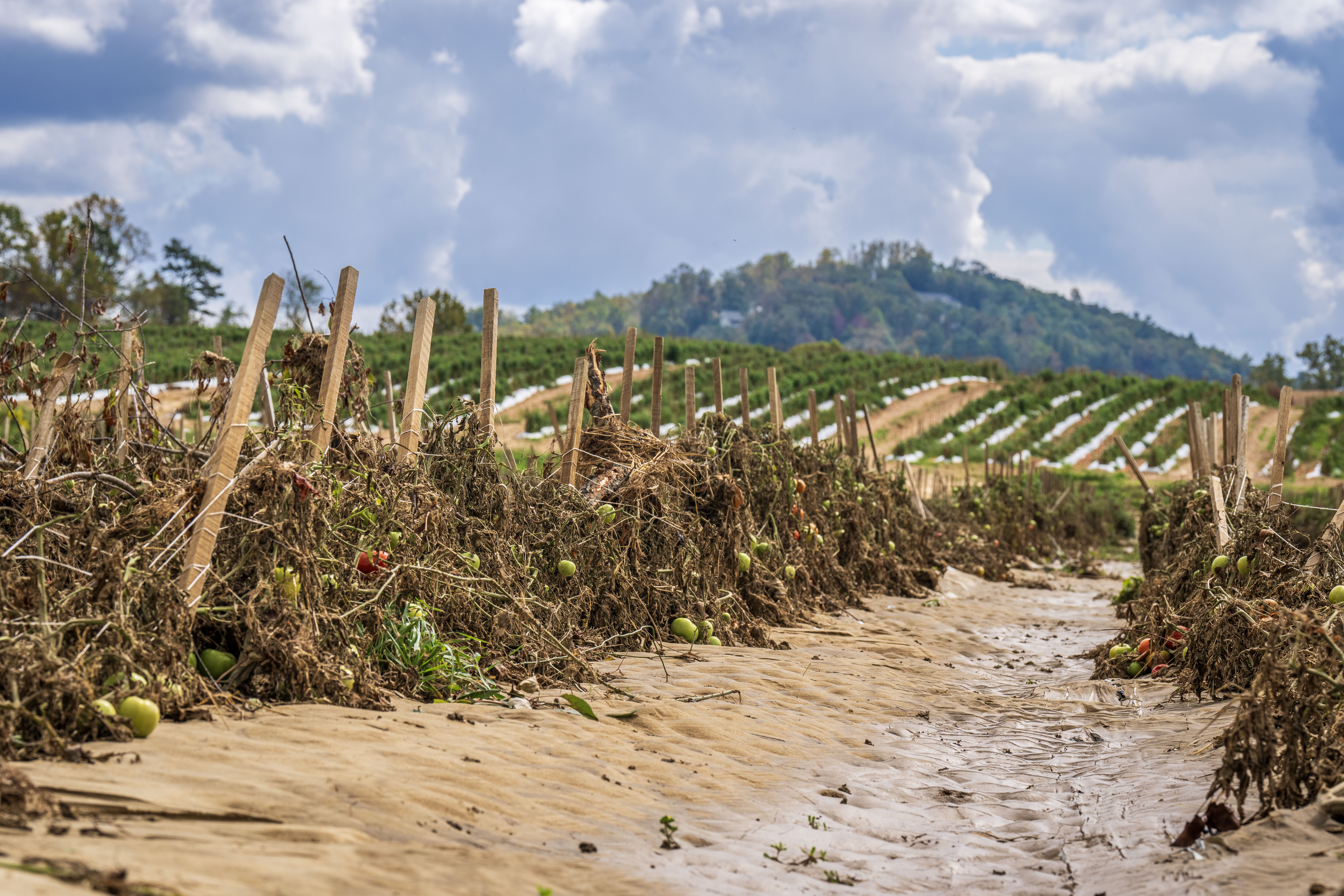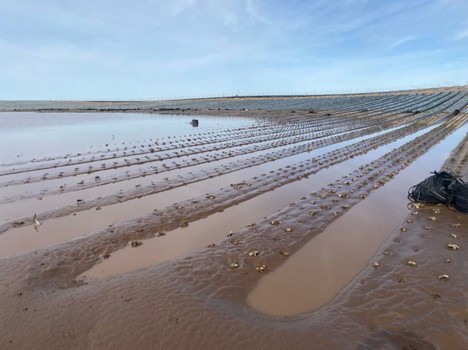
Across the world, the intensity and frequency of flooding events has escalated. In the last few months alone, record-breaking floods have pummeled New Jersey and New York, Libya, and Greece, killing thousands of people and causing widespread damage to infrastructure, farmland, and livestock. This, in turn, puts pressure on agriculture, which can drive food insecurity.
Compared to the visible devastation caused by flooding, the impact on soil is subtler but no less important. Floods can harm soil biology and health, as well as the beneficial microorganisms and larger organisms like insect larvae, nematodes, springtails, and earthworms that live in the soil and perform fundamental functions such as breaking down crop residues, recycling nutrients, stimulating plant growth, and fending off stressors, including insects. Damage to this symbiotic ecosystem has far-reaching implications for crop production.
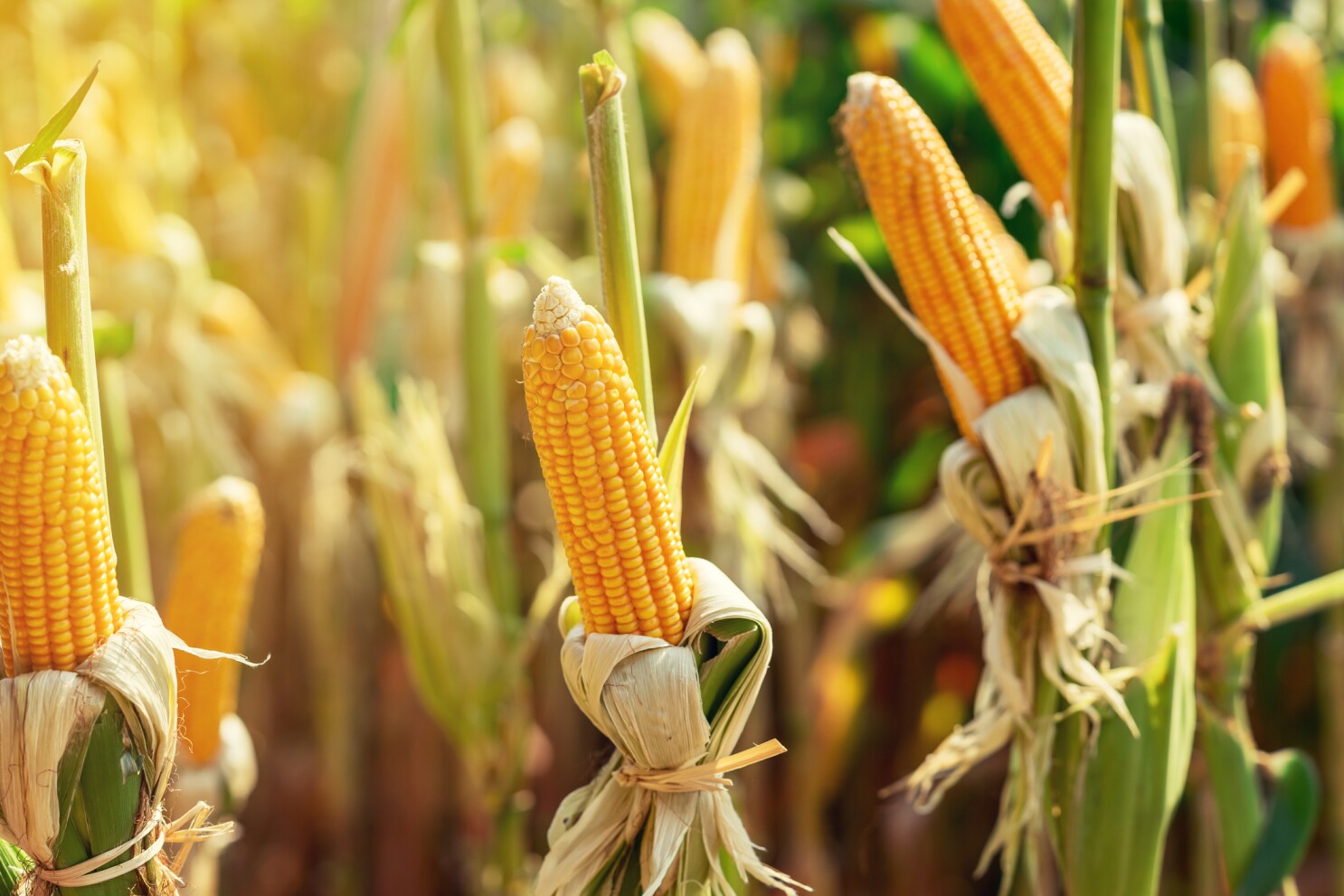
New research from my lab at the University of Illinois, which is investigating the impact of flooding on soil-microbial communities and agricultural staples such as maize and tomatoes, and from other scholars, shows that extreme wet conditions can cause severe crop losses, including from reduced plant growth and unplanted farmland.
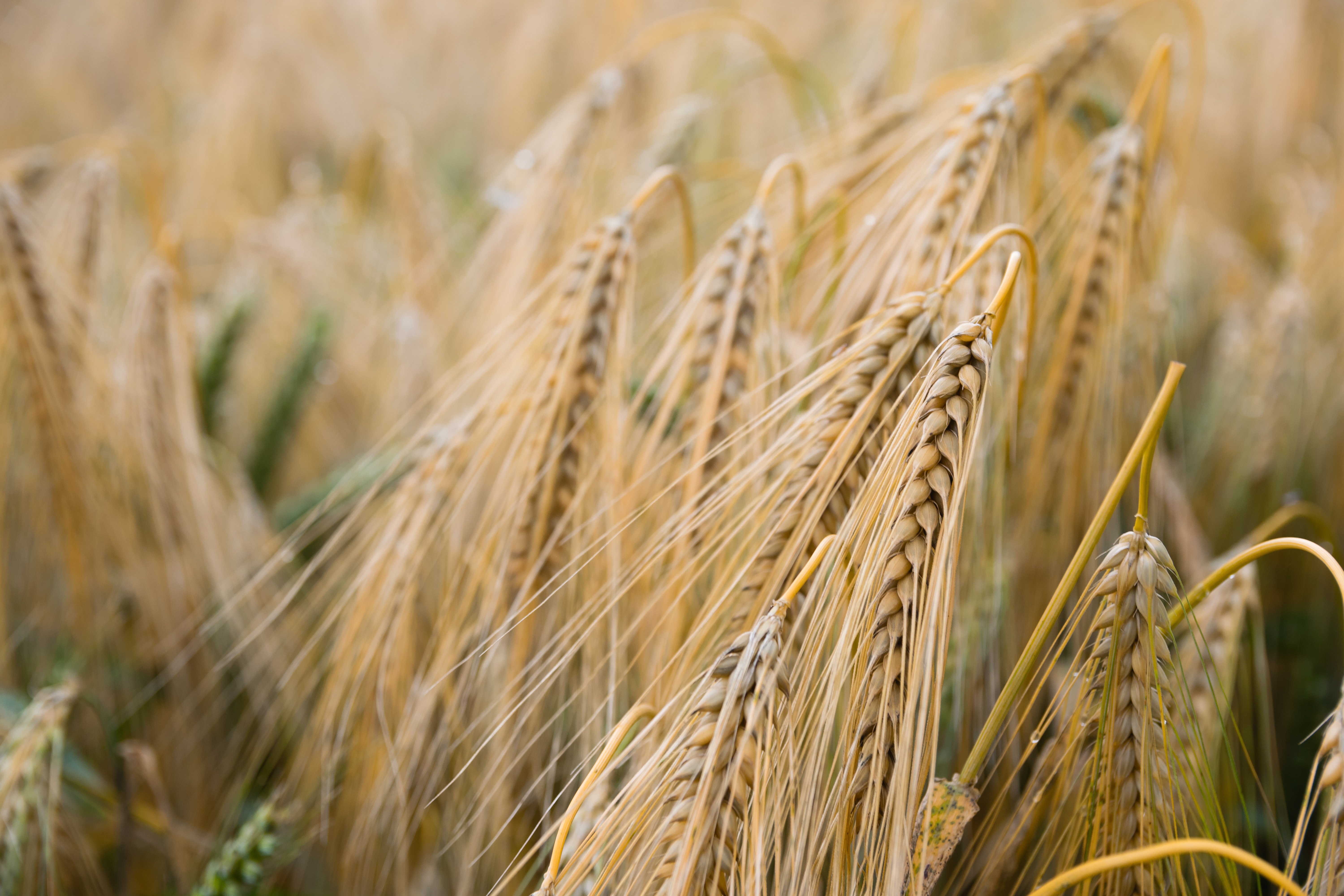
Despite being relatively limited so far, research has also demonstrated that flooding can negatively affect soil functioning and soil-microbial communities. One experiment using spring wheat found that floods depleted beneficial microbes and increased those that were detrimental to plants. Another experiment showed that these extreme events reduced microbial biomass and soil-fungi content.
Moreover, once the water recedes, surviving microbes are left with a fundamentally different habitat; depending on the conditions, they can bounce back quickly or die off slowly. Without a healthy and functional soil microbiome, nutrients are not recycled, and plants are weakened, paving the way for invaders – such as insects and pathogens – to attack.
This is bad for plants, but also for humans. Healthy soils are the basis for healthy food production: we depend on them to grow crops that have high nutritional value. Research on different farming methods has highlighted the important – and often underappreciated – role that soil health plays in determining the nutrient density of foods grown. This implies that we need more research aimed at understanding the impact of flooding on crops that are relevant for food security, including research on how floods affect soil biology, quality, and health, including the consequences for beneficial soil microbes.
More importantly, researchers must work to identify the interventions that, in the wake of a flood, can help support plant health, restore soil fertility, and facilitate the recovery of soil-dwelling microorganisms and larger organisms. For example, applying nitrogen fertilizer immediately after flooding has been proposed as one of the mitigation strategies that could nurse water-logged plants back to life.
Unfortunately, soil-dwelling microbes and larger organisms may take longer than actively growing plants to recover. Their rehabilitation could last anywhere from a year to multiple years, depending on several factors, including the duration and severity of the flooding, and the soil’s condition prior to the extreme wet conditions. Making use of cover crops is among the recommended measures to restore these organisms.
Modeling studies, which could help determine where future flooding events may occur and how long they may last, should complement these research efforts. It is not feasible to conduct experiments in all environmental conditions, some of which have yet to be created. Flood modeling is thus a crucial tool for testing hypotheses and analyzing various scenarios, especially regarding soil quality, microbial communities, and plant health.
Data from research initiatives and modeling studies should be widely disseminated and communicated with governments and humanitarian agencies. That way, policymakers and civil-society leaders can formulate strategies and interventions to prevent flood-induced soil degradation.
Countries around the world must connect the dots between flooding, soil quality, plant health, and food insecurity. Only when we care for the invisible world of microscopic life that underpins our agriculture can we create a comprehensive preparedness strategy and design science-backed interventions to minimize flooding’s harmful impact on crop production. As extreme weather events become more common and more intense, it is time to stop treating our soil like dirt.
Source - https://www.project-syndicate.org