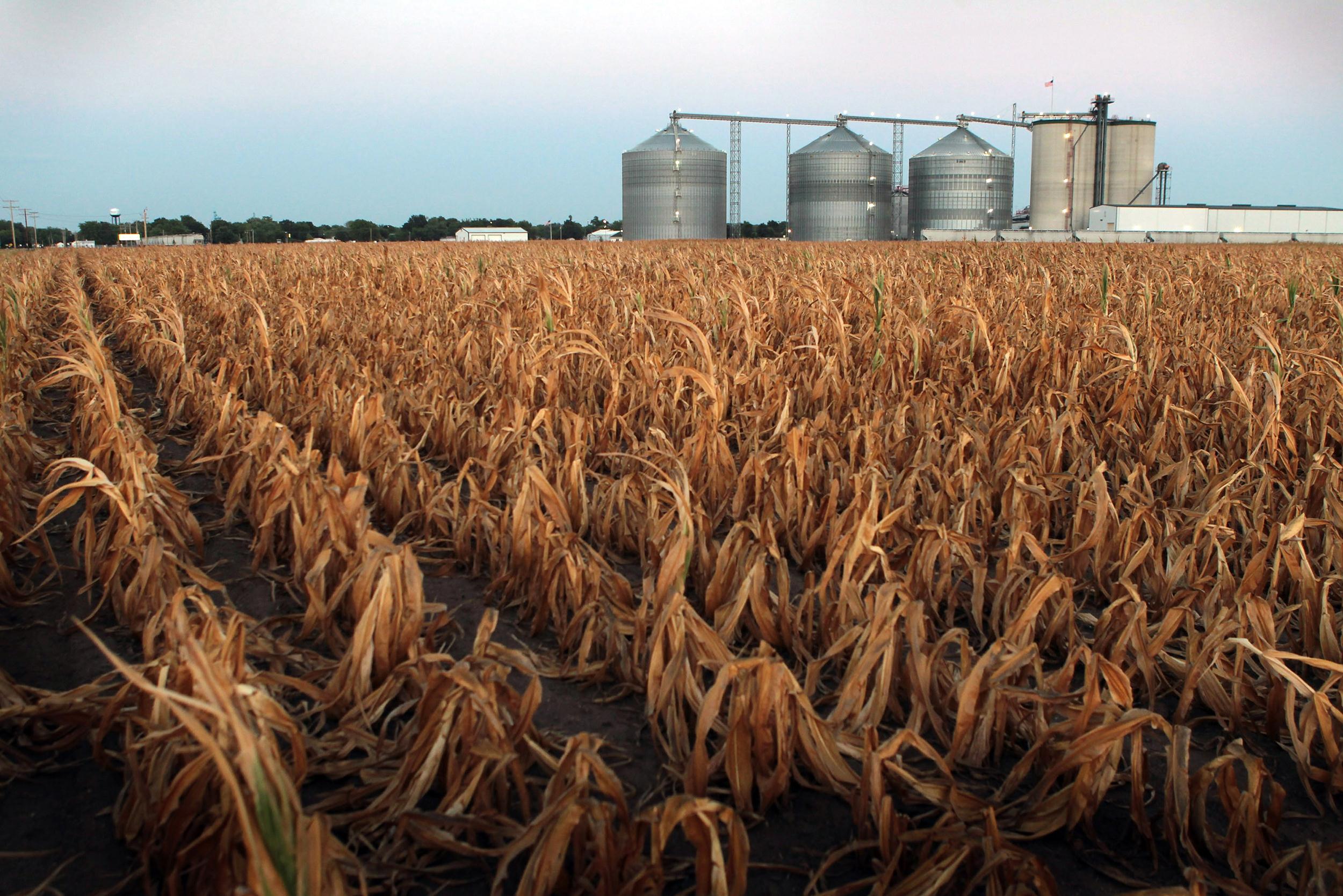
A devastating mix of drought, freezes and extreme weather has crippled Nebraska's wheat crop, pushing farmers toward insurance claims and herd reductions.
Nebraska's winter wheat crop has suffered catastrophic losses in 2026 after months of drought, extreme temperature swings, dry air and damaging May freezes. The crisis, which intensified throughout the spring and remains severe as of May 21, is forcing farmers to consider crop insurance claims, abandon fields and reduce cattle herds, creating significant economic consequences for one of America's key agricultural states.
What Nebraska State Climatologist Eric Hunt calls a "series of catastrophes" has left much of western Nebraska facing one of its worst agricultural seasons in recent memory. While recent rainfall brought some relief to central and eastern parts of the state, many wheat fields and grazing lands in western Nebraska have already sustained irreversible damage.
A Crop Collapse Months in the Making
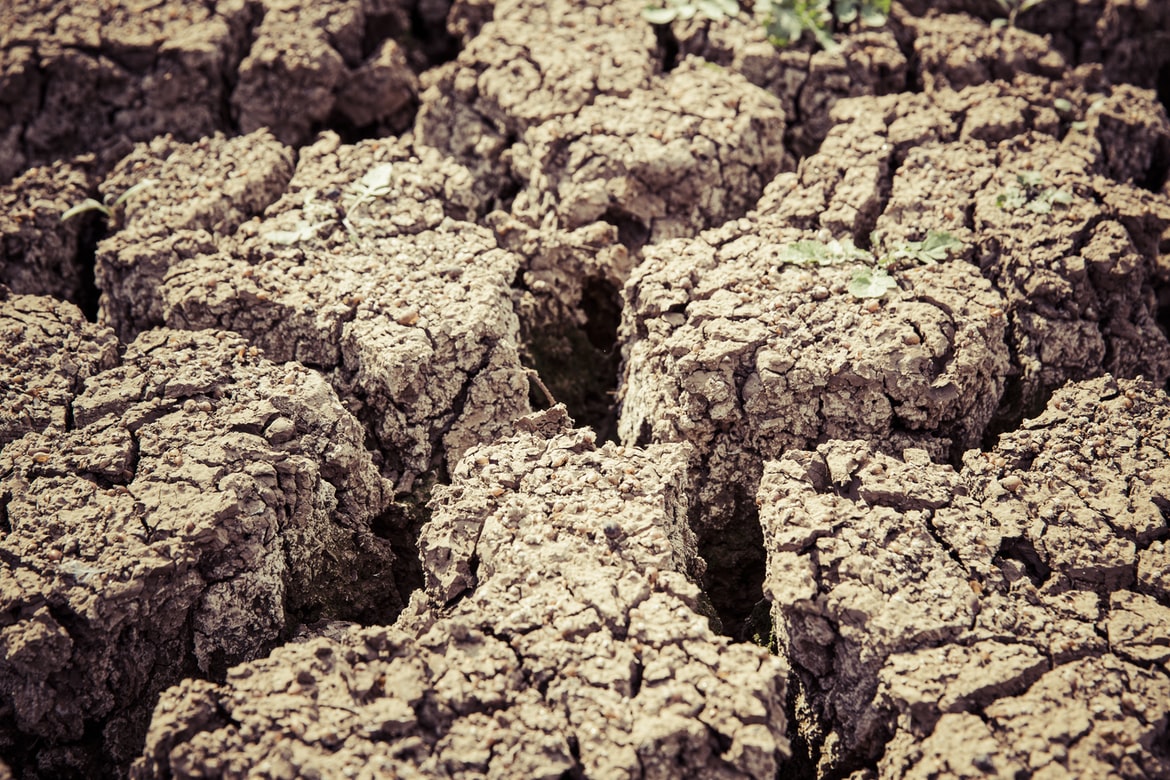
The problems began during a historically dry winter. According to the Nebraska State Climate Office, the state experienced its second-warmest and fourth-driest winter on record, leaving soil moisture levels critically low heading into spring.
Conditions worsened as unusually warm temperatures combined with extremely low humidity, accelerating moisture loss across wheat-producing regions. Then came a series of freezing events in mid-May that struck crops during sensitive growth stages.
One of the most damaging weather events involved dew point temperatures dropping below zero, intensifying plant stress and further reducing yield potential.
The impact has been dramatic. Earlier this month, Nebraska's winter wheat production was forecast at 16.2 million bushels, a staggering 57% decline from 2025 levels.
USDA's Crop Progress Report released May 18 reflected the severity of the damage:
- 42% Very Poor
- 42% Poor
- 12% Fair
- 4% Good
- 0% Excellent
According to Hunt, much of the crop had already failed before the latest rains arrived.
"The winter wheat crop was basically done already by last week," he said.
More Than 80% of Nebraska Pastures Rated Poor as Ranchers Face Tough Choices
While wheat fields are suffering, the drought's impact on livestock operations may prove equally significant.
Recent rainfall improved conditions across eastern Nebraska, and some areas have even received excessive moisture. Parts of central Nebraska also benefited from late-season precipitation.
However, western Nebraska remains firmly at the center of the drought crisis.
Many growers are now expected to rely on prevented planting provisions under crop insurance programs, which compensate producers when weather conditions make planting impossible or economically unviable. Some farmers may replace failed wheat acres with cover crops that can be harvested or grazed as emergency forage.
The condition of Nebraska's pastureland highlights the scale of the challenge facing livestock producers.
According to USDA data released May 18:
- 46% of pasture and range land is rated Very Poor
- 37% is rated Poor
- 13% is rated Fair
- 4% is rated Good
- 0% is rated Excellent
That means more than 83% of Nebraska's grazing land is currently classified as poor or very poor, an extraordinarily high figure for late May.
Hunt described the situation as the most severe pasture stress he has witnessed this early in the growing season.
"It's the epicenter of the drought in the country in terms of impacts on ranges," he said.
As grass production declines, ranchers are increasingly considering herd reductions. Many cattle producers depend on spring forage growth to support grazing operations, but available feed supplies remain well below normal levels.
"People are starting to sell off cattle because they don't have the grass feed," Hunt explained.
The situation is especially concerning in Nebraska's Sandhills region, where approximately 60% to 70% of annual forage production comes from warm-season grasses that have received insufficient moisture this year.
Drought Monitor Reveals Extreme Conditions
The latest U.S. Drought Monitor released on May 21 underscores the severity of conditions across Nebraska:
- 53.86% Extreme Drought (D3)
- 17.25% Severe Drought (D2)
- 10.90% Moderate Drought (D1)
- 8.26% Exceptional Drought (D4)
- 4.82% Abnormally Dry (D0)
Agronomists warn that even wheat fields that currently appear healthy may ultimately produce disappointing yields due to freeze injury, drought stress and poor grain development.
Additional production risks are emerging as well. Southwest Nebraska and the Panhandle region are reporting activity from wheat stem sawfly, while alfalfa producers continue monitoring fields for weevil infestations and freeze-related damage.
Extension specialists recommend frequent scouting to identify pest pressure and lodging issues before harvest.
Looking ahead, climatologists expect El Niño conditions to emerge during the summer and strengthen into the fall, a weather pattern often associated with increased precipitation across parts of the central United States.
Additional rainfall could improve prospects for corn and soybean crops, support pasture recovery and reduce irrigation demands. However, experts caution that the expected moisture may not be sufficient to fully reverse years of accumulated drought impacts.
"The prognosis is that we will be in El Niño all summer and probably through at least part of 2027," Hunt said. "I don't feel confident enough yet to say it will be wet enough to make really significant improvements in the drought situation."
The collapse of Nebraska's winter wheat crop highlights the growing economic vulnerability facing U.S. agriculture as weather volatility intensifies.
Lower wheat production, shrinking forage supplies, rising feed costs and herd liquidations could affect commodity markets, local agribusinesses and farm profitability throughout 2026. Crop insurance programs may soften some losses, but many producers are already facing difficult decisions that will shape their operations for years to come.
For Nebraska farmers and ranchers, the coming months will depend heavily on summer rainfall, forage recovery and the ability to adapt to one of the most damaging drought episodes the state has experienced in decades.
Source - https://www.agrolatam.com