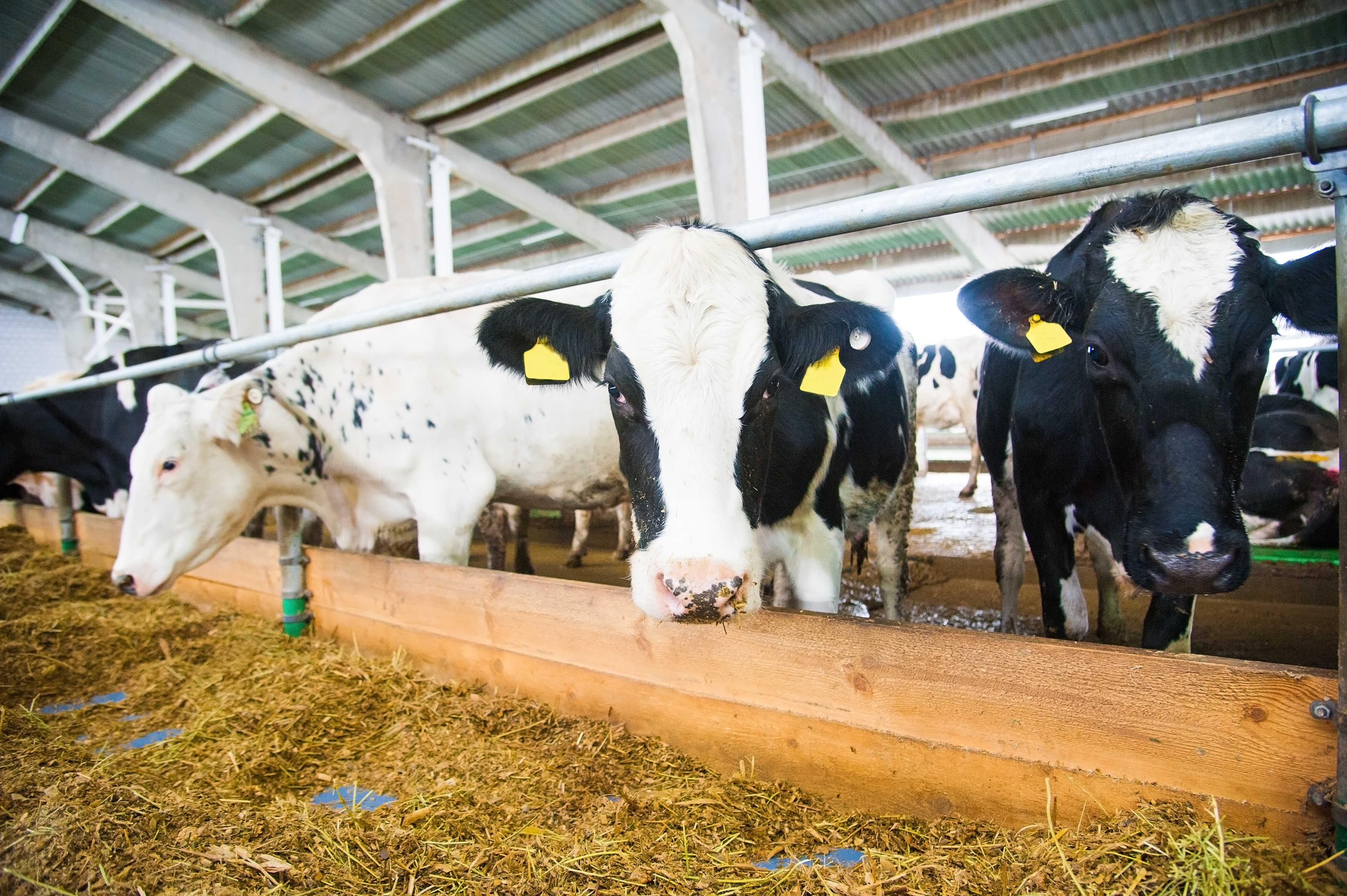
New legislation introduced in Congress aims to give cattle producers additional tools to manage financial risk as the U.S. begins to rebuild its cattle herd, which remains at its lowest level in decades.
The More Beef, Lower Prices Act would expand eligibility for the U.S. Department of Agriculture’s Livestock Risk Protection (LRP) program to include bred cattle, replacement heifers and cull cattle beginning in crop year 2027.
The bill was introduced by Congressman Gabe Evans of Colorado and is supported by the National Cattlemen’s Beef Association.
According to USDA figures cited in the legislation’s announcement, the United States had 86.2 million cattle and calves as of January 1, 2026, the lowest inventory in 75 years.
Rebuilding the cow numbers requires significant upfront investment and years of planning on the part of ranchers. Producers must decide whether to retain heifers for breeding rather than sell them, accepting the costs and financial risks today in hopes of increasing future calf production.
The proposed legislation would expand access to risk-management tools intended to help producers manage those investments.
“Instead of becoming dependent on foreign beef, we should be giving American ranchers better tools to raise more cattle right here at home,” Evans said in announcing the bill.
Expanding Risk Management Options
USDA’s Livestock Risk Protection program allows livestock producers to manage the risk of declining market prices. The proposed legislation would amend the Federal Crop Insurance Act to expressly include bred cattle, replacement heifers and cull cattle under the program’s livestock pilot framework.
Supporters say expanding those protections could give producers greater confidence to make long-term breeding and herd-management decisions.
The proposal follows other federal efforts to encourage herd rebuilding. In August, U.S. Secretary of Agriculture Brooke Rollins announced USDA’s Ranchers First Initiative, which includes a Beef Retention and National Development (BRAND) endorsement for LRP. That endorsement is designed to help producers manage financial risk when retaining heifers for breeding rather than marketing them.
The More Beef, Lower Prices Act would build on that approach by expanding the categories of cattle expressly covered under federal livestock risk-management policy.
Addressing Beef Supply and Prices
The legislation comes as the U.S. cattle industry faces the challenge of rebuilding domestic supplies while consumers continue to contend with high beef prices.
A smaller cattle herd can contribute to market volatility and limit the industry’s ability to respond quickly to demand. Increasing cattle numbers, however, takes time because retained heifers must mature and produce calves before their impact on beef supplies is fully realized.
Supporters of the bill argue that helping producers manage the financial risks of herd expansion could encourage investment in domestic cattle production and support a more stable long-term beef supply.
The legislation is intended to strengthen risk-management options for producers, support domestic herd rebuilding and address supply constraints through increased U.S. production.
Source - https://www.northernag.net