Dozens of New York counties have been designated as a primary disaster area by the U. S. Department of Agriculture after a May freeze impacted grape growers, federal officials said.
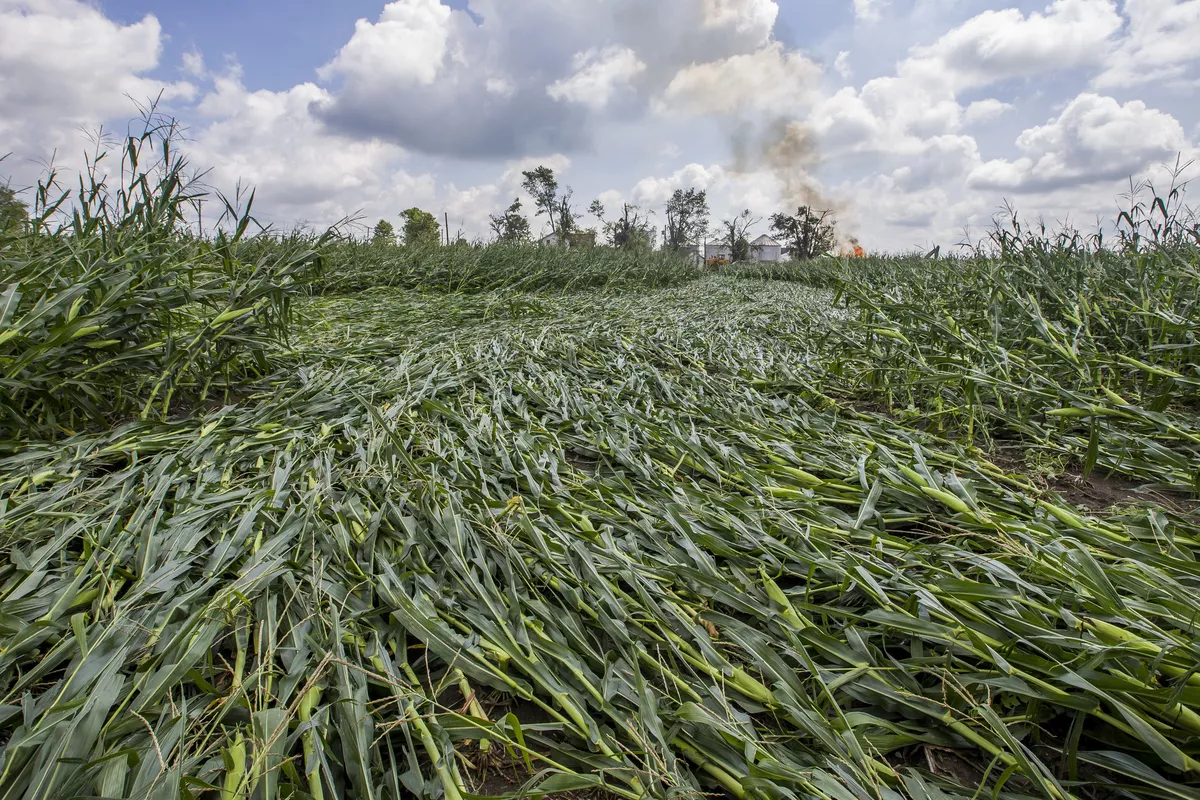
Unseasonably low temperatures between May 15 and 25 resulted in frost damage to a variety of crops such as grapes, apples, peaches and berries in the Southern Tier, Finger Lakes, Hudson Valley, Central New York and the Capital Region, according to the New York Department of Agriculture and Markets and Cornell Cooperative Extension Disaster Education Network.
Farmers whose grapes were impacted by the frost event in the affected 31 counties could be eligible for emergency loans from the USDA Farm Service Agency through this disaster designation.
New York Commissioner of Agriculture Richard Ball visited farms after the frost to assess the damage.
“Many of them hadn't seen frost conditions that late in the season in decades. We have been working with many partners since May to put together our request for a disaster designation and to secure the assistance needed to help our growers overcome this challenging time,” Ball said in a Friday news release.
New York has more than 450 wineries, making the state the third largest grape and wine producer in the country and generating a $6.65 billion economic impact, according to the New York Wine and Grape Foundation.
The New York State Department of Agriculture and Markets has issued a crop loss declaration based on a report from Cornell University’s Finger Lakes Grape Program for wineries designated as farm wineries to keep their license and continue wine production despite the crop loss.
Farm wineries are required to use 75% New York state grown grapes or other ingredients in their wine. The crop loss declaration will temporarily allow them to source grapes from out of state through Dec. 31, 2023.
“This latest freeze event left our grape growers and farm wineries struggling with the potential of not having enough New York-grown grapes to maintain their farm winery license and thereby maintain their markets,” Ball said in a press release.
Hans Walter-Peterson, a viticulture extension specialist with Cornell Cooperative Extension, said he conducted a survey last week to see the extent of damage to vineyards.
“We got quite a bit of data from that and basically looked at the losses that the vineyards reported back to use then combined that with data that we have as far as acreage of different varieties in the region to come up with our recommendation,” Walter-Peterson said in an interview.
His guidance said that more than 40% of Gewürztraminer grapes, a variety used in white wine, were destroyed in the 2023 freeze.
The variety was also hit hard by last year’s winter, Walter-Peterson said.
“In early 2022, the Gewürztraminer got hit kind of hard, so this is the second year where between some of the vines still recovering from last year plus this freeze event, the compounding of those two things I think are playing a role in that,” he said.
The New York State Liquor Authority, which licenses farm wineries, applauds the crop loss declaration.
“By their nature, farming and wine production are subject to the vagaries of the weather, and New York is committed to taking any actions available so they don’t have to carry the burden of natural crop disasters on their shoulders,” State Liquor Authority Chair Lily Fan said in a news release.
In addition to farm wineries, the state Department of Agriculture and Markets is looking into frost damage and crop loss for farm cideries.
While some of the crop was lost this year, Walter-Peterson said next year he is hopeful they will come back with little to no damage.
“There would be minimal damage, if any,” he said. “There’s no reason to think that we’re going to see any kind of impact as far as vine health going into next season.”
Source - https://spectrumlocalnews.com