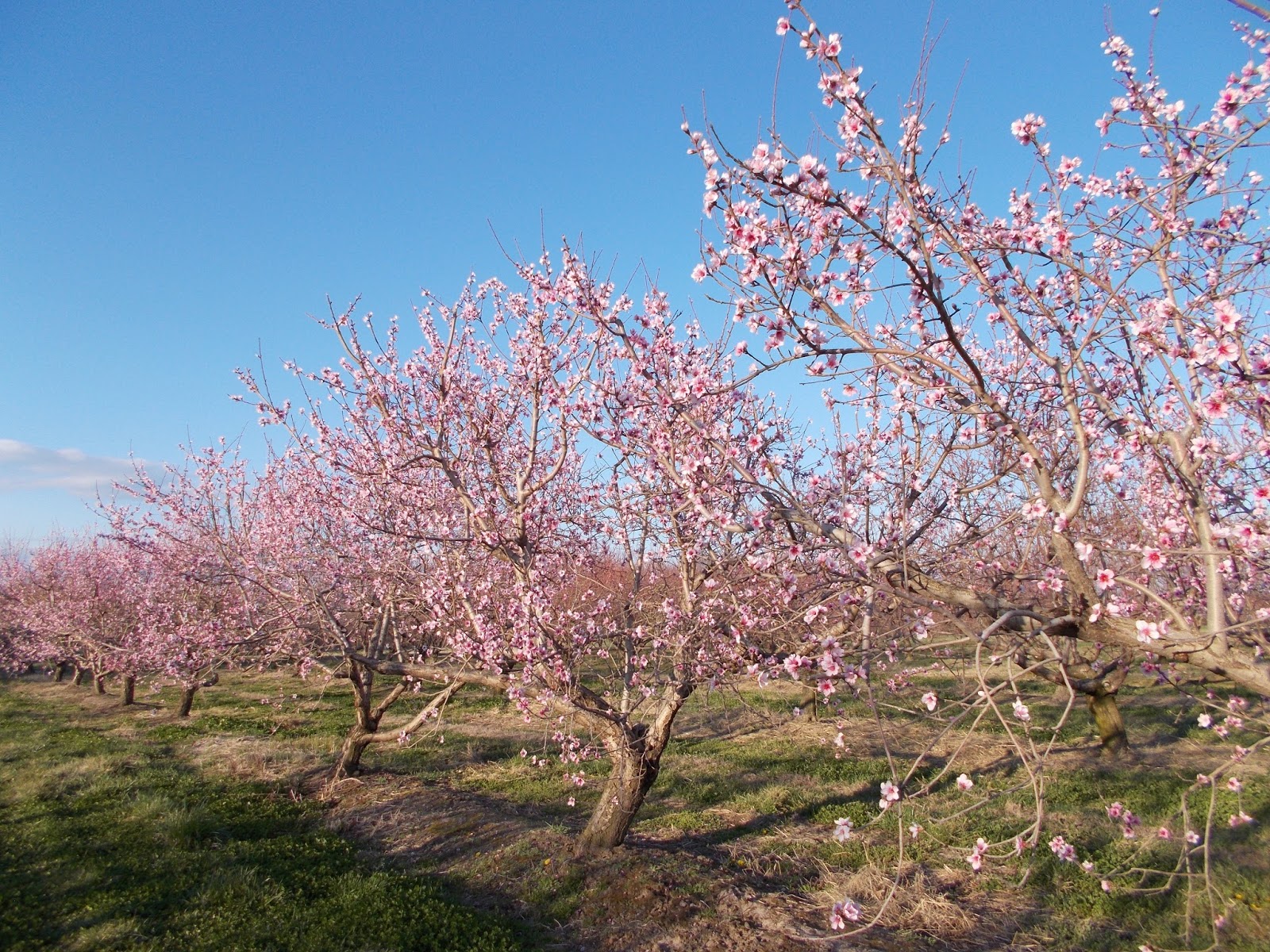
North Carolina peach growers are on freeze-watch until the end of April. “We’re about 20 days ahead this year compared to last year which was quite a normal year. So we’re pretty much on the backside of the blooms now--the ground is warm and there’ve been some warm rains so there’s no stopping them,” says Ken Chappell of Chappell Peaches in Eagle Springs, North Carolina.
However, an early bloom isn’t exactly what North Carolina peach growers are looking for. “We like a late bloom because we have a risk until mid-April of a freeze,” says Chappell, noting peaches generally start harvest mid-May and will go until mid-September. “We’re in a bit of a precarious situation right now. With the early bloom, peaches can stand a lot of freezing in bloom. However once we get past bloom and start forming a little peach, anything below freezing could be detrimental to the crop.”
The early bloom follows warmer weather in early February which pushed temperatures into the 80s Fahrenheit. However, the good news is that the weather outlook for the region puts the lowest temperatures in the mid-30s.
Southern Carolina production
Southern Carolina looks to be in the same shape. “They also have an early bloom though they’re about two weeks ahead of us up here. It wouldn’t surprise me if everything goes alright if they start picking peaches in late April,” says Chappell.
At the same time, demand has been strong for North Carolina peaches historically and that will likely be the same this year. “There used to be a lot more growers and it was more of a buyer’s market but now it’s more of a seller’s market. We can get a pretty decent price for our crop and people are willing to pay it. Through COVID and into last year, we raised our price around 15 percent,” Chappell says.
However as many growers across the country are experiencing, he too has labor challenges and uses local labor for the most part. “We’re setting up for more automation in peaches. We’re working with a chemical thinner right now to thin peaches because thinning is one of the most expensive parts of our labor. If peaches have a full crop, there’s about 90 percent too many peaches,” Chappell says. “Hopefully in the next few years, we can find a way to cut our labor costs.”
Source - https://www.freshplaza.com