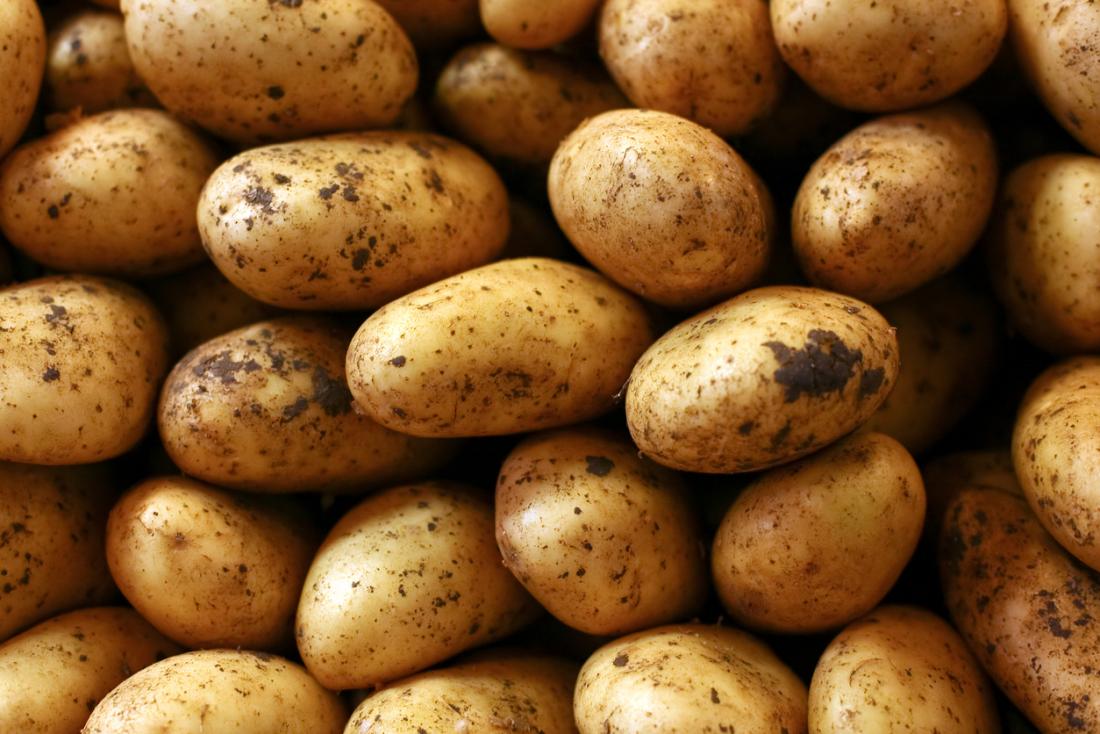
Potato breeding research is examining how tuber characteristics influence damage during harvesting, storage, grading, and packing. The objective is to increase marketable yields while maintaining crop quality and meeting market specifications.
Research published in Crop Science in 2020 demonstrated methods for measuring skinning and skin colour following mechanical harvesting and grading. USDA research also found that wound-healing capacity declines during storage, highlighting the need to assess handling performance at different stages.
A 2023 genomic study identified potential genetic mechanisms associated with bruise resistance, although further validation is required. Research published in 2024 also examined tuber shape, size, and specific gravity, providing data for selection based on market requirements.
More recent studies have investigated early detection of blackspot bruising, spectroscopy for identifying internal defects, and three-dimensional imaging for measuring tuber volume during harvesting.
Researchers emphasize that breeding selections must be evaluated under commercial handling conditions. Assessments should account for skin damage, internal bruising, size distribution, equipment compatibility, and postharvest losses.
The main performance measure is acceptable marketable output after handling and grading, rather than field yield alone.
Source - https://www.freshplaza.com