Louisiana’s abrupt transition this year from one of the wettest states to one of the driest has had crippling repercussions for its farms and forests.
The state’s agricultural and timber industries have suffered nearly $1.7 billion in losses from the long-running drought and recent bouts of record high temperatures, according to a new report from Louisiana State University researchers.
“Unlike other natural disasters Louisiana’s had – and we’ve had our fair share – this really encompasses the whole state,” said Kurt Guidry, an LSU AgCenter economist and one of the report’s authors. “There’s not a commodity or location that didn’t have to deal with drought conditions and excessive heat.”
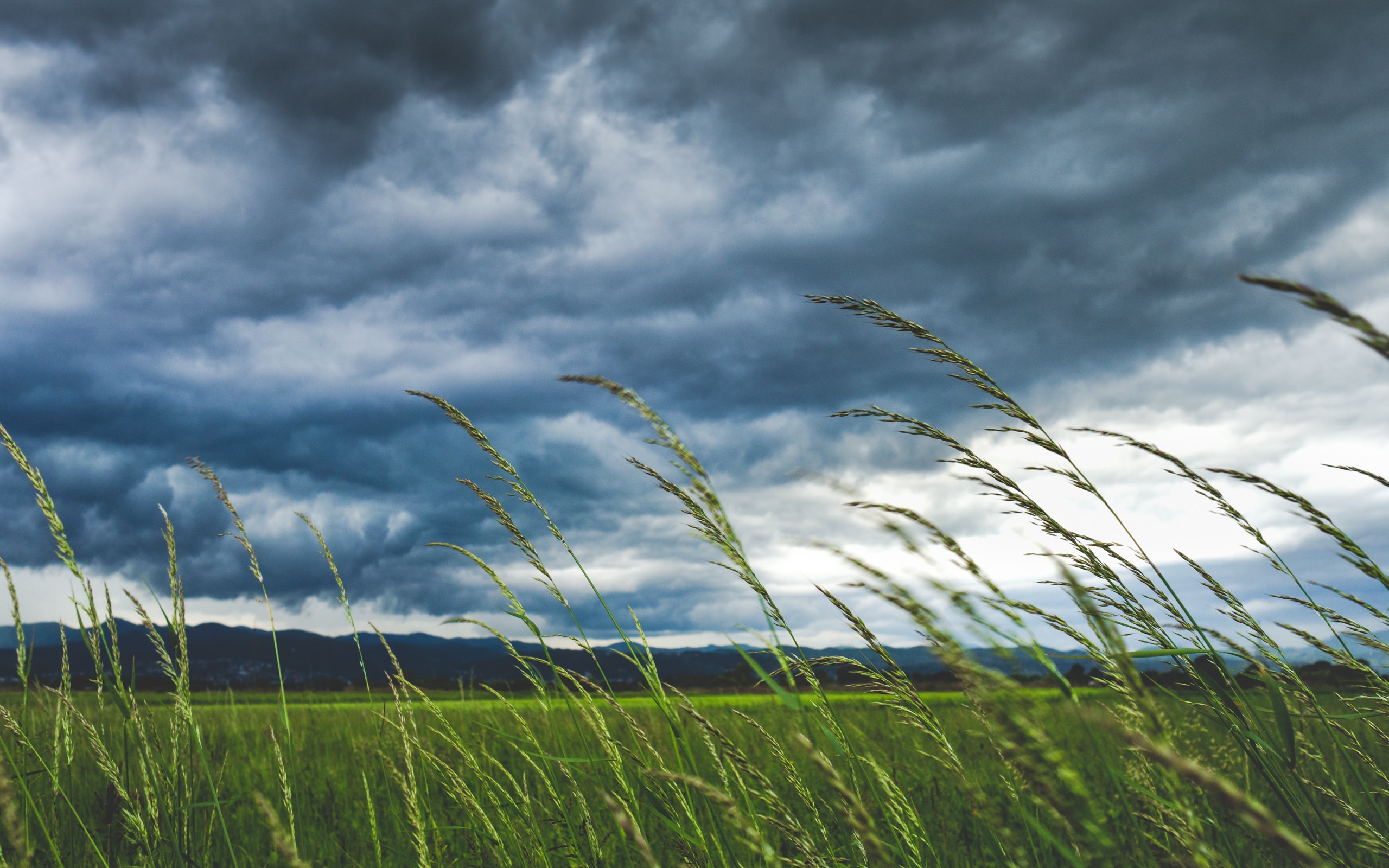
The losses amount to about a third of the annual economic production of the Louisiana ag and forestry sectors. And the bloodletting isn’t over. The drought, which began in May and persists today, now affects a whopping 99% of the state. About two-thirds of Louisiana is suffering “exceptional drought," the highest level on the U.S. Drought Monitor’s scale. A look at the monitor’s map shows Louisiana covered in dark red while other states have scattered blotches of yellow and orange – marks of milder drought conditions.
Total rainfall in Louisiana between May and October was down nearly 44% from the four-year average while temperatures were up by 3 degrees, according to the report.
“It’s a seriously dry situation here,” said Guidry, who’s been monitoring agricultural conditions in Louisiana for 24 years. “This is the biggest drought I’ve seen. There was another big one in 2000, but it probably had half the impact.”
Hot, dry summers might become the new normal. Louisiana will grow warmer as rainfall patterns change, producing more heavy downpours and longer, harsher dry spells, according to federal climate predictions.
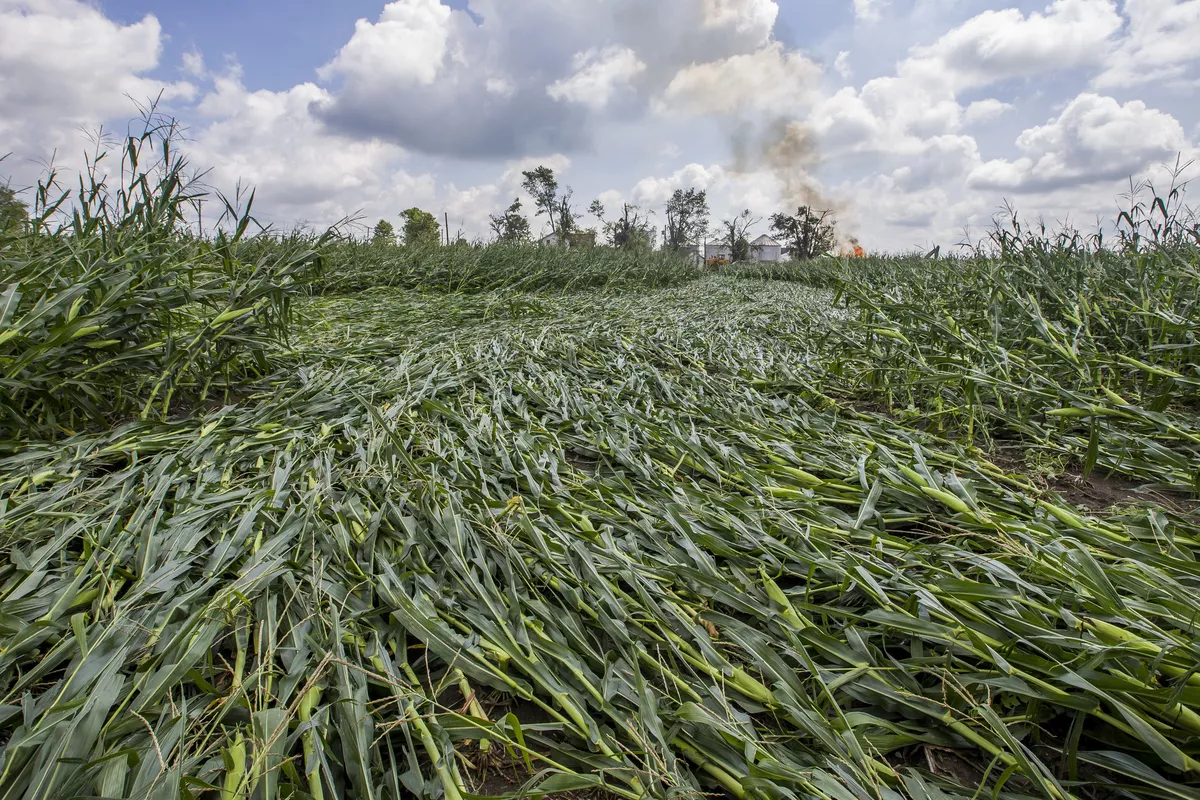
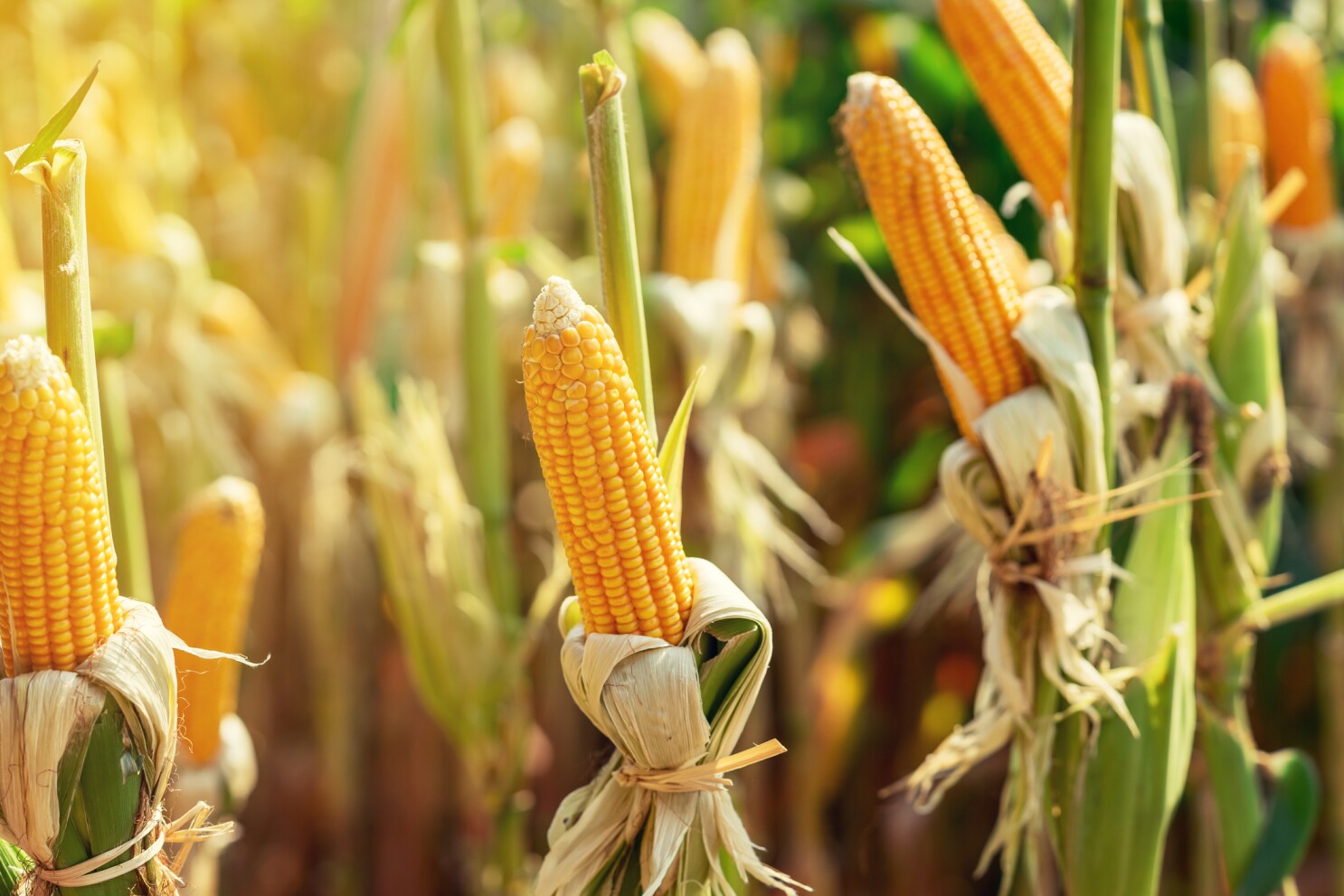
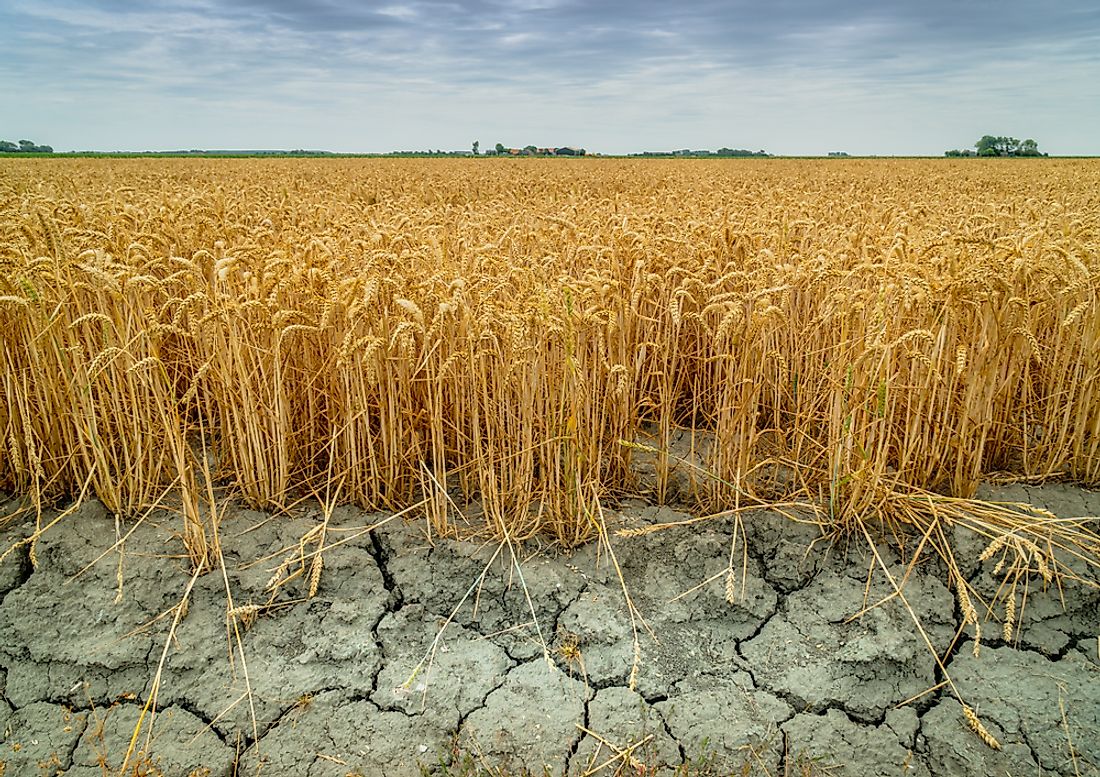
Half the year’s total agricultural damage, worth about $837 million, occurred on farms where crops either grew poorly or died. Having to irrigate more often added to the economic impact. Soybean farmers were the hardest hit, suffering more than $322 million in losses, followed by sugar cane growers, who lost about $274 million, the report said.
Sugar cane grower Chad Hanks’ yield was cut in half this year.
“Some acres we’re not even going to harvest,” said Hanks, who grows cane west of Lafayette. “We’re talking two-foot cane. All brown. It really, really suffered. We just could not buy rain.”
In an ironic and painful twist, cane prices are way up. Hanks could make a killing if he had a healthy cane crop.
“The prices are at a historic high, which is pretty great – but not so great if you’ve got nothing to sell,” he said.
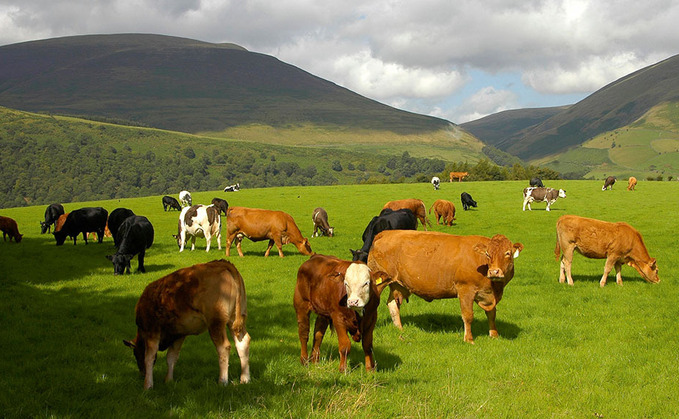
Livestock losses topped $389 million. Low weights for a range of animals and a lack of production for dairy cows accounted for a large share of the losses, but the number of drought-related deaths were also high, with cattle ranchers losing nearly 3,000 head and poultry farmers losing 120,000 chickens.
Losses for the crawfish industry were estimated at $140 million. The industry was ramping up harvests when the report was completed, so the drought’s full impact wasn’t known.
Crawfish were affected by dry, hot weather as well as the salty water that crept into waterways when their flows dwindled over the summer.
Hanks, who also raises crawfish in Vermillion Parish, couldn’t flood large swaths of his land because the water from nearby canals was laden with salt.
“You don’t see too many crawfish farms on the beach, but that’s how high the salinity levels were,” he said.
Louisiana timber harvests were hit by drought and one of its byproducts: wildfire. One of the worst wildfire seasons in more than a century charred about 60,000 acres and destroyed more than $71 million of timber. The forestry sector, which includes pulp and sawtimber, had losses of $325 million, thanks also to low growth rates and widespread seedling die-offs.
LSU based its damage estimates on reports from AgCenter agents and data reviewed and summarized by commodity production specialists.
Guidry stressed that the report couldn’t capture the ongoing drought’s full impact, nor could it estimate the long-term impacts on plant growth for multi-season crops like sugar cane and timber.
Sugar cane and soybean farmer Patrick Frischhertz of Iberville Parish fared better than most growers, benefiting from a few localized rain showers that pulled him from the brink. He’d like to say he learned something this year to guard against future dry spells, but he sees no lessons from the current drought.
“All of this, it’s incredibly difficult to plan for,” he said. “Last year was exceedingly wet and then we go to another extreme with our biggest drought in a hundred years. You just have to roll with the punches.”
Source - https://www.nola.com