Jason Franklin gets no days off during the farming season — even when temperatures soar into the triple digits.
His family’s 2,500-acre farm sits in Crowville, Louisiana, a small, rural community of just under 4,000 people. One of Franklin’s main jobs is serving as an etymologist, or a “scout,” as he calls it. At least once a week, he walks the length of the fields, checking every row, looking for insect damage that could ruin the crop. It’s a critical job that must be done — no matter what.
“Kind of like a mail person,” Jason said. “No matter if it’s raining, hot, or whatever.”
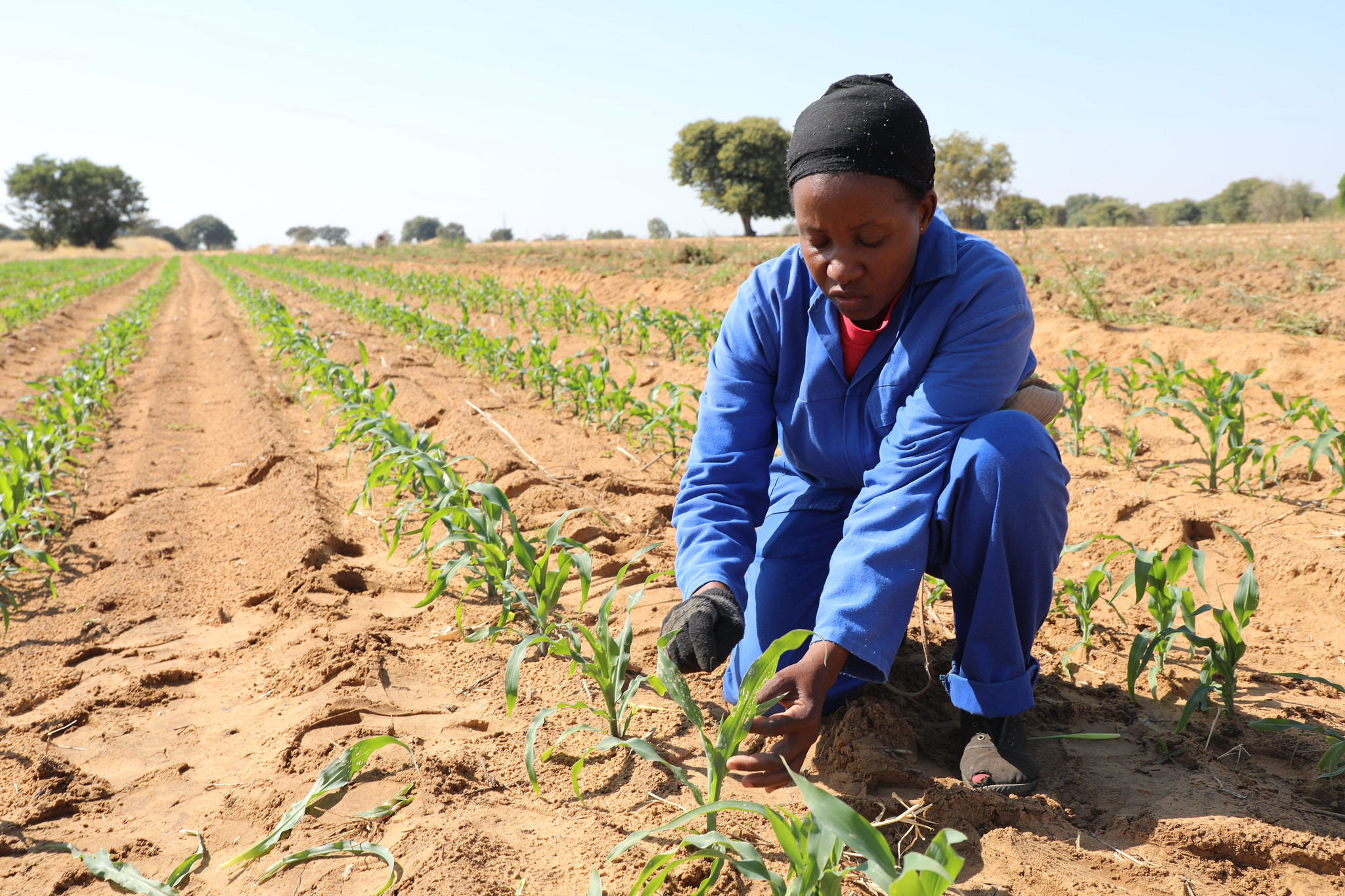
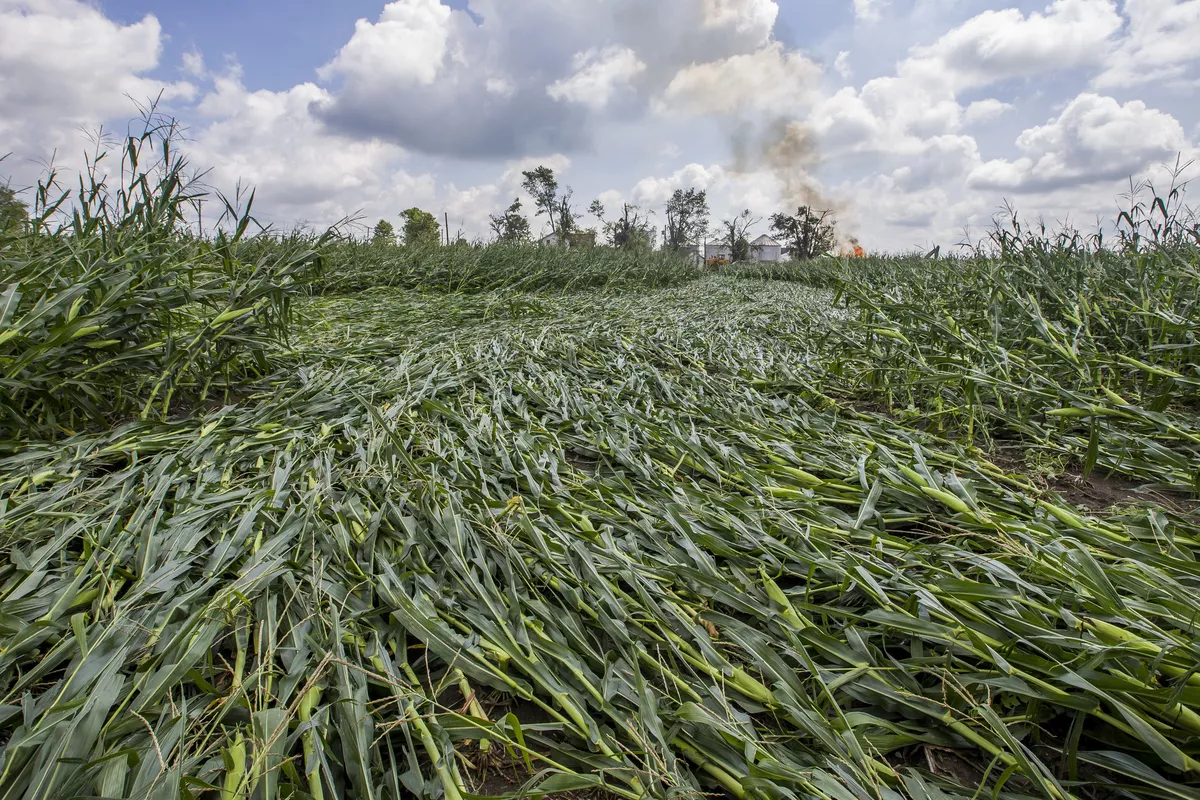
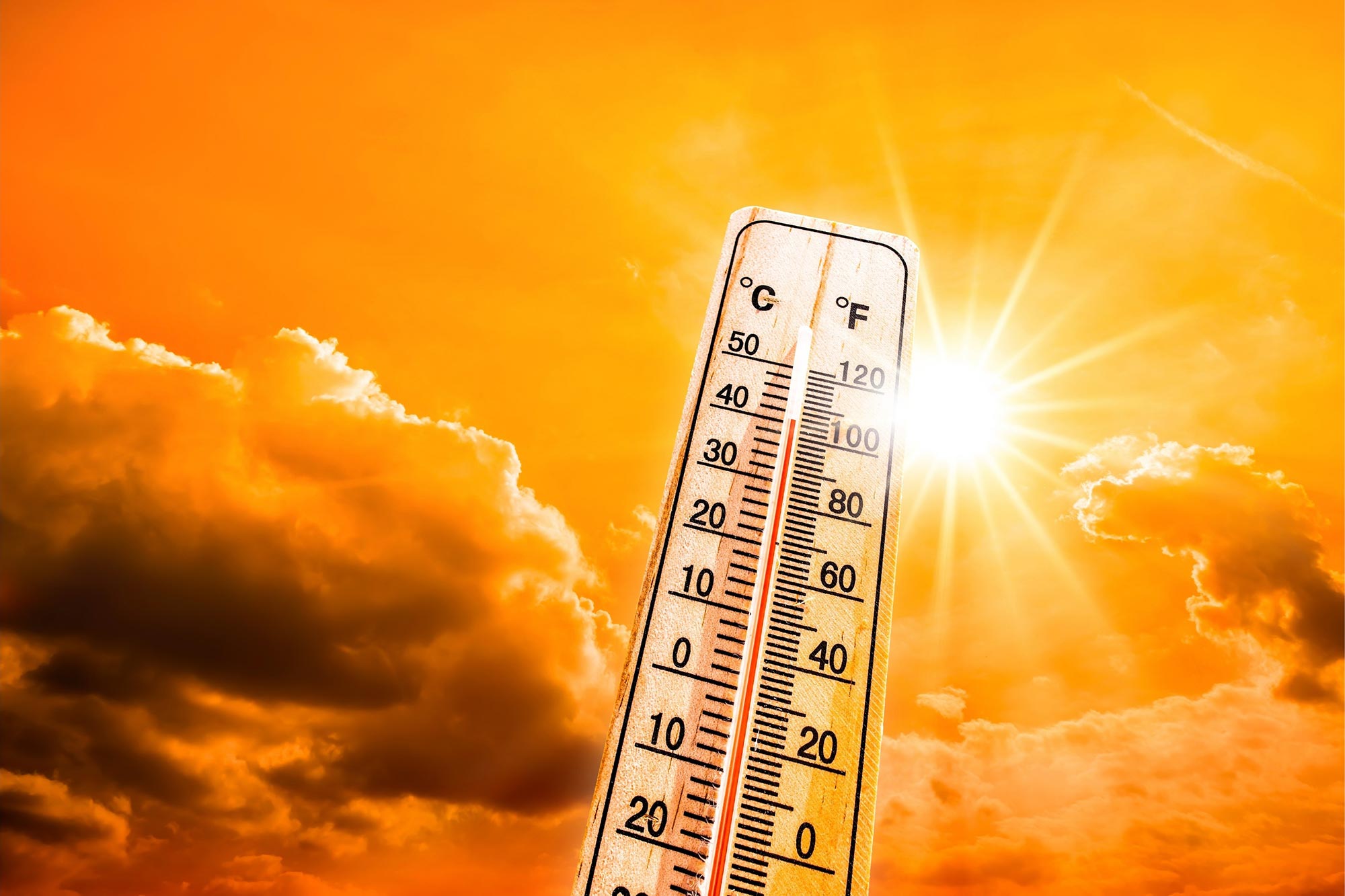
The dozens of 100-degree days that have plagued the region this summer have been too much for the crops to handle. Jason’s brother, Steven Franklin, said the heat has taken a devastating toll on their fields, with a “catastrophic” loss he estimates to be around 70% of their total yield.
Hundreds of acres of soybean plants stand dead and dry — the earth between the rows scorched and cracked. Echoing other farmers in the region, the Franklins said they’ve never seen anything like this, and it may drive them out of farming.
But the heat hasn’t been bad for just their business. It’s affecting their health as well.
‘It’s just sweltering’
A few weeks back, Jason, 47, was out in the field scouting during one of the 100-degree days when he became lightheaded and weak. And then he started vomiting.
He knew he needed to get out of the heat fast, but he didn’t have a truck with air conditioning nearby. And, he still had fields that needed to be inspected, so he tried to “pull through it,” and finish the job.
Jason said the fields can make the heat even worse when you’re in them.
“The crop, sometimes it blocks the wind,” he said. “There’s no wind flow, and with the humidity from the irrigated crops — it’s just sweltering … and that’s when I became heat exhausted.”
Jason’s family raced him to a doctor, but that was more than an hour’s drive away in their isolated community. Fortunately, he made it in time before his heat exhaustion became a heat stroke — which can quickly become deadly without proper treatment.
It took Jason more than a week to fully recover. He finds himself feeling weaker and more fatigued in the heat more quickly these days.
“It keeps coming back and back,” Jason said. “I feel like I’m susceptible to heat exhaustion now.”
‘If they don’t work, they don’t get paid’
For people who work in rural communities like Crowville, medical treatment can often be a long way away. And with so much work to be done, they may not think it’s worth the trip.
“They don't want to make the long drive or they don't have a ride,” said Kris Watson, a family nurse practitioner at the Delhi Community Health Center in Delhi, Louisiana — Crowville’s nearest medical facility. “And then some of these people shouldn't be driving in the state they're in. I think that is a big hindrance.”
Watson is the Franklins’ cousin-in-law — it is a small community, after all — and he said he’s seen more farmers and people who have to work outside this year than ever before.
Farmers aren’t ignorant, though, Watson said. They know it’s dangerous to work during the hottest parts of the day, but they often don’t have a choice.
“A lot of these patients, especially the manual labor jobs, don't have PTO, so there's really no option for them to miss work,” Watson said. “If they don't do the work, they don't get paid. Everyone has to make money.”
This isn’t an issue that’s limited to small villages in Louisiana, or even the South. As temperatures get higher because of climate change, people who work outdoors are among the first to deal with dangerous heat exposure.
Agricultural workers are the climate canaries in the proverbial coal mine. According to a study from the National Institutes of Health, they’re at least 35 times more likely to die from the heat than other workers.
Rural health advocates said the high heat has a “disproportionate impact” on rural communities across the country for multiple reasons.
“We have a disproportionate share of elderly living in rural communities,” said Alan Morgan, CEO of the National Rural Health Association. “As a population, they really need to be taking additional precautions in this type of excessive heat.”
Morgan also said that rural communities often have a “fragile safety net” when it comes to health care. It takes longer to get to health care providers and many are underinsured or lack health insurance entirely — more so than in cities.
“This results in these populations delaying health care many times,” Morgan said. “Instead of getting right to see a clinician that they should see because of the impact of the excessive heat, they delay. As a result of that, they end up having worse outcomes.”
‘That was my dream, my idea of passing it on’
Organizations like Morgan’s advocate for better health access in rural communities so people like Jason don’t have to weigh the cost against the benefits of getting medical treatment. The crops he and his family grow and bring to market are critical for the health of the nation’s food supply.
Steven said he stays in contact with other farmers across the region. Some are people he graduated agricultural college with, others are part of a network of farmers that share information and resources. From Alabama to Texas, they’re all saying the same thing: the heat is unbearable.
The Franklins' main crops, and the ones that were most severely damaged by this year’s heat, are corn and soybeans. Both serve bigger purposes than just food. Corn is the main ingredient in all livestock feed and is used in ethanol production. As the country seeks more alternative fuel sources, corn is vital.
As for soybeans: “They’re in everything,” as Steven puts it.
“It’s in makeup, mayonnaise, paint,” Steven said. “Soybeans are used in so many different ways, and a lot of people don’t realize that.”
Steven has been farming his entire life, following in the footsteps of his grandfather and father. He said it’s all he’s ever wanted to do, but that could change if he has another harvest or two like the one he’s experienced this summer.
Unless he gets “government help” through subsidies or crop insurance, Steven said he’ll be forced to sell his land and equipment to support his family. It’s something he’s never wanted to do, but if the heat lingers, he may not have a choice.
“I want it to where I can just step out and the next generation can take over without them being in debt,” Steven said “That was my dream, my idea of passing it on to kids and grandkids. But if not, I’ll be doing something else.”
Source - https://www.wwno.org