A historic deep freeze last year has shrunk U.S. pear production, with Northwest growers expecting the smallest crop in 40 years.
Growers saw a harvest only two-thirds as big as the previous year, down 31% from the five-year average. The Bosc crop, which is popular for its firm, dense flesh ideal for baking, suffered the worst damage and will be down over 60% percent from last year.
Around 80% of the nation's pears come from the Northwest, and experts are saying consumers should brace for fewer fruits on grocery store shelves.
“There's certainly still a Northwest pear crop, but it was significantly smaller as a result of that damage,” said Jon DeVaney, president of the Washington State Tree Fruit Association.
Those pears that do make it are expected to “russet,” which manifests as a large brown ring around fruit whose blossoms were damaged by frost. The taste is the same, but their appearance can be off-putting to buyers.
“Consumers eat with their eyes before, before anything else,” DeVaney said. “If it was not going to look attractive in the store, [the fruit] would either not sell at all, or sell at such a discount that growers couldn't pay to harvest it.”
This problem could worsen in the coming years. Research shows pear production is especially vulnerable to climate change, as the fruit is sensitive to the risks posed by extreme rainfall and temperature.
Another issue stakeholders are watching out for is that, over the last three decades, flowering times in pears occurred about 11 days earlier compared to historical data, likely due to changes in temperature, studies from the Centre for Agri-Environmental Research in the United Kingdom found. Even a couple of weeks difference in flowering times can cause “all sorts of cascading management issues beyond just the short term risk of having the actual physical damage,” Devaney said.
“Growers know to watch the weather very carefully and try to be prepared,” DeVaney said, but added that while they used to reliably know exactly when to expect spring weather to begin, many are now turning to the research community for technological solutions to the increasingly unpredictable weather conditions.
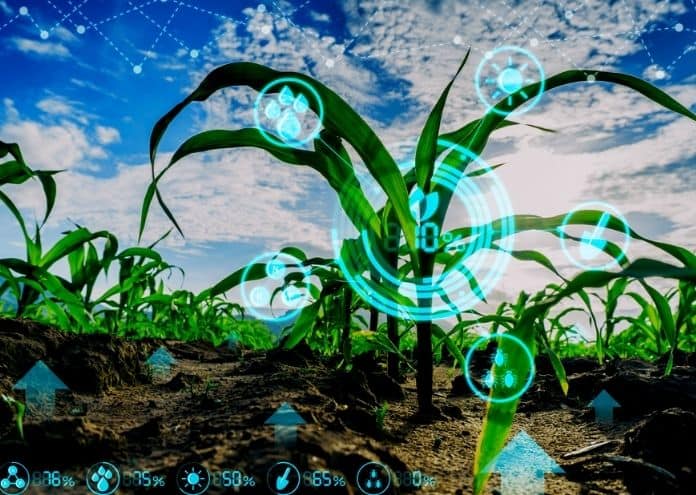
For example, Washington State University placed over 160 weather stations around the state to give growers current weather data and shorter term forecasts, and to help them make timely decisions. And, the university is working with artificial intelligence on data modeling to create better longer term predictions for extended forecasts so tree fruit growers have more options and greater warning to implement protective measures.
But, additional hope is also arriving from current unfolding weather conditions and what DeVaney calls “grower intuition.” NOAA was predicting a winter far colder and wetter than normal in early 2025, threatening to repeat disastrous consequences of 2024. But, while the weather has been wetter than usual, it’s also been warm so far, which is typically good for pears.
“It's a little early to be making fairly significant predictions for the year. There's a lot of grower intuition that whenever you have a smaller crop, usually the next year, the trees might have a larger crop on them, so there's expectation that the crop will rebound,” DeVaney said.
Source - https://www.fooddive.com