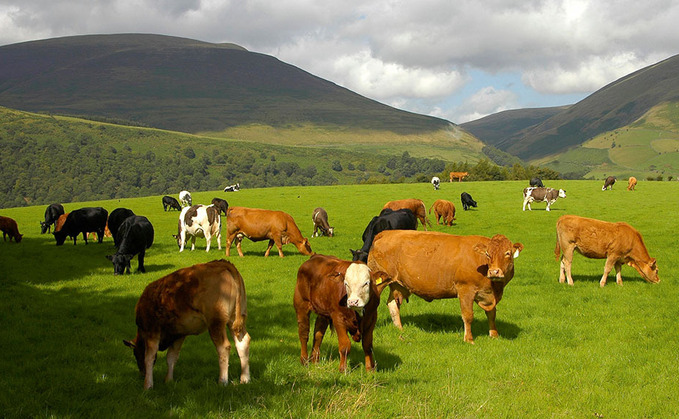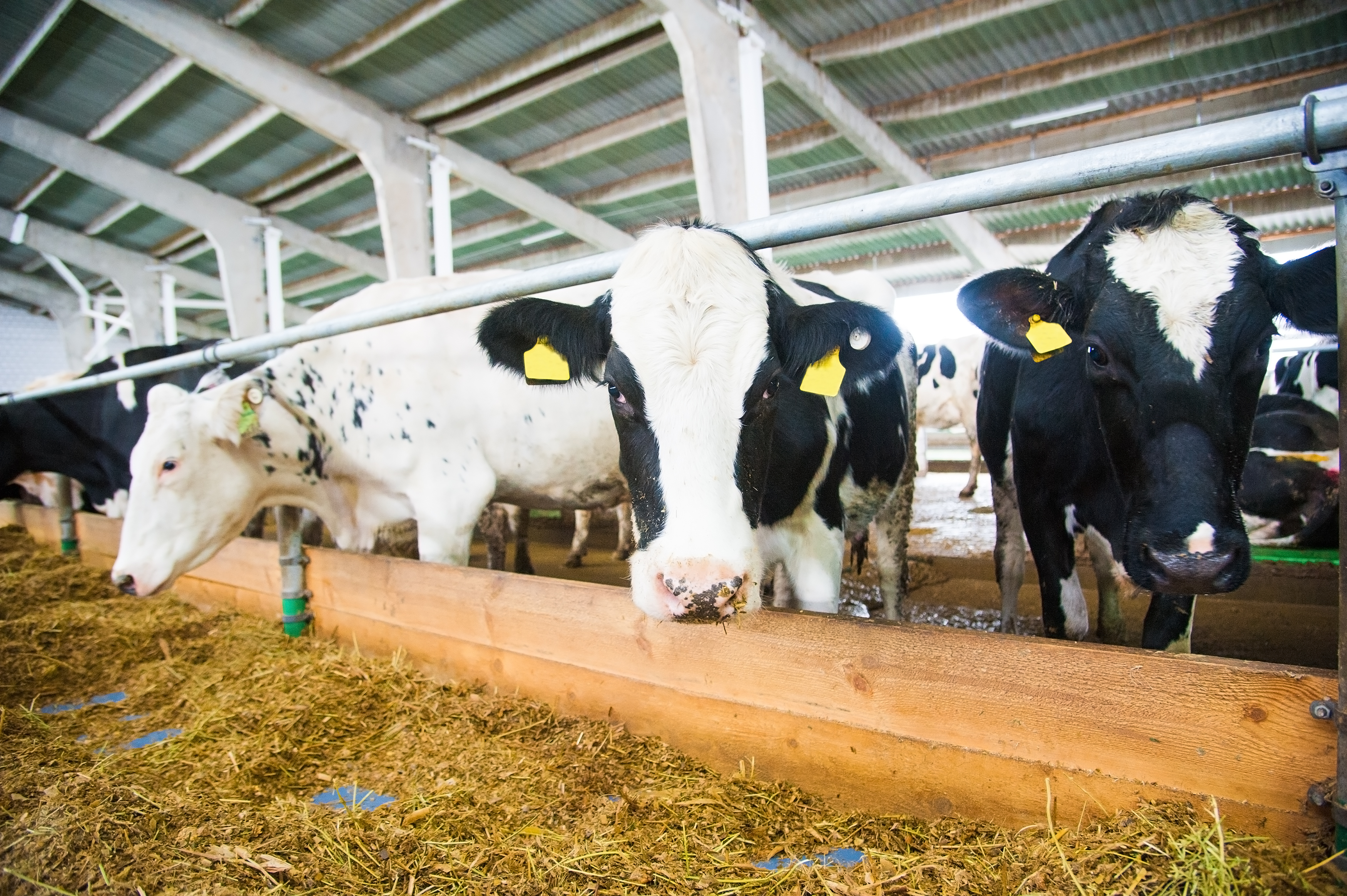
The U.S. Department of Agriculture's Risk Management Agency is launching its Weaned Calf Risk Protection Insurance in four states in 2024: South Dakota, Texas, Nebraska and Colorado.
“Basically, we are going to be covering calves that would die early before weaning due to some type of storm-type situation. Adverse weather conditions is No. 1 on the top of the list,” said Heather Gessner, South Dakota State University Extension livestock business management field specialist.
It doesn’t cover calf loss under every circumstance.
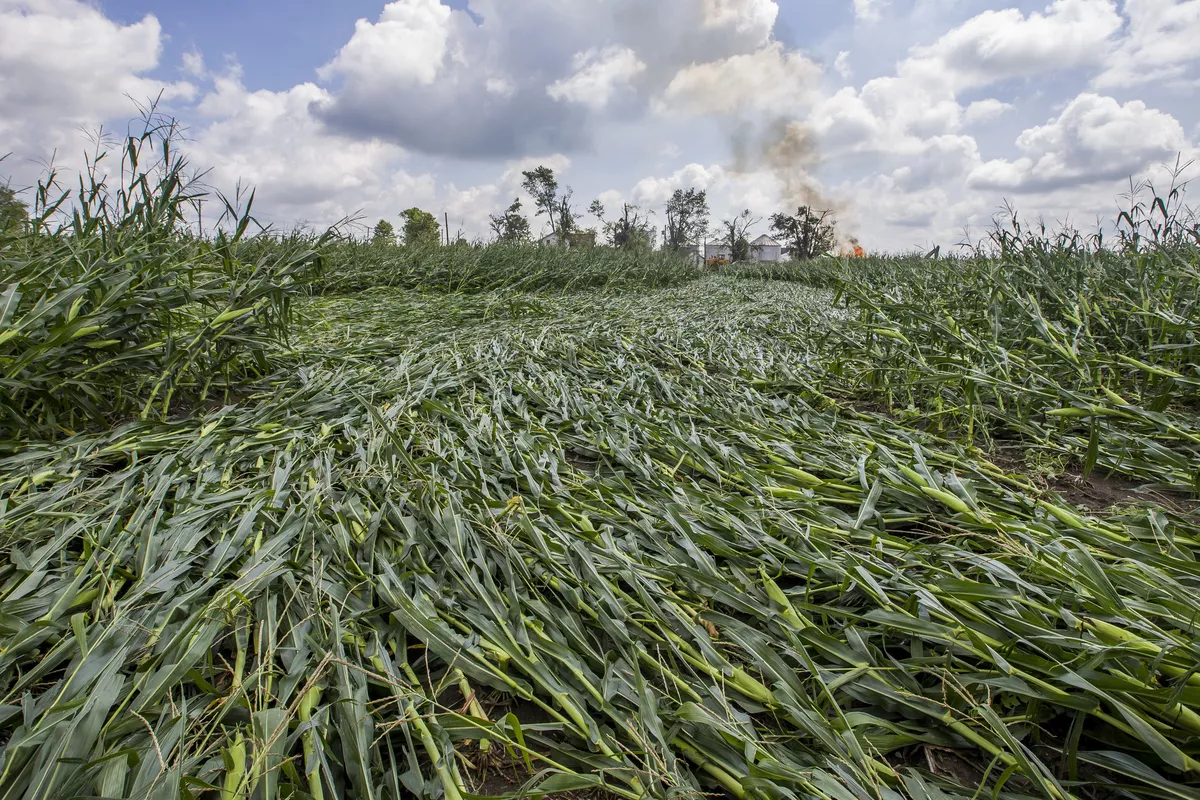
“Say you have a momma cow, and she stomps all over her calf after it’s born — that one doesn’t count. That’s not a covered loss. But if you have drought, major blizzards and those types of things, or a rainstorm for five days when it’s 32 degrees, adverse weather that causes situations like that,” Gessner said.
Other things included in Weaned Calf Risk Protection Insurance are calves lower in weight than a producer's average production and changes in the futures market.
“So, we are utilizing the November futures market again, very typical to corn or soybean insurance products,” Gessner said.
Since it is the first year this product is offered, there are still some things that might not run smoothly.
“Some of the reporting components of it at this point look kind of clunky because in order for calves to be covered they have to be born and verified and reported with your crop insurance agent,” Gessner said. “So if we are in the middle of a three-day blizzard and it’s hard to find those cows that are calving — let alone see and get them into the barn — you think about some of the April storms in 2018 and 2019 that we had where people couldn’t even get to their cattle operations and see what’s being born. That’s where it might be a little tricky in some of those types of things.”
But Gessner sees several potential benefits to this new insurance.
“I think it has some huge potential for that risk side, you know, based on disasters like that blizzard or the drought came through and our calves weighed 150 pounds less because the cows weren’t milking and there wasn’t enough grass for them to eat and make up that weight from a forage standpoint. So it does provide some of that reassurance,” Gessner said.
This new insurance works as a risk management tool and won’t be the perfect fit for every cattle operation.
“Make sure that you are thinking about this as a risk management tool. Not all tools fit for every operation, but really evaluate it and determine your risk level and see where it fits into your operation and if it does, awesome. If it doesn’t, pass on it and find something else that works better for you to watch that bottom line of your calf crop coming up in 2024,” Gessner said.
If you don’t end up having to use the insurance, that’s a good thing.
“Just like buying car insurance, we buy car insurance, and we hope we never have to use it. If we buy this insurance and at the end of the year when we put in our final reports and tallies and we don’t get paid, that means good things happened all year,” Gessner said.
This program will take some time to expand to other states.
“We’ve got a lot of calves that are born in those four states every year. So if we get some decent producer numbers turning in data and reporting, everybody from the smaller producers to the really big guys, you know, the more data that they have for this first year running through, we’ve got a better chance of it opening up for more states quicker” Gessner said. “If I had to guess I’d say it would be a two- or three-year kind of slow trickle out."
Jan. 31 is the final sign-up date for this program.
“Talk to your crop insurance agent to make sure they are selling the product. Not every agent might pick up this product as a risk management tool, just because of the short turnaround time from the time they got the information from the time everything was going to roll out,” Gessner said.
Source - https://www.agweek.com