USA - Strawberry fields flooded in California’s Central Coast communities

20.03.2023 599 views

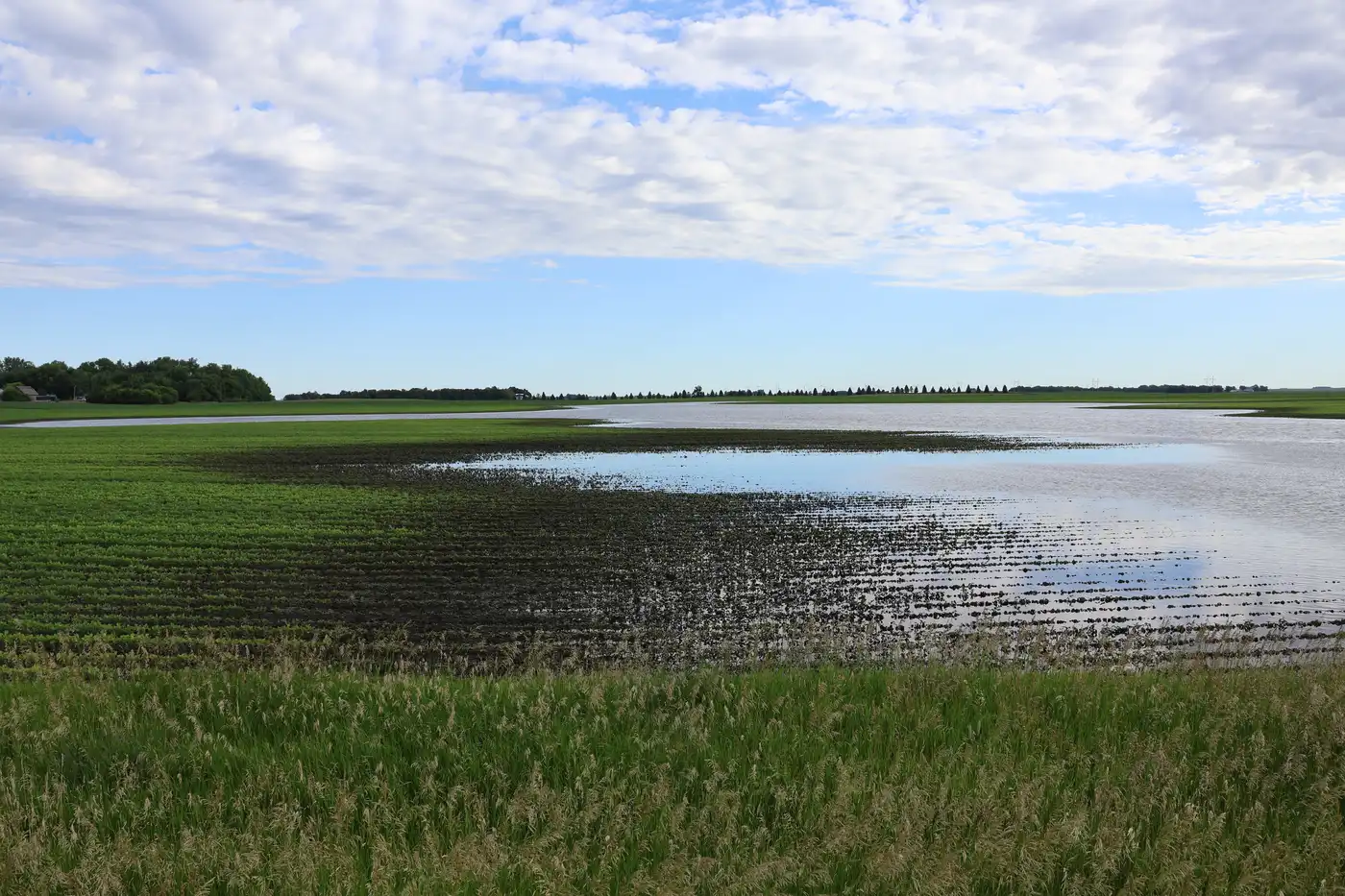
A broken levee is having a huge impact on California's farming communities in the Watsonville and Salinas areas. This region is estimated to grow about one-third of California's strawberries. A levee that ruptured in the nearby Pajaro river last Friday caused more than 8,000 people to evacuate and flooded hundreds of acres of strawberries. It is estimated about a fifth of California strawberry farms in the Watsonville and Salinas areas have been flooded. At this point, it is unknown if the plants will be able to recover. In the Pajaro Valley, strawberries were planted last fall, which means the berries would have hit stores this summer.

The wet fields are hard to imagine as California farmers have been impacted by drought for many years. However, this winter, the state has witnessed everything from intense rain storms to snow storms and flooding.

While strawberries are a key crop in this area, other crops like lettuce and other greens are also impacted.

Many farmworkers had to evacuate their homes and are now without jobs as the fields can't be accessed. Driscoll's, a family-owned company with strong roots in the Pajaro Valley, posted on LinkedIn how their employees, independent growers, farmworkers, and residents of the community have been impacted. The company's employees have helped raise thousands of dollars to enable residents of impacted communities to purchase water and personal hygiene products. Driscoll's has deployed $340,000 to local organizations for food, shelter, and other needs.

Southern California
Oxnard, also a key strawberry-growing region but further south, received record amounts of rainfall earlier this week. Fruit from this area is in production right now and has been impacted by rain damage. In addition, the record rainfall causes a potential for decay issues to develop.

Source - https://www.freshplaza.com

19.01.2026

FAO issues new guidance on food safety risks linked to climate mitigation chemicals in agriculture

As governments and agribusinesses race to curb greenhouse gas emissions while feeding a growing global population, the UN’s Food and Agriculture Organization (FAO) has released new guidance to help policymakers and industry assess food safety risks linked to emerging climate-mitigation chemicals used in agriculture.

19.01.2026

Indonesia pushes agricultural downstreaming to boost farmers’ income

Agriculture Minister Andi Amran Sulaiman has called on regional governments to accelerate downstreaming of local agricultural commodities - particularly coconuts, cashew nuts, and cocoa - to increase added value and raise farmers’ incomes. 

19.01.2026

Japan struggles to weed out plant threatening agriculture, ecosystems

The seemingly innocuous alligator weed, or Alternanthera philoxeroides, poses a real problem, especially to rice farmers.

19.01.2026

Canada - Kamsack-based Nytro promotes Green Lightning technology

The Green Lightning system uses electricity to convert water into nitrogen-rich fertilizer, with larger units designed to meet the needs of farm operations.

19.01.2026

Ireland - Almost €2.9m issued in farm scheme payments last week

Just under €3 million was issued in various farm scheme payments last week by the Department of Agriculture, Food and the Marine (DAFM).

19.01.2026

India - Horticulture Director gave his suggestions in the National Conference of Crop Insurance Scheme

A two-day National Review Conference was held in Bengaluru under the Pradhan Mantri Fasal Bima Yojana. 

18.01.2026

India - Bihar Launches Online Crop Loss Compensation Scheme: Farmers Can Claim ₹7,500–₹10,000 per Hectare

The Bihar government has announced financial assistance for farmers affected by crop losses under the Bihar State Crop Assistance Scheme. 

18.01.2026

Afghanistan - $30m new cold storage facility opens in Kabul to boost agriculture

The Ministry of Agriculture, Irrigation and Livestock (MoAIL) has inaugurated a new cold storage facility in Kabul, saying it will help reduce agricultural waste, cut imports, and strengthen the economy.