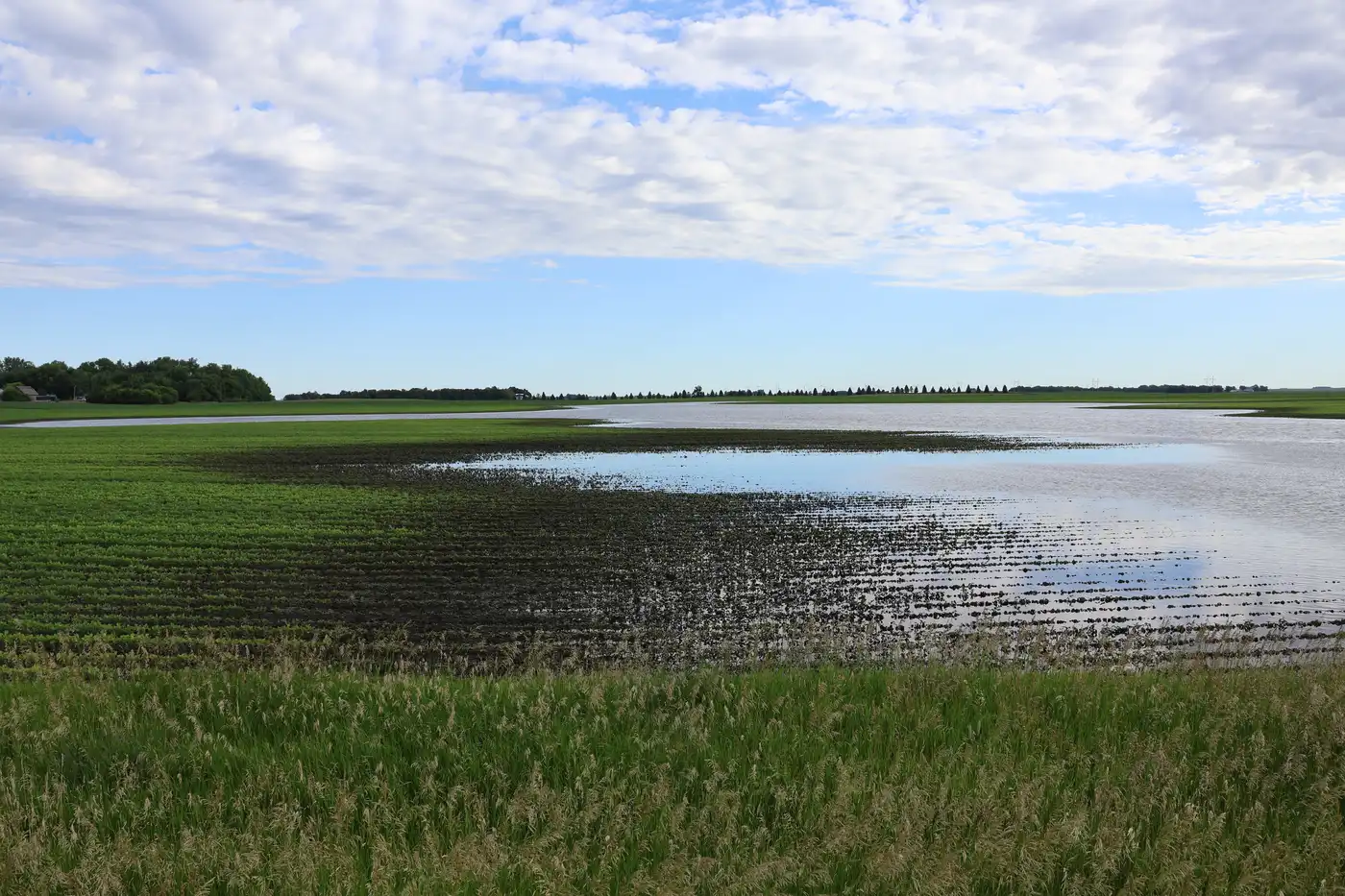
A lingering drought affecting more than 80% of Texas is causing wildfires, hurting agriculture and drying up water supplies throughout the state.
This year’s drought comes less than a year after Texas experienced one of its worst droughts on record in 2022.
“Last year we were lucky enough to start getting widespread rain during the last three weeks of August,” Texas State Climatologist John Nielsen-Gammon said. “This time around, August didn’t bail us out and September’s been a bit better but certainly not enough to cause widespread improvements.”
After widespread rains in May and June that brought much of the state out of drought, Texas suffered through one of its hottest, driest summers on record. East Texas, Central Texas, South Texas and some parts of West Texas are now affected by some level of drought — areas where 24.1 million people live, according to Drought.gov. Nearly 40% of the state is in an extreme or exceptional drought, the most severe levels, according to the U.S. Drought Monitor.
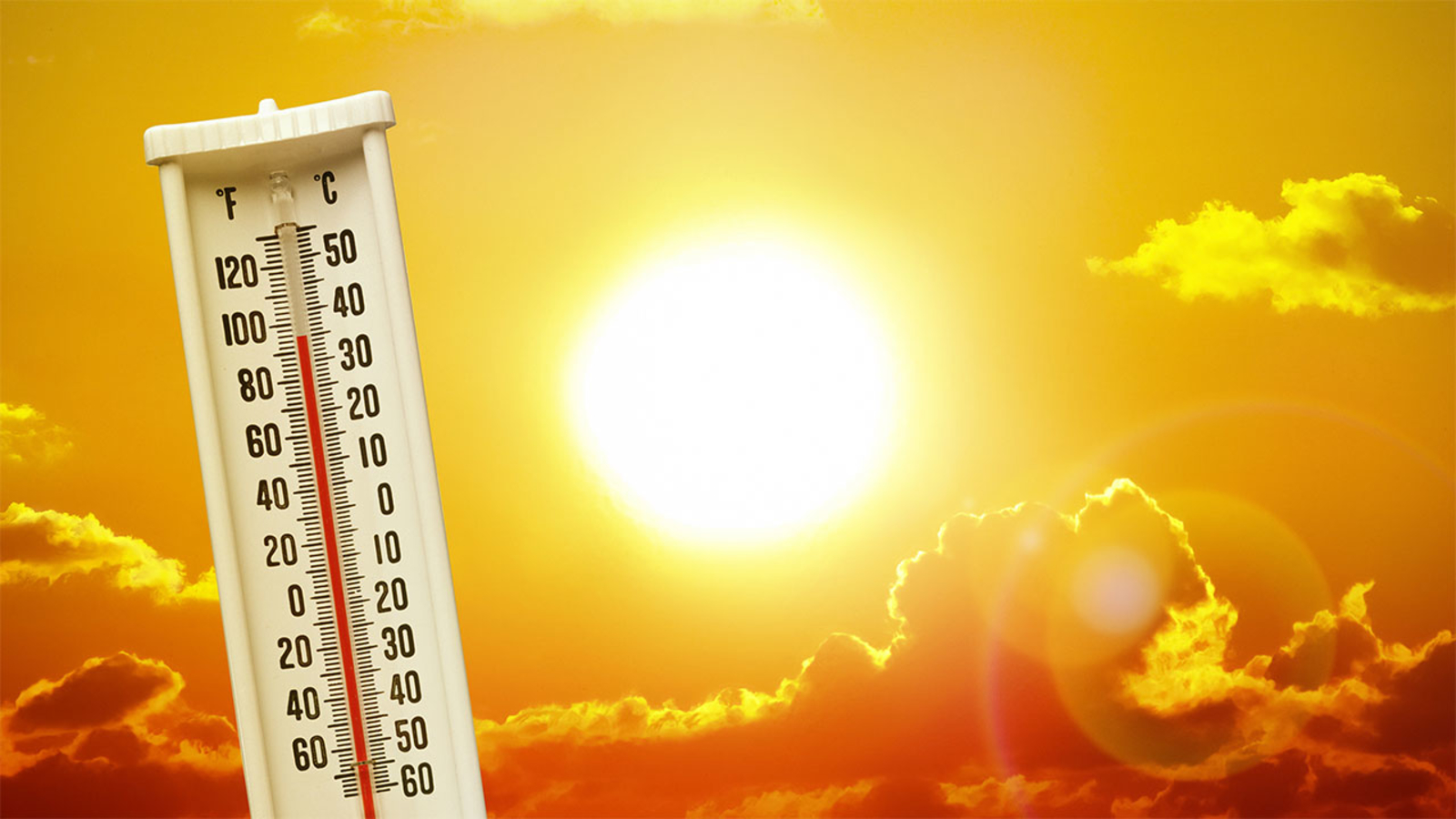
Climate change both strengthens and lengthens heat waves, and the hotter temperatures make droughts more intense than they would be otherwise.
The National Weather Service forecasts that the drought will ease this fall.
Texas voters will head to the ballot box in November to decide whether the state should spend $1 billion to create a water fund to build new water supply projects.
Drought causes reservoirs to dropThe lack of rainfall has caused many public water systems across the state to issue varying levels of water restrictions or ask the public to conserve water, according to the Texas Commission on Environmental Quality.
Nielsen-Gammon noted that reservoirs in parts of Central Texas — which is facing its second driest summer on record for the second year in a row — are at record low levels: Lake Travis near Austin was 36% full on Thursday, down from 49% at the same time last year. In Temple, Stillhouse Hollow Lake was 58.5% full on Thursday, compared to 76% this time last year.
In North Texas, North Fork Buffalo Creek Reservoir near Wichita Falls was only 29.7% full on Thursday, a huge drop from 49.6% last year.
As of Friday, the state’s reservoirs were 66% full, according to the Texas Water Development Board.
In an effort to bolster Texas’ dwindling water supply, state lawmakers earlier this year approved Senate Bill 28, which would spend $1 billion on new water projects and repair aging infrastructure. If voters approve it, the money would help jumpstart projects such as marine desalination and treating produced water — contaminated water produced during crude oil production — with an emphasis on helping rural communities with a population of less than 150,000.
“Small communities can’t afford to do those big projects anymore. … priority’s got to be given to the little guys,” said state Sen. Charles Perry, R-Lubbock, who authored Senate Bill 28.
As Texas continues to grow, lawmakers are worried the state’s water supply will not be able to keep up with demand as the state’s population continues to grow.
“Now we got that many more bodies drinking out of the faucet,” Perry said. “It compounds. The drought may not be as severe (as 2011), but when it happens, you got that many more people impacted by it.”
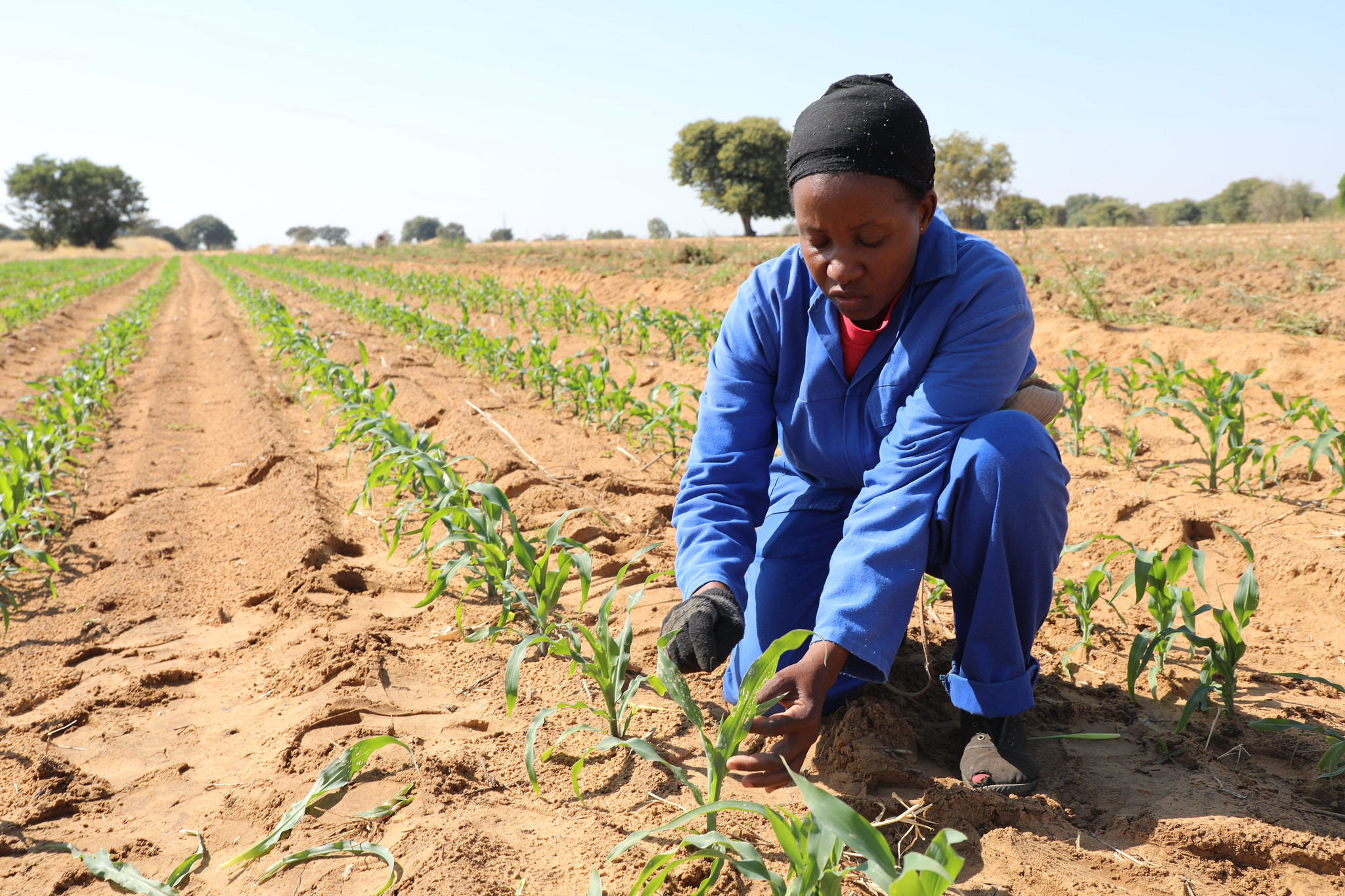
“It’s just another bad year for cotton”Ronnie Schnell, a cropping systems agronomist at Texas A&M Agrilife Extension Services, said the spring rains helped boost harvests of grain crops like corn and grain sorghum in South and Central Texas. But crops grown later in the year have been harmed by the extreme summer heat and drought, including cotton — a crop that’s typically tolerant of dry weather.
It’s the second rough year for Texas cotton farmers, who reported $2 billion in crop losses last year.
“Compared to other crops (cotton) tends to do better in hot, dry weather. But, it can still be damaged if it doesn’t receive enough rain,” said John Robinson, a Texas A&M AgriLife Extension cotton economist. “It’s just another bad year for cotton.”
Farmers can irrigate their crops during dry periods, but Schnell said this summer’s heat and drought has made it difficult for irrigation systems to keep up.
“When there’s drought and there’s competition for water resources, at times it’s going to impact agriculture because they may not always be able to get the water they need and when they need it,” Schnell said. “Crops are so sensitive to water at certain times of the year, they really need water at certain times of the year to make it as productive as possible.”
Wildfires have slowed as fall arrivesThe parched conditions have led to an active wildfire season: more than 1,000 fires have burned more than 120,000 acres so far this year, according to Texas A&M Forest Service.
While far below the numbers seen in 2011 and last year, the fire risk prompted 175 Texas counties to impose outdoor burn bans this summer, while Gov. Greg Abbott issued a wildfire disaster declaration throughout the summer and renewed it on Tuesday.
“As it becomes drier, the wildfires become more resistant to control, because there’s more vegetation, more what we call ‘fuel’ available to burn,” said Brad Smith, head of predictive services at Texas A&M Forest Service. “And the more fuel you have to burn, the more intense the wildfires become. The more intense the wildfire becomes, the harder they are to control.”
Smith said rain in recent weeks has slowed wildfire activity, but fires continue to spark around the state.
On Sept. 22, the agency responded to 14 fires that burned 556 acres, Smith said.
“That’s still quite a few fires, but the average fire size has dropped, and we’re not seeing the intense fires that we saw back in August,” he said. “We have improved, conditions have improved, we’re hoping they continue to improve.”
Source - https://www.kxxv.com