USA - Texas peach crop faced with hail and lower chill hours

17.04.2024 719 views

Texas could face another challenging peach season this spring. Jamey Vogel of Vogel Orchard in Fredericksburg, Texas says its harvest will start around May 1. This is slightly earlier than normal due to winter ending a bit earlier. "We had enough chill to move the early peaches along and we've had some decent moisture this spring," says Vogel.

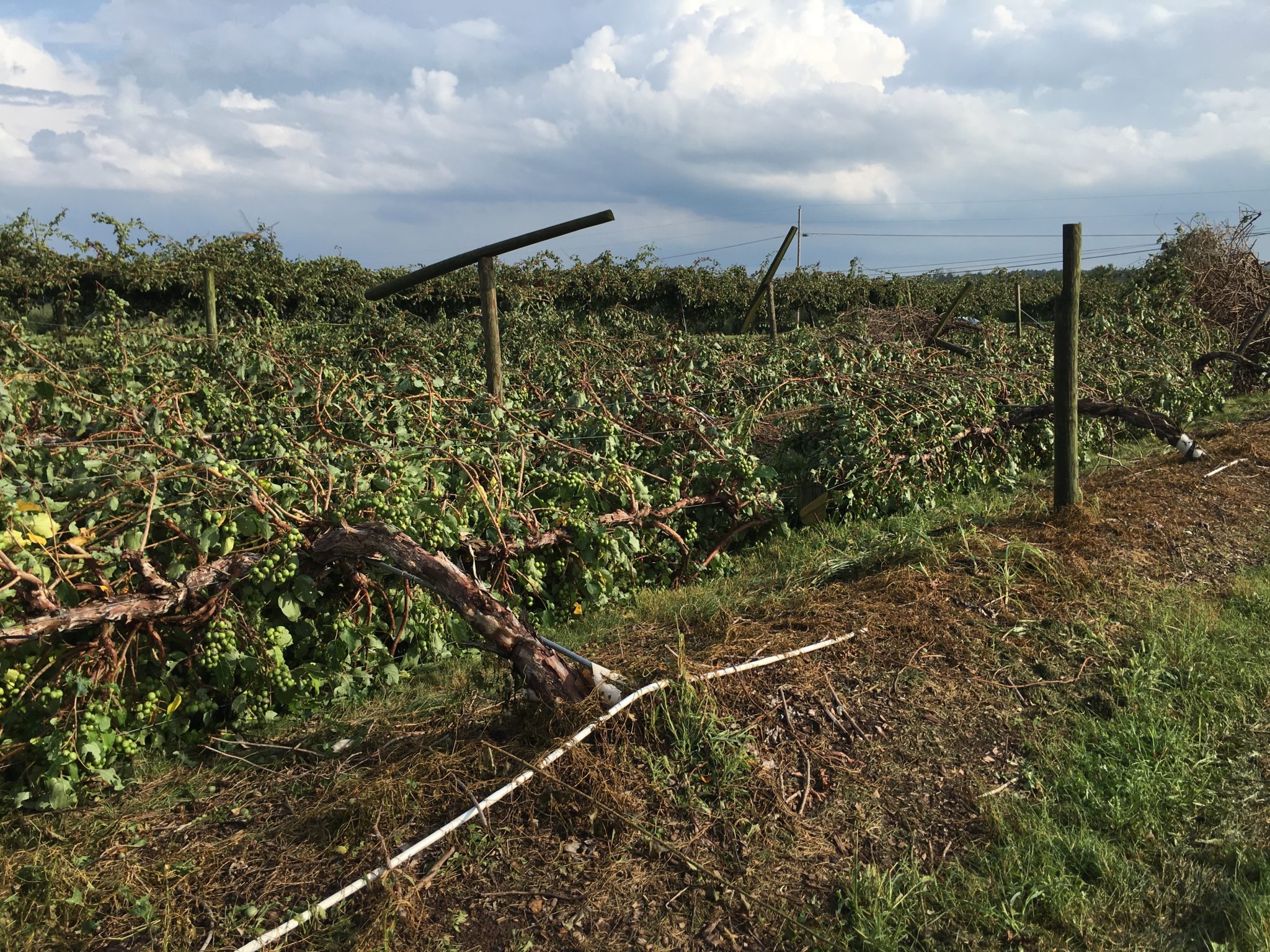
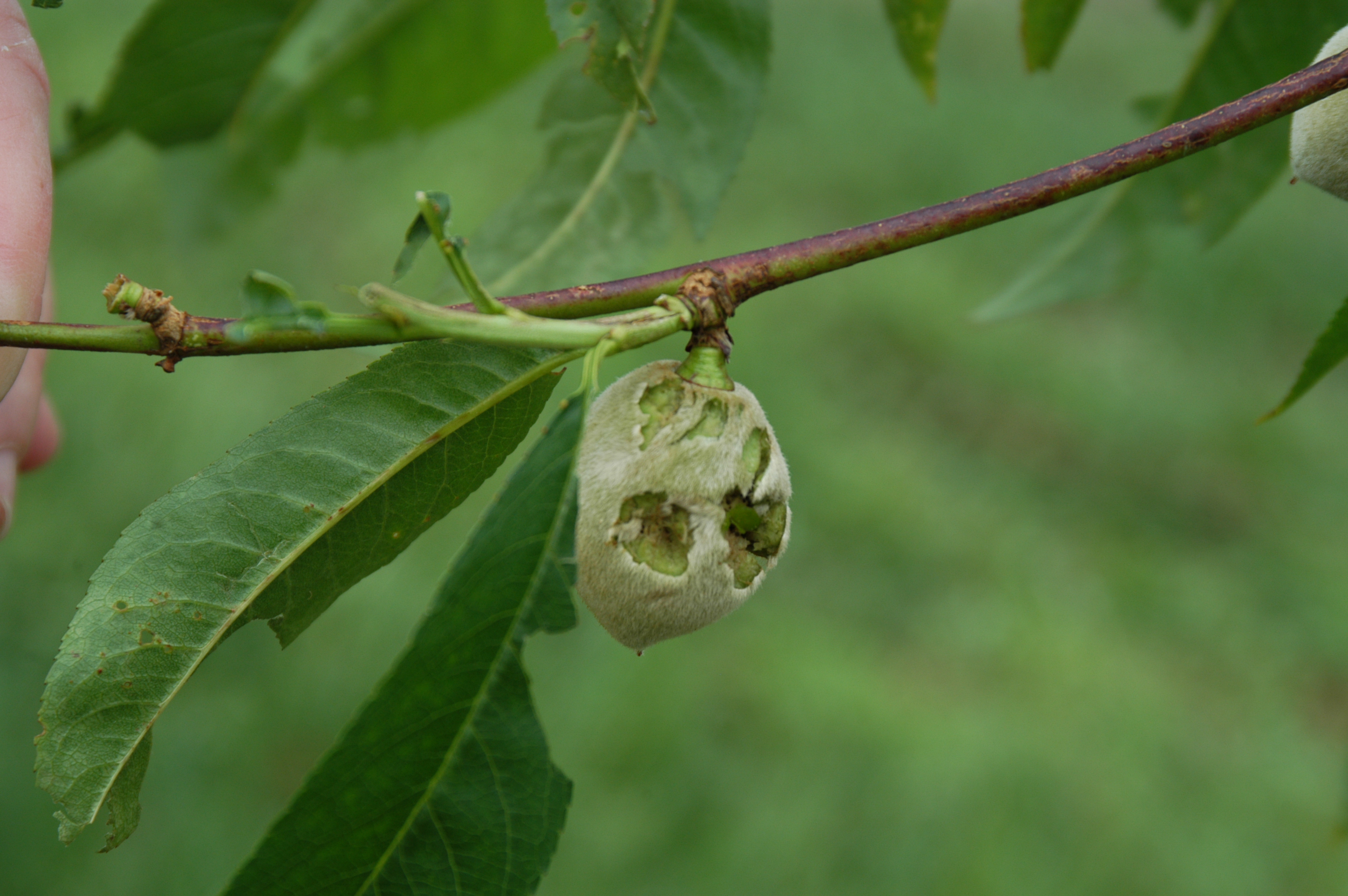
However, this harvest follows a hail storm in the region just over a week ago. "It knocked a good portion of the small peaches off the tree in a lot of places and then what was left, another portion of that was damaged," he says. That said, the hail didn't hit all peach-growing regions equally and while some growers saw damage, others didn't as much. While spring storms aren't unusual in this region, the hail this time was certainly uneven. "Some neighbors even a few miles away were spared. Texas hail tends to be very streaky."

Marginal chill hours
This is also on top of the fact that Vogel says the crop didn't have a cold enough winter to set a full crop. "It was looking better than the last two years though. However it's still not a full crop due to marginal chilling," he adds.

That said, the full effect of these weather events isn't known yet. "Things can change during the season. We have a harvest season that lasts over three months and it can get hot and dry late in the season," he says.

This crop is likely to see strong retail demand for the fruit. However, growers who have been more impacted by the hail may not have sufficient quantities to meet the demand.

As for pricing, retail pricing could be on the stronger side as it has been in the past few years due to factors such as increased input costs and more limited supply.

Source - https://www.freshplaza.com

28.01.2026

Canary Islands tomatoes outcompeted despite EU agricultural support

Financial support remains essential to sustain agriculture in Europe's remote and island regions, but its impact on competitiveness and diversification varies strongly by sector and region. 

28.01.2026

India - Arecanut leaf spot disease affects 88,559 hectares in Karnataka; Rs 577 crore proposal sent to Centre

“Arecanut leaf spot disease has been seen on 88,559 hectares in Malnad, coastal and Shivamogga region,” Agriculture Minister N Chaluvarayaswamy said, replying to a question raised by BJP MLC Prathap Simha Nayak and Congress MLC Bilkis Banu in the Legislative Council on Tuesday.

28.01.2026

USA - New York’s Agriculture Department announces $3 million to boost workforce development initiatives

New York State Agriculture Commissioner Richard A. Ball has announced $3 million that is available to boost the development of a skilled workforce in New York’s agricultural and food systems industries.

28.01.2026

Jordan - $90.2mln disbursed in loans for 12,880 farmers in 2025

Director General of the Agricultural Credit Corporation (ACC) Mohammad Doujan, announced on Tuesday the corporation financed more than 12,880 farmers and investors in the Kingdom's agricultural sector during 2025.

28.01.2026

Fiji explores agricultural trade and innovation with Malaysia

Fiji is looking to strengthen its agricultural trade and innovation through closer cooperation with Malaysia.

28.01.2026

Canada - Governments commit $20M to strengthen agriculture

The Federal and Provincial governments announced they’ll be investing up to $20 million to support farmers and agribusinesses on Tuesday, January 20, 2026.

27.01.2026

New Zealand growers report limited crop damage but logistics disruption

Early reports indicate that most growers in New Zealand came through the recent heavy rain and flooding with limited impacts, according to Horticulture New Zealand chief executive Kate Scott. While the weather created operational challenges, there have been no widespread crop losses or major damage to orchard infrastructure reported so far.

27.01.2026

USA - Row crop farmers continue to face financial stress amid federal payments

As the U.S. Department of Agriculture prepares to give $11 billion to farmers across the U.S., row crop producers are continuing to see a yet another year of financial strain.