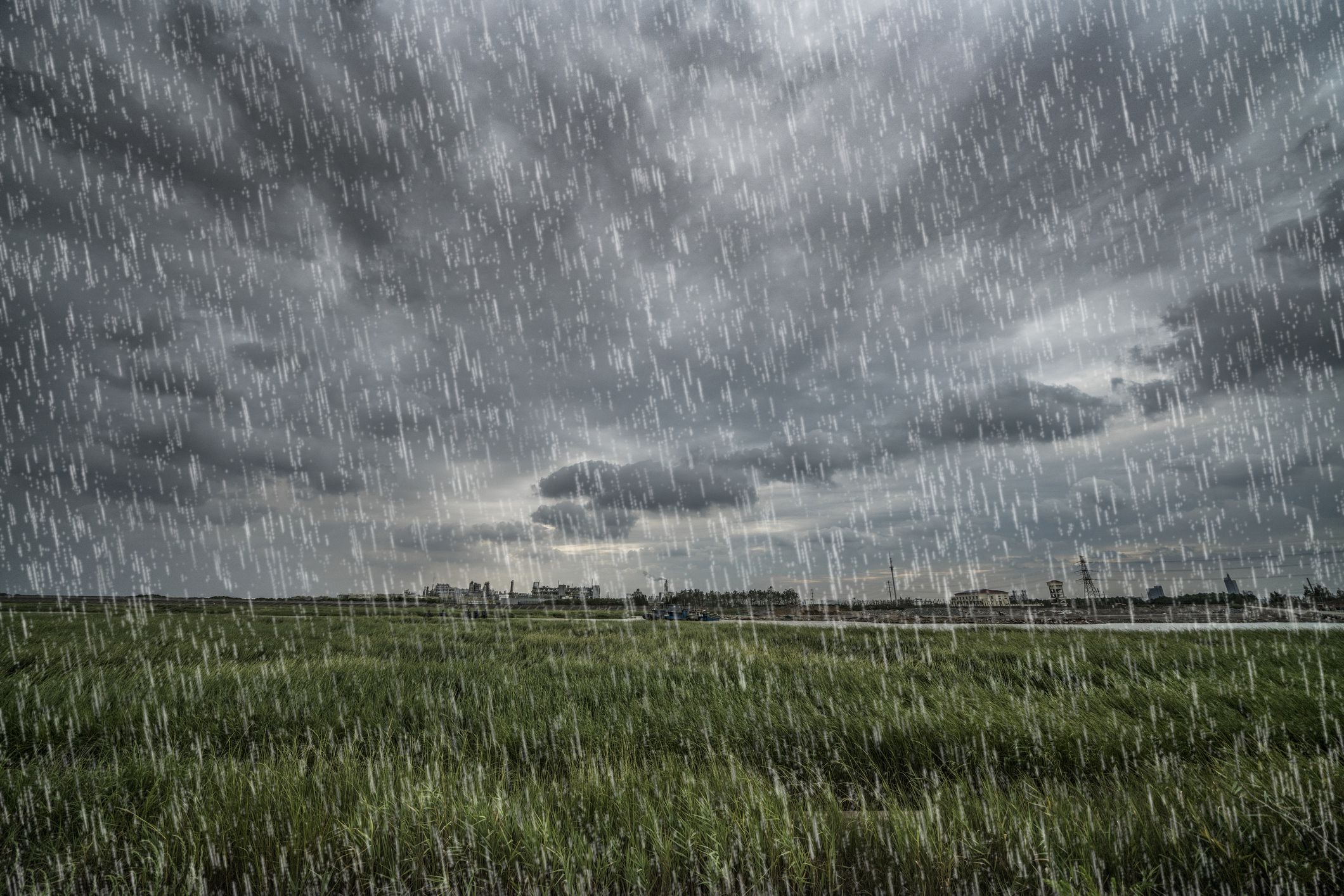
Short-term pain with some long-term gains. That's what California growers are facing following recent headline-making rains in key California growing regions such as the Salinas Valley.
The big picture is, of course, that rain was desperately needed within the state following years of consecutive drought. "You would be hard-pressed to find a farmer who is not appreciative of the rain, even though it has led to some short-term issues," says Danny Koolhaas, director of Wells Fargo ag services. "Due to abundant snowpack, our reservoirs will return to full. If we have methodical snow melt, it will allow our reservoirs to return to capacity going into the summer and allow for future deliveries to ag producers at an economical price."
That said, it won't stop the regulation of SGMA (Sustainable Groundwater Management Act), and Koolhaas reminds growers that they must be aware of impending limitations imposed on pumping capacity by their Groundwater Sustainability Agencies (GSAs).
Near future outlook
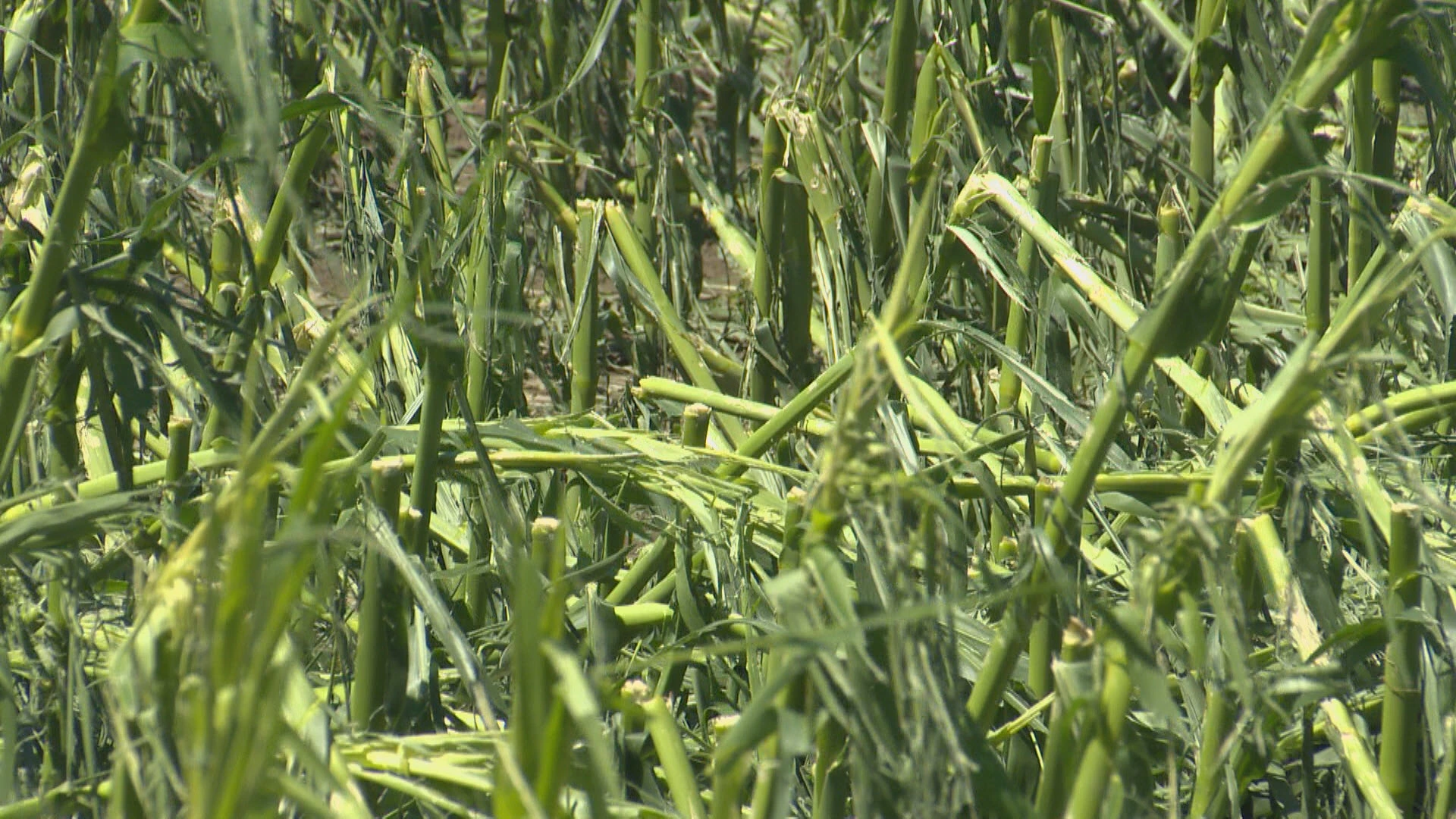
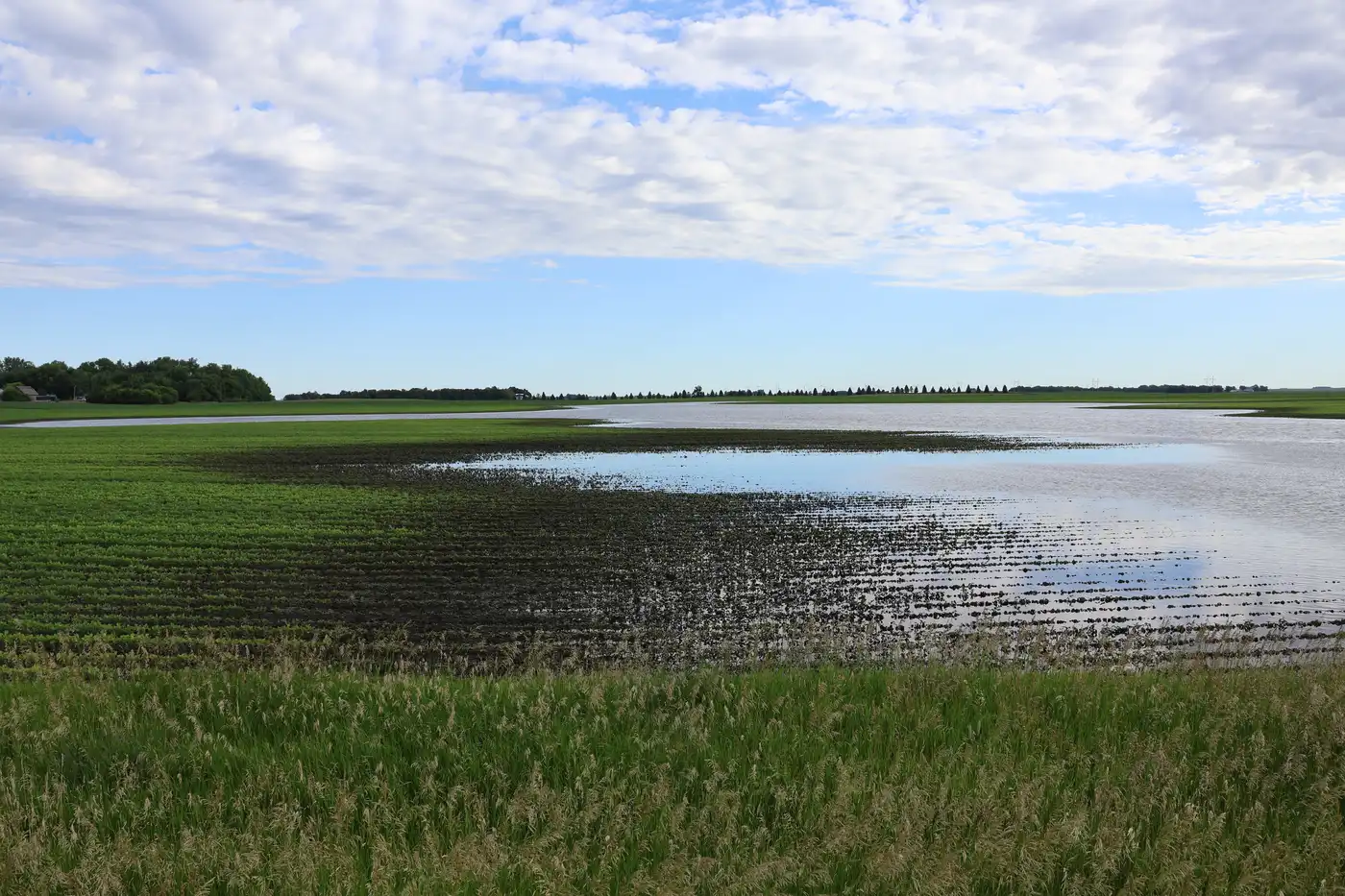
In the short term though, there remain challenges, starting with the fact that the majority of California field crops will be delayed, not only has the rain plus the cold weather pushed back crops already in the ground, but the floods accompanying the rains are preventing fields from being planted. "Wet fields also make it harder for tractors to manage crop applications such as fertilizer and pesticides," says Brad Rubin, agri-food institute sector manager for Wells Fargo, noting that delays in these applications could lead to yield loss and poor quality. "Other berry farms that were planted and are now flooded will likely need to be replanted."
He also notes that farms along waterfronts remain the most impacted by the rains. "Salinas Valley has approximately 200,000 vegetable acres, and only about 10 percent are flooded, so there may be a near-term impact on crops such as lettuce, other leafy greens, and some vegetables," says Rubin. That said, there are still lots of product available which is important given Salinas produces approximately 80 percent of the U.S. greens and vegetable supply from spring to fall.
On potentially gapping products, Rubin notes that Mexican imports of berries and vegetables can help fill the gap.
Aside from those near-future pains, there are some positives on the horizon. "Crops such as avocados, citrus, grapes, and stone fruit will likely fair well with the wet weather and chill hours. Permanent plantings will likely fair well, with the possible caveat of almonds," Rubin notes, adding that almonds bloom in February and March. "With the rain and cold, bee flight and pollination have been concerning for almond farmers. The industry won't know how this impacts the next crop until we get further into April and May. Almond prices have appreciated approximately $0.35 per pound in the last few weeks as speculation of a smaller crop runs through the industry."
Cost savings from the rain?
The rains have also offered cost savings as well. "Irrigation costs vary by commodity, but given the availability due to the excessive rain and increased allocations announced already, water costs will be less," says Koolhaas. He notes, for example, that last year, water sales in South Central Valley had sales near $2,000/acre-foot. Rubin adds that irrigation expenses come in multiple forms. "In a dry winter, irrigation expenses increase with the cost to run well pumps. Also, water allocations for farms can increase the cost of water delivery. In the San Joaquin Valley, some farmers could have expenses in the $1,500-$2,000 range per acre-foot," he says.
That said, those expenses may just be allocated elsewhere. "Increased savings on the water will more than likely be offset by increased expenses due to the cost of cleanup, spraying, delayed plantings, and yield loss due to rain damage on certain crops. However, the most expensive cost of farm ground is the real estate itself. The abundance of rain creates healthier soil for future growing seasons," says Koolhaas.
Labor allocation may also look different this spring. While Koolhaas says the labor market has stabilized over the past year, the wet weather means some labor forces will have to wait it out for the weather to subside. "We saw this earlier in the year with citrus as labor crews were forced to stop harvest till dry conditions allowed them to get back into the field," he says.
Source - https://www.freshplaza.com