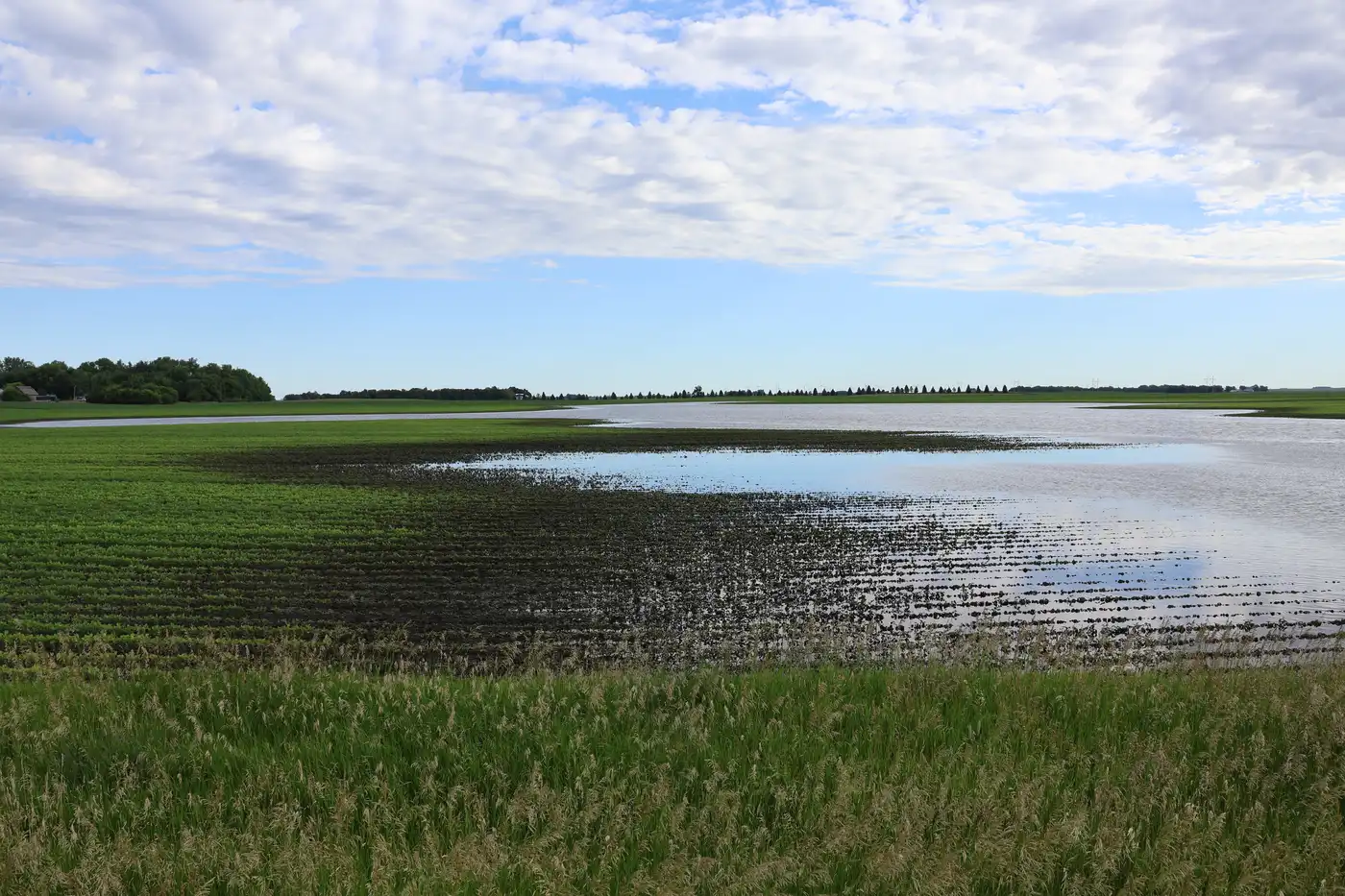
On the map of the US Drought Monitor, a joint project of federal agencies and the University of Nebraska, coloured warnings cover the landscape. It’s abnormally dry in Michigan. Minnesota is in moderate drought. A severe drought covers the Pacific Northwest, central Texas and southern Wisconsin, and the breadbasket states of Nebraska, Missouri, and Kansas are splattered with scarlet and oxblood, the hottest colours for the most worrying conditions. Those areas are all in extreme drought, and parts of them have sunk into a state that the project calls “exceptional” — that is, places where the effects will last longer than six months.
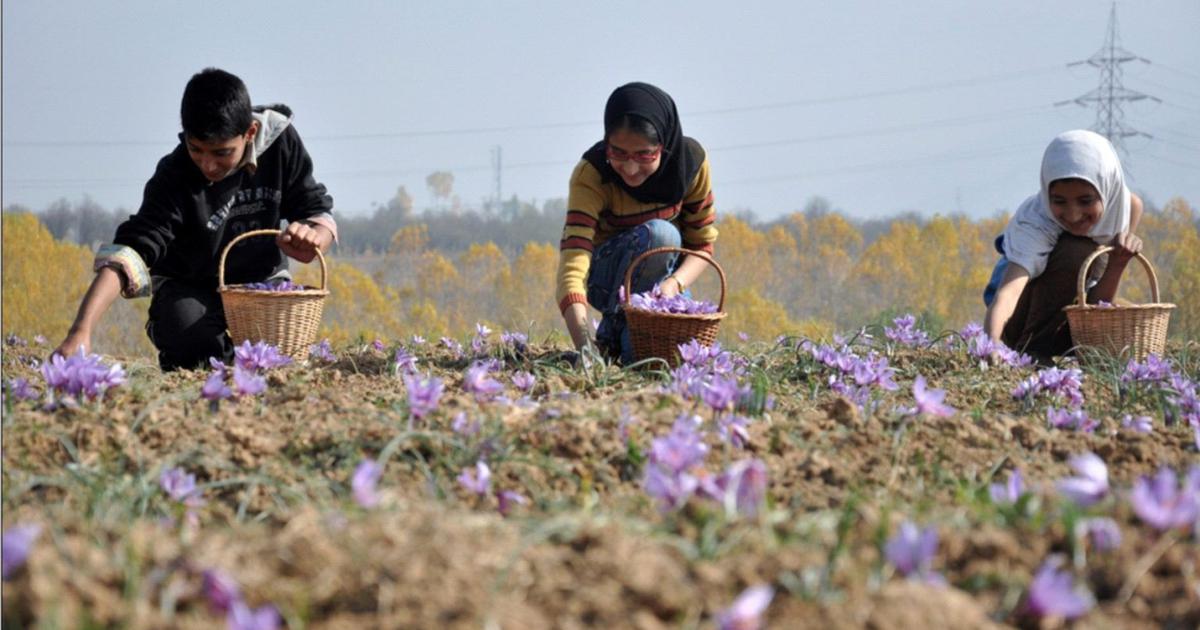
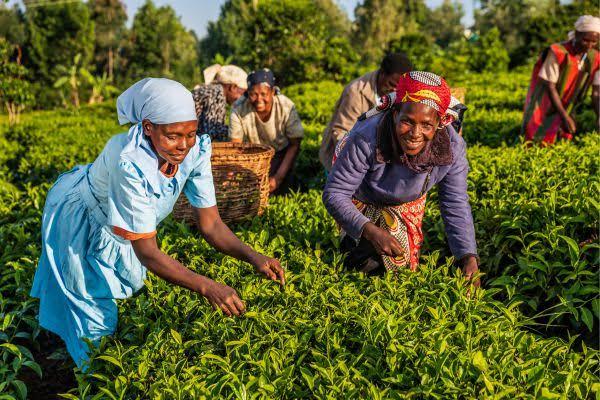
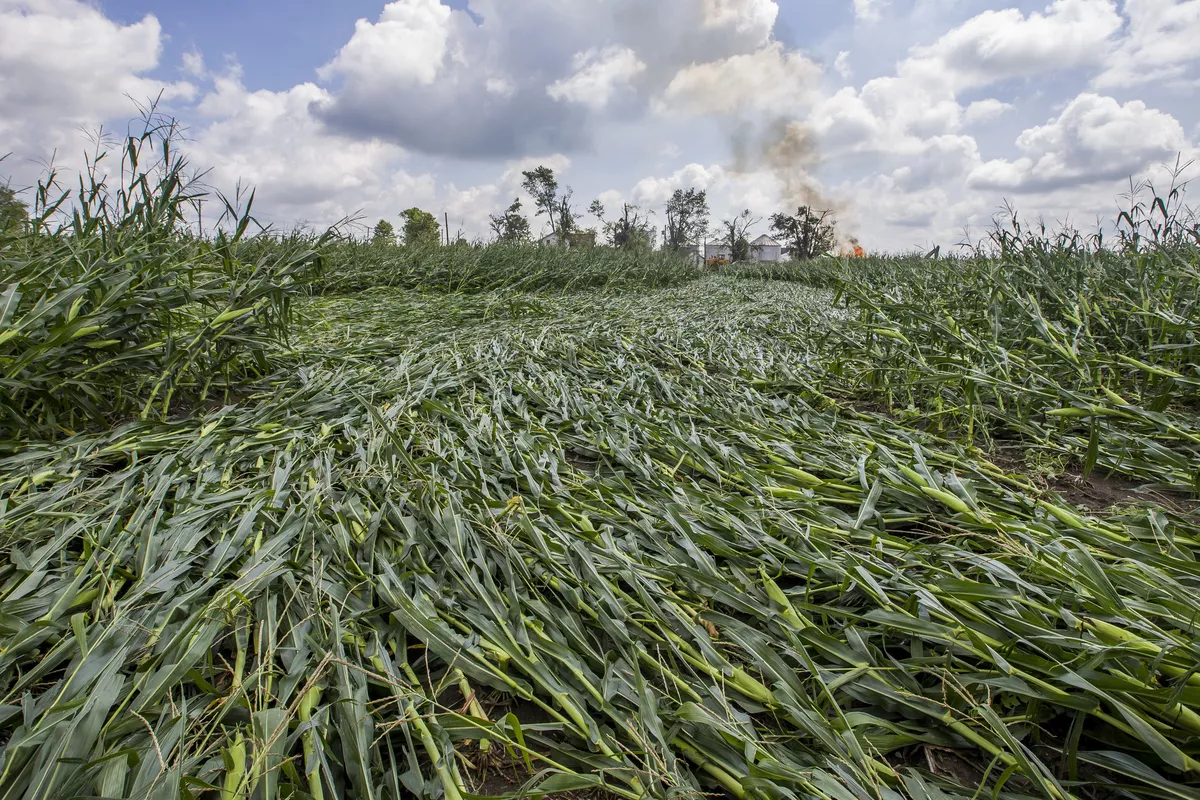
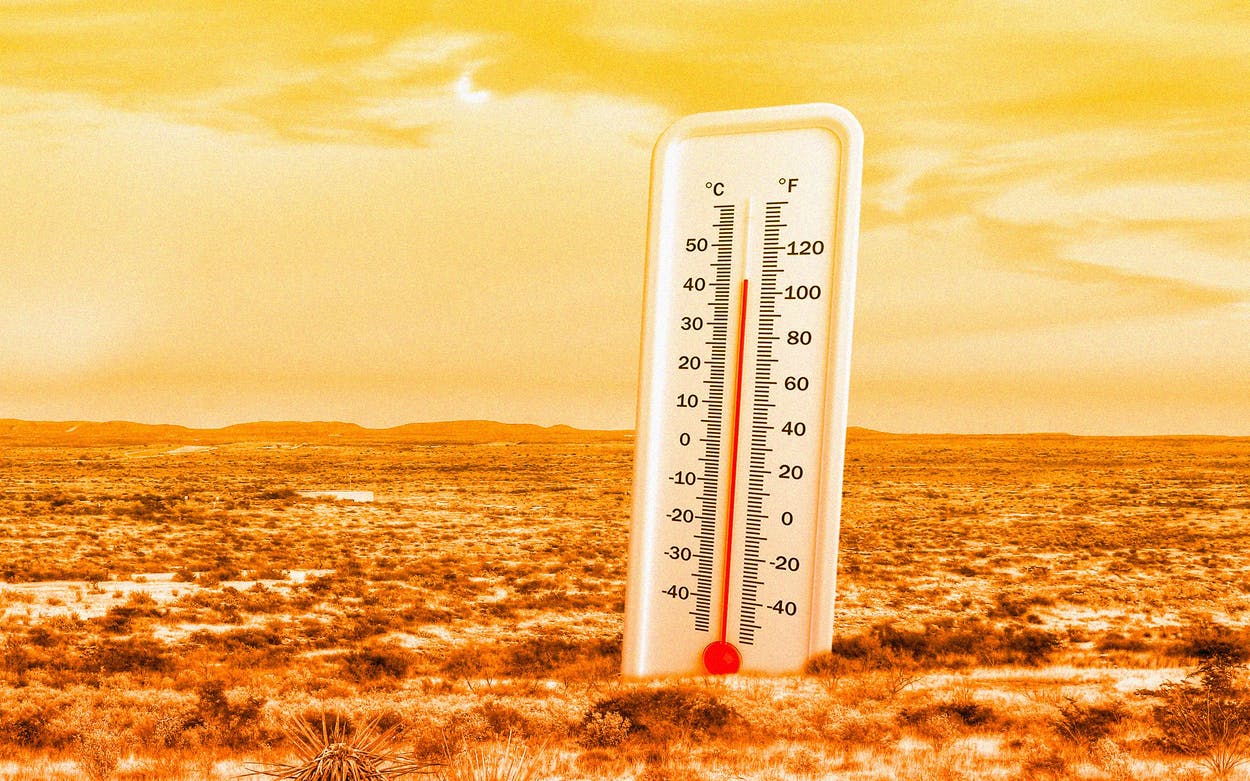
Those places are dry because they are hot. The extraordinary heat domes that have clamped down on parts of the U.S. aren’t only making life miserable for people, including city dwellers without adequate indoor cooling or drivers and farm workers forced to work outdoors. They also are harming crops: slowing growth, reducing yields, and undermining harvests. The disruptions aren’t yet a catastrophe; the U.S. is still growing enough calories to feed its people and to trade internationally. But crop and climate experts worry that they are a sign of increasing instability in food production, as unpredictable weather undermines the seasonal patterns that farmers rely on.
“Climate models for agriculture have projected into the future based on what happened in the past,” says Erin Coughlan de Perez, a climate scientist and associate professor at Tufts University’s Friedman School of Nutrition Science and Policy, and lead author of a June study predicting that 100-year heat waves could begin cycling as rapidly as every six years in the Midwest, undermining wheat plants’ development. “In the past, maybe temperature was not a constraint on wheat; maybe it didn't ever reach temperatures that cause crop loss,” she continues. “But that doesn't mean it won't happen in the future.”
Reports from across the U.S. attest to crops being harmed by heat and drought. In Georgia — still known as the Peach State though it is only the third-biggest producer — almost all the peach crop was lost to an unseasonably warm February followed by two late freezes in March. In Texas in June, cotton plants alarmingly shed their bolls, the hard fruits that hold the valuable fibre, in order to survive the metabolic stress of hot nights. The Kansas winter wheat crop, which is harvested in summer, is predicted to be the smallest in more than two decades.
The problems created by extreme heart are not limited to U.S. farms. Spain, the world’s largest producer of olive oil, faces a bad harvest for the second year in a row because of a spring heat wave that affected olive trees’ flowering, followed by extreme summer heat that is causing unripe fruit to drop. Blistering heat in Italy has cut tomato production by a third. The European farming organization Copa-Cogeca predicted in July that heat and drought would slash grain harvests in almost every EU nation. India, the world’s largest rice exporter, has banned the export of some varieties because unusual weather patterns are reducing production. In China, both row crops and farmed animals have been killed by heat waves. And in Iran, the government put the entire country on pause for two days this week because temperatures were so high.
All of these unpredicted shortfalls are being made worse in agricultural markets by the ongoing crisis in Ukraine — one of the world’s major breadbaskets, which has now been under attack by Russia for more than 500 days. In July, Russia unilaterally withdrew from a United Nations pact that allowed Ukrainian grain to be transported out of the Black Sea, depriving an array of nations from receiving shipments and spiking international prices for wheat and corn. Russia followed that action by saying it would construe any cargo ships heading to Ukrainian ports to be carriers of military materiel, a not-subtle threat of attack. It then bombed both Ukraine’s Black Sea port of Odesa and also grain depots in Reni and Izmail on the Danube River, which analysts had hoped might provide an alternative export route.
Though the collapse of Black Sea access could block the largest volumes of grain from getting out, it’s the attack on the Danube side that is worrying analysts most right now, says Kyle Holland, a market analyst at the international commodity consultancy Mintec who studies Ukraine’s oilseed and sunflower production. The ports, which are inland from the Black Sea, can accept grain from within Ukraine and funnel it either downriver toward the Romanian port of Constanta or upriver into Europe. But they handle much smaller volumes of grain than Odesa and other blockaded seaports did. “Freight rates are pretty high anyway for that region, as you may imagine, because of the extended risks,” Holland says. “But the concern is now how many underwriters and shippers will be willing to insure vessels that go in and out of that region.”
Bottling up Ukraine’s grain and seed production is likely to stress world markets and raise prices, but ag experts point out that other areas can fill the gap. “People tend to forget about the Southern Hemisphere,” says Darren Hudson, a professor and chair of the International Center for Agricultural Competitiveness at Texas Tech University. “They think that whatever happens in Europe determines what's going on in the world — but Brazil, Argentina, Australia are all huge producers of food crops. The Southern Hemisphere is planting now, so they've got some ability to flex and move and add acres.”
The greatest challenge posed by extreme weather right now, agronomists say, is to specialty crops: the peaches in Georgia and olives in Spain, for instance, but also berries in the Pacific Northwest and cherries in western Michigan, which were hit hard by unseasonal heat two years ago, and almonds in California, which have endured the double punch of drought last year and flooding storms this spring. Those kinds of crops aren’t globalized; they depend on the climatic conditions in certain areas, and entire local economies rise and fall with them. “Corn, soybeans, wheat, cotton, rice can be produced in a variety of latitudes,” says Chad Hart, an economist and agriculture professor at Iowa State University. “But fruits and vegetables are much more susceptible to weather issues driving significant price shifts.”
Losing a regional crop is a problem for nutrition; if you rely on one plant to supply a crucial nutrient, and it fails, you have to go looking for that vitamin somewhere else. But it’s also a challenge to predict future harvests. After all, you wouldn’t plant something if you didn’t feel moderately confident it would grow.
“We actually had a decent amount of rainfall in April and probably early May, and it looked like we were going have a great [cotton] crop if we had just caught another rain or two in June,” says Joshua McGinty, an associate professor at Texas A&M University and an agronomist in its Corpus Christi research station. “But then the heat set in, and then on top of that, the soil got dry. And we went from being very optimistic about cotton yields to being maybe average in some of the better cotton varieties, and certainly below average on a lot of our later-planted cotton.
“But interestingly,” he adds, “our grain yields, corn and sorghum were substantially higher than average this year. It wasn’t terribly warm in the spring and we had some good rains, and they made a great crop.”
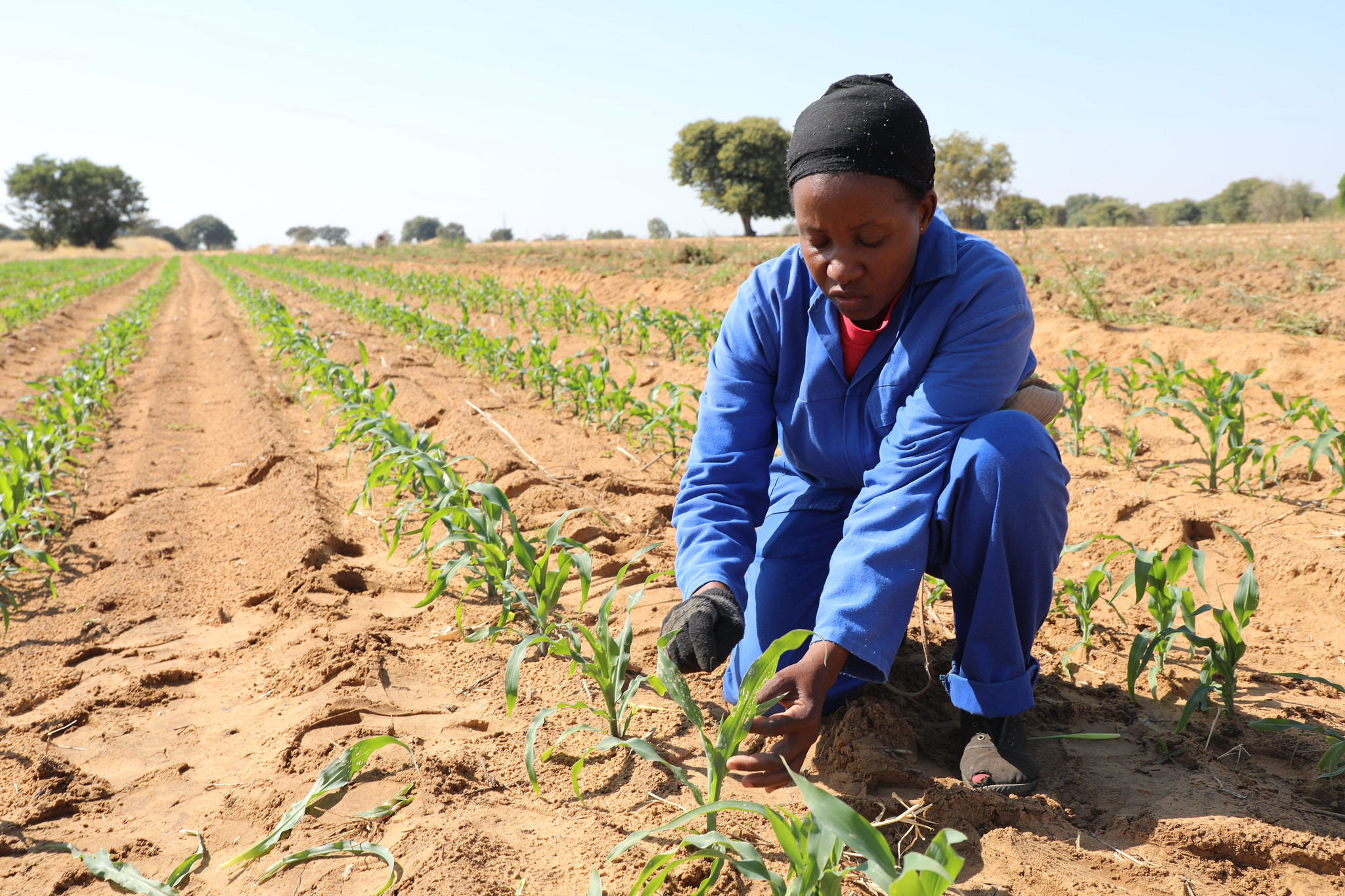
In coastal Texas, corn and sorghum are harvested by mid-July, which this year was before the heat dome moved in. That made 2023 a luckier year than 2022 — when, McGinty says, it didn’t rain during the entire growing season. Or 2021, when it rained nonstop. That kind of unpredictability drives the sort of research that occurs at his station and many other land-grant universities, searching for crops that have been cross-bred to be resilient in the face of unpredictable weather and long-term change: corn with drought tolerance, cotton that can withstand hot nights, rice with stronger stalks to stand up against hurricane winds.
But as weather patterns shift, farming has no choice but to follow them. That’s why North Dakota — once the centre of hard amber durum wheat production, the literal “amber waves of grain” in the song — has shifted substantially to corn and soybeans, crops that like the warmer, wetter weather that has moved in over the past 20 years.
“The idea is, you grow the crops that grow best in your area,” Hart says. “And that’s been changing over time.”
Source - https://www.nationalobserver.com