
USA - Tropical Storm Arthur caused over $112M in agriculture damages

03.08.2026 541 views

Tropical Storm Arthur caused over $112 million in agriculture and infrastructure damage to many parts of central Louisiana. 

The first storm of the 2026 hurricane season contributed major economic losses in many parishes. Severe flooding affected agricultural operations in Avoyelles, Catahoula, Concordia, Evangeline, Pointe Coupee, Rapides and St. Landry parishes. 

Some areas received over three inches of rain per hour, and parts of Avoyelles Parish got more than 29 inches within 24 hours, the LSU AgCenter said in a news release. The AgCenter conducted a survey to assess damage to these areas and found that about 190,719 acres of crops were affected by flooding and excess moisture. 

“Producers reported approximately 19,444 prevented planted acres, more than 76,000 acres with expected quality losses and nearly 15,000 acres requiring additional fertilizer applications to address nutrient losses associated with flooding,” Kurt Guidry, AgCenter economist, said in a prepared statement. “Losses of stored commodities, particularly rice and soybeans, were also reported.”

AgCenter researchers also found that a large amount of farm infrastructure was damaged. Responding farmers reported damage to 375 pieces of machinery and equipment, 41 grain storage facilities, 95 farm buildings and 154 miles of fencing. In addition, producers operated pumps for an estimated 4,720 hours to remove floodwater from production fields and reduce additional crop damage.

Data from the survey shows that most of the economic losses came from crop damage, which was estimated at $88.1 million. 

“The vast majority of losses were concentrated in Avoyelles, St. Landry and Rapides parishes, which together accounted for nearly 90% of the total estimated damages,” Guidry said. “Avoyelles Parish alone represented more than 60% of the statewide impact, reflecting the extreme rainfall and flooding experienced within the parish.”


Source - https://www.wbrz.com

08.11.2026

Tanzania Secures $997,000 AfDB Grant to Expand Climate Insurance for Farmers

The project, titled “Bridging the Agricultural Risk Protection Gap to Scale Climate Smart Insurance,” is expected to benefit 300,000 farmers across 15 regions of Tanzania.

08.11.2026

India - Pune’s Crop Insurance Test Begins as Drought Cuts Kharif Yields

Pune’s crop insurance system is now facing a significant test after crop-cutting experiments recorded a 20-22% decline in soybean productivity and a 15% fall in maize production during a drought-affected kharif season. 

08.11.2026

Australia - Severe weather thwarts Victorian farmers ahead of bumper harvest

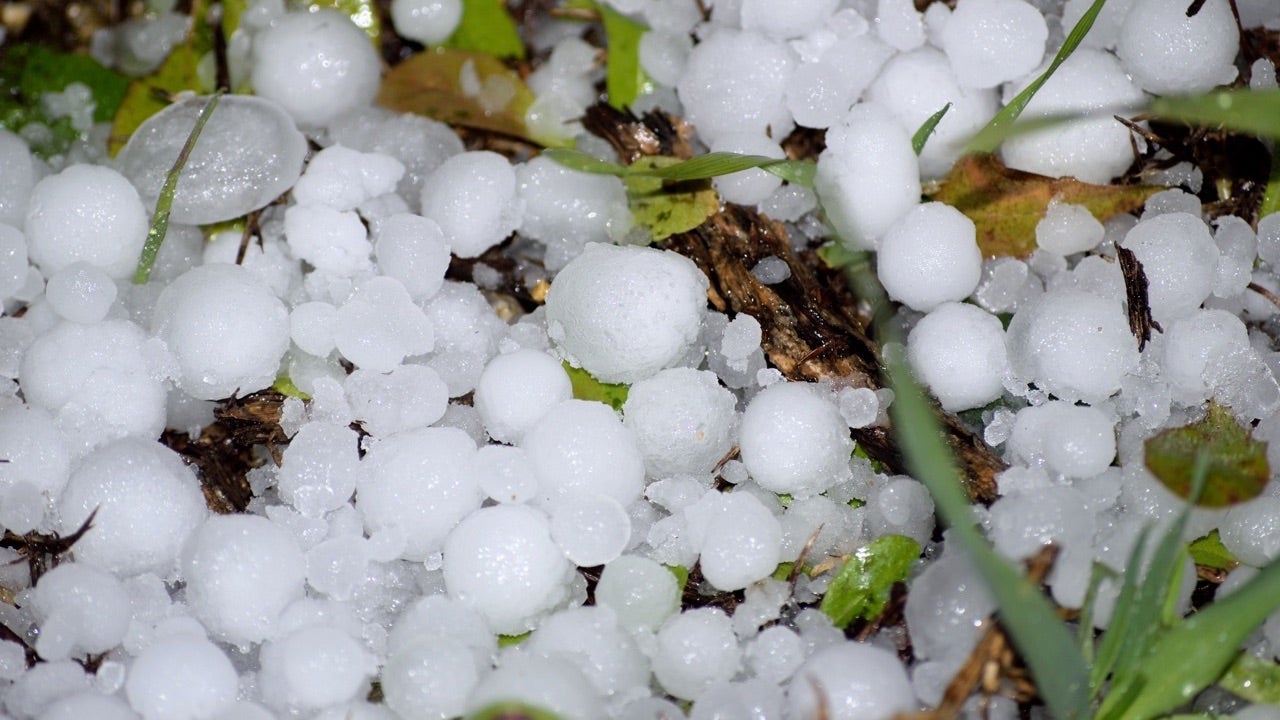
A hailstorm that smashed parts of Victoria's Mallee this week has devastated thousands of hectares of wheat, barley, lentils, canola and other cereal crops.

08.11.2026

Sudan fuel shortages damage crops in El Gezira as food prices soar, bakeries strike in North Kordofan

Fuel shortages and soaring production costs are damaging agricultural crops in Sudan’s El Gezira state, while rising food and transport prices are placing further pressure on household budgets.

08.11.2026

USA - Farm Banks Warn $140 Billion in Government Aid Is Masking Financial Risks

Agricultural lenders warn that $140 billion in emergency farm aid since 2018 may be masking financial risks as producers face rising costs.

08.11.2026

India - Yogi Government Doubles Disaster Death Compensation; Farm Aid Up by a Quarter

The Chief Minister’s Office says the revised norms will reach more than 10 lakh farmers, with higher payouts for crops, cattle, silk, homes and schools.

05.11.2026

Sudan asks insurance companies to fund winter agricultural season

The Sudanese government has urged insurance companies to use deposit surpluses and investments to finance the 2026-2027 winter agricultural season.

05.11.2026

Canada - Saskatchewan harvest now 99% complete: crop report

Harvest has wrapped up across Saskatchewan, with 99 per cent complete and only a few acres of later-seeded crops remaining in the field. Despite the challenges experienced this year, crop yields were consistent with 10-year averages and while many crops graded in the top-quality categories, some downgrading did occur due to late-season rain and pest activity.