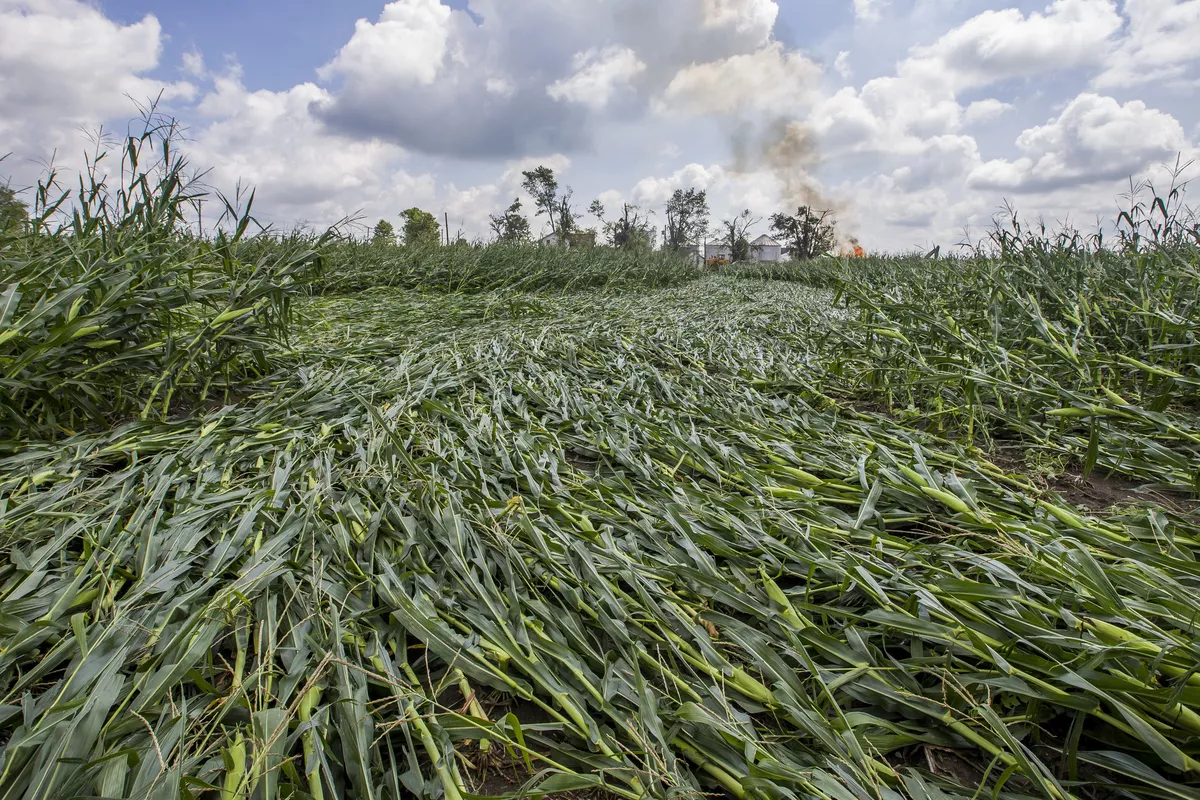
The U.S. Department of Agriculture reminds communities, farmers and ranchers, families and small businesses in the path of Hurricane Lee that USDA has programs that provide assistance in the wake of disasters. USDA staff in the regional, state and county offices stand ready and are eager to help.
USDA partnered with FEMA and other disaster-focused organizations and created the Disaster Resource Center. This central source of information utilizes a searchable knowledge base of disaster-related resources powered by agents with subject matter expertise. The Disaster Resource Center website and web tool now provide an easy access point to find USDA disaster information and assistance. USDA also developed a disaster assistance discovery tool specifically targeted to rural and agricultural issues. The tool walks producers through five questions that generate personalized results identifying which USDA disaster assistance programs can help them recover from a natural disaster.
USDA also encourages residents and small businesses in impact zones to contact a local USDA office to determine which assistance programs might meet their individual needs.
Food safety guidance:
Severe weather forecasts often present the possibility of power outages that could compromise the safety of stored food. USDA encourages those in the path of the storm to take the following precautions:
- During a power outage, the refrigerator will keep food at a safe temperature (below 40°F) for up to 4 hours. A full freezer will hold a safe temperature for approximately 48 hours (24 hours if it is half full). Keep refrigerator and freezer doors closed to prevent cold air from escaping.
- Keep an appliance thermometer in both the refrigerator and freezer in the event you do need to check the refrigerator or freezer temperatures.
- Freeze water in small plastic storage bags or containers prior to a storm. These containers are small enough to fit around the food in the refrigerator and freezer to help keep food cold.
- Freeze refrigerated items, such as leftovers, milk and fresh meat and poultry that you may not need immediately—this helps keep them at a safe temperature longer.
- Consider getting 50 pounds of dry or block ice if a lengthy power outage is possible. This amount of ice should keep a fully-stocked 18-cubic-feet freezer cold for two days.
- Group foods together in the freezer—this ‘igloo’ effect helps the food stay cold longer.
- Keep a few days’ worth of ready-to-eat foods that do not require cooking or cooling.
For questions about food safety, call the Meat and Poultry Hotline at 1-888-674-6854, Monday - Friday from 10 a.m. to 6 p.m. ET (English or Spanish), email MPHotline@usda.gov or live chat at Ask USDA.
Owners of meat and poultry producing businesses who have questions or concerns may contact the FSIS Small Plant Help Desk by phone at 1-877-FSIS-HELP (1-877-374-7435), by email at infosource@fsis.usda.gov, or 24/7 online at www.fsis.usda.gov/wps/portal/fsis/topics/regulatory-compliance/svsp/sphelpdesk.
Protecting pets and livestock:
USDA's Animal and Plant Health Inspection Service (APHIS) is urging everyone in the potential path of the hurricane to prepare now – not just for yourselves, but also for your pets and your livestock:
- Plan for evacuation – know how you will evacuate and where you will go. If it is not feasible to evacuate your livestock, be sure to provide a strong shelter, and adequate food and water that will last them until you can return.
- If you are planning to move livestock out of state, make sure to contact the State Veterinarian’s Office in the receiving state before you move any animals. You also may contact APHIS Veterinary Services state offices for information and assistance about protecting and moving livestock.
- Listen to emergency officials and evacuate if asked to do so.
Risk management and disaster assistance for agricultural operations:
USDA offers several risk management and disaster assistance options to help producers recover after disasters.
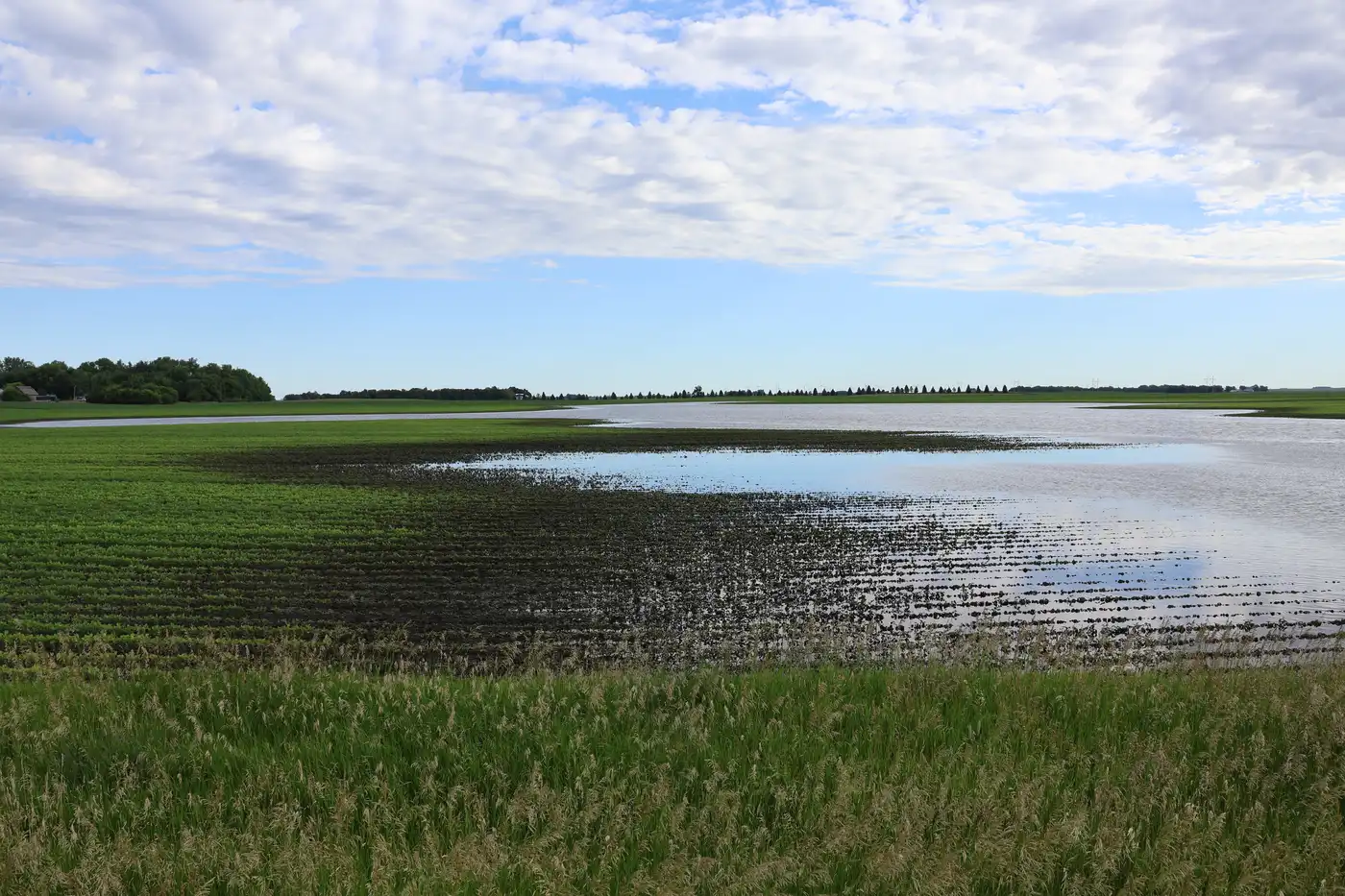
Producers who suffer losses and whose crops are covered for the 2023 crop year by the Federal Crop Insurance Program or the Noninsured Crop Disaster Assistance Program (NAP) are asked to report crop damage to their crop insurance agent or local FSA office.
Livestock and perennial crop producers often have more limited risk management options available, so there are several disaster programs for them. Key programs offered by USDA’s Farm Service Agency include:
- The Livestock Indemnity Program and the Emergency Assistance for Livestock, Honeybee and Farm-raised Fish Program reimburses producers for a portion of the value of livestock, poultry and other animals that were killed or severely injured by a natural disaster or loss of feed and grazing acres.
- The Tree Assistance Program provides cost share assistance to rehabilitate or replant orchards and vineyards when storms kill or damage the trees, vines or bushes. NAP or Federal Crop Insurance often only covers the crop and not the plant.
- The Emergency Conservation Program and Emergency Forest Restoration Program can assist landowners and forest stewards with financial and technical assistance to restore damaged farmland or forests.
It is also critical that producers keep accurate records to document damage or loss and to report losses to their local USDA Service Center as soon as possible.
Additionally, USDA’s Natural Resources Conservation Service can provide financial resources through its Environmental Quality Incentives Program to help with immediate needs and long-term support to help recover from natural disasters and conserve water resources. USDA can also assist local government sponsors with the cost of recovery efforts like debris removal and streambank stabilization to address natural resource concerns and hazards through the Emergency Watershed Protection Program.
On farmers.gov, the Disaster Assistance Discovery Tool, Disaster Assistance-at-a-Glance fact sheet (PDF, 4.6 MB) and Loan Assistance Tool can help producers and landowners determine program or loan options. For assistance with a crop insurance claim, producers and landowners should contact their crop insurance agent. For FSA and NRCS programs, they should contact their local USDA Service Center.
USDA’s Food and Nutrition Service (FNS) is also ready to work with the Federal Emergency Management Agency (FEMA), and standing by for requests for assistance from states and local authorities, to provide emergency nutrition assistance to people in need.
USDA touches the lives of all Americans each day in so many positive ways. In the Biden-Harris Administration, USDA is transforming America’s food system with a greater focus on more resilient local and regional food production, fairer markets for all producers, ensuring access to safe, healthy and nutritious food in all communities, building new markets and streams of income for farmers and producers using climate smart food and forestry practices, making historic investments in infrastructure and clean energy capabilities in rural America, and committing to equity across the Department by removing systemic barriers and building a workforce more representative of America. To learn more, visit www.usda.gov.
Source - https://www.usda.gov