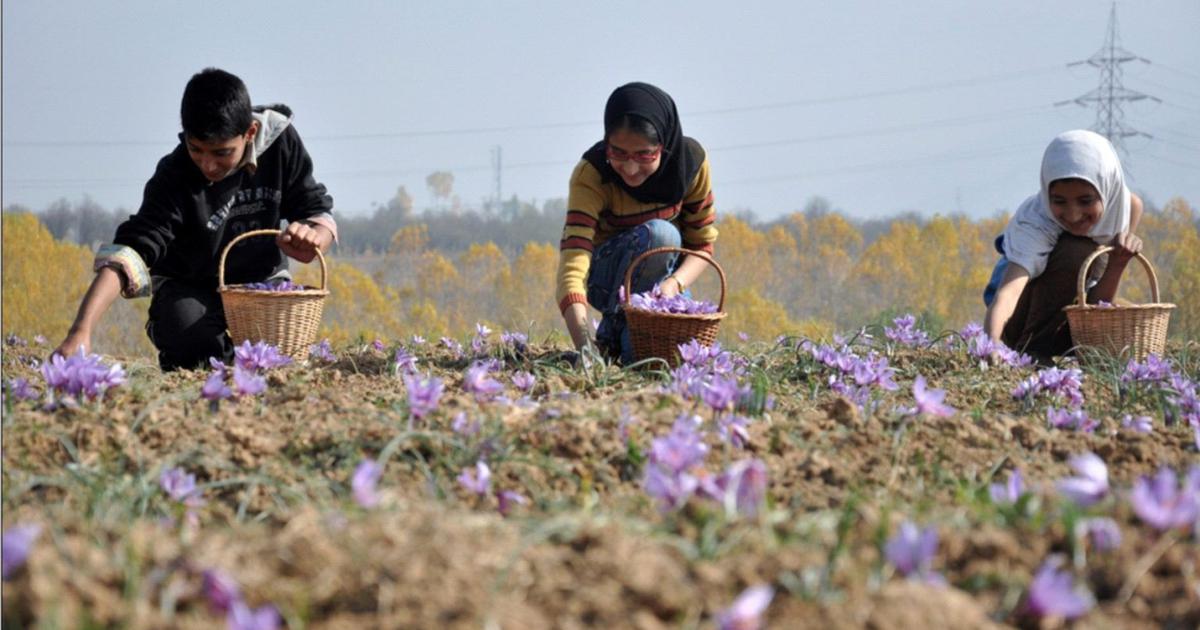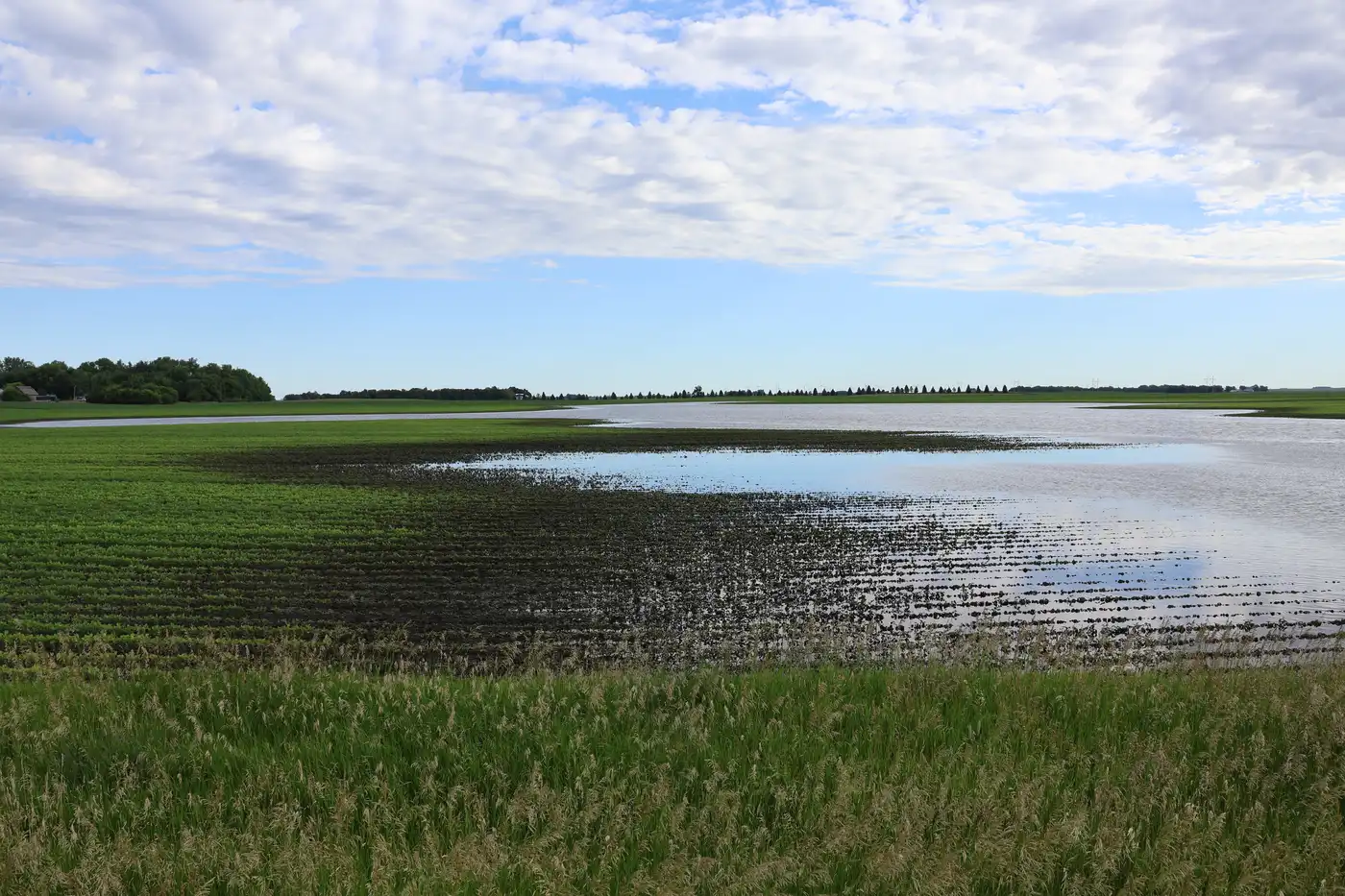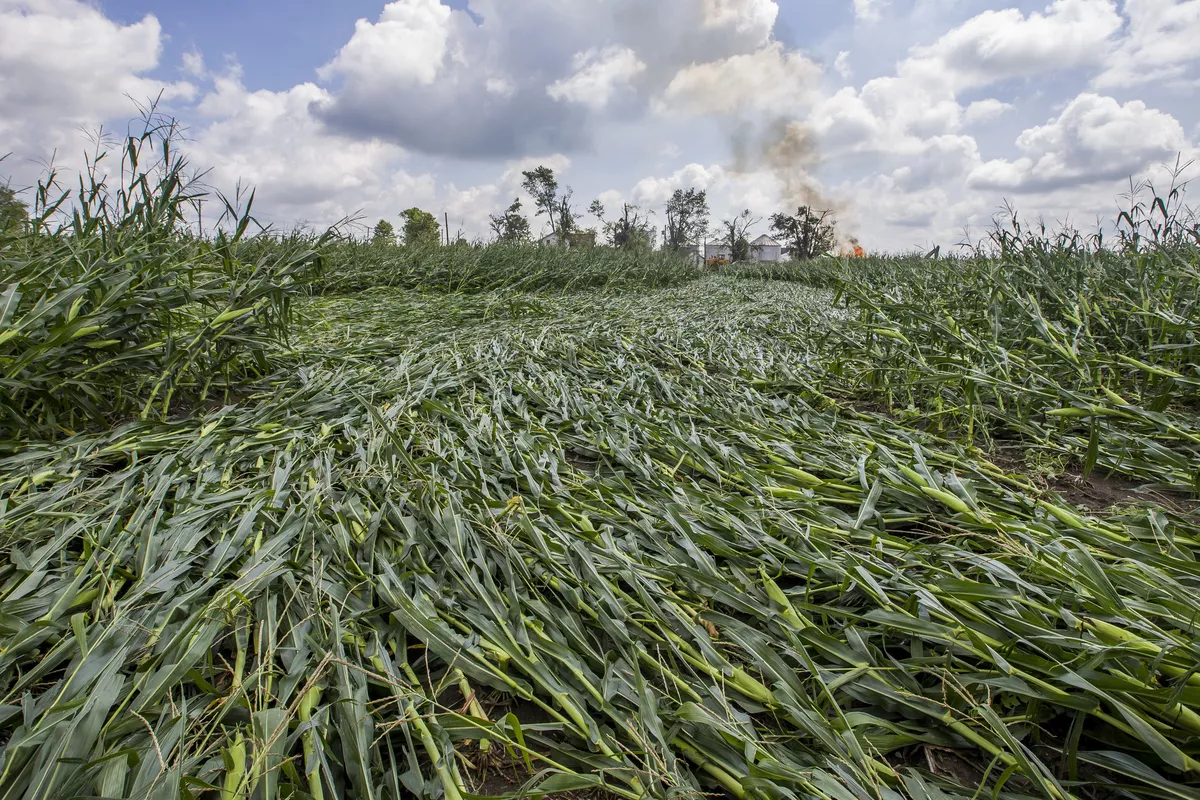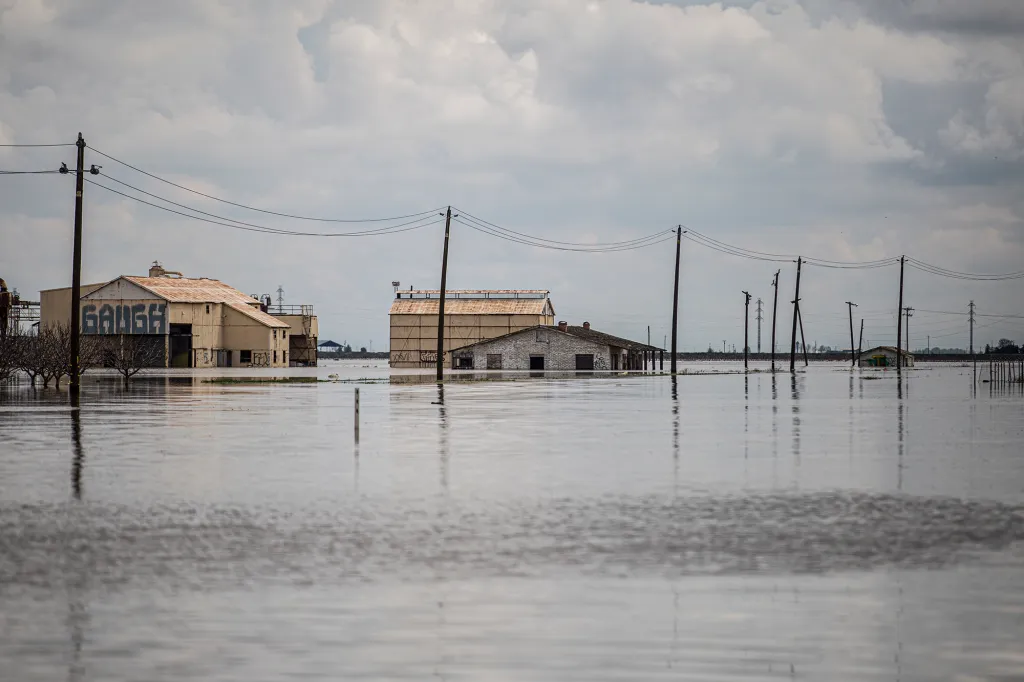
As Vermont farmers continue to assess flood damage, U.S. Department of Agriculture officials encourage them to report their losses.
More than 230 farms have reported damage to fields, crops and forest, according John Roberts, Vermont’s state executive director of USDA’s Farm Service Agency. But he expects more are out there.
"When you look back at Irene — which was 11 years ago, 12 years ago — in that disaster, which is pretty similar, we had, you know, over 450 farms report damage," Roberts said.
When Vermont can demonstrate a 30% loss in a county, that’s when Roberts said it will be eligible for a Secretarial disaster declaration. Gov. Phil Scott requested one for Vermont on July 14.
The declaration would open up low-interest loans for farmers to potentially refinance existing loans, according to Roberts.
“We all know that farmers don't — they don't really want to take out more loans," he said. "But if you use it creatively, you can, you know, reduce your payment, reduce your interest rate, which frees up monthly cash.”
Roberts said the declaration will also provide extra time for farmers to report damages to programs like the Noninsured Crop Disaster Assistance Program.
The USDA's Natural Resources Conservation Service also has programs available to help Vermont farmers and landowners with financial and technical assistance repairing flood damage.
Travis Thomason, the state conservationist in Vermont for the USDA's NRCS, says the Emergency Watershed Protection program relieves imminent threats to life and property from a watershed impaired by a natural disaster.
"EWP requires a sponsor, and it's typically a unit of local or state government," Thomason said. "And I might mention, too, that EWP can't provide funding for activities that have already been completed."
What it can do is:
- Remove debris from stream channels, roads, culverts and bridges
- Reshape or protect eroded stream banks
- Fix damaged drainage and impoundment structures
- Establish vegetation on critical eroded land
- Do buyouts in flood prone-areas
Thomason said the NRCS' Environmental Quality Incentives Program also can help with disaster recovery in Vermont through soil erosion protection, controlling the spread of noxious and invasive plants, safeguarding water quality, or helping restore livestock infrastructure for grazing management.
He noted any farmers who have lost livestock to the floods can get help disposing of those animals, too.
Both Thomason and Roberts encouraged Vermont farmers to their local USDA service center, which you can find here.
Here are more local resources currently available for Vermont farmers:
- NOFA-VT Farmer Emergency Fund (grants up to $5,000)
- Intervale Center Recovery Fund (cleanup and recovery funds for Intervale Center and farms)
- Vermont Farm Fund at the Center for an Agricultural Economy (0% interest loan funds)
- FarmFirst (mental health and other resources for farmers)
- Vermont Agency of Agriculture, Food and Markets (resource page)
- Free soil testing (from UVM Extension, through Aug. 15)
Source - https://www.vermontpublic.org