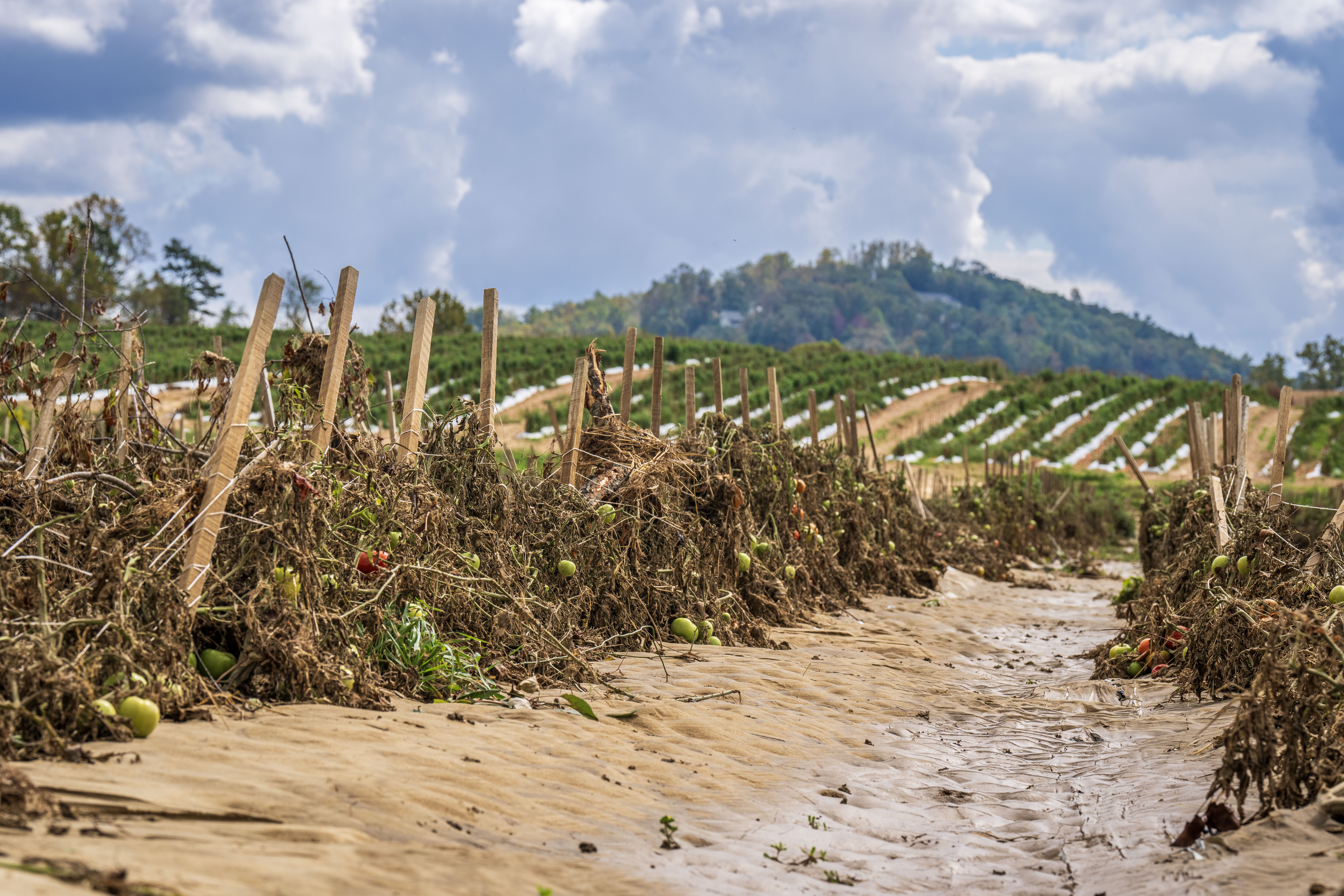
Spring as a whole tilted very warm, but it was interspersed with short but sharp cold spells. Drought also continues.
It has been an unseasonably warm, often summerlike, spring in much of Virginia, but Gov. Abigail Spanberger’s office last week announced that she was urging federal government assistance to “Virginia farmers affected by the unseasonable cold.”
That was not a misprint or misinterpretation of weather and climate data. Short but sharp unseasonable cold snaps within long periods of unseasonable warmth have caused considerable damage to Virginia fruit and grain crops.
The yo-yo of a spring that has more often seemed to want to be summer or winter has continued, though to a lesser degree, as we enter meteorological summer with the start of June this week.
Some cool mornings and relatively mild highs early this week will gradually slide toward the hot side again by late week, with some lower 90s possible by the weekend.
A few quirky statistical examples illustrate the seesaw nature of this spring’s temperatures.
- On March 11, many locations in our region topped 80 degrees, and South Boston hit 90. On March 12, many locations in our region had at least a skiff of snow.
- Roanoke experienced its warmest April in 115 years of weather records, averaging 62.3 degrees — yet, a morning low of 31 on April 21 became the Star City’s latest freeze (32 degrees or colder) of the 21st century to date.
- On May 3, Danville recorded its fourth latest spring freeze on record, going back to 1917, when it dropped to 32. Barely more than two weeks later, on May 18, Danville reached 95 degrees on the eighth earliest date on record, and the earliest in 36 years — and then hit 95 two more days in a row, the most 95-degree days in May since 1941.
- Burke’s Garden hit 83 on May 20 — it hasn’t been hotter in May since 1962. That came 12 days after a low of 26 — it’s only been colder in May three times since 1990.
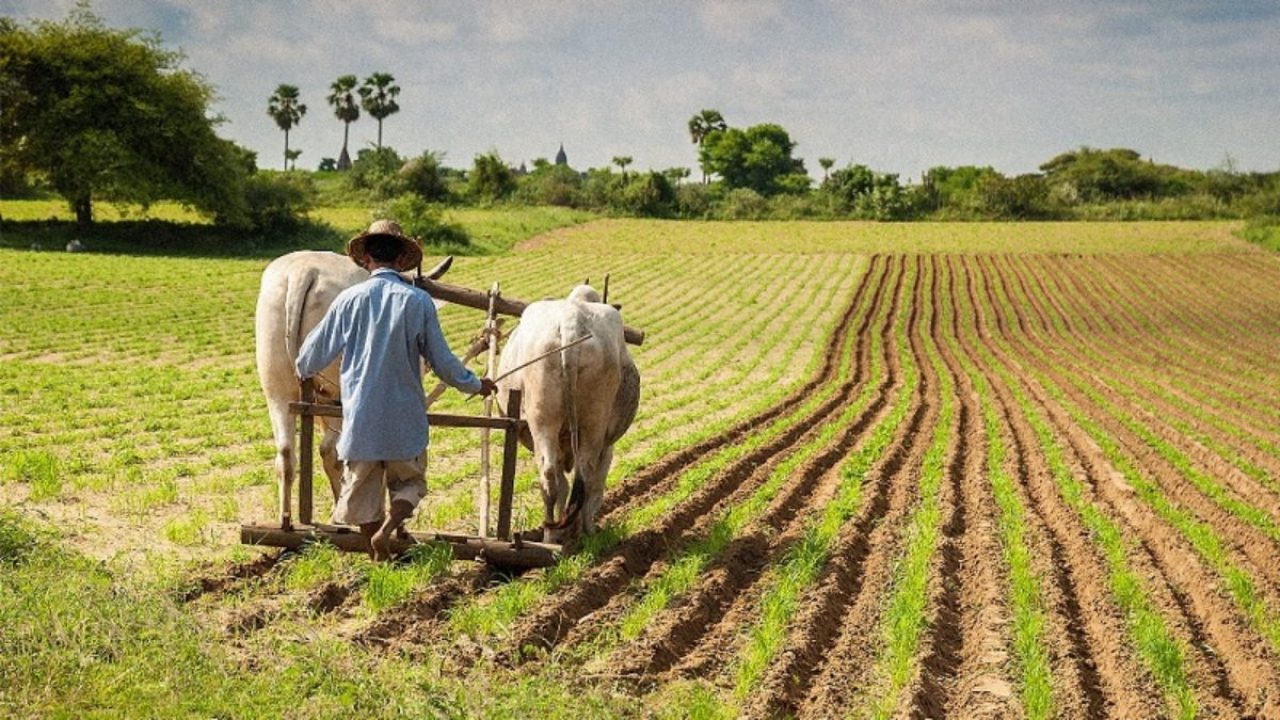
While the heat has tended to be a little worse in urban areas, the chilliest nights have happened in more rural areas and valleys where agriculture is most prevalent.
“Virginia saw several weeks of warm weather in the early spring that pushed shoots, buds, and blossoms on fruits, vines, and ornamental trees, and promoted development in small grain crops,” the news release from the governor’s office states. “Following this warm period, the Commonwealth saw widespread freezing temperatures, with some areas recording temperatures in the 20s across multiple nights in March and April. According to reports provided by Virginia Cooperative Extension (VCE), losses are well above the 30 percent disaster trigger as a result of these freezing temperatures, with some growers anticipating a 100 percent loss. “
Preliminary direct loss estimates for commodities by the Extension service are between $32.4 million and $105.3 million, according to the news release, but when “future income and ripple effect losses are eventually incorporated, total losses are expected to be exponentially higher.”
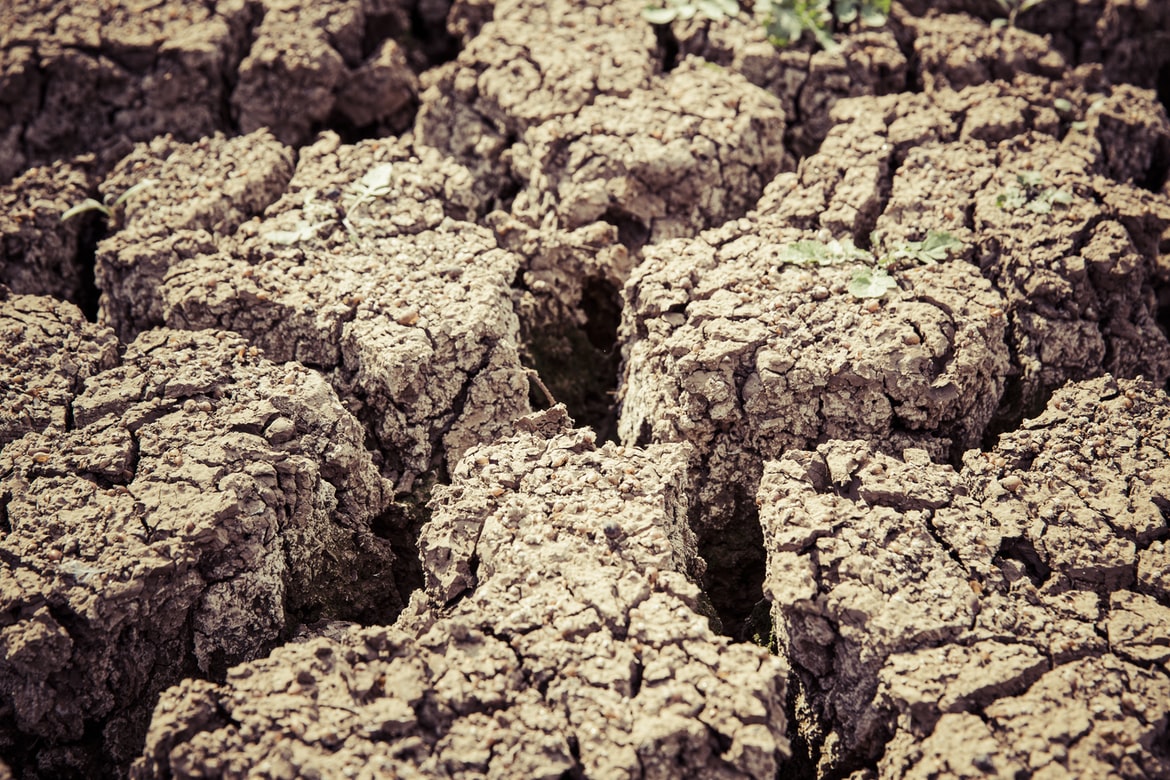
And of course, we have a long-term severe to extreme drought continuing that is exacerbating problems in the state’s agriculture.
Last week’s fairly widespread showery rain was helpful for short-term dryness but just scraped the surface of what is needed to dig out from many months of drought. Little or no rain is expected through the weekend, but a more showery pattern may resume next week.
Generally, the ups and downs of temperature stabilize quite a bit as we approach summer, but extremes in rainfall between heavy localized downpours in sparse thunderstorms and sun-baked dryness can become even more stark.
Source - https://cardinalnews.org