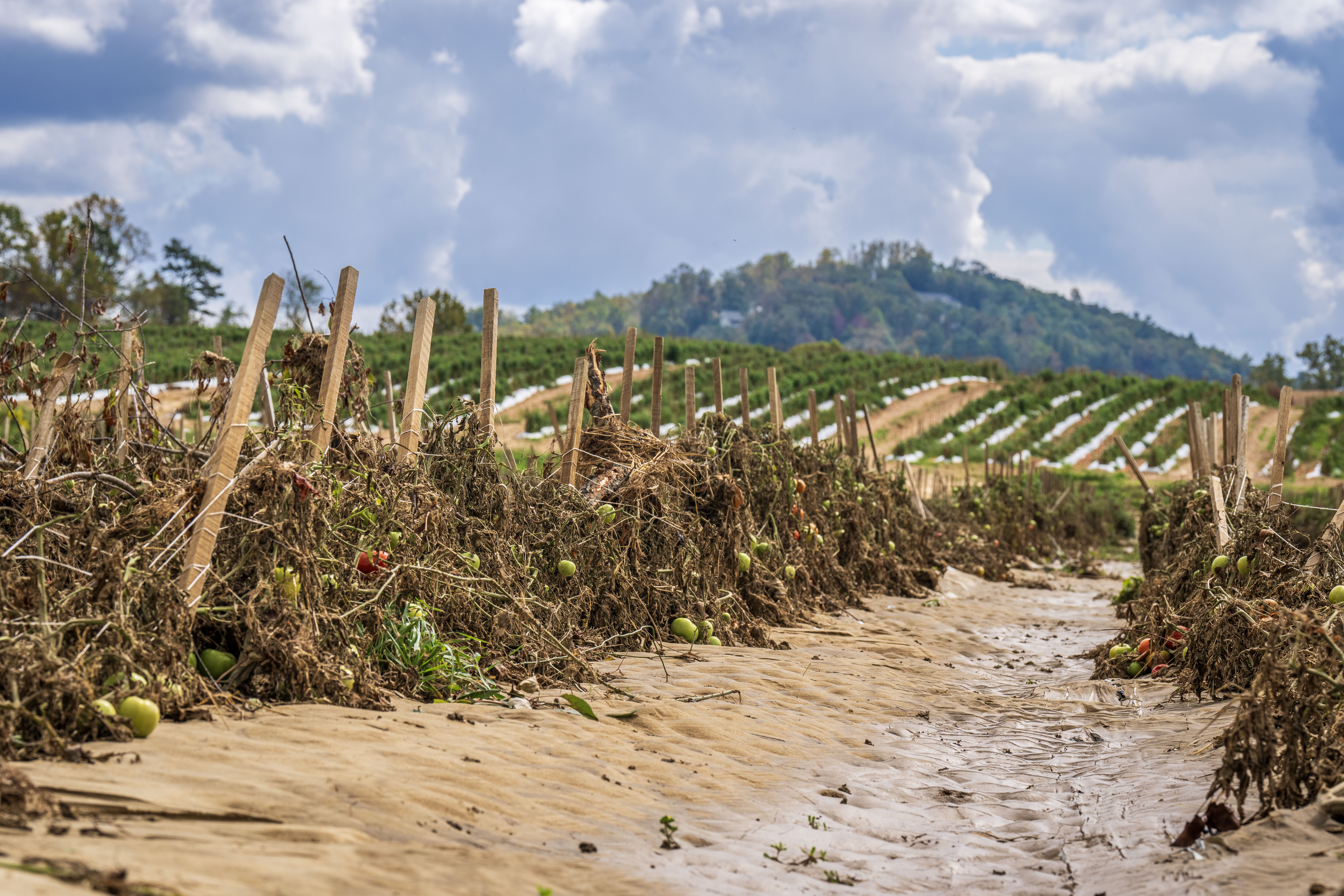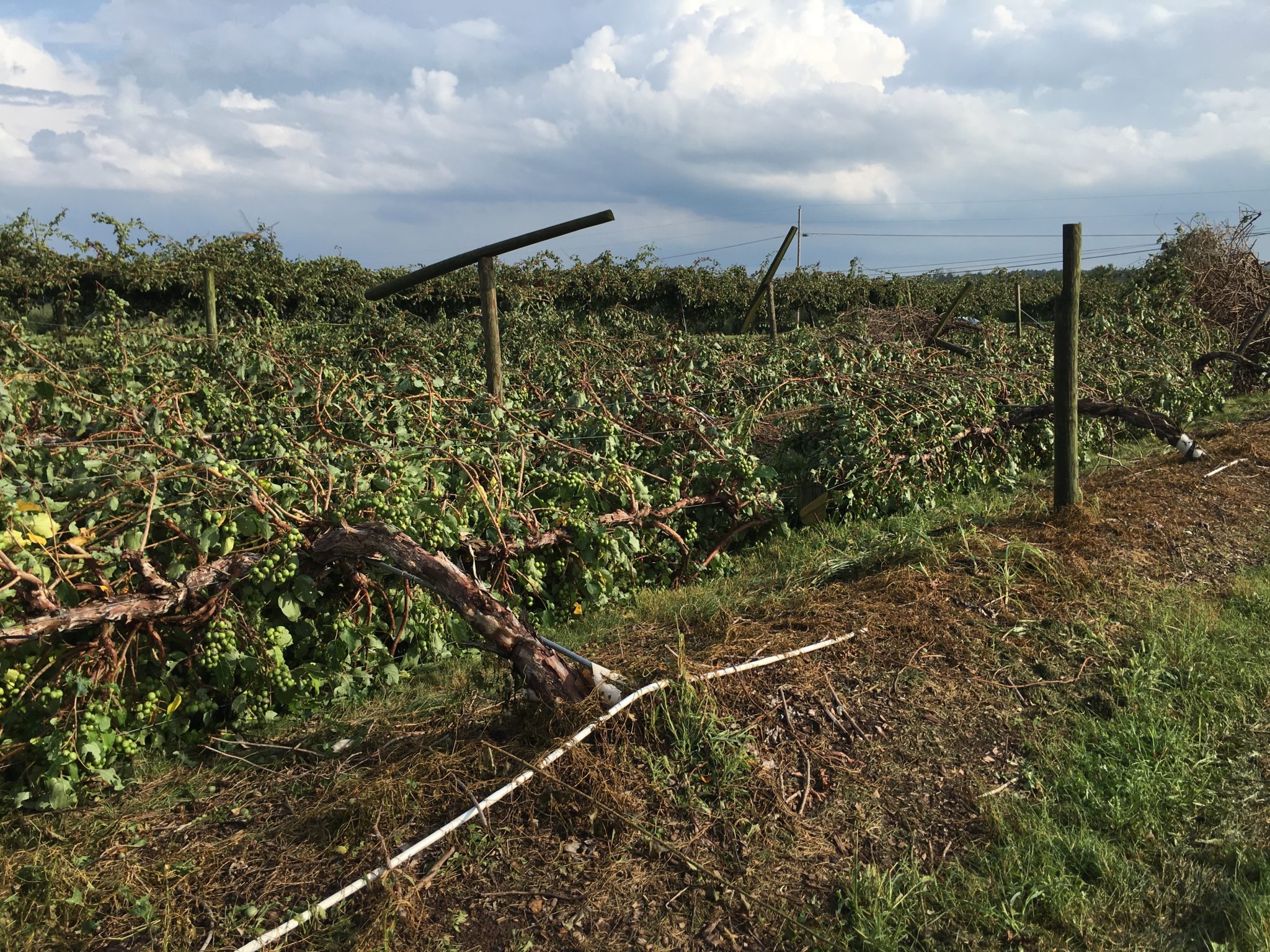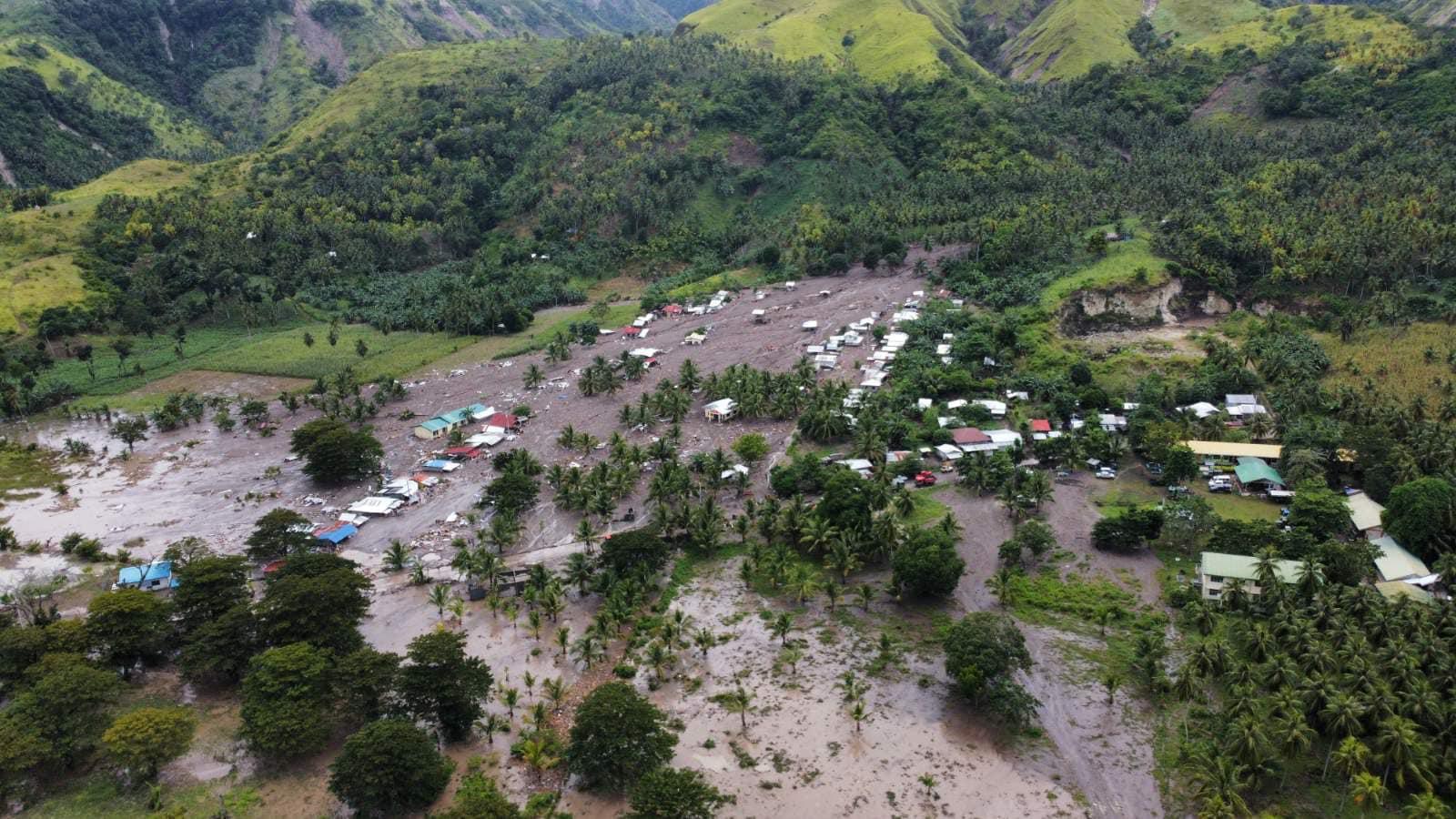
Last year brought months of challenging weather to Vermont. Persistent rainstorms set records that caused catastrophic flooding throughout the state and the Northeast. The flooding prompted emergency evacuations, closed access to multiple towns, and damaged homes and communities.
The agriculture sector was also hit incredibly hard. After a late freeze in May that destroyed fruit and berry crops, the flooding and heavy rain in July decimated crops and infrastructure. Many crops were destroyed prior to harvest, and the timing of the event and continuing wet weather last summer left farmers without an opportunity to replace them during the growing season. Lost crops and revenue put Vermont’s food system under duress.
Following these devastating events, the Vermont Agricultural Recovery Task Force was established last August to coordinate recovery efforts for Vermont’s agriculture and food systems. The Task Force has now released the Extreme Weather Impact & Recovery report to highlight the impacts, provide details and data, an overview of the various recovery efforts, and recommendations to continue, expand, and improve the state’s response to the ongoing challenges facing Vermont farms and farmers.
Some of the important impacts identified by farmers surveyed(1) after the flooding and included in this report are:
- 34% of respondents said their loss of feed crops was the most significant damage to their operation.
- 28.2% was the average loss of annual income reported as a direct result of the severe weather and flooding.
- 53% of respondents anticipated a feed shortage or problems with feed quality because of the severe weather and flooding.
- 56% of respondents said their cash flow will go negative in the next year because of the severe weather and flooding.
- 70% have no crop or livestock insurance. Those who do have crop insurance did not receive sufficient premium payouts to cover losses.
The Severe Weather and Flooding Loss & Damage Survey, conducted by the Vermont Agency of Agriculture, Food and Markets (VAAFM) from which the above data was derived, captured the immediate scope of need in the agricultural community and served a critical purpose in communicating that need to policy makers and others immediately following the event.
Six months after the flood, the full picture of loss sustained by the agricultural community is clearer. When combining total damages from the survey with reported damages (physical and economic) that agricultural applicants reported to the Business Emergency Gap Assistance Program (BEGAP), agricultural producers disclosed:
- $44,678,570 in combined damages.
- $69,592,774 when food services, food and agriculture related retail, and manufacturing and processing from the BEGAP is included.
In light of these findings, the Agriculture Recovery Task Force has developed recommendations to continue, expand and improve our response to the 2023 severe weather and the consequential impacts on Vermont farms. These recommendations will also inform future severe weather responses as Vermont continues to experience increased precipitation, more extreme weather events, warmer temperatures, and increased periods of drought because of climate change. These changing climatic conditions are anticipated to further complicate food production and increase the likelihood of crop damage and failure in Vermont and throughout the Northeastern United States. Simultaneously, disparate climatic changes in other regions of the U.S. pose threats to food production and supply chain resiliency. Vermont must develop a more robust disaster response to ensure agricultural recovery from natural disasters and secure a resilient food system.
Source - https://vermontbiz.com