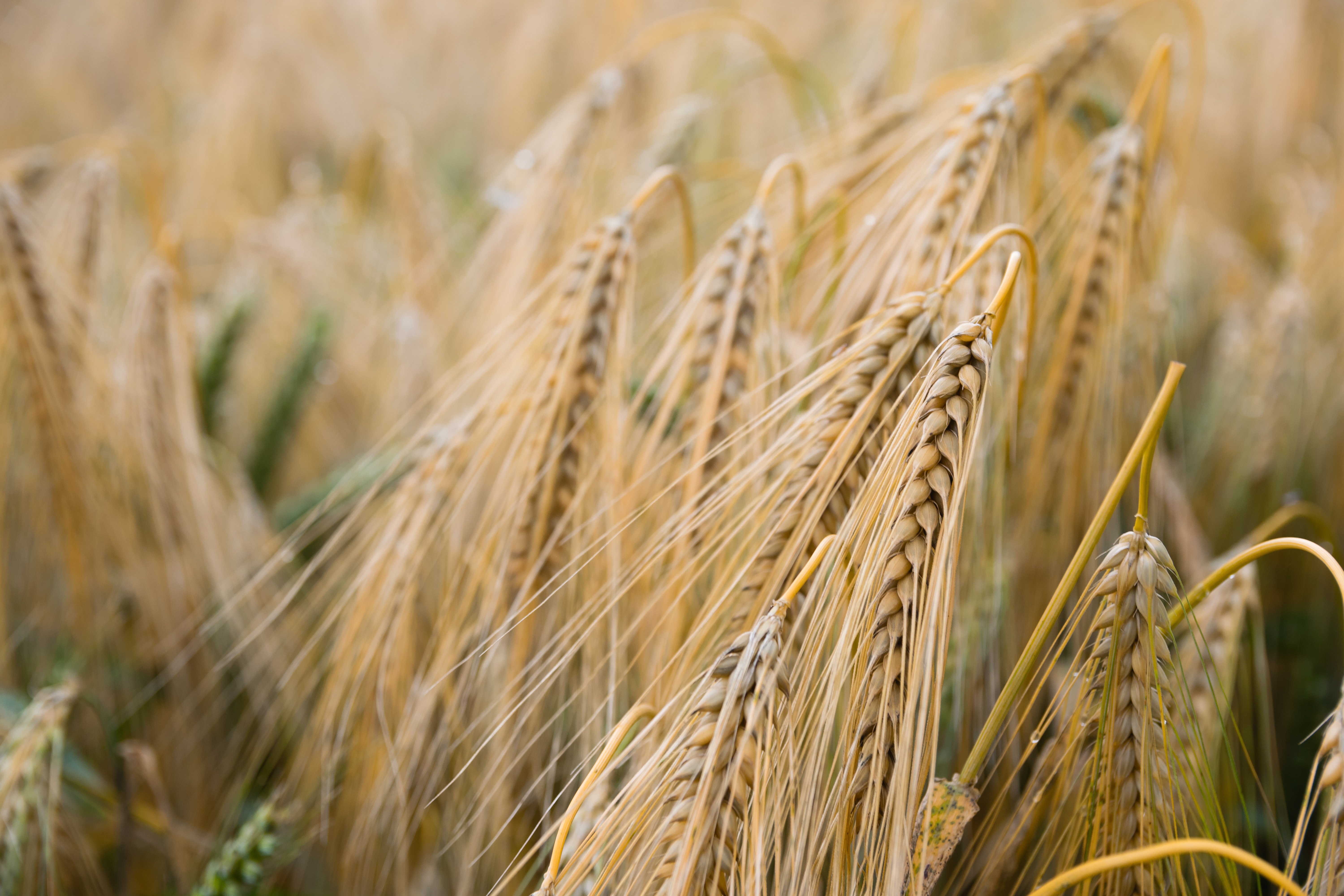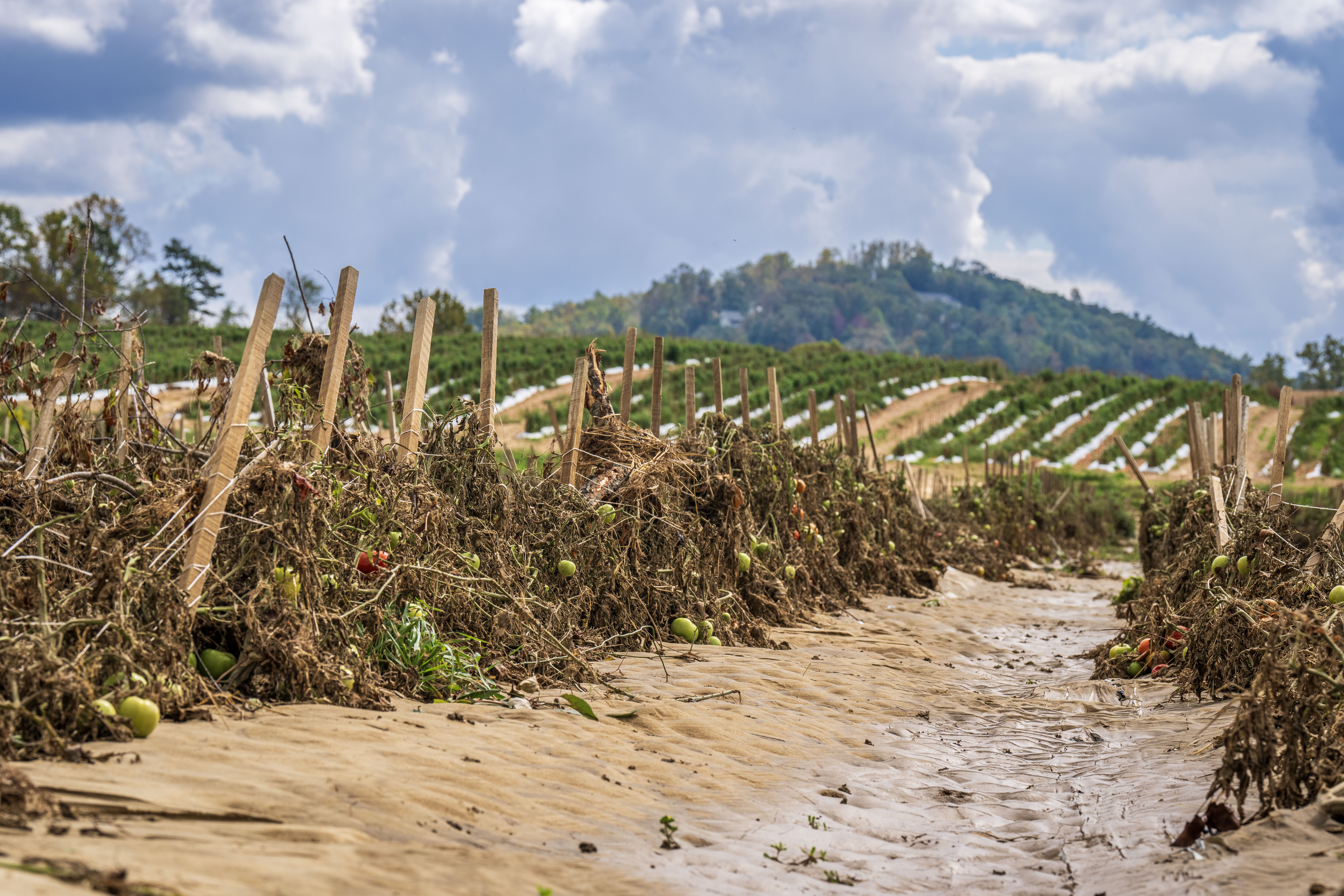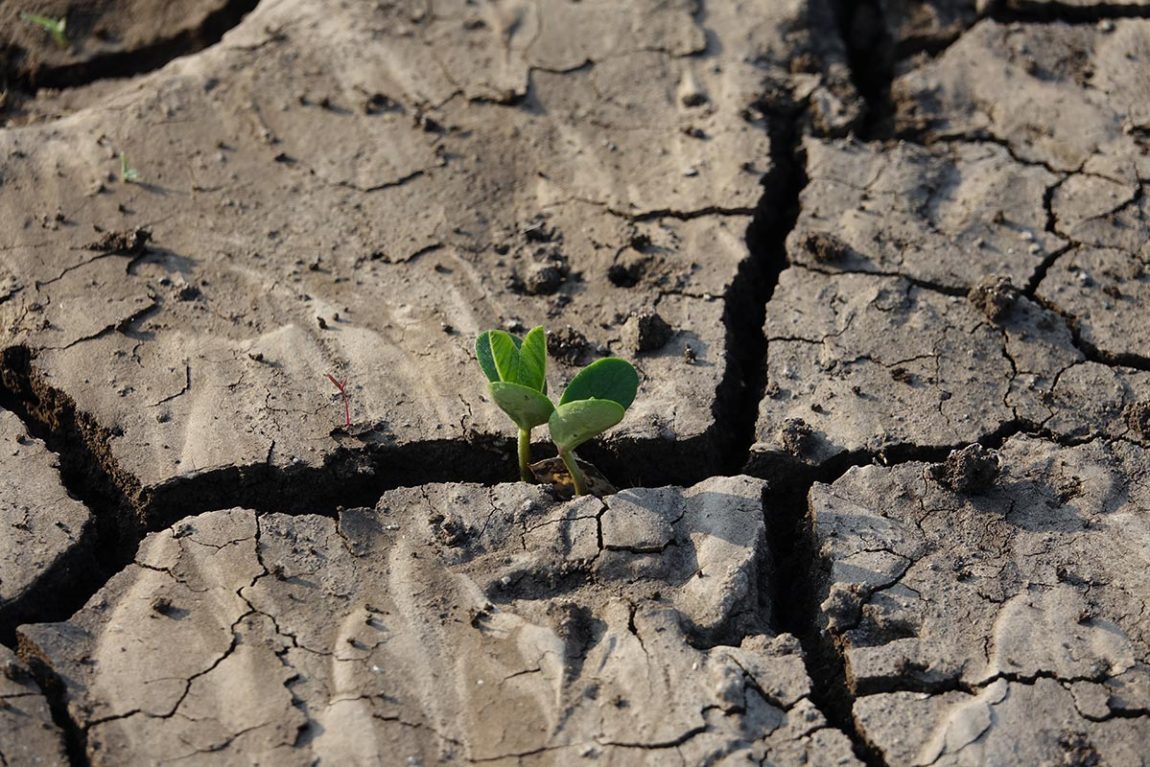
Avoiding yield loss is a challenge during every growing season for producers. Losses can be minimalized pending how one keeps insects and weeds at a minimum. The warm temperatures during the month of February is beginning to worry wheat producers on the High Plains.
“It’s the Texas Panhandle we get all four seasons in the same day sometimes,” said Dale Artho, Ag Producer.
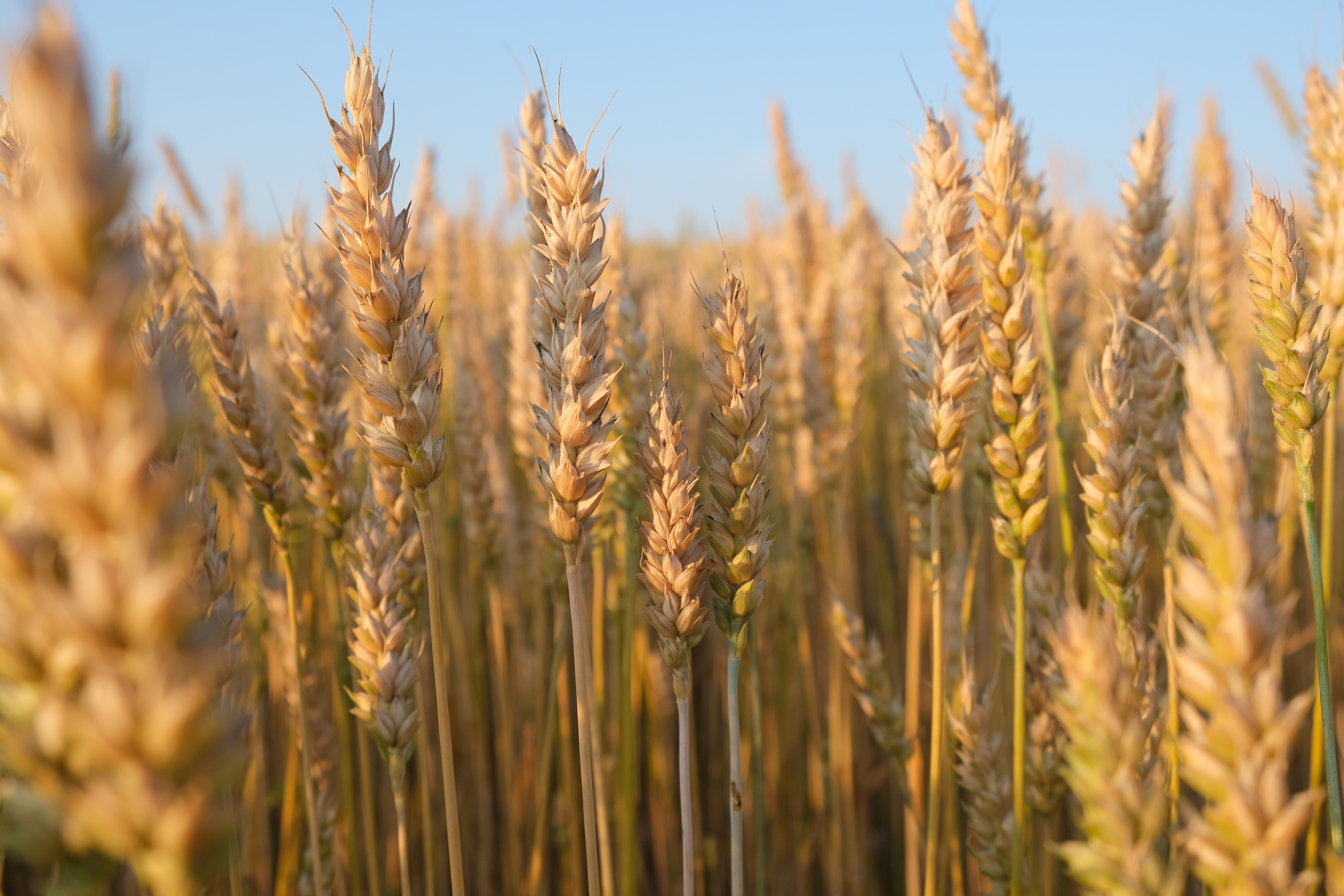
If the wheat emerges early this year the last thing Ag Producers and farmers want to see is a late season cold snap because once the wheat is above ground if the temperature gets below 28* for more than four hours, it will do all kinds of damage to the wheat crop.”
“If we get a freeze in about 30 plus days it will be interesting to see because that wheat is still so little comparatively to what it’s supposed to be,” said Greg Glover, Ag Producer.
Warm temperatures for almost a week or two in the month of February means producers will be battling weeds on their fields well before the late spring and early summer.
“We begin to see weeds start to germinate and come up so will have additional weed pressure earlier than what we normally would,” said Artho. “The best weed I have is the one that never comes up.”
“The best thing for weeds is shade you know whether their cater pillaring a crop when you have a little crop and you’re letting the sun hit the ground so much, it’s just going to sprout those weeds,” said Glover.
Ag Producer Dale Artho, tells ABC 7 News, a warm February means there will be a month of transition. The behavior of insects is often intimately intertwined with temperature fluctuations which means producers have no choice but to spray additional insecticide.
If we don’t experience a cold snap in March or April, wheat harvest will begin sooner than planned.
“If we get to warm early and that cold air is still building in the artic circle it wants to spill down and it kind of wants to zero in on my farm,” said Artho. “Sometimes it seems like, yes I’ve lost wheat crops being froze out in April before.”
Ag Producers and farmers have no control what so ever over mother nature they say all they can do is work with it the best they can.
More well above high temperatures remain in the immediate forecast all but assuring producers that a cold snap in March or April is more than likely.
Source - https://abc7amarillo.com