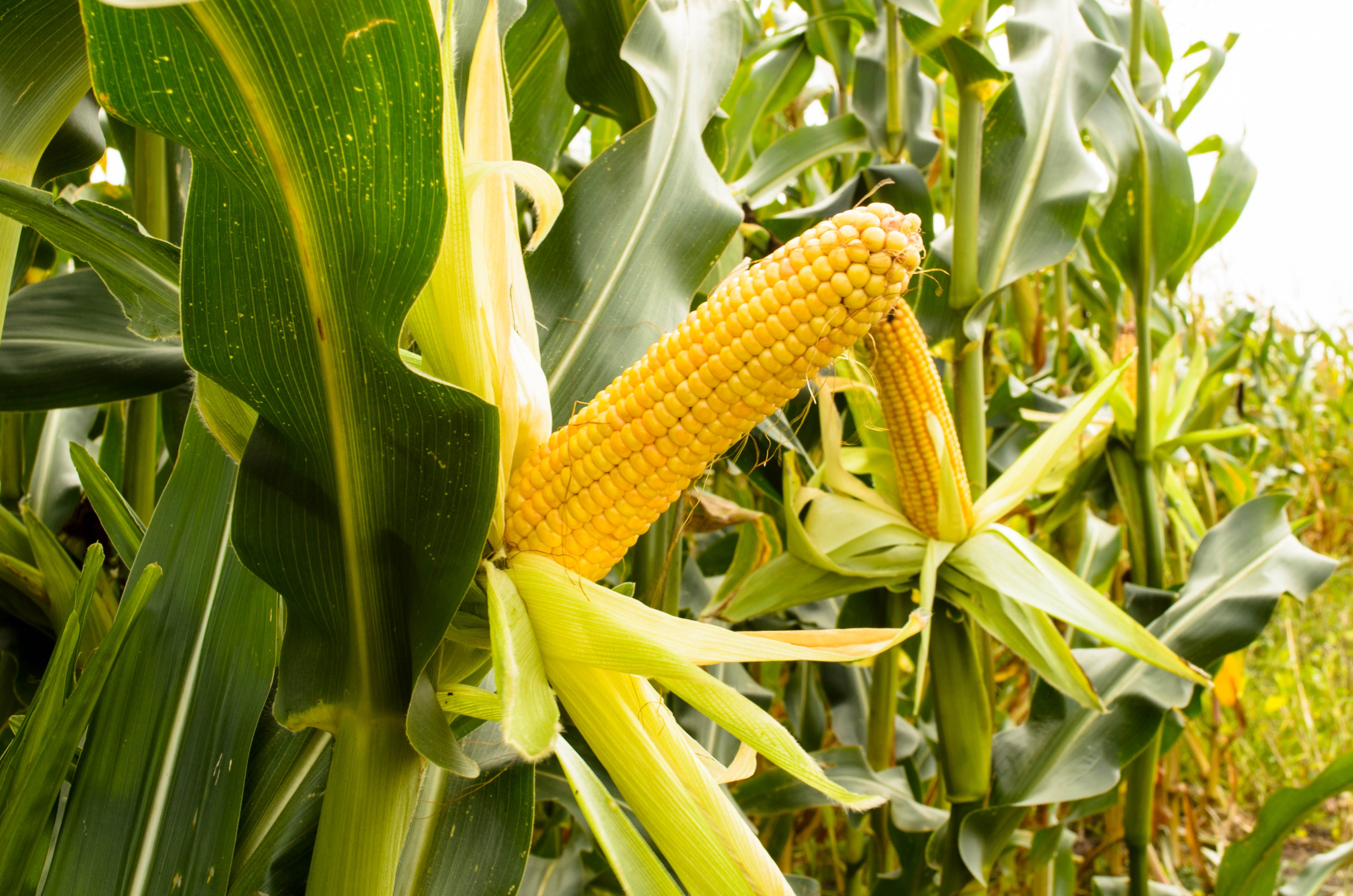
The western bean cutworm, a pest that can cause significant damage to Nebraska corn fields, has been found in multiple regions across the state, according to University of Nebraska-Lincoln Associate Professor of Entomology Silvana Paula-Moraes.
Paula-Moraes said the economic impact of western bean cutworm has been a problem since the year 2000, and explained how the insect survives Nebraska winters and returns each growing season.
“This insect, they can survive our winter, and how do they do that? Right now we have larvae, caterpillars, feeding on corn. By the end of development they will drop on the ground, they will build a cocoon, and they will spend all of winter this way. When we have spring we have pupa and we have adults and these adults will emerge. The window of emergence are varied between June and July and this moth will start to fly in corn and put the eggs on the upper part of the corn,” Paula-Moraes said.
The top of the corn is where western bean cutworm can feed on tassels before moving down to feed on the corn ear and kernels. Paula-Moraes said the damage can go beyond yield loss.
“Besides the feeding on the kernels that can impact production, they can also open the door of the ear for infections, contamination, like aflatoxins, and this can be a problem not only for the production of the corn but even for the using livestock and even all throughout production,” she said.
Paula-Moraes said pheromone trapping can help determine when the insects are flying and provide information about population levels, but she cautioned it is not a direct signal for spraying.
“This doesn’t inform when its time to spray insecticides or any other management decision, but really inform you when its time to go to your corn field and check for infestation in egg mass and initial larvae. It’s a critical time for you to make management decision before the caterpillar starts to feed on the ear,” she said.
Paula-Moraes described the trap her team created, which is placed on a lure in the field. She suggested keeping holes at the bottom to keep out rain. Inside the trap, there is a killing strip and a mesh wire.
“This way we can count how many moths we are catching in the traps. And how these moths are attracted to the trap, most of them will be male moths and they are attracted because here in this cage we have a rubber lure with the sex pheromones simulating the chemical the females use to attract male moths,” Paula-Moraes said.
New this year, Paula-Moraes said, is a pheromone trapping network involving extension educators across Nebraska.
“This is work that has the participation of several extension educators across Nebraska. As you can tell from the map we have more than 60 traps spread across the state,” she said.
Source - https://foxnebraska.com