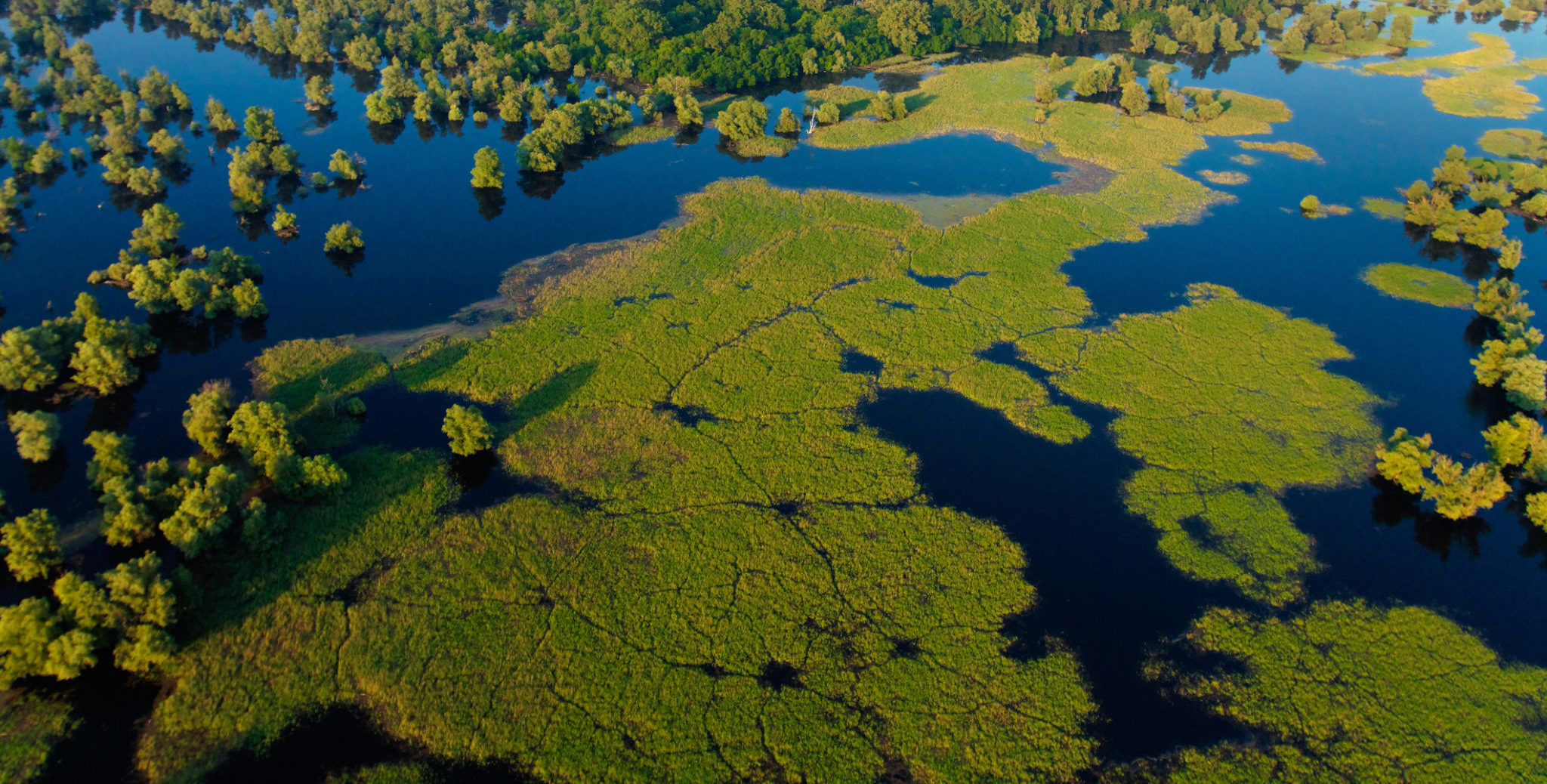
For years, farmers have worked around wetlands on their properties, balancing production and compliance around these natural wetlands — even as they present management challenges.
But there are now clear, legal options that can address wet areas while staying in compliance. One of the simplest options being wetland mitigation or offsets.
Under U.S. Department of Agriculture farm bill conservation compliance rules, filling or draining wetlands without compensating for that loss elsewhere puts your federal farm program benefits at serious risk. Crop insurance, Agricultural Risk Coverage, Price Loss Coverage and more can all be on the line.
Wetland mitigation is a well-established way to continue your farming operation while staying in compliance. The idea is straightforward: when a wetland is impacted in one location, that loss is offset by another entity restoring or creating wetland habitat somewhere else.
This one-for-one approach is recognized by the USDA and Natural Resources Conservation Service as a compliant way to address wetland impacts on farmland.
Rather than treating wetlands as an obstacle, mitigation gives farmers a defined, documented pathway to move forward without jeopardizing their standing with federal farm programs.
It is the same framework used by developers, infrastructure projects and landowners across the country and is now accessible to agricultural producers through Magnolia’s credit program.
Magnolia, a national conservation organization, has developed an agricultural wetland mitigation credit program built specifically for farmers.
Rather than leaving a filled or drained wetland and risking a compliance violation, farmers can purchase pre-approved wetland mitigation credits from Magnolia that satisfy NRCS requirements cleanly and completely.
Magnolia handles all the restoration work on entirely separate land at their own cost, so the farmer simply purchases the credits and continues their operation. The program is currently available to agricultural producers in Illinois, Indiana and Nebraska.
Source - https://www.agrinews-pubs.com