USA - Worst drought conditions since 2016 take toll on Mississippi farm harvests

19.10.2023 620 views

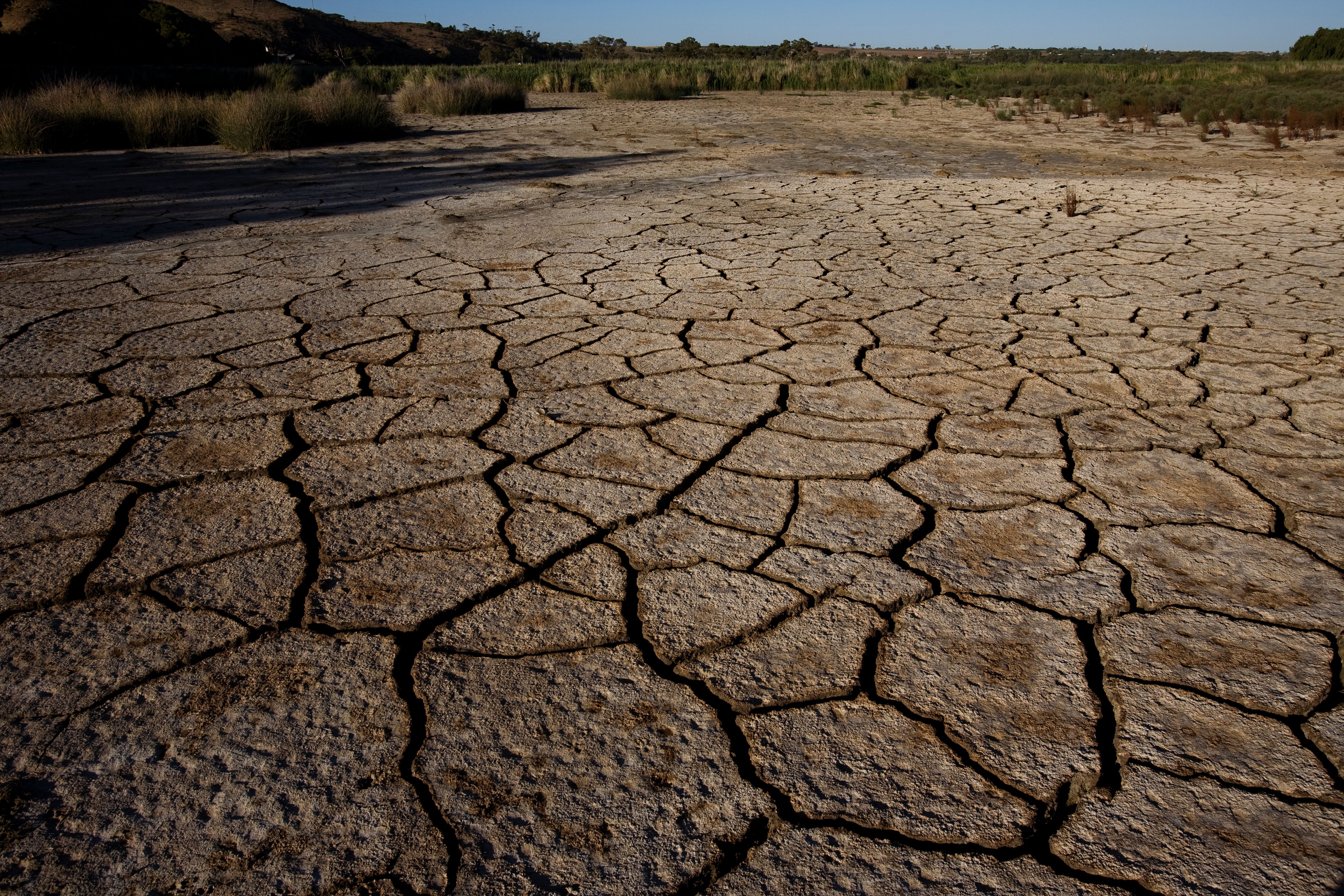
The U.S. drought monitor says Mississippi is experiencing some of the driest conditions since 2016. Farmers in the state say they're already seeing the effects on their crops and farmland.

Over 98% of Mississippi is currently under some kind of drought warning as dry conditions have carried over from the summer months. Farmers now harvesting fall crops say that they've suffered losses or a drop in quality because of the lack of rain.

Don Mitchell owns Mitchell Family Farms in Collins, where he grows several crops like pumpkins, peanuts and soybeans. He says the land with reliable irrigation systems produced crops normally, but some of the lots that rely only on rainwater were a "complete loss."

“When July hit, the crops that depended high on water… they suffered tremendously where they were not watered.” he said. “Some of my friends had a lot of crops that were totally dependent on rainfall in July and September. And they're taking it worse than me personally.”

The Mississippi River is also suffering from the lack of rainfall. Parts of it are seeing record lows, causing shipments of crops to be slowed or canceled. Farmers like Mitchell often rely on government assistance when the elements are consistently unfavorable for farming. State Agriculture Commissioner Andy Gipson says in addition to crop insurance, there are low-interest loans for farmers of all kinds to take advantage of during the drought.

“There are drought relief programs through the farm service agency such as low interest loans through the FSA that's underwritten by the United States Department of Agriculture,” he said. “And then for livestock producers, there is the livestock forage assistance program to help a little bit on the cost of… having to buy extra hay.”

Gipson says there are currently 35,000 farms in Mississippi.

Source - https://www.mpbonline.org

02.09.2026

Philippines - Bayambang declares state of calamity over P31-M agricultural losses

The municipal council of Bayambang has placed the town under a state of calamity after Tropical Storms “Luis” and “Maymay” and the enhanced southwest monsoon, or habagat, caused more than P31 million in agricultural losses.

02.09.2026

USA - Lynndyl farmers assess crop losses after 100 mph winds and hail

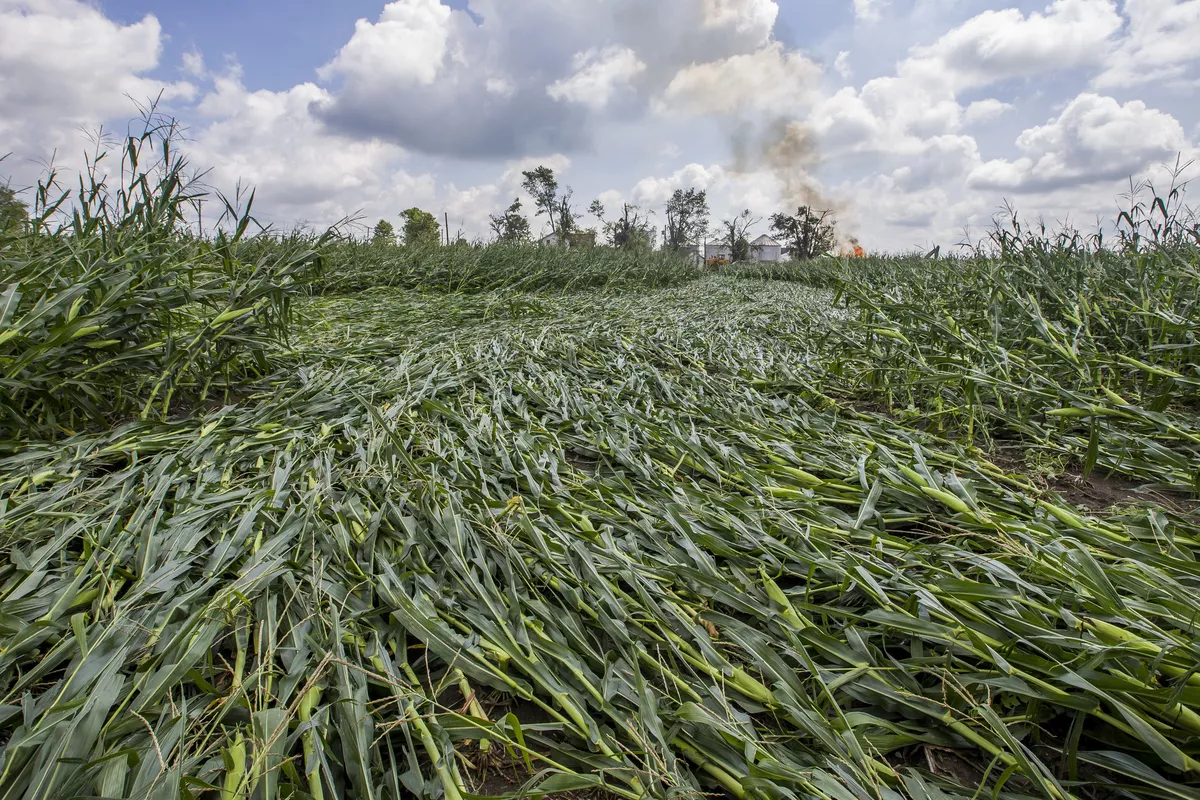
Farmers in and around Lynndyl are beginning to assess severe losses after a powerful weekend storm ripped through fields with destructive winds and hail just as some crops were nearing harvest.

02.09.2026

USA - New Insurance for Breeding Heifers

New LRP Coverage Aims to Reduce the Risk of Retaining Heifers for Breeding.

02.09.2026

Corn's $6 Surprise Could Change the Profit Math for U.S. Farmers

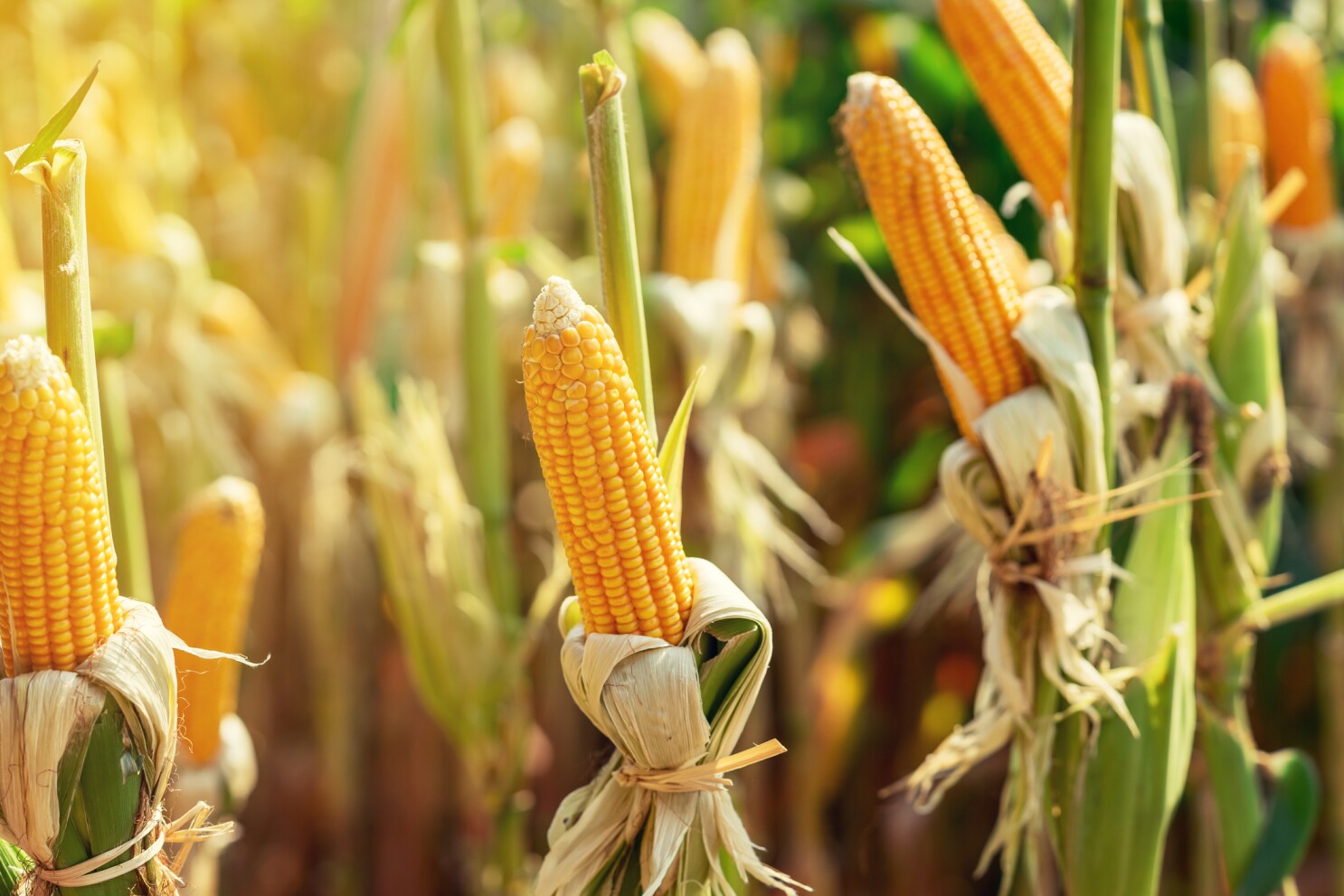
Corn may already be worth more than the board suggests as farm payments and incentives add about 52¢ per bushel to producer revenue.

02.09.2026

Philippines - Iloilo turns over P10M for farm, fishery insurance

The Iloilo provincial government has turned over P10 million to the state-owned Philippine Crop Insurance Corp. (PCIC) to expand insurance protection for farmers and fisherfolk vulnerable to losses from El Niño, La Niña, typhoons, pest infestations and other calamities.

02.09.2026

India - AP sees 1,263% rise in non-loanee crop insurance

The State witnessed a remarkable 1,263% jump in non-loanee farmer registrations, with their participation rising from 2 lakh in the previous Kharif season to 25.26 lakh farmers this year.

01.09.2026

South Africa - Grain SA calls for affordable crop insurance as dry weather threatens Swartland wheat

Severe rainfall shortages threatening the Swartland wheat crop have highlighted the need for government support to make crop insurance affordable for dryland producers.

01.09.2026

USA - Florida farms face nation’s highest disaster loss rate

Natural disasters destroy billions of dollars in U.S. agricultural production each year. From drought and wildfires in the West to hail in the Midwest and hurricanes in the Southeast, farms lose an average of $5.1 billion in crops and livestock annually, according to the Federal Emergency Management Agency.