A pest that has caused more than $1 billion of damage to U.S. corn crops has made its way to the Okanagan.
Tracy Hueppelsheuser with the B.C. Ministry of Agriculture said Wednesday that the Western corn rootworm has found its way to farms in Salmon Arm, Enderby and Armstrong, and the crop risk to growers in the area is significant.
“We haven’t done a full survey yet but what has been reported from the reps (who first noticed the damage) that I’ve talked to is, there are a limited number of fields where they found bugs,” Hueppelsheuser said.
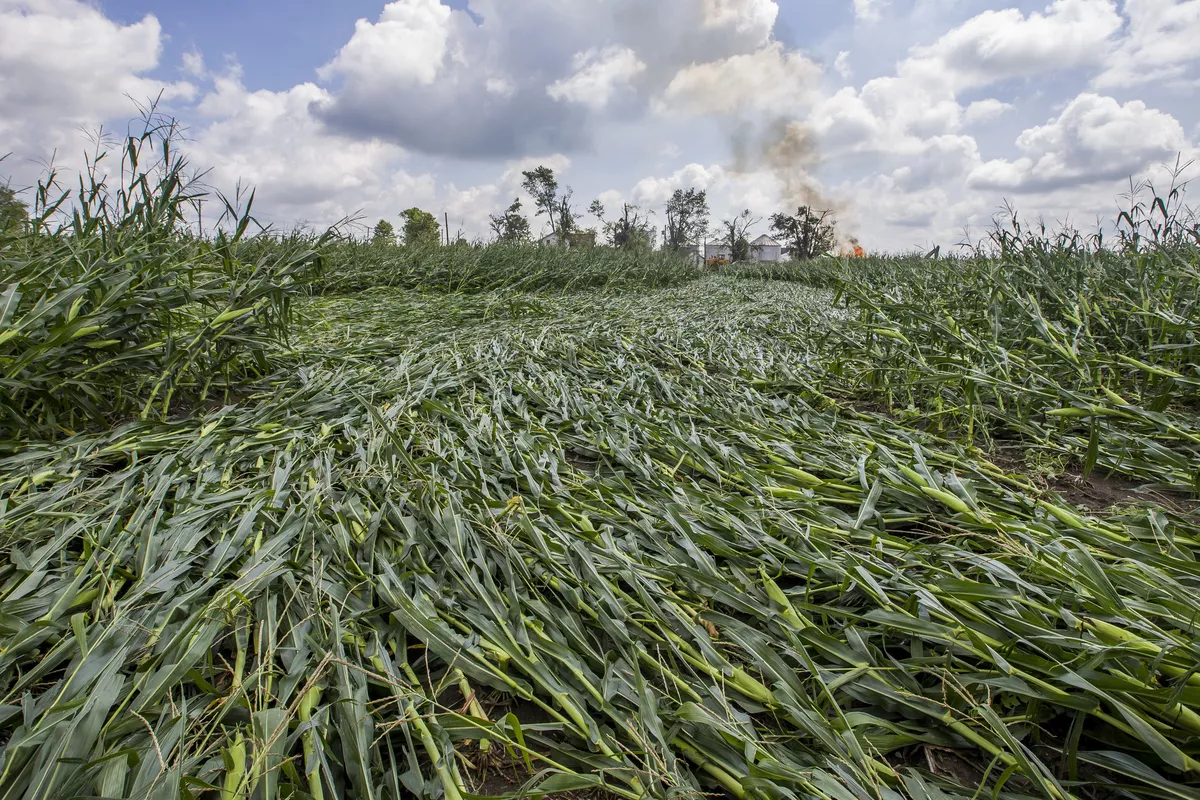
“They also found some corn that was looking kind of unhealthy and tipping over, which is a characteristic (cornworm) damage.”
The pest has been in the Fraser Valley since 2016 and it’s the B.C. surveying programs that started in the aftermath of its discovery that made it easier to find in the Okanagan.
The bug, which starts as a worm and morphs into a beetle in adulthood, is native to the Americas and adapted to using commercial corn crops as hosts.
For the last 50 years, it’s caused the most harm in the U.S. Midwest, where it’s earned the “billion-dollar bug” moniker for all crops present and future that have been damaged.
“The larva feeds on the root of the developing corn plant so it compromises the growth of the corn and causes it to become weak,” Hueppelsheuser said.
“It looks a bit droughty and becomes very unstable because the larva feeds on the roots of the plant and it can tip over in a windstorm…. Of course that affects your tonnage and your production per acre.”
It’s not only corn that the pest destroys, Hueppelsheuser said.
When the beetle emerges in July and August, it also feeds on pollen and can damage flowers of other crops as well.
“They love melons and pumpkins and that kind of thing so they could damage those flowers,” she said.
“They also go to dahlias and other actual flower crops so that’s not good.”
If it’s not dealt with, it can be devastating to farmers.
“This should be a great concern,” Hueppelsheuser said.
“If you’re a corn grower, it’s important to know if you have the bug in the field and then you can take steps to prevent impacts in the following years. Most of the best tools are prevention practices.”
It’s important, she said, to plan ahead, and rotate a crop based on where the pest is found.
“A lot of the tactics have been developed in other parts of North America, we were able to adopt most of those things here,” she said.
“We have some unique challenges in the in the Fraser Valley. In the Midwest and eastern North America, the corn hybrids that they grow are usually a longer season corn so they have more heat units in those areas than we do out here. So our corn has to develop faster and get done in a shorter period of time in the season.”
That, she said, is a challenge to the corn hybrids that are good for B.C.’s climate but those limitations can be handled with good planning by growers.
Right now, however, is the time for people to keep an eye out for the beetle. Farmers can visually scout for beetles, either with yellow sticky cards attached to corn plants checked once per week or with field scouting.
If scouting fields, visually check 20 to 60 plants per field, walk along the field edges and into the field and record the number of beetles per plant or damaged plants.
Alternatively, spend a certain amount of time per field looking. Carefully check ears and leaf axils for beetles. Beetles are easily disturbed and will fly or drop quickly, and are especially active during the evening.
They’re yellow and black and tend to stick onto harvesting machines and equipment.
“If you see them in the field, you got to make plans to rotate out of corn on that ground next year,” she said.
“Put in appropriate hybrids that are resistant to the bug. Think about your seed treatment or pest prevention practices that are going to be suitable for your land base. So be on the lookout right now for them and then you can make decisions about what to do next spring.”
Source - https://globalnews.ca