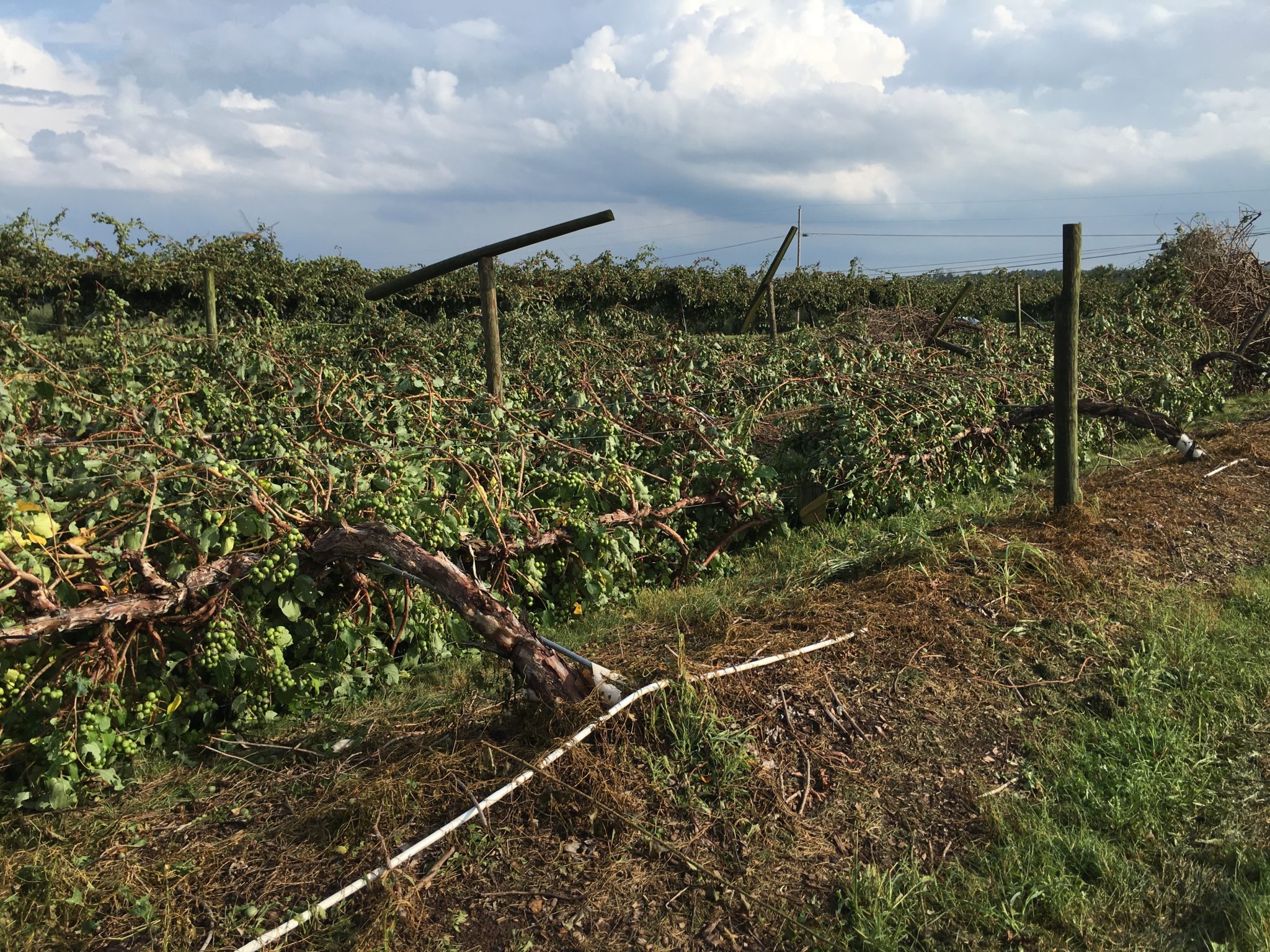
Ukrainian farmers are facing a severe setback this spring due to extraordinary weather conditions. Persistent nocturnal frosts are poised to decimate nearly half of the nation’s blueberry yield. Some agricultural enterprises are bracing for losses of up to 90%.
The northern regions are confronting the gravest impact. Yevhen Kharlan, Director of Development and Strategy at Nikdaria LLC, shared insights in an exclusive interview. The company oversees extensive blueberry cultivation, spanning 100 hectares in Ukraine’s Zhytomyr district.
– What exactly caused the loss of the blueberry crop?
– The persistent sub-zero temperatures throughout the week have been detrimental. Previously, the mercury dipped no lower than minus 3 degrees Celsius. However, on the night of May 14th, temperatures plummeted to a chilling minus 6 to 8 degrees at the coldest section of our plantation.
These frosts penetrated beyond the soil’s surface, affecting the bush crowns where blossoms form and berries develop. The ground, warmed by daytime temperatures, retained heat overnight, while the air temperature at the crown level dropped significantly.
This unusual climatic event is unprecedented in my seven years of blueberry farming. Temperature readings from our seven strategically placed weather stations have shown remarkable variability every 15 minutes.
Initial assessments indicated a 30% loss of our anticipated harvest. We now project this figure to be closer to 50%. The Chamber of Commerce will provide more precise evaluations as they declare force majeure conditions.
Early and mid-season varieties appear to be a total loss. There’s a glimmer of hope for some of the later-maturing varieties, although prospects remain dim.
– At what development stage were blueberries at that time?
– The flowering stage has concluded, leaving us with nascent berries. Late varieties, still pre-blossom, may yet yield fruit. However, for bushes with formed buds, the chances of berry production are null.
– What did you apply to mitigate the frost damage?
– We experimented with hot smoke generators, colloquially termed “glycerin guns,” and combusted any available material. Unfortunately, these measures, along with specialized frost protection agents, proved ineffective against the severe temperatures.
– Did your neighboring berry growers also suffer?
– The data from weather stations and sensors suggest a widespread affliction. While we maintain a cautious stance on the situation, our neighbors hold a more optimistic view. This discrepancy could stem from a lack of comprehensive information or a delay in conducting a full agronomic evaluation.
– What can save the blueberry market this year?
– The recent events are unlikely to influence the southern and Transcarpathian plantations. It is hoped that these areas will fare better in terms of yield. Nonetheless, it is improbable that a handful of farms could stabilize Ukraine’s blueberry market on their own.
A week’s time is necessary to compile complete statistics and appraise the overall scenario. The cumulative losses across the Ukrainian market could surpass 50%. From the current standpoint, it is anticipated that even the domestic blueberry demand will remain unmet this season.
Source - https://east-fruit.com