Unusual cold snap impacts fruit harvests in Europe

29.04.2024 599 views

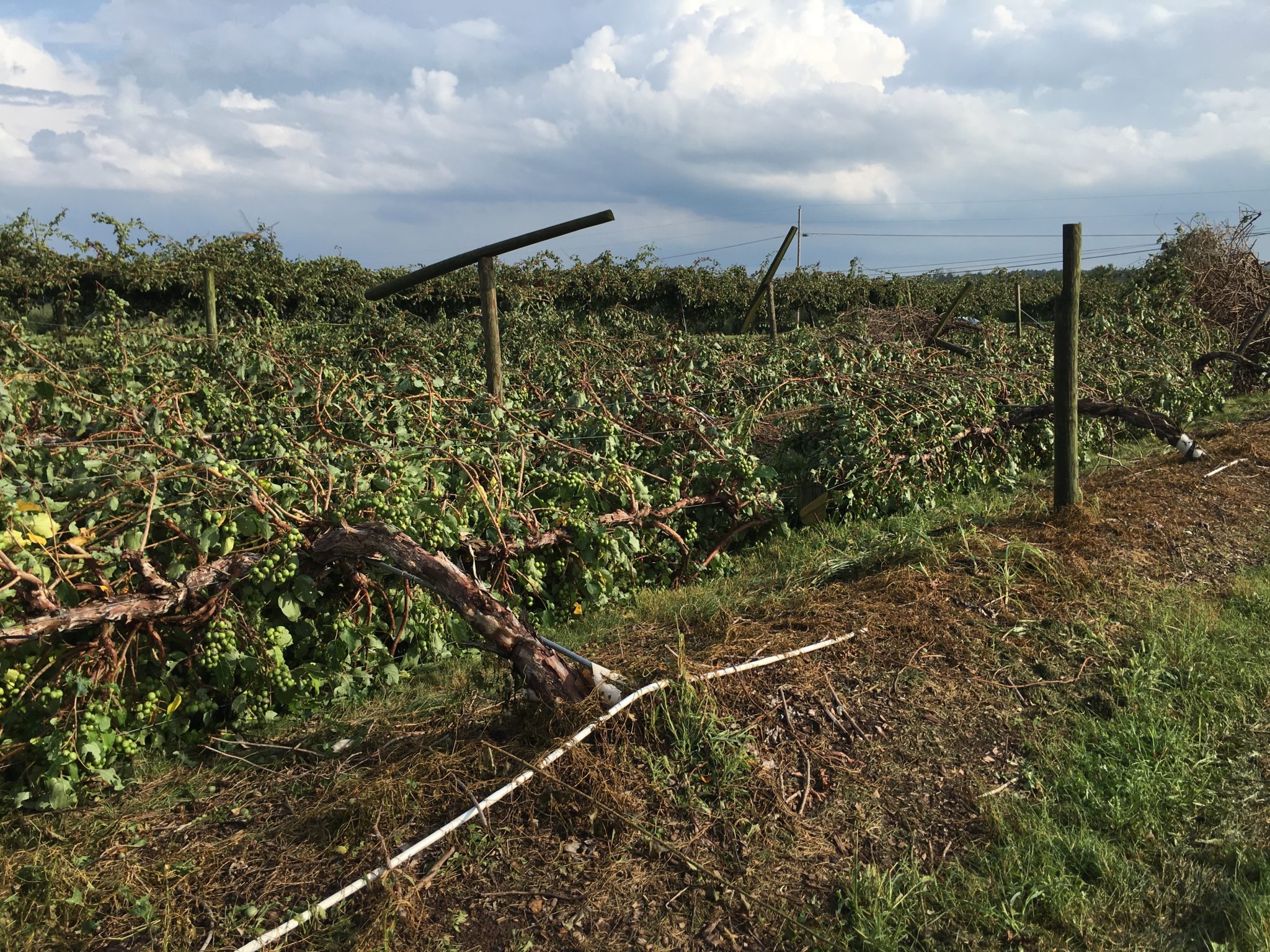
Europe is currently experiencing an unexpected cold period, significantly affecting the agricultural sector, particularly fruit farmers concerned about their summer harvests. The continent has faced colder temperatures than initially forecasted for spring, raising concerns over food supply implications. Since mid-April, the Balkan states have registered a drastic temperature drop, transitioning from near-record highs to unseasonal lows, introducing snow and ice across the region. Franjo Crnković, a fruit farmer from Croatia, reported, "It was very warm, we even had temperatures of up to 30 one day, and then all of a sudden it dropped to minus. The fruits and all of this are all destroyed, it's over, if there are any apples left it will be good." Similarly, Poland's strawberry farms have experienced frosts reaching -8C.

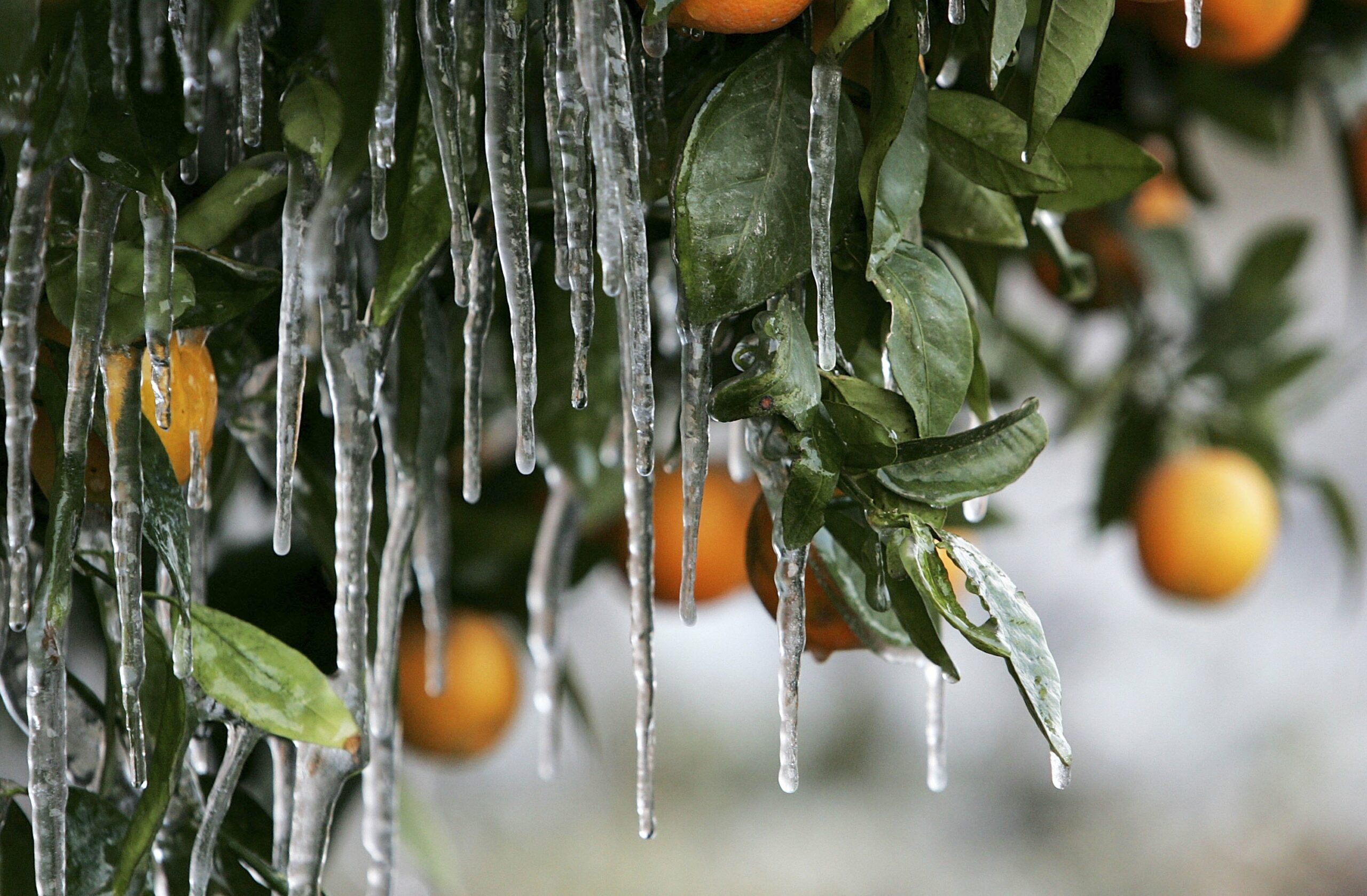
In the Netherlands, a unique approach has been adopted by farmers to protect their crops. By spraying the buds of fruit trees with water, they create a frozen crust that insulates and generates latent heat as it melts, slightly elevating the temperature around the buds to prevent them from dying. Joost van Diepen, a Dutch fruit farmer, explained, "Ice already formed on the branches, and also on the fruit. You see the flower and underneath it is the fruit, which is encased in ice. That layer of ice provides certain insulation and latent heat. This heat keeps the temperature of the fruit just above zero." The cold snap has also led to heavy snowfalls at higher altitudes, prompting drivers to revert to winter tires. Weather forecasts indicate that these extreme conditions are expected to persist into the following week.

Source - https://www.freshplaza.com

01.09.2026

South Africa - Grain SA calls for affordable crop insurance as dry weather threatens Swartland wheat

Severe rainfall shortages threatening the Swartland wheat crop have highlighted the need for government support to make crop insurance affordable for dryland producers.

01.09.2026

USA - Florida farms face nation’s highest disaster loss rate

Natural disasters destroy billions of dollars in U.S. agricultural production each year. From drought and wildfires in the West to hail in the Midwest and hurricanes in the Southeast, farms lose an average of $5.1 billion in crops and livestock annually, according to the Federal Emergency Management Agency.

01.09.2026

Luxembourg small farmer struggles with effects of high temperatures on crops

High temperatures over the summer caused an increase of certain pests harmful to vegetables.

01.09.2026

Nearly 8,000 acres of crops damaged due to dry weather in Sri Lanka

Cabinet Spokesman and Minister of Health Dr. Nalinda Jayatissa said that the estimated crop damage caused so far by the prevailing extreme dry weather conditions is nearly 8,000 acres of farmland belonging to around 7,000 farmers.

01.09.2026

Cyprus - Storm damage recorded in 183 homes as crop losses assessed

Damage to 183 homes, mainly in the Nicosia district, has been recorded following the severe weather that hit Cyprus last Saturday, the interior ministry said on Monday.

01.09.2026

USA - New USDA initiative aims to spur cattle herd rebuilding with insurance, conservation program grazing changes

New insurance options, emergency grazing authorities on Grassland Conservation Reserve Program acres, and guaranteed loans for regional meat processors are among the elements of a package unveiled by Agriculture Secretary Brooke Rollins Monday to encourage producers to rebuild the U.S. cattle herd. 

30.08.2026

Serbia's Drought Halves Crop Yields, Few Farms Insured

Drought in July and August 2026 cut yields by more than half in parts of Serbia, but only 15 percent of farmland is insured. A corn policy costs about 4,500 dinars per hectare.

30.08.2026

India - Maharashtra Approves ₹23.33 Crore Aid For 17,245 Farmers Hit By Crop Damage

The Maharashtra government has sanctioned ₹23.33 crore in relief for 17,245 farmers whose crops were damaged by floods, excessive rainfall, cyclones and hailstorms.