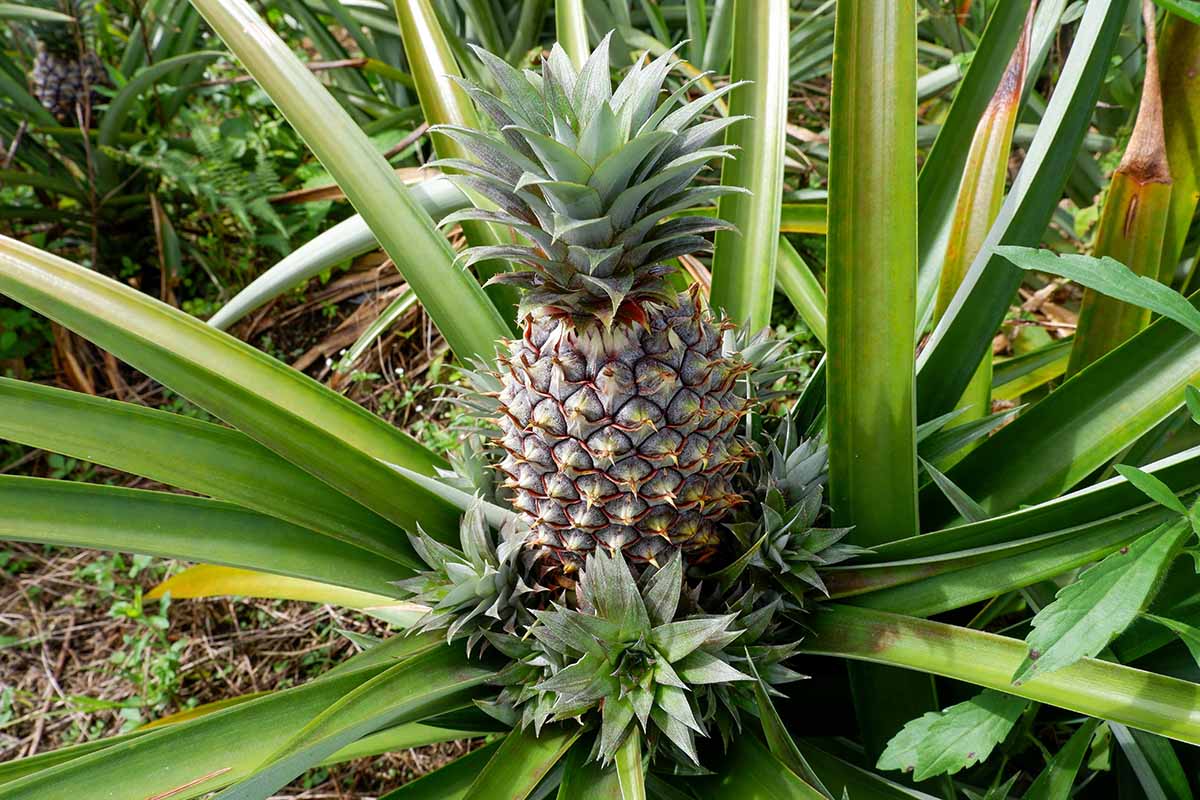
Hundreds of farmers in the Quỳnh Thắng area of Nghệ An, Vietnam, have lost numerous pineapple crops due to prolonged rain and humidity.
What's happening?
Pineapple growers in Quỳnh Thắng have experienced widespread root rot, wilting, and yellowing of leaves, resulting in significant crop loss.
According to Báo Nghệ An điện tử, the affliction has affected nearly 200 farms and damaged around 400 hectares of pineapples. Many of the damaged pineapples are considered to be complete losses by the farmers.
Though root rot has affected these crops in the past, the severity this time has left farmers reeling.
Farmer Ho Huu Yen told Báo Nghệ An điện tử, "It's unclear whether it was due to heavy rain or frost, but after only a few days, the plants turned yellow, their roots rotted, and they collapsed. Almost a year of care has been completely wasted."
All in all, Ho Huu Yen explained that he had already suffered losses totaling approximately 150 million VND ($5,697).
Most farmers blame prolonged rains, which they say have caused root rot to spread more rapidly and become more difficult to control.
Why are these crop losses concerning?
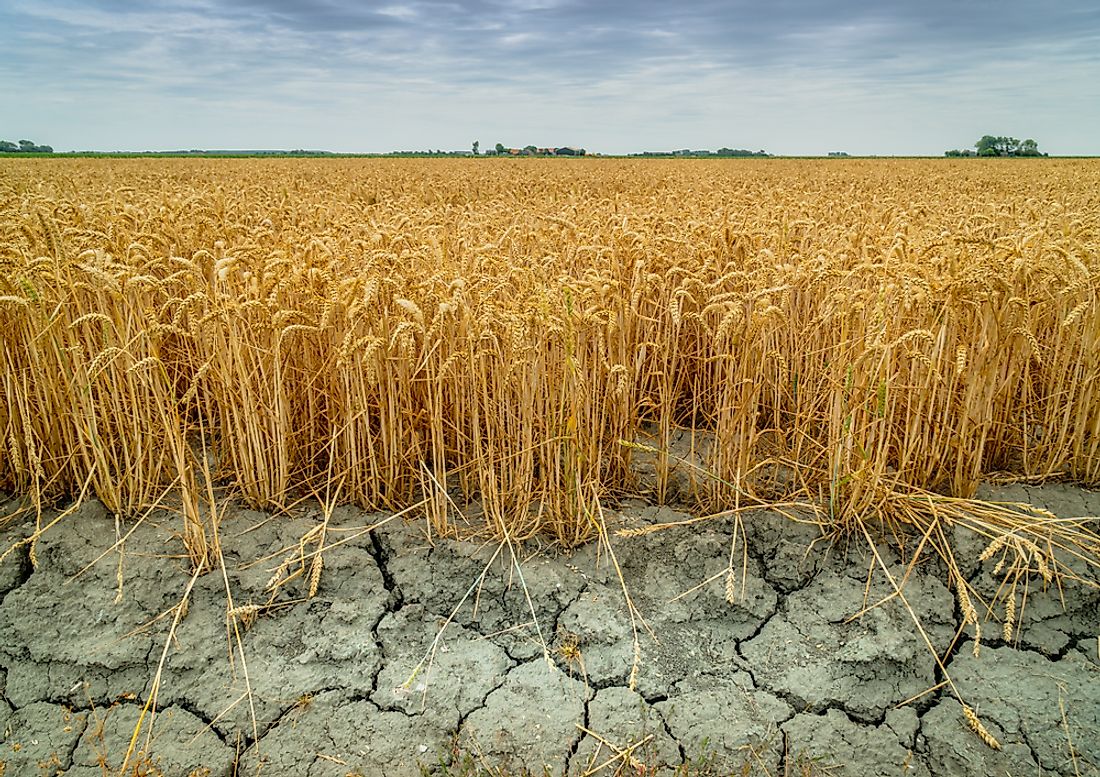
Extreme weather events, such as heavy rains, droughts, and hailstorms, are causing farmers worldwide to suffer reduced crop yields.
Farmers in India have faced damage to grape crops, thanks to a heavy monsoon season, while drought has resulted in farmers in Afghanistan losing a significant number of crops.
These extreme weather events, caused by rising global temperatures, which in turn are driven by the use of energy sources like gas and coal, will likely continue to worsen, leading to a further decline in crop yields.
Pineapple is one of the primary sources of income for thousands in Quỳnh Thắng, so the loss of crops will have a significant effect on people's finances. As more and more farmers around the globe deal with decreased crop yields, farms will eventually shut down as they become unsustainable to run.
This will lead to fewer agricultural jobs, food shortages, and higher consumer prices for what little food remains.
What's being done to protect pineapple crops?
Head of the Plant Protection Department of the Provincial Crop Production and Plant Protection Sub-Department, Trinh Thach Lam, explained to Báo Nghệ An điện tử, "We have issued a document guiding farmers to classify pineapple crops according to their growth stages, care for them according to the correct procedures, apply balanced fertilizers, and keep the fields well-ventilated to increase resistance."
Additionally, authorities in the region propose better support for farmers in acquiring more resistant seedlings, more training in disease identification, and improvements in how plants are cared for during extreme weather conditions.
Source - https://www.thecooldown.com