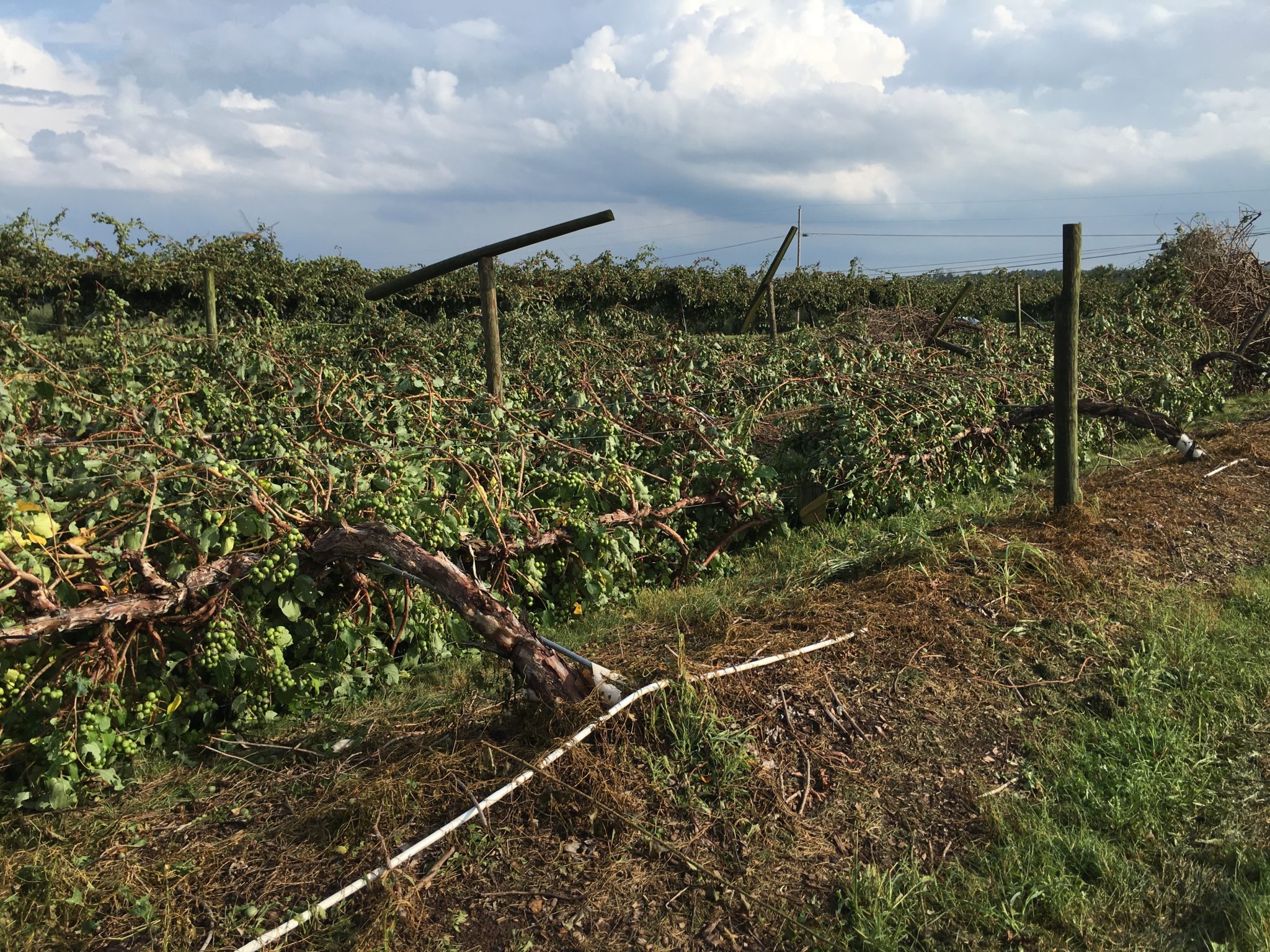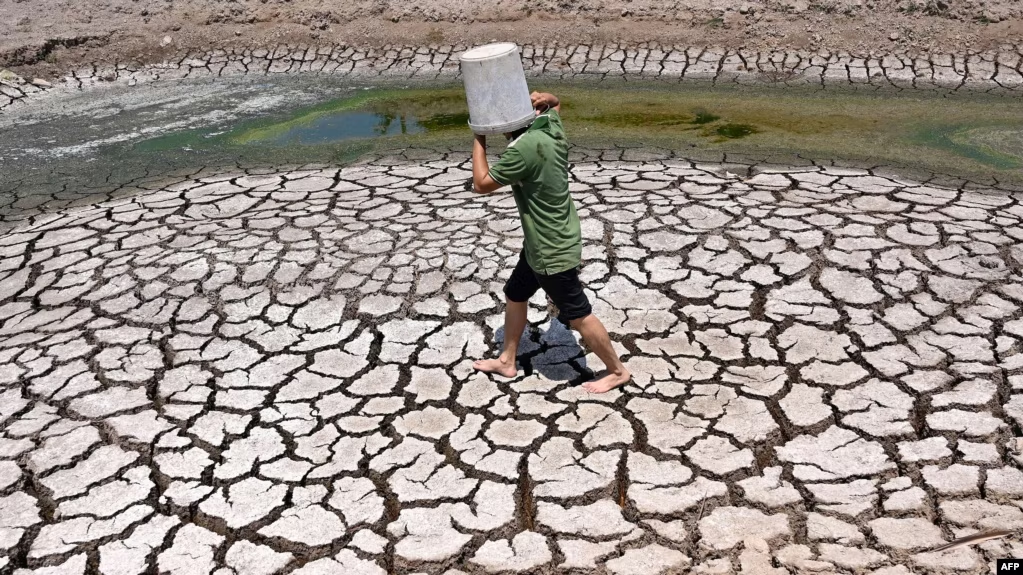
A heatwave in Vietnam is worsening environmental conditions in the Mekong Delta region, and farmers and gig workers have told VOA the heat is causing grueling working conditions and cutting crop yields.
The heatwave is fueled by the El Nino weather pattern causing hotter and drier conditions in Vietnam. Le Dinh Quyet, head of the Southern Regional Hydro-Meteorological Center, told local news outlet VnExpress that peak temperatures hit the South early this year due to the El Nino and a heatwave that started early March is expected to continue through April and delay the start of the rainy season.
Vo Quang Tuong, a lecturer at Ho Chi Minh City Open University specializing in Hydrology, told VOA by email April 2 that the El Nino is "expected to exacerbate extreme weather and climate events like heat waves, floods, and droughts."
In Ho Chi Minh City, a driver with the Grab ride-hailing service in his 60s told VOA that the heat was difficult to bear midday while carrying passengers on his motorbike.
"You feel the heat reflecting from the asphalt and the sky," he said in Vietnamese on March 8. "This combination makes the heat unbearable."
Another Grab driver, in his 20s, told VOA the same day in Vietnamese that he starts working after 4:00 p.m. to stay out of the sun during the hottest hours. "I don't think it is worth working under the crazy heat.. I don't think we should sacrifice our health," he said.
Decreased crop yields
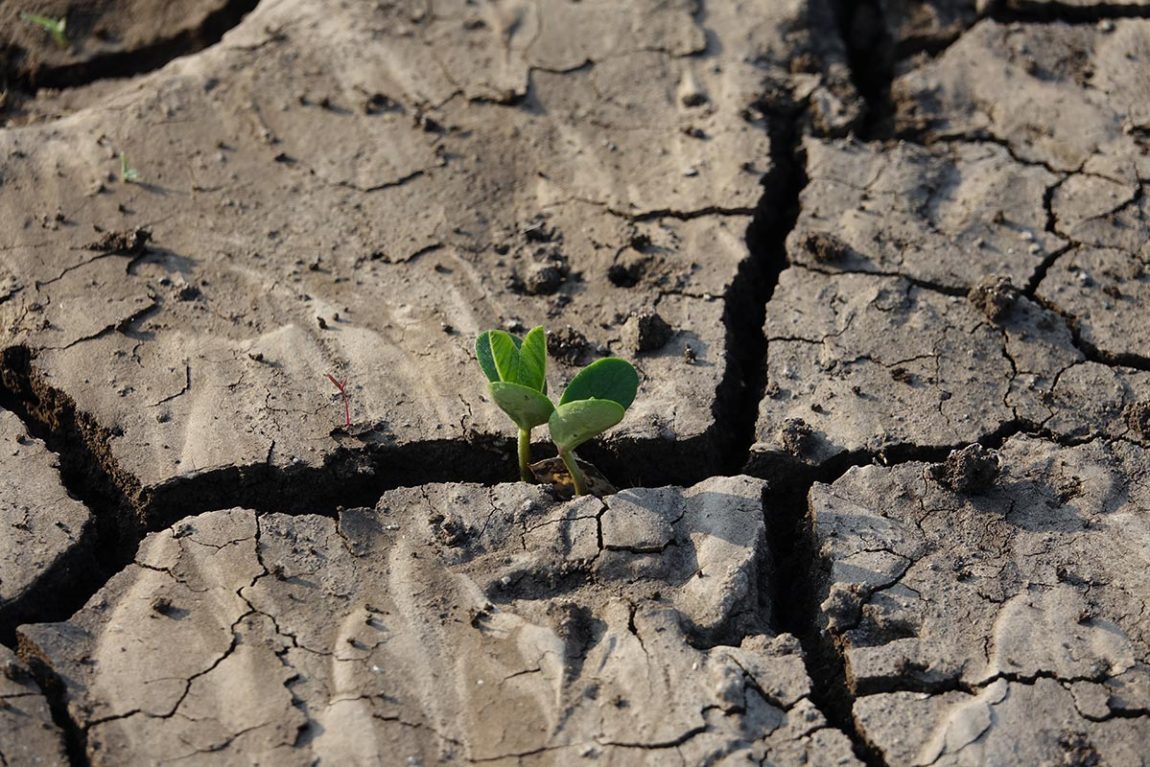
Tuong, the Ho Chi Minh City lecturer said, "Vietnam should be prepared for low rainfall, leading to drought, saltwater intrusion, and water shortages."
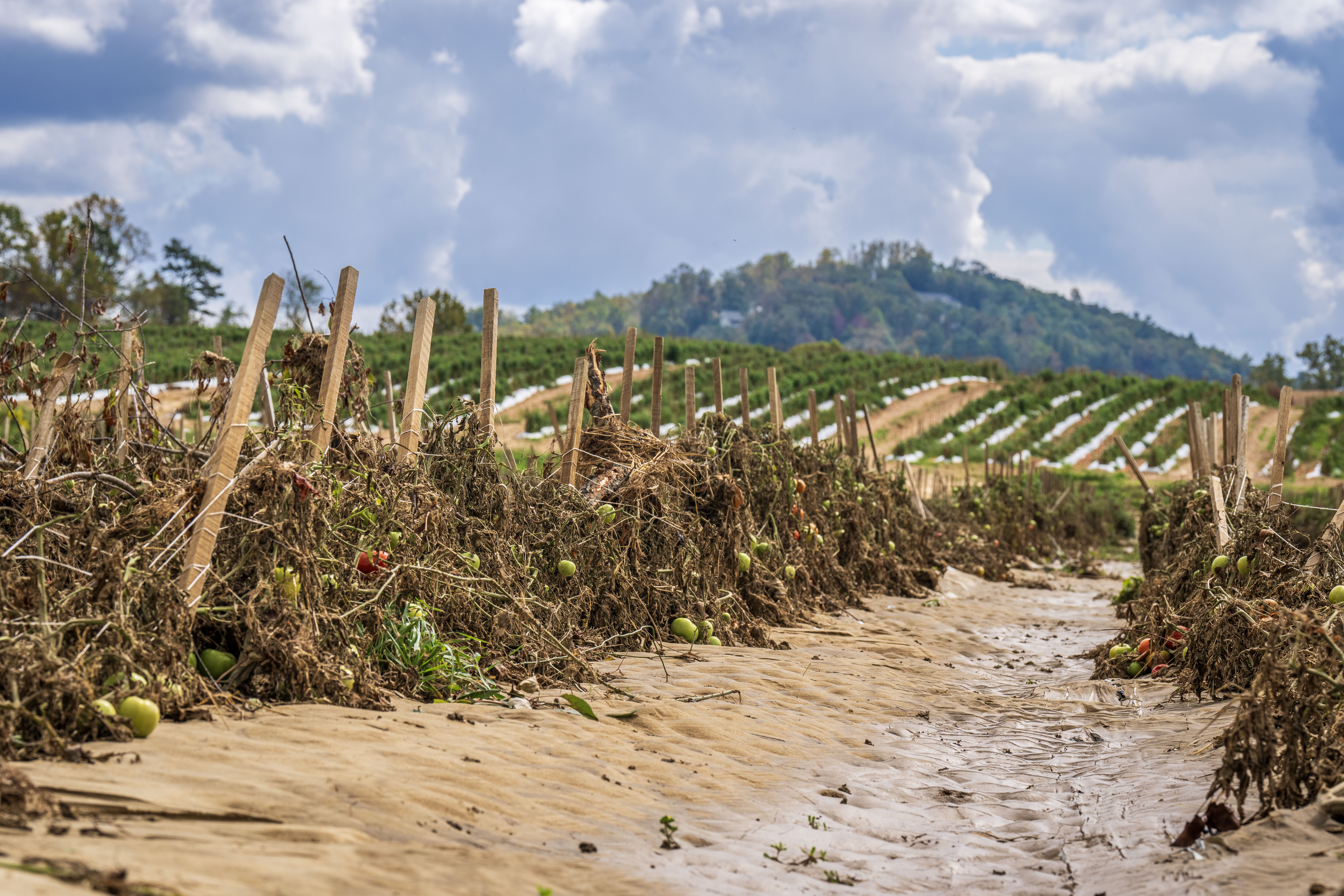
The soaring temperatures, lack of rainfall, and increased salinity are already posing challenges for farmers.
A 46-year-old selling vegetables at an outdoor market in Ho Chi Minh City on March 19 said that although he waters his crops three times daily, the soil dries quickly in the heat.
“This March is much hotter," he said in Vietnamese. "My vegetables are dying from the heat. The crop yields dropped 30% to 40% compared to the past."
In the Mekong Delta, the country's southernmost region made up of 12 provinces and Can Tho City, saltwater is intruding into freshwater sources.
According to the National Center for Hydro-Meteorological Forecasting, a salinity rate of 4 grams per liter is expected to reach 24 to 40 miles inland between April 1 and 10 while most plants can only cope with one gram of salinity. The Delta is reliant on the Mekong River for fresh water, which flows through five countries before it reaches Vietnam, splits into nine tributaries and meets the sea.
Local outlet VietnamNews reported that authorities are building dams, dredging canals, encouraging farmers to store water in ponds in their orchards, and setting up 77 free water supply sites in coastal Tien Giang province.
A 42-year-old rice farmer in the Mekong Delta Province of Long An told VOA he expected crop yields will be 20% to 30% lower than normal this year.
"In other years, I did not have to add water to the rice field but this year I have to do it once every five to seven days," he said, during a phone call in Vietnamese on March 20.
“This March is too hot, my skin got burned. I have to be in the field from 6 a.m. to 10 p.m. to work," he said, adding that the majority of his day is spent extracting well water for his rice fields.
Resource competition
For Brian Eyler, co-lead of the Mekong Dam Monitor at the Stimson Center in Washington, the biggest threats to the Mekong Delta are caused by humans and complicated by China's control of the largest dams and cooperation among the five lower Mekong countries.
During a public talk in Ho Chi Minh City on March 19, Eyler said that decades of damming, sand mining, and groundwater extraction pose an existential threat to the river.
"This is a river undergoing a heart attack," he said of the disruption to the river's natural ebb and flow.
Eyler said that out of the hundreds of dams built on the Mekong, the biggest are two Chinese hydropower dams which are large enough to "see from outer space" and make "severe changes" to the river.
Although there are solutions to restore the Mekong, Eyler said he sees shrinking space for hope. He said that cooperation is limited and although the Mekong River Commission was founded in 1957 to work with the governments of Cambodia, Laos, Thailand, and Vietnam to jointly manage the sustainable development of the river, the organization lacks power.
"There's not enough water to go around these days – resource competition is increasing," Eyler told VOA.
A new Cambodian project could "drive a wedge between Cambodia and Vietnam," according to Eyler. Cambodia plans to start building a 111-mile waterway, the Funan Techo Canal, which would connect Phnom Penh with key ports and cut off Vietnam's grip on the shipping industry.
"Shared resources like the Mekong need to be governed in a smart way otherwise there's a race to the bottom," Eyler said. "It's starting to really look like those last days are here in a very profound way."
Source - https://www.voanews.com