Vietnamese exporters adapt to tighter EU residue limits

30.03.2026 465 views

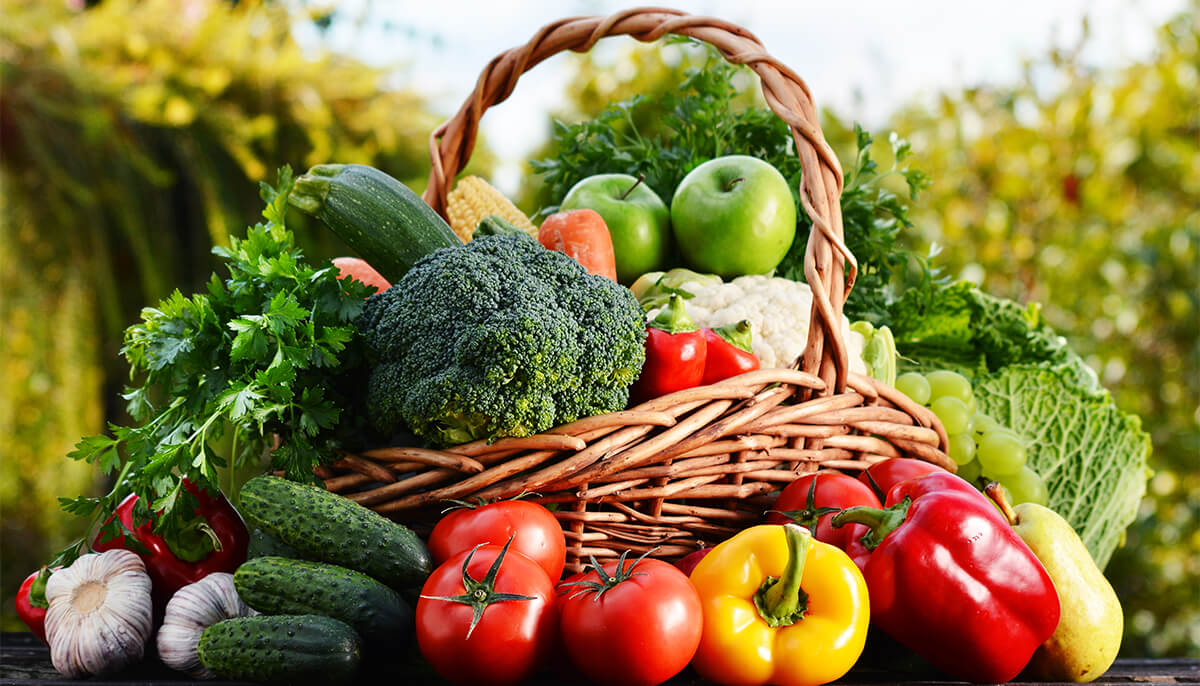
Exporters in Vietnam are adjusting production and compliance systems as European Union regulations on maximum residue levels (MRLs) continue to tighten for imported agricultural products.

Recent regulatory updates include lower permissible residue levels for active ingredients and expanded control measures, with stricter thresholds applied to substances no longer approved within the EU. These changes affect the full production chain, from cultivation and harvest to processing and export.

According to the Ministry of Agriculture and Environment, Vietnamese dragon fruit is currently subject to enhanced control under Appendix II of Regulation (EU) 2019/1793, with an inspection frequency of 30 per cent. Other products under increased control include chili peppers at 50 per cent, okra at 50 per cent, and durian at 20 per cent. Passion fruit is not currently included in enhanced inspection measures.

Following notifications of non-compliance related to MRL breaches, the ministry has implemented traceability measures, investigated root causes, and submitted corrective reports to EU authorities. It has also issued guidance to local authorities, industry groups, and exporters to strengthen food safety controls for export products.

Measures include the introduction of integrated pest management protocols and programs to expand the use of biological pest control agents, with the aim of reducing reliance on chemical inputs. These actions have contributed to a reduction in non-compliance notifications, from 64 cases in 2024 to 17 in 2025.

The EU remains a key export market with strict phytosanitary and food safety requirements. The Ministry of Agriculture and Environment is preparing technical documentation linked to an action plan to address compliance issues, with the objective of negotiating reduced inspection frequencies for selected products under Regulation (EU) 2019/1793.

In parallel, authorities are monitoring draft EU regulations and engaging with EU agencies on developments related to MRL policies. Training and technical outreach programs are being implemented for producers, exporters, and local officials to support compliance.

Production systems are being aligned with sustainability targets, including increased use of biopesticides and biological control methods, alongside reduced use of chemical inputs.


Source - https://www.freshplaza.com

20.08.2026

Philippines - Farm damage from ‘habagat’ and serial storms hits ₱1.7B

The agricultural damage caused by the recent typhoons has soared to more than P1.7 billion, affecting over 50,000 farmers and fisherfolk, according to the Department of Agriculture (DA).

20.08.2026

India - Tech Guard For Farms: MIT Muzaffarpur Students Develop AI Device To Protect Crops From Nilgai

For years, farmers in Bihar have relied on scarecrows, fencing and constant vigilance to protect their crops from nilgai, wild animals and birds. But these measures often lose their effectiveness as animals gradually learn to ignore them. 

20.08.2026

India - Madhya Pradesh embraces a new technological framework to estimate crop yield losses, but farmers say it misses damage on the ground

For farmer Makhan Singh Mewada, the 2025 kharif season ended long before harvest time. A combination of unseasonal rains and animal attacks destroyed more than a third of the soya bean he had sown on his 2-hectare field in Khamaliya village, located in Madhya Pradesh’s Sehore district.

20.08.2026

Kenya - Meru Farmers Take Vervet Monkey Crisis to Parliament Amid Rising Crop Losses

Farmers from Meru County have taken their grievances to Parliament, seeking government intervention over significant crop losses attributed to vervet monkeys. 

20.08.2026

India - Atchanna urges farmers to enrol in crop insurance before month-end

Agriculture minister K Atchannaidu has urged farmers to enrol in the crop insurance scheme before the month-end deadline, cautioning that El Nino could lead to rainfall deficits and erratic weather, increasing the risk of crop losses. 

20.08.2026

Nepal - More farmers are getting insurance, but crops are still left behind

Nepal issued more than 700,000 agricultural insurance policies in five years, but most cover livestock and fish, not crops.

19.08.2026

U.S. specialty crop growers seek US$5 billion in aid

House Agriculture Committee Chairman Glenn "GT" Thompson, R-Pa., called on Congress on Aug. 18 to direct as much as US$5 billion in additional federal assistance to specialty crop producers. 

19.08.2026

India - Kashmir apples lose their shine as extreme weather causes Rs 300-400 crore crop loss; growers suffer

Kashmir's apple crop has suffered extensive damage due to hailstorms, heavy rain and strong winds, with losses estimated at Rs 300-400 crore. South Kashmir is among the worst-hit regions, raising concerns for thousands of growers.