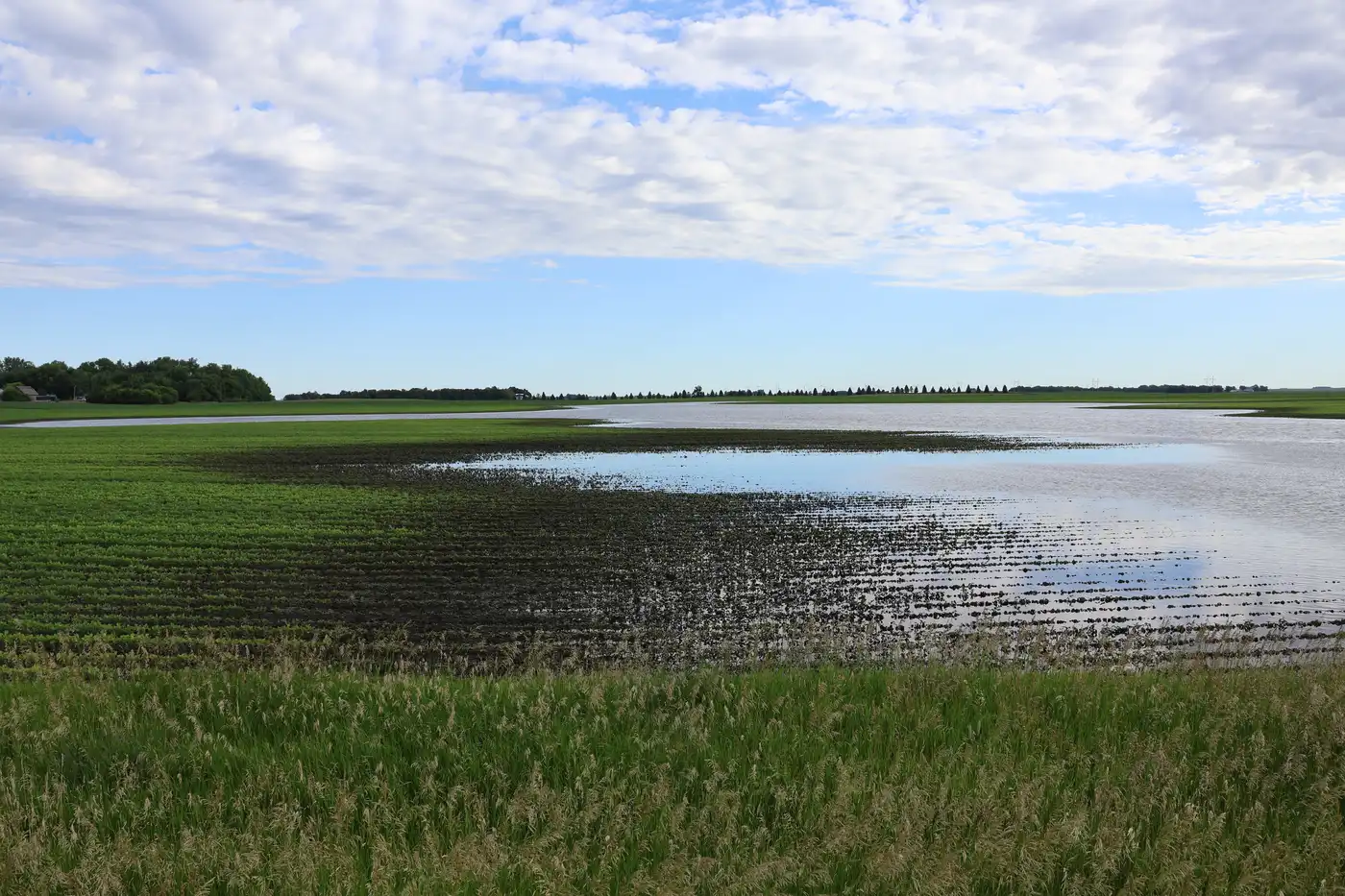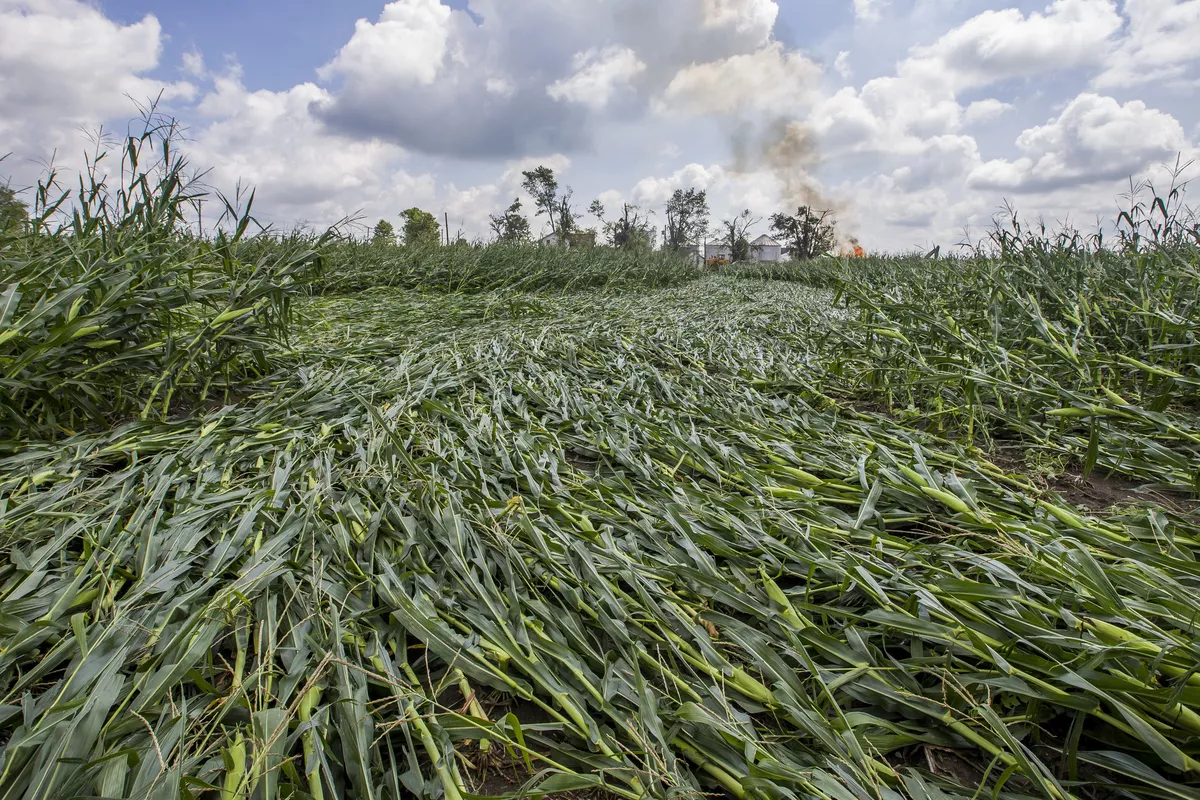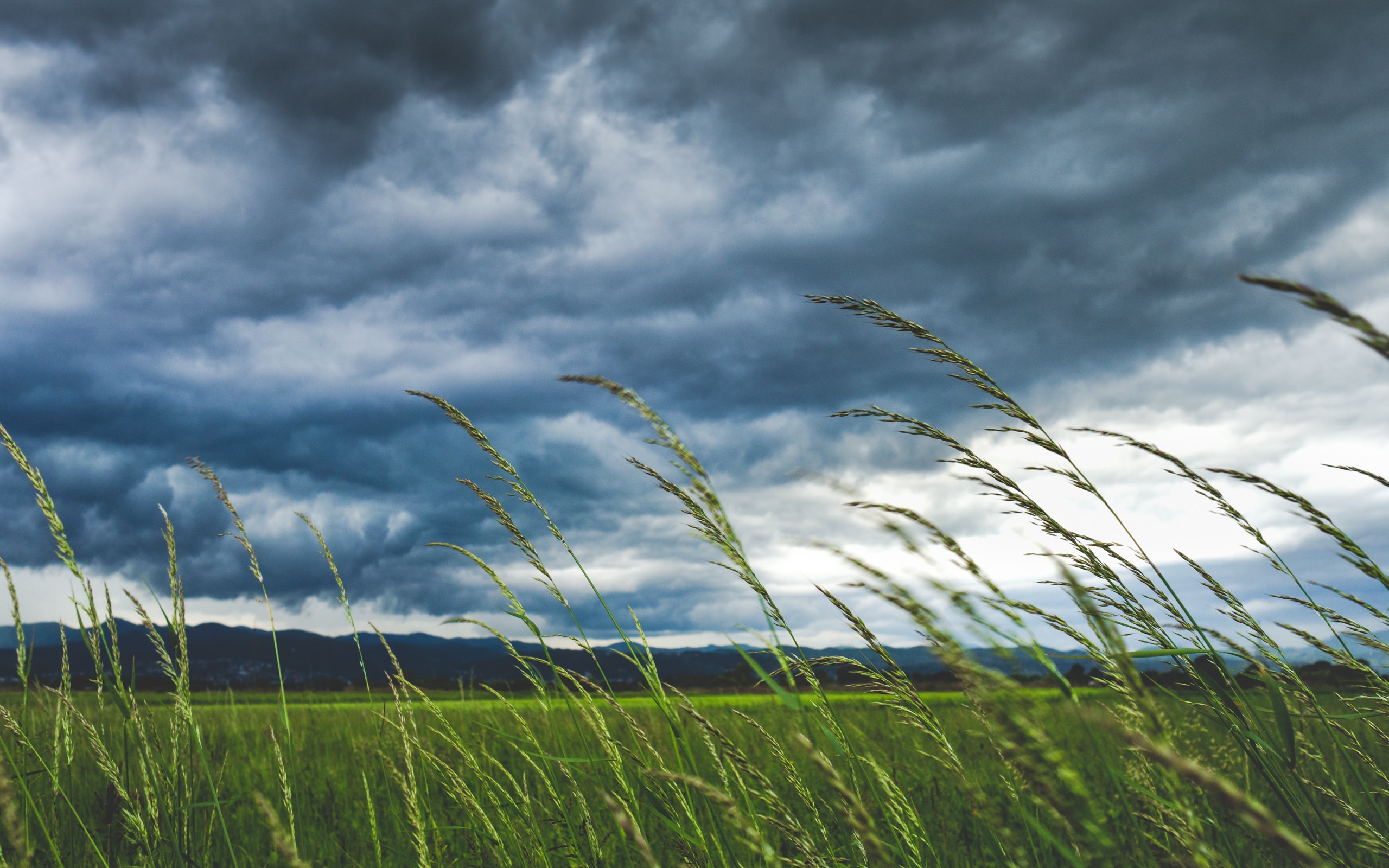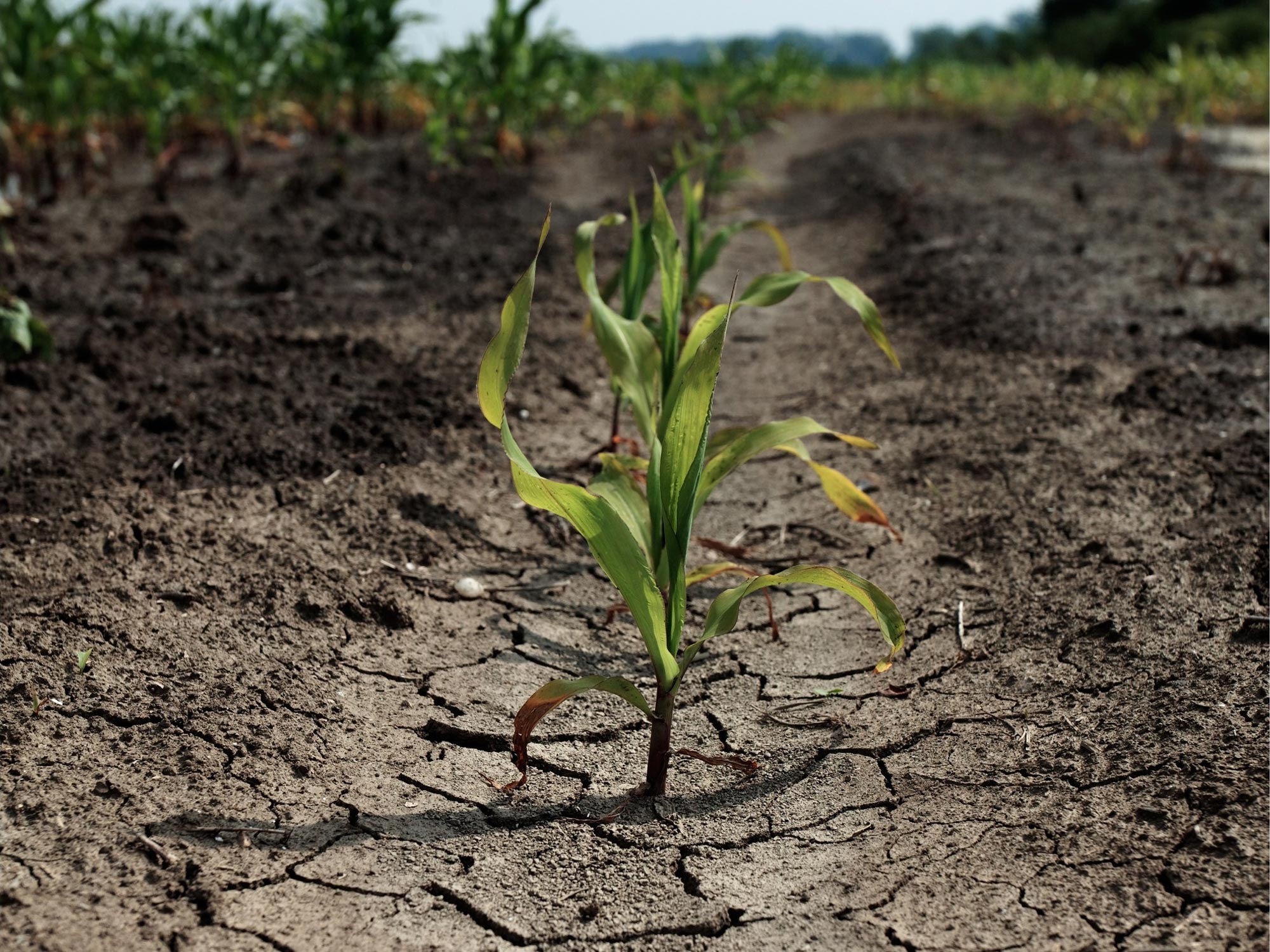
Tuesday, July 4, 2023, was the world's hottest day ever recorded, reports the U.S. Meteorological Institute. More and more climate records are being broken, but lately, they are not just being broken; they are being smashed. We can no longer escape global warming's effect, something fruit and vegetable growers can attest to as well. All around the world, growers are victims of increasingly frequent drought periods or, the opposite, excessive rain resulting in flooding.
It is hugely challenging to halt climate change while adjusting to changing weather patterns, and much can be written about it. This article considers the consequences for fruit and vegetable growers all over the world and looks at where the fruit and vegetable sector is seeking answers to mitigate the climate extremes' impact.
Here, we want to make it clear right away - with a measure of pride - that, despite problems like an increasingly global market with long-distance imports, consuming plant-based foods, generally, and fruits and vegetables in particular, offers a vital part of the solution to reduce global warming.
Food-footprint's website shows that producing a kilogram of hamburger meat emits about 30 kg of CO2 and uses 250 liters of water. For tomatoes, that is only about two kilos of CO2 and 100 liters of water. And eating legumes, grains, brassicas, sprouts, seeds, kernels, nuts, mushrooms, algae, and the like can (partially) replace the much-needed protein meat and dairy provide.
From switching to failed crops
Global warming manifests itself not only in the widespread, frequent occurrence of climate extremes but also in a gradual shifting of climate zones. And in horticulture, that immediately leads to choosing to switch crops. Pears traditionally struggled in Poland due to frigid weather; now, cultivation seems to be gaining a better foothold in that country. Sweet potato has always been a southern hemisphere product; today, you can find fields of these tubers in central and northern Europe.
"Introducing new crop varieties could have several positive effects for horticulture in the northern parts of Europe," the European Commission's website reads. For southern regions, high temperatures and water scarcity mean those effects are mostly adverse.
Spain is struggling
In the short term, crop failures are the most apparent result of climate extremes and changing weather patterns. That brings about financial woes for growers and frequently rising shelf prices due to supply shortages. In Spain, the European market's most important horticultural region, this year's stone fruits are smaller. On the one hand, because of the lack of cold hours in the fall and early winter, on the other, the hot, dry spring.
Another increasingly common phenomenon affecting stone and top fruit is late spring frost, just as the trees are in bloom. That happened, for example, in Lleida and Aragon last year. Growers in those areas lost 70% of stone fruit yields due to late frosts in April and an early heat wave in May.
The increasingly fierce and unusually timed rain, hail, and storms are becoming hugely problematic for Spanish fruit and vegetable cultivation; a few months ago, that prevented more than half of Extremadura's cherry harvest. In the medium term, however, the drought poses an even greater threat. That issue, which has been dragging on since the summer of 2019, means 70% lower yields are expected for the upcoming mango harvest in southern Spain.
Disasters in Italy and New Zealand
Sicily, a major citrus and greenhouse vegetable supplier, has been seesawing between droughts and floods. In late May, rains lashed Emilia-Romagna, resulting in limited stone fruit supplies and a downwardly revised top fruit harvest estimate. Other parts of the world are not being spared either. In February, floods and landslides in the wake of Cyclone Gabrielle wiped out many apple orchards on New Zealand's North Island. Prime Minister Chris Hipkins called Gabrielle the biggest natural disaster to hit New Zealand in the past century.
In South Africa's Western Cape, citrus growers experienced torrential rains for weeks in June, and in the same month, many rivers flooded houses and fields in Chile. "I can't remember a winter when it rained so much in such a short time," says one grape grower. But, in Peru, because of El Niño - which climate change could exacerbate - avocado growers and others are hoping for warmer weather and more rain. And Argentina experienced its worst drought and heat in 94 years. "We're witnessing the second lowest citrus exports in a decade," an Argentine citrus exporter said in early July.
From pest pressure to steeper agricultural insurance
Crop loss and infrastructure damage directly result from these increasingly common climate extremes, but global warming also has indirect consequences. "Temperature increases can lead to more pests and diseases," the European Commission writes on its website. For example, Drosophila Suzukii is becoming a significant challenge for France's medium-late and late cherry varieties.
Water shortages, in turn, mean acreage is shrinking in some cultivation areas. In large parts of Spain, basin levels are historically low, and groundwater salinization is increasing in coastal areas. Andalusia is vital for greenhouse vegetable cultivation in Almería, tropical fruits in Málaga, citrus in Seville and Huelva, and a multitude of other outdoor crops in several provinces. But, in early July, it could rely on only 25% of its water basin capacity.
This scarcity is making growers reluctant to make future commitments to irrigation, and they are planting fewer hectares. Spain has already cut back on some 1,000 hectares of melon crops.
Another indirect consequence? More expensive, less efficient agricultural insurance due to increased crop failures. That, combined with rising cultivation costs and investments (see next section ) - which sales prices do not always meet - is putting many small-scale growers' backs to the wall.
There are solutions
The sector is trying to adjust to cope with global warming's various direct and indirect adverse effects. The solution is significantly characterized by cultivation techniques, including irrigation, physical crop protection, and breeding innovations.
Hot weather and prolonged dry periods with possible water shortages are forcing growers, the sector, and governments to find ways to provide sufficient water and develop more efficient irrigation methods. Transferring water from one water basin to another, building rainwater retention infrastructure, reducing water use, and investing in new water harvesting techniques (e.g., desalination plants) are government tasks where umbrella sector associations can apply pressure and thus play a stimulating role.
The sector itself can begin developing and implementing water-saving irrigation methods too. Sensors measuring plants' precise water and nutrient requirements and sophisticated drip irrigation systems administering exact water amounts are becoming increasingly commonplace. There are also already biodegradable products that retain water in the soil, reducing evaporation.
To prevent late spring frost from damaging blossoms or young fruit, mobile fans offer an alternative to anti-frost braziers or watering the trees - not the most efficient solution when water is scarce.
In open field cultivation, a wide variety of ever-sophisticated nets and screens offer protection against too-bright sunlight (which burns plants and fruit) and too-hot temperatures, as well as rain, hail, and wind gusts. Here, agrivoltaics, or dual-use solar - where shading, rainproof solar panels are installed above crops that, in addition to providing protection, generate green energy - occupies a special place.
Controlled indoor cultivation is another solution that could receive increased interest in the future. It, however, only offers a solution for some crops. Herbs and greenhouse vegetables are no problem, but what about oranges and pears? Indoor cultivation provides the advantage of keeping out adverse environmental factors such as heat, cold, rain, hail, and wind, as well as pests and diseases.
Finally, growers are pinning their hopes on breeders' pioneering work. These breeders are developing crops that should withstand various harmful influences, like hot or cold weather, drought or flooding, and diseases and pests. Climate change is making these things ever-intense and frequent. With this in mind, the European Union now appears to be changing tack to allow some advanced breeding techniques that have, so far, been banned on European soil.
Source - https://www.freshplaza.com