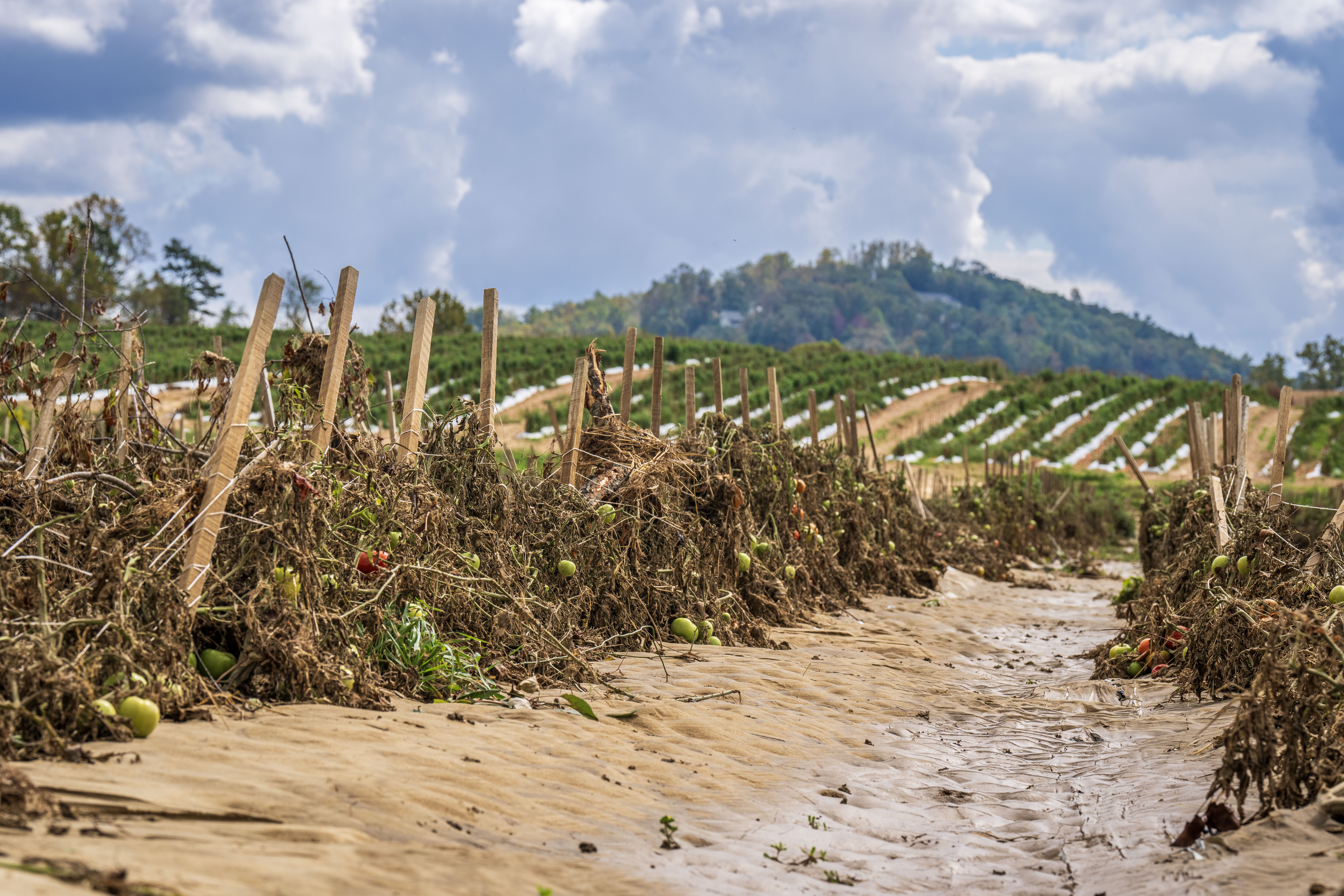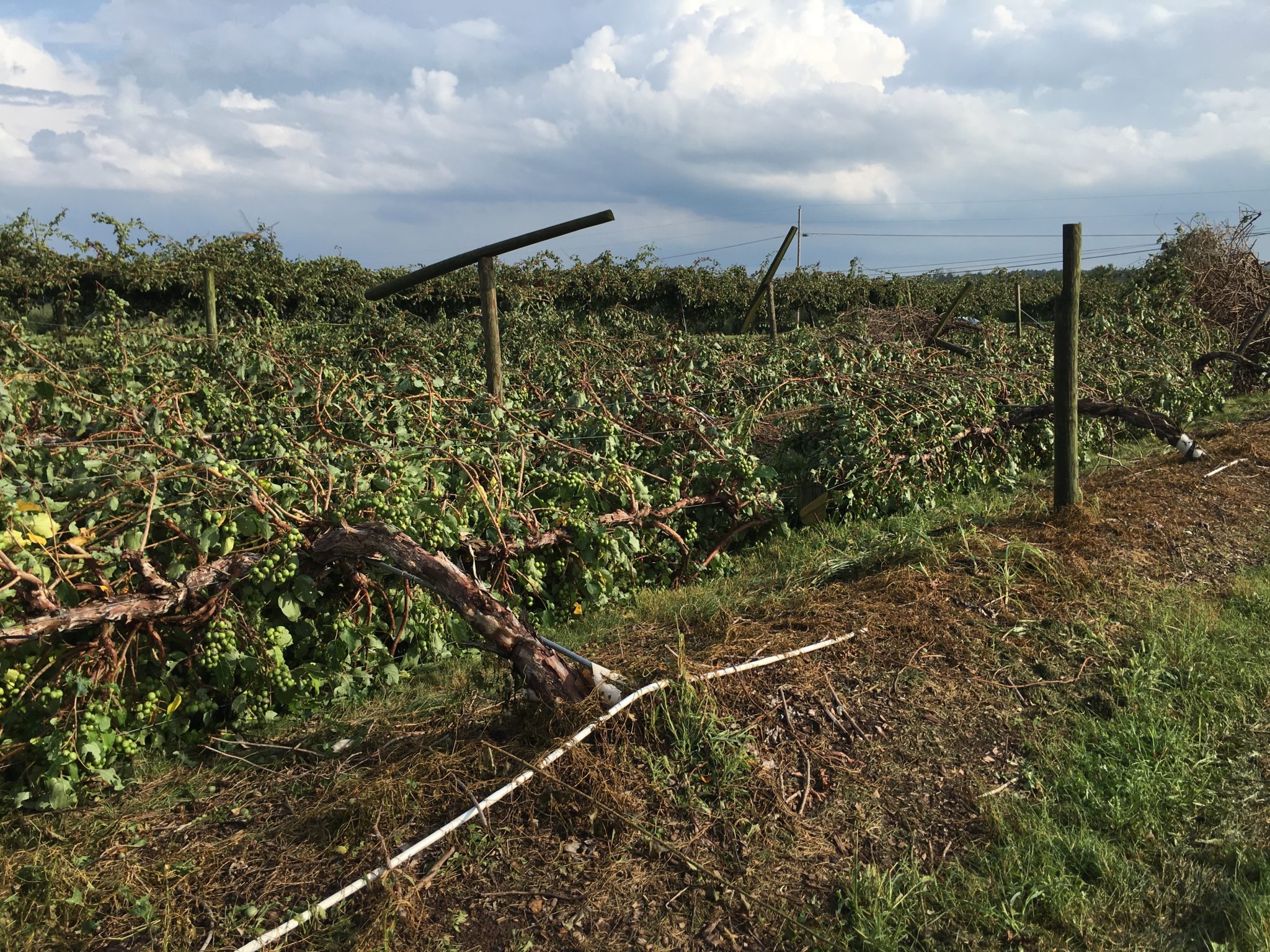
During the next few weeks, farm operators will be finalizing their crop insurance decisions for the 2024 crop year. March 15th is the deadline to purchase crop insurance for the 2024 crop year.
The 2024 spring prices for corn and soybean are likely to be reduced substantially from the base price levels last year; however, there still should be some favorable crop insurance guarantees again this year at reasonable premium costs. Producers have several crop insurance policy options to choose from, including yield-only (YP) and revenue protection (RP and RPE) policies, SCO and ECO policies, and other private insurance options.
In recent years, most farm operators have chosen revenue protection (RP) insurance options, which provide a guaranteed minimum dollars of gross revenue per acre (yield x price). This guarantee is based on yield history (APH) on a farm unit times the Spring (base) price, which is the average of the CBOT prices during the month of February for December corn futures and November soybean futures.
As we enter February, the 2024 crop insurance Spring price estimates in the Upper Midwest for YP, RP, and RPE policies were estimated at $4.70 per bushel for corn and $11.75 per bushel for soybeans. The 2024 Spring prices will be finalized on March 1.
The current 2024 base price estimates compare to 2023 base prices of $5.91 per bushel for corn and $13.76 per bushel for soybeans and the 2022 base prices of $5.90 per bushel for corn and $14.33 per bushel for soybeans. The final 2024 crop revenue will be the actual fam yield times the crop insurance harvest price, which is the average CBOT prices during October for December corn futures and November soybean futures.
Another insurance option that is a lower premium than a typical RP policy with harvest price protection is a RPE (harvest price exclusion) policy, which functions similarly to a standard RP policy except that the guarantees on RPE policies are fixed at the base price level and are not affected by harvest prices that exceed the base price.
The revenue guarantee for standard RP policies is increased for final insurance calculations, if average CBOT prices during the month of October are higher than the February CBOT prices, which is what occurred for corn and soybeans in both 2020 and 2021, as well as for corn in 2022. The RPE option is not recommended to protect against losses due to large crop disasters or other situations that could lead to price increases during the year.
An analysis for the past seventeen years (2007-2023) shows that the final crop insurance harvest price for corn has been lower than the Spring base price in eleven of the seventeen years, including a decrease of ($1.03) per bushel in 2023. The corn harvest price was also lower from 2013-2019.
That trend was reversed from 2020-2022, when the harvest price for corn rose above the Spring price by +$.11 per bushel in 2020 +$.79 in 2021, and by +$.96 in 2022. The only other years that saw an increase in the harvest price were 2010, 2011 and 2012.
For soybeans, the harvest price has increased in seven years (2007, 2009, 2010, 2012, 2016, 2020 and 2021) and decreased in nine years (2008, 2011, 2014-2019, 2022 and 2023), while staying the same in 2013.
The range has been from an increase of +$2.84 per bushel in 2012 to a decline of ($3.00) per bushel in 2008. In 2023, the harvest price was $12.84 per bushel, which was a decrease of ($.92) per bushel from the Spring price of $13.76 per bushel.
SCO and ECO Insurance Coverage
The Supplemental Coverage Option (SCO) coverage is only available to producers that choose the Price Loss Coverage (PLC) farm program option for the 2024 crop year. The farm program and crop insurance enrollment deadlines are both March 15, 2024, which means that farm operators will need to consider both choices during the same time period.
SCO allows producers to purchase additional county-level crop insurance coverage up to a maximum of 86 percent coverage. For example, a producer that purchases an 80% RP policy could purchase an additional 6% SCO coverage. The federal government subsidizes 65% of the premium for SCO coverage, so premiums are quite reasonable, making SCO a viable option for some producers.
The Enhanced Coverage Option (ECO) provides area-based insurance coverage from 86 percent up to 95 percent coverage, with producers having a choice between 90 or 95 percent ECO coverage. Unlike SCO coverage, the purchase of ECO coverage is available with selection of either the PLC or ARC-CO farm program choice for 2024.
Producers can utilize both ECO and SCO together, in addition to their underlying RP, RPE, or YP insurance policy. SCO and ECO are county revenue-based insurance products that utilize the same crop insurance base prices and harvest prices as RP insurance policies; however, the biggest difference is that SCO and ECO utilize county level average yields, rather than the farm-level APH yields.
As a result, the SCO and ECO insurance policies may achieve different results than the underlying RP policy. SCO and ECO insurance policies can serve as a good risk management tool to offset potential significant price declines in the Fall harvest price.
Interested producers should check with their crop insurance agent for details on SCO and ECO insurance coverage and premiums for 2024, as well as to compare SCO and ECO with other private buy-up insurance products.
'Enterprise Units' and 'Optional Units'
“Enterprise units” combine all acres of a crop in a given county into one crop insurance unit, while “optional units” allow producers to insure crops separately in each individual township section. “Enterprise units” usually have considerably lower premium costs (approx. $8.00-$10.00 per acre) compared to “optional units”, for comparable RP and RPE policies.
Producers should be aware that “enterprise units” are based on larger coverage areas, and do not necessarily cover losses from isolated storms or crop damage that affect individual farm units, such as damage from hail, wind, or heavy rains.
Many times, producers automatically opt for “enterprise units” every year, due to the lower premium cost per acre for similar coverage, and probably not totally understanding the differences in coverage between “enterprise units” and “optional units”.
It is important to understand the difference in insurance coverage and to analyze the yield risk on each individual farm unit, when determining if paying the extra premium for insurance coverage with “optional units” makes sense.
'Bottom-line' on crop insurance decisions
Producers have the option to purchase RP and RPE insurance coverage levels from 50% to 85%, and losses are paid if the final crop revenue falls below the revenue guarantee.
Given the reduced Spring base prices for both corn and soybeans, there may be a tendency to reduce the level of crop insurance coverage for 2024. However, producers need to closely analyze their risk exposure for the 2024 crop year and adjust their crop insurance coverage accordingly.
At the current estimated Spring prices, many producers should still be able to provide an adequate level of risk protection for corn and soybean production in 2024.
At current Spring price levels, many producers will be able to guarantee from near $650.00 to $900.00 per acre for corn, and near $450.00 to $700.00 per acre for soybeans, depending on their APH yield, by utilizing 85% RP insurance coverage level in 2024.
Producers can further enhance their revenue guarantees through “buy-up” crop insurance coverage that is offered by private insurance companies, as well as with “wind” and “hail” endorsements, or through the purchase of SCO or ECO insurance coverage. Crop insurance remains one of the best risk management tools that is available for farm operators to protect their investment in crop production.
A reputable crop insurance agent is the best source of information to find out more details about the various crop insurance products that are offered, to get premium quotes, and to help finalize 2024 crop insurance decisions. I have prepared an information sheet titled: “2024 Crop Insurance Decisions".
Source - https://eu.farmforum.net