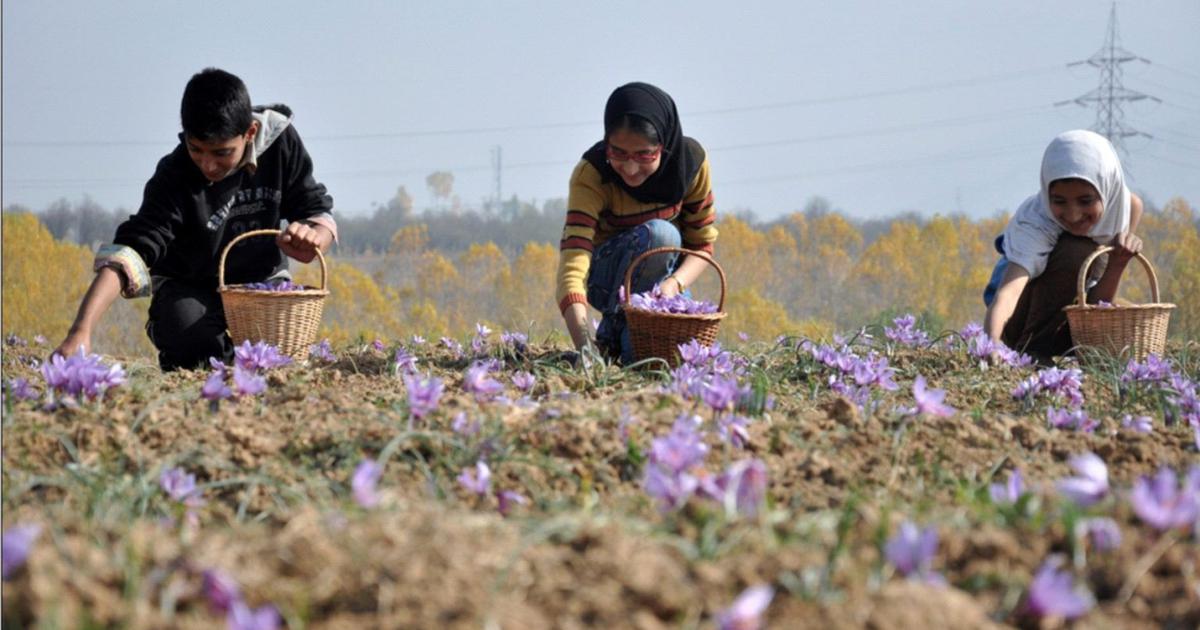
For decades, Ethiopia’s agricultural sector has remained trapped in a dangerous paradox. Although agriculture forms the backbone of the national economy—employing the majority of the population, supporting exports, and sustaining rural livelihoods—it continues to suffer from chronic underfinancing.
Tens of millions of farmers across the country account for a third of GDP and nearly 80 percent of Ethiopia’s exports, yet agriculture remains one of the most under-financed sectors in Ethiopia.
A report published by the National Bank of Ethiopia (NBE) indicates that credit flows to the agriculture sector in 2023/24 represented only eight percent of loans disbursed by banks (not including credit from the state-owned Commercial Bank of Ethiopia used for government fertilizer purchases) and 18 percent of loans from microfinance institutions (MFIs).
The data shows that just two percent of total potential demand opportunity for agri-finance was fulfilled that year. Farmers had access to less than 2.6 billion Birr in credit, far less than the 881 billion Birr envisioned by 2030 in the government’s Ten-Year Development Plan.
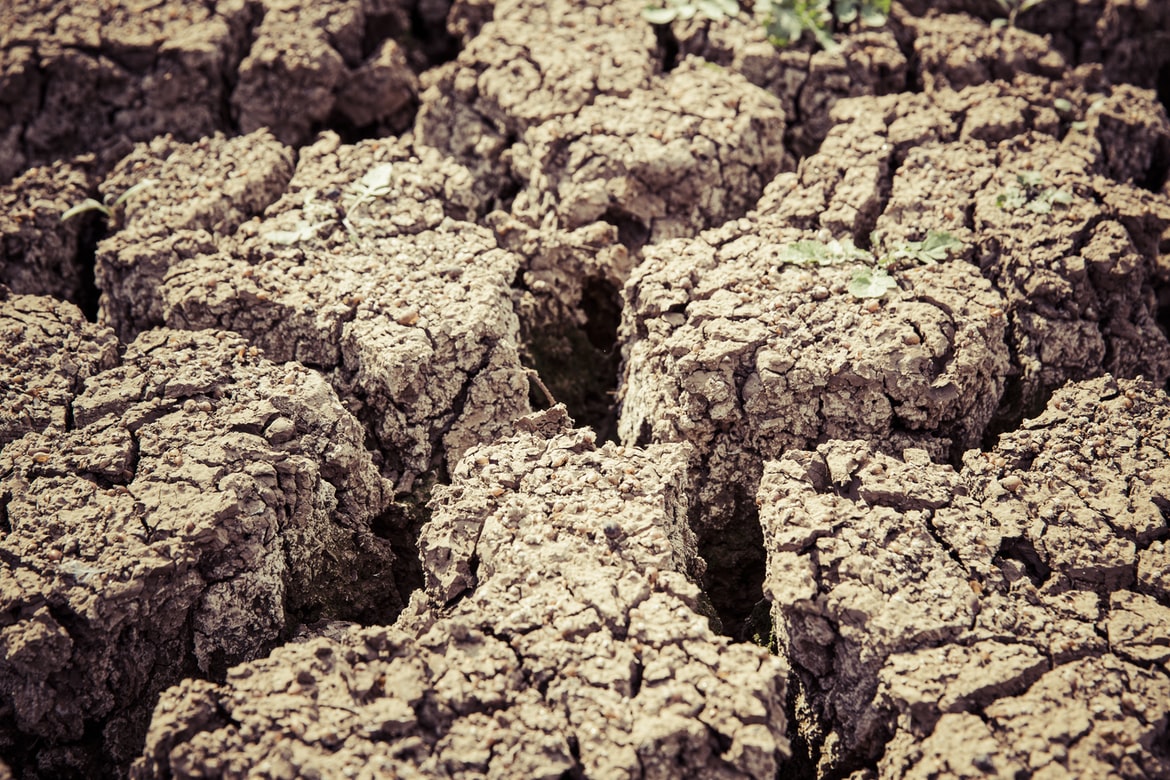
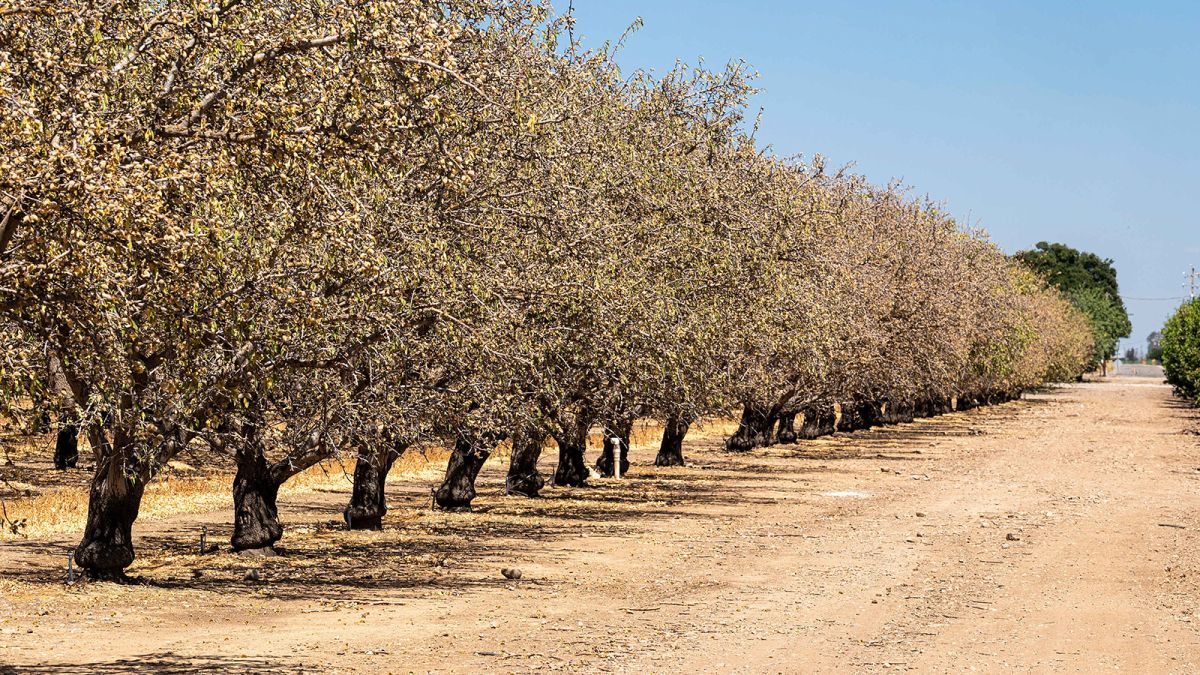
Financial institutions remain reluctant to lend aggressively to farmers because agriculture is widely perceived as highly vulnerable to drought, erratic rainfall, pests, and livestock losses. Farmers themselves often avoid investing in improved seeds, fertilizers, machinery, or irrigation systems because a single climate shock can wipe out an entire season’s investment just as in the case of Mohammed Inahaba Gurani, a young university graduate and farmer from Afar.
Speaking to The Reporter Magazine, Mohammed recounted the misfortunes that turned his life upside down two years ago. In 2024, he cultivated wheat on nearly 84 hectares of land expecting to produce between 30 and 40 quintals per hectare. However, wild birds known locally as grissa (a species of sparrow) destroyed his harvest.
“This was a devastating loss for. If I had insurance coverage for my crops, I would not have suffered such a tragic loss,” he said.
Mohammed emphasized that recovering from the incident has been extremely difficult, stressing that traditional or technology-driven (index-based) insurance is essential for farmers and livestock producers to protect themselves against unexpected losses.
Likewise, experts increasingly argue that technology-driven index-based agricultural insurance could become one of the most important tools for breaking this cycle.
Tadele Mamo(PhD), a seasoned agro-economist at the Ethiopian Institute of Agricultural Research, argues index-based insurance should not be viewed merely as a compensation mechanism for farmers after disasters occur. Rather, it has the potential to fundamentally reshape agricultural finance, climate resilience, and rural economic transformation in Ethiopia.
Reducing Risks and Protecting Rural Livelihoods
“Index-based agricultural insurance is used to minimize risks associated with farming and livestock production,” Tadele explains. “It helps reduce crop failure, prevent hunger-related vulnerability, and strengthen food sovereignty.”
Because, unlike conventional insurance systems that require physical field inspections to determine losses, index-based insurance relies on objective indicators such as rainfall data, satellite imagery, vegetation monitoring systems, and temperature records. Once climatic indicators fall below predefined thresholds, payouts are automatically triggered.
For a country like Ethiopia, where rain-fed agriculture dominates production systems and climate shocks repeatedly threaten livelihoods, such innovation could prove transformative.
Tadele notes that one of the greatest advantages of the system is its ability to protect farmers from distress asset sales during crises.
“Insurance helps farmers avoid selling critical assets such as cattle and other property during difficult periods,” he says. “Without compensation from insurance, recovery from such damage could take years, or even generations.”
In drought-prone rural communities, livestock often represents not only income but also long-term household security. When farmers are forced to liquidate animals after climate shocks, the economic consequences can persist for decades. Index insurance, experts argue, offers a mechanism for protecting both productive assets and long-term resilience.
Index-Based Insurance: The Foundation for Sustainable Agricultural Finance Systems
The deeper significance of index-based insurance lies not simply in post-disaster recovery, but in its capacity to de-risk Ethiopia’s agricultural economy.
For years, rural finance has remained severely constrained because banks and microfinance institutions fear large-scale defaults during droughts and climate-related shocks. When thousands of farmers lose harvests simultaneously, lenders themselves face systemic financial risk. Index insurance changes that equation.
Tadele observes insured farmers are more likely to gain access to formal credits because financial institutions have greater confidence in their repayment capacity.
That shift could have major implications for agricultural modernization. Insurance-backed farmers become more capable of purchasing improved seeds, fertilizers, pesticides, machinery, and irrigation technologies. As access to finance improves, farmers also become more willing to adopt innovation.
“Farmers are naturally risk-averse when protecting their livelihoods and assets,” Tadele says. “But when they gain better access to finance and credit, they become more confident and willing to adopt new technologies and innovative farming methods.”
The result, he argues, is higher agricultural productivity at both household and national levels. In this sense, index insurance becomes more than a safety net; it effectively functions as collateral for rural finance.
One reason traditional agricultural insurance has historically struggled across Africa is the high cost of administration.
Conventional insurance systems require insurance assessors to travel physically to farms, inspect crop conditions, estimate losses, and determine compensation levels. Such processes are expensive, time-consuming, and often vulnerable to disputes or fraud.
Tadele argues that technology fundamentally changes the economics of insurance delivery.
“Index-based agricultural finance and insurance are more cost-effective than conventional insurance systems,” he explains. “Traditional insurance requires extensive fieldwork and significant human and financial resources.”
In contrast, index insurance depends on remote sensing technologies, weather stations, satellite data, and vegetation monitoring systems rather than direct field inspections.
“This significantly reduces logistical and administrative costs,” Tadele says. “Farmers can access insurance services at reasonable prices, while insurers can provide coverage more efficiently and sustainably.”
Technology also enables climate risks to be predicted earlier.
According to Tadele, weather forecasting and vegetation monitoring systems can provide advance warnings before severe losses occur, allowing farmers to take preventive measures such as protecting livestock, adjusting planting decisions, or preparing for possible crop failure.
Importantly, he stresses that modern index insurance systems are no longer simply about financial payouts.
“Index-based insurance is not merely a compensation mechanism,” he says. “It also incorporates weather forecasts and advisory services that are highly valuable for farmers and livestock herders.”
Such advisory systems can help rural communities improve climate resilience at a time when weather volatility across the Horn of Africa is intensifying.
The Promise of a Digital Rural Finance Ecosystem
As Ethiopia’s digital infrastructure expands, experts believe index insurance could eventually become part of a broader integrated rural finance ecosystem.
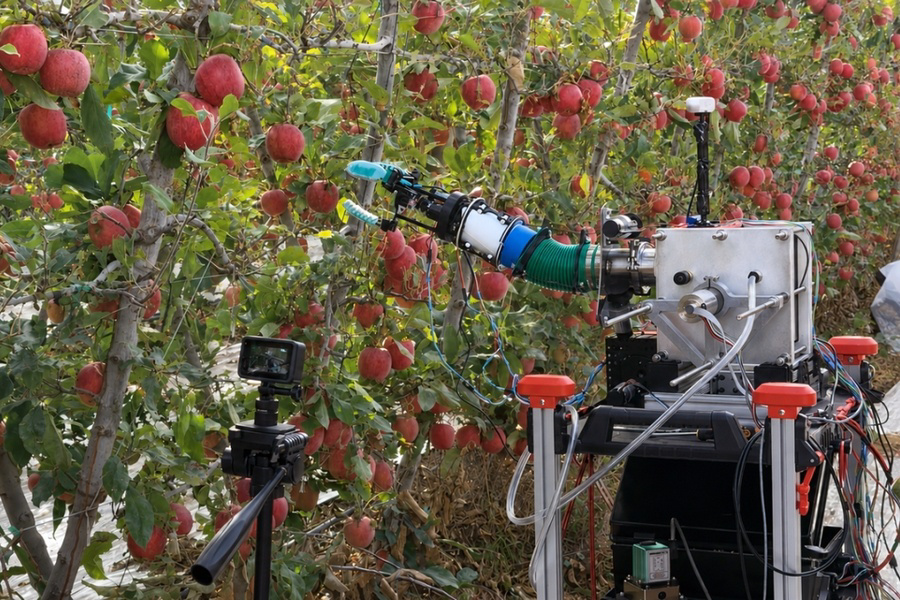
Emerging technologies, including satellite monitoring, automated weather stations, mobile banking platforms, artificial intelligence, and digital farmer databases, are making it increasingly possible to scale agricultural insurance services at lower cost.
When integrated effectively, such systems could support automated premium collection, drought monitoring, climate risk analytics, weather forecasting and digital advisory services, and credit scoring systems linked to insurance coverage.
This convergence could significantly reduce the financing gap that has constrained Ethiopian agriculture for decades.
Rather than operating as isolated pilot programs, insurance, credit, savings, extension services, and market access platforms could eventually function as interconnected components of a unified digital agri-finance ecosystem.
Limited Adoption
Despite growing recognition of its benefits, index-based insurance in Ethiopia remains far from achieving national scale.
According to Tadele, pilot projects have been implemented across almost all regions over the past decade, yet adoption among farmers remains relatively low.
One major reason is the shortage of reliable climate and weather information infrastructure. Tadele identifies the limited number of weather stations as one of the biggest barriers to effective implementation.
“Ethiopia currently has only around 1,300 weather stations,” he notes. “Even if additional stations under other institutions are included, the total number is unlikely to exceed 2,000.”
For a geographically vast country with highly diverse climatic conditions and a population exceeding 130 million, that number remains critically insufficient.
“The shortage of weather stations limits the availability of accurate information needed by both insurers and farmers,” said the expert.
Insufficient weather data increases what experts call “basis risk”—situations where farmers suffer losses but insurance payouts are not triggered because nearby weather stations fail to record threshold conditions accurately.
Beyond infrastructure gaps, limited farmer awareness and trust remain major obstacles to the expansion of agricultural insurance. Whether traditional or tech based, many rural households still have little familiarity with agro insurance systems, most of them even have never heard about it having no information at all.
This reality is evident even among educated farmers such as Mohammed from the Afar region. Mohammed, a farmer from Amibara Woreda who graduated in Surveying from Jimma University in 2012, had never heard of agricultural insurance before losing his 84 hectares of wheat to the invasion of wild birds two years ago. Following the devastating loss, he deeply regretted the lack of awareness about agro-insurance services in his area.
“Like most farmers in our area, I had no information about agricultural insurance. If I had known about it, I could have saved myself from such a huge loss,” he said sorrowfully.
Mohammed graduated in 2019. After returning to his hometown in Gabi Rasu Zone, he spent several years searching for employment in his field. However, he says he was unable to secure a job due to nepotism and corruption among local officials. Eventually, he decided to change careers and became a farmer, cultivating his family’s large tract of land.
Minjar Shenkora farmer Siyum Aklilu shares Mohammed’s concerns.
“Although we understand the paramount importance of insurance in agriculture and its role in increasing productivity, most of us still lack adequate information and access,” Siyum said, echoing Mohammed’s views.
Regarding other forms of agricultural finance, such as loans, Siyum noted that farmers have relatively greater experience and exposure. However, he stressed that the agricultural loans currently available remain insufficient both in accessibility and in the amount provided.
A clear example, according to both Mohammed and Siyum, is the agricultural loan program recently introduced by the Commercial Bank of Ethiopia, which uses land ownership certificates as collateral. Both farmers told The Reporter Magazine that they received information about the scheme immediately after it was announced and actively pursued the opportunity by fulfilling all the requirements set by the bank.
“We fulfilled all the criteria, and the bank told us, ‘You will receive the loan right away.’ However, four months have passed, and we still have not received the loan,” Siyum and Mohammed said.
Whether provided in the form of insurance or credit, both farmers underscored the critical role of agricultural finance in improving household livelihoods and strengthening the nation’s economic backbone through increased agricultural productivity. However, they emphasized that the current agricultural financing system remains inadequate in both reach and scale. They urged the government to give practical attention to the issue on the ground, beyond promises, plans, and strategies written on paper.
Limited trust of agro insurance among farmers also remains a challenge. Farmers may perceive premium payments as losses if payouts are not received immediately.
Affordability presents another challenge.
Fikeru, CEO of ReInsurers, argues that even though tech driven index agro insurance is relatively cost effective when compared with traditional agro insurance schemes affordability should be reconsidered especially for farmers.
“Does the price still consider the real capacity of the majority of our farmers?” he asked.
Many smallholder farmers cannot afford premiums without support mechanisms such as subsidies or bundled financing arrangements. Fikeru indicated that while the role tech-driven agro insurance plays in improving household livelihoods and increasing the overall agricultural productivity cannot be denied, much of it is still at a pilot level and has not scaled up as expected.
Institutional fragmentation further complicates scaling efforts as coordination among vital stakeholders often remains weak in Ethiopia’s policy environment. Successful agricultural insurance systems require appropriate coordination among insurers, banks, telecom providers, meteorological agencies, development organizations, and government institutions.
In his doctoral research titled Digitalization and Customer Loyalty in the Ethiopian Insurance Industry, presented during the insurance sector’s consultative forum held in Addis Ababa on April 23, 2026, Yared Mola , CEO of Nyala Insurance and president of the Association of Ethiopian Insurers, argues tech-first insurance providers are increasingly gaining a competitive edge.
He observes the emerging roles of tech driven agro finance institutions in the sector, highlighting their comparative advantage as offering faster claims processing, more efficient policy management systems, and customer-friendly digital services.
However, he argues that the country’s insurance industry remains heavily dependent on fragmented, paper-based, and manual procedures that continue to slow service delivery and weaken customer experience.
Yared identified leadership hesitation and delays in implementing reforms as some of the most significant barriers preventing the sector from modernizing and scaling up. In order to tackle the challenge, he urges traditional insurers to move away from cumbersome manual systems and adopt modern, mobile-based digital platforms capable of improving operational efficiency and customer engagement. Yared also called on insurers to prioritize innovation and digital service delivery to scale up technology-driven agricultural insurance across the country.
A Strategic Necessity in an Era of Climate Volatility
Climate shocks across the Horn of Africa are becoming increasingly severe and frequent. Droughts, erratic rainfall, floods, and temperature extremes are no longer temporary disruptions but structural threats to agricultural systems.
Under such conditions, experts argue that Ethiopia cannot sustainably modernize agriculture without building stronger climate-risk management mechanisms.
For Tadele, the future of agricultural transformation depends not only on increasing production, but also on building resilience.
If properly regulated, digitized, and integrated with rural finance systems, technology-driven index insurance could unlock billions of Birr in agricultural investment, strengthen food security, protect rural livelihoods, and reduce one of Ethiopia’s most persistent development challenges: the chronic underfinancing of agriculture.
The challenge now is no longer proving whether the model has potential. The more urgent question is whether Ethiopia can build the institutional trust, weather-data infrastructure, financial partnerships, and digital systems necessary to scale index-based insurance nationally before climate shocks become even more destructive.
Source - https://thereportermagazines.com