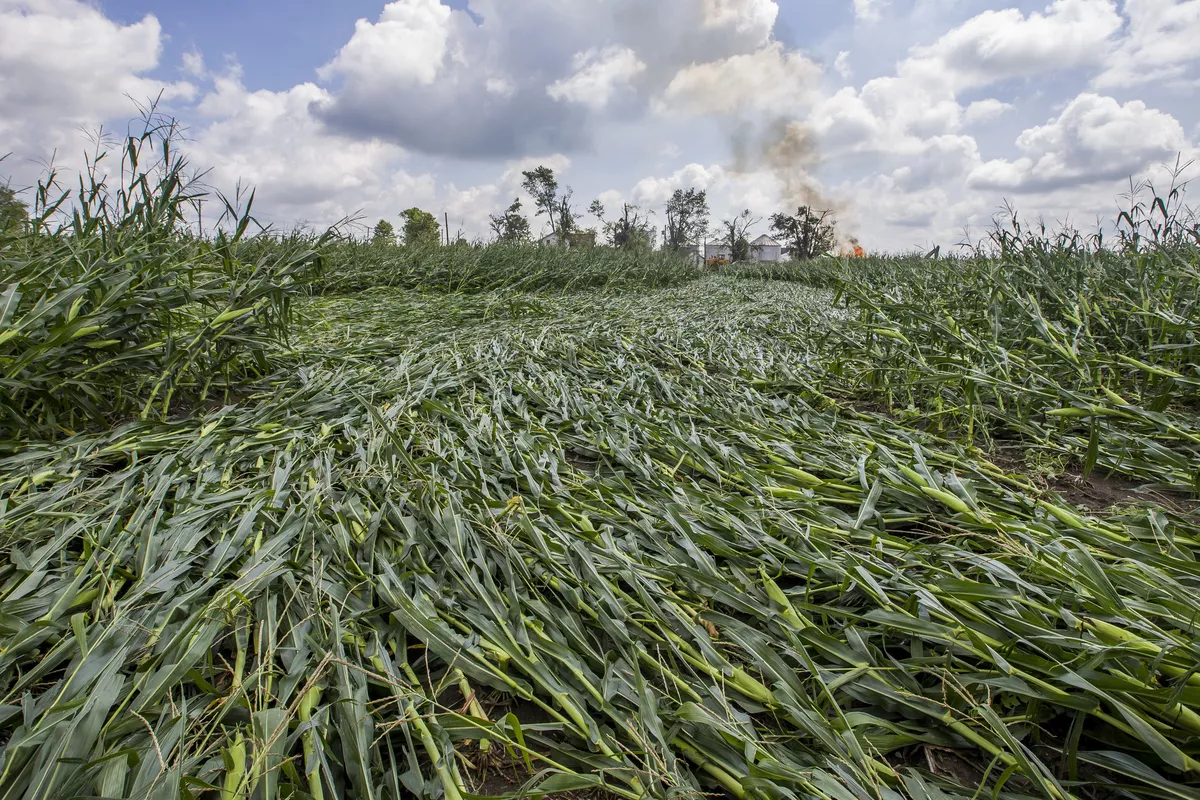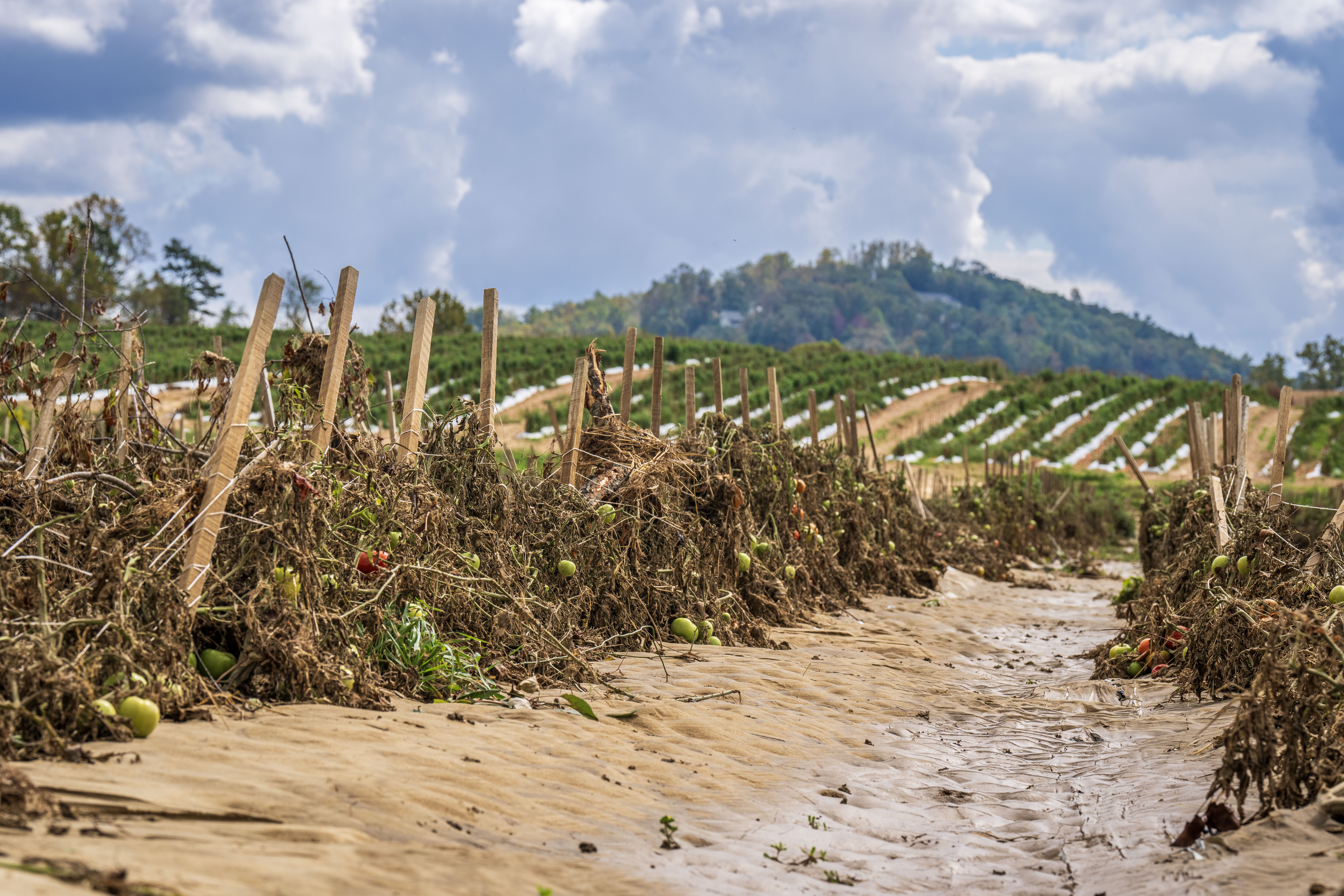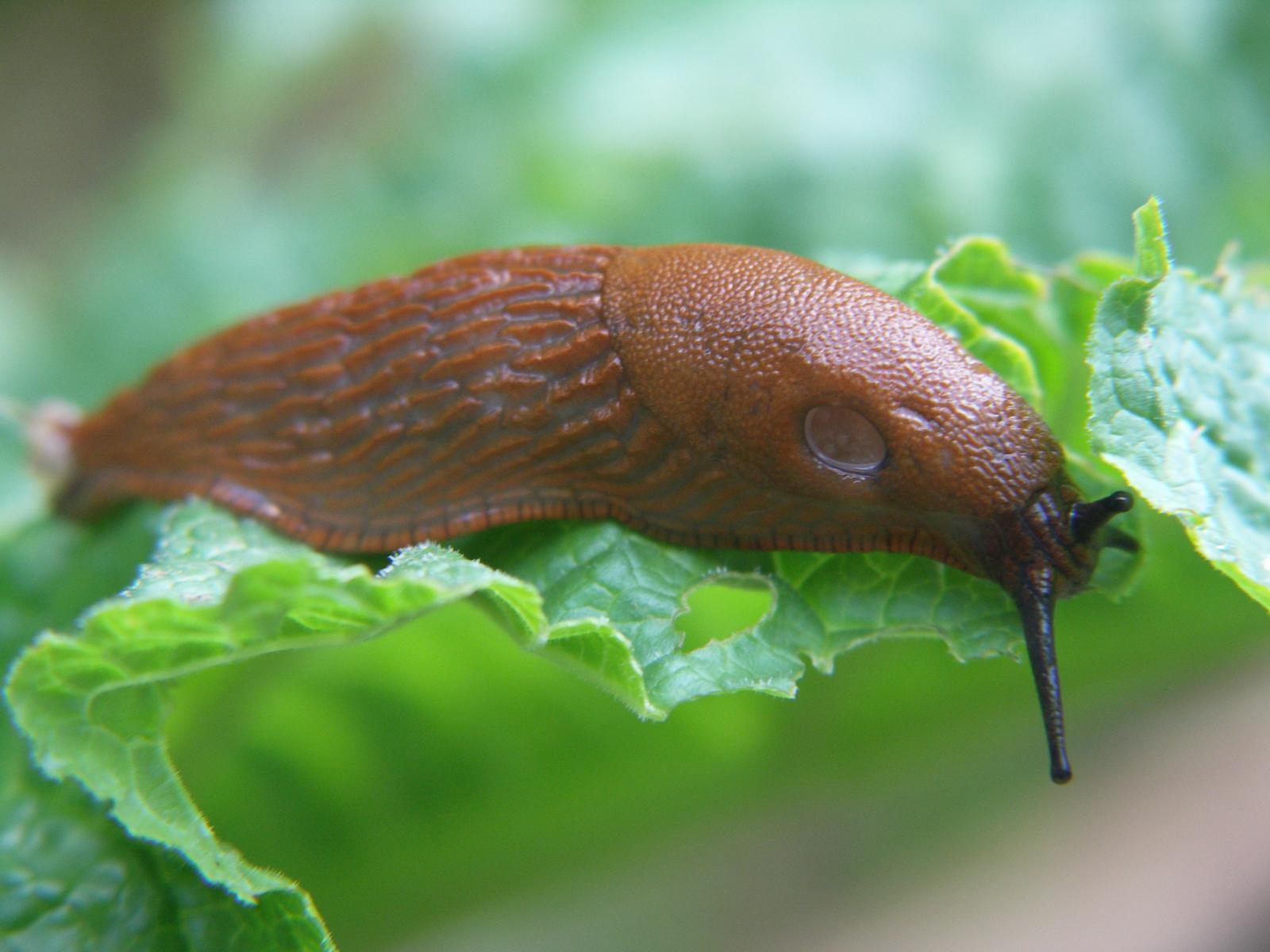
Slug damage is evident in many crops this autumn. Wet weather is the primary factor and crops after oilseed rape and fields with a history of slug damage have fared worse.
The fact that field conditions weren’t suitable for rolling only increased the pressure on crops.
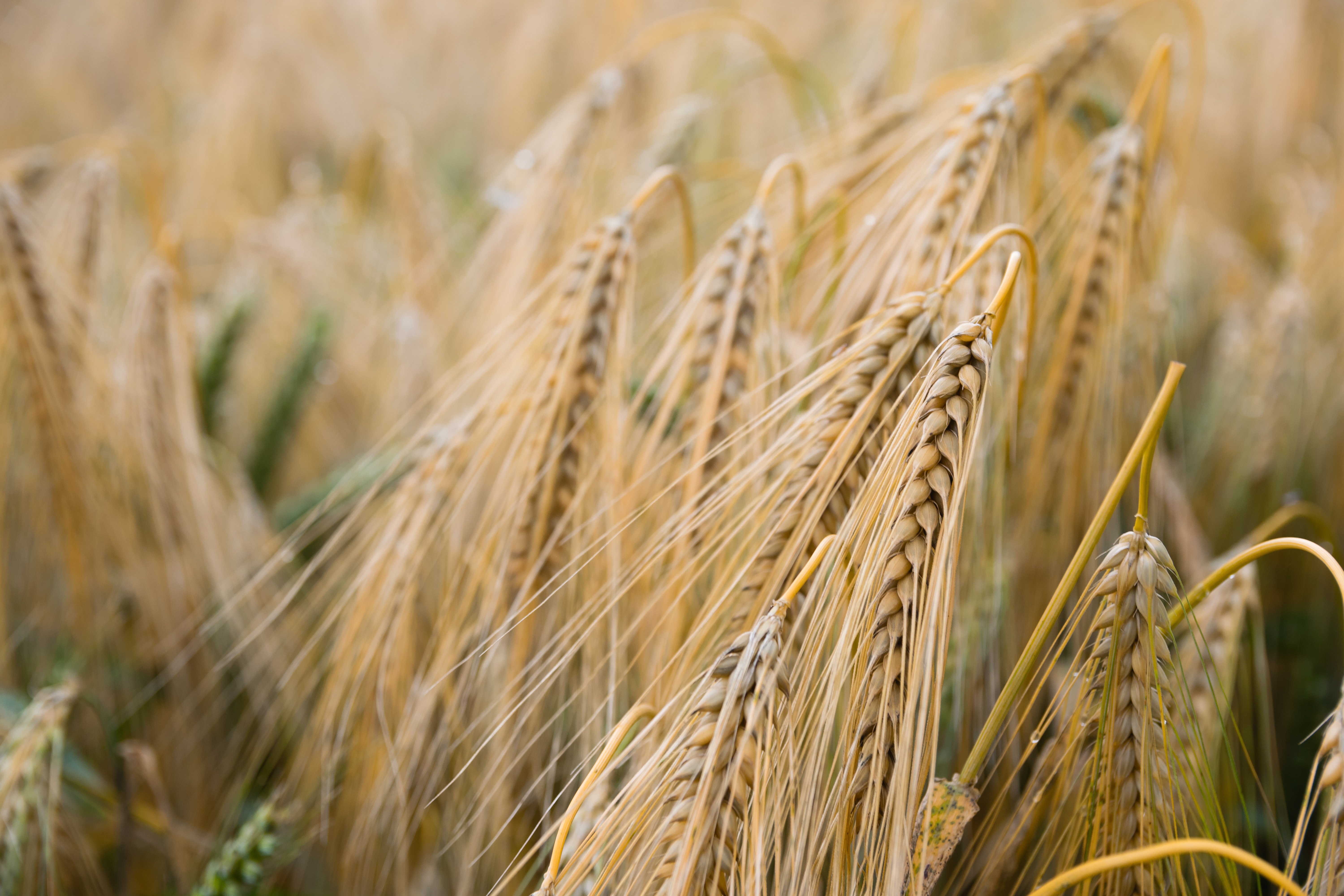
Slug grazing in oilseed rape is common but the main concern from now on will be winter wheat. Slugs often do most damage to winter wheat at the early stage by eating the endosperm resulting in the characteristic seed hollowing. Barley and oats are less susceptible at this stage due to their extra seed coat.
Chopped straw may also be an additional factor as this will provide slugs with a source of food and land can take longer to dry out in a season like this year.
Where you suspect slugs may be a problem lay down some traps using a plastic bag or slate with muesli underneath to attract the slugs. Monitor the traps daily to quantify the populations. If you see 5 or more slugs, on average, treatment is warranted on emerging or struggling crops.
Slugs are most active at night so the best time to check slug traps is early in the morning.
In a year like this don’t wait for the damage, there is no harm in assessing the slug population before the crop is sown or immediately after sowing.
If the threshold of 5 or more slugs per trap on average across the field is reached then consider control options. The only cultural control option is rolling if crop and ground conditions are suitable. Chemical control will be based on products containing metaldehyde or ferric phosphate. It is important to use the recommended rate on the label. Applying reduced rates reduces the number of baiting points resulting in poorer control. Better to apply one full label rate rather than a reduced rate twice.
Source - https://www.teagasc.ie