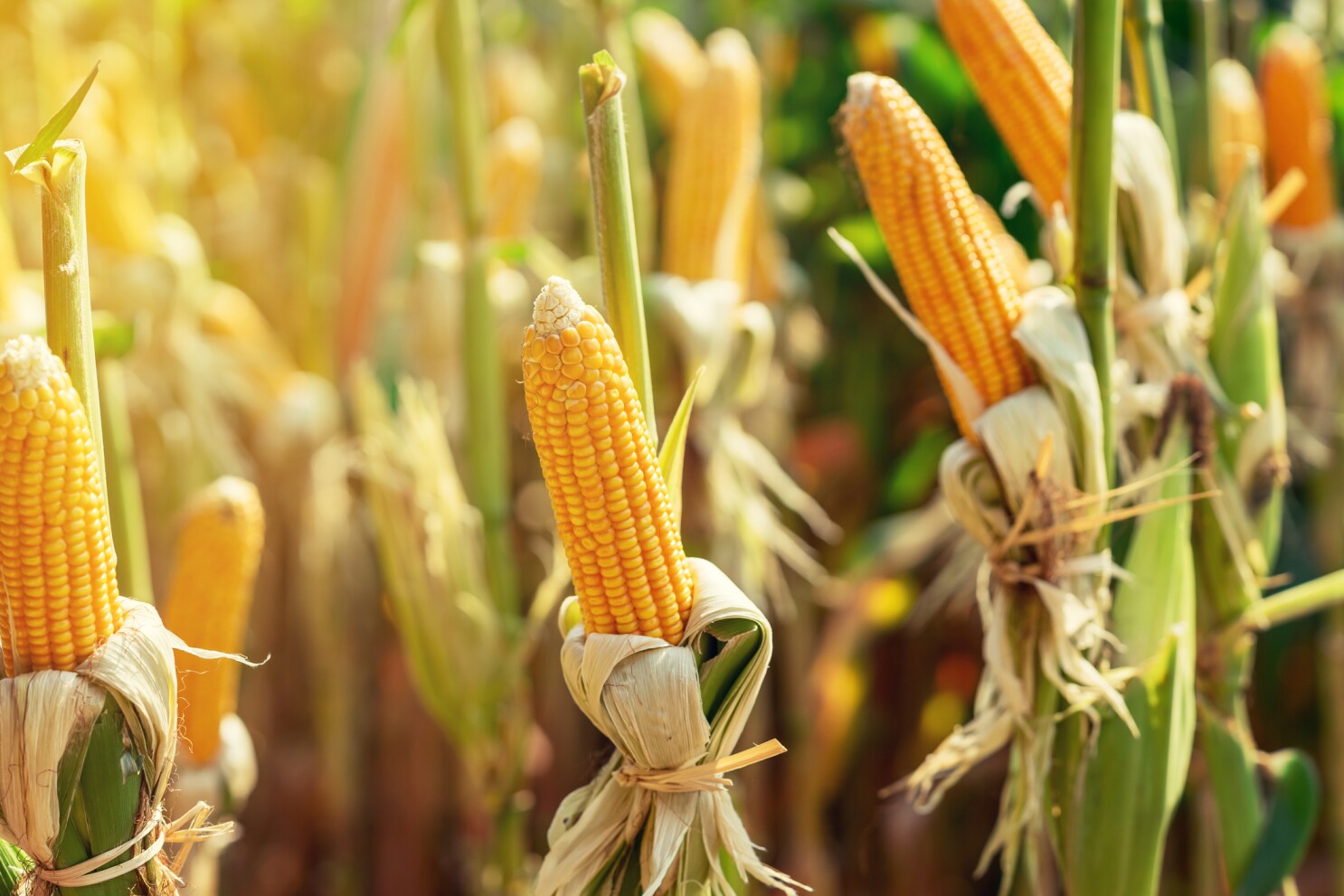
It was early November and Scott Haerr still had 2,500 acres of corn to harvest on his farm in south-west Ohio.
The harvest should be much further down the road – a dry spring was followed by adequate summer rain and heat, and then a dry fall meant no obvious delays were in the forecast. But the crop, he said, just hadn’t ripened on cue.
“We knew that we were well behind the normal crop stage when [the corn plants] did not pollinate until at least 10 days to two weeks after we normally should have, last July,” says Haerr. “Usually by mid-September, our early planted corn is mature enough to harvest. This year it was hard to find anything ready by 1 October.”
Haerr thought he might have to pause harvesting. “The moisture levels are really high,” he said.
Haerr was initially puzzled at the slow maturation but believes he has hit on the culprit: smoke from wildfires in Canada that lingered over Ohio and the wider eastern corn belt for days last June and July – a critical time for corn plant development.
While the corn he is harvesting is currently yielding well, Haerr fears its high moisture content could push the remainder of his harvest into winter when bad weather could damage some or all of the remainder of his crop.
“The fear is a storm or heavy wind could down this, that the weather shuts us down before we get the work done,” he said.
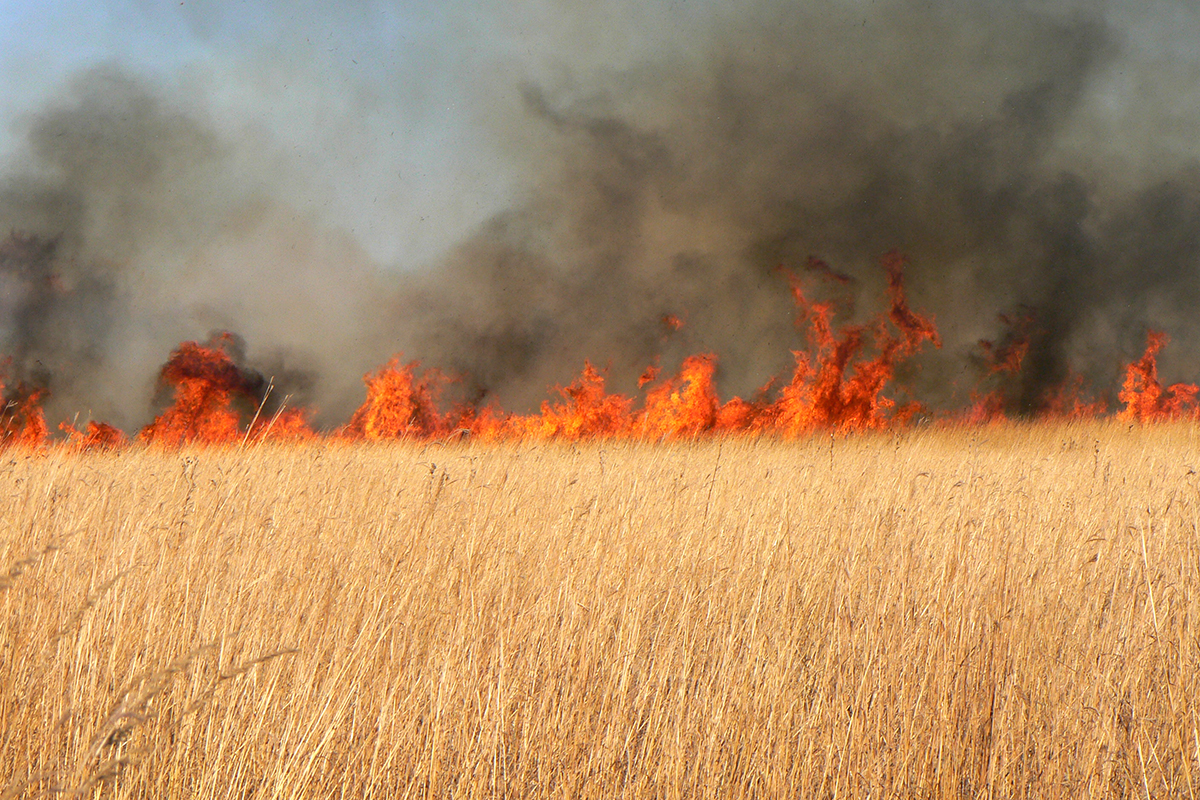
For a time last June and July, 18 states from New York to Montana were under air quality alerts as more than 600 wildfires burned out of control in Canada, which suffered its worst ever wildfire season in 2023. While the smoke created breathing difficulties for thousands of people, the growing cycle of crops suffered too.
Today’s corn hybrids are carefully engineered with specific temperature conditions in mind, meaning minor or unexpected changes to weather can result in negative knock-on effects.
Data from Pioneer Hi-Bred International, a major seed company, shows that low growth periods last June correspond to days of heavy wildfire smoke over Ohio, Indiana and elsewhere that fueled low solar radiation corn depends on to grow.
Today, the corn harvest in Ohio is lagging more than 8% behind the five-year average, though it had been as much as 20%. Currently, harvest progress in states closest to some of the worst of last summer’s wildfire smoke – Wisconsin (65%), Michigan (52%) and Ohio (70%) – lags far behind the national average of 88%.
The fear is a storm or heavy wind could down this, that the weather shuts us down before we get the work done
Scott Haerr
Corn is one of the world’s most important grains. Last year, the US exported $18.57bn worth of corn, most of which went to China where it is used to feed pigs that are harvested for tens of millions of Chinese consumers.
America’s biggest crop, corn is also used for ethanol fuel, animal feed and in the production of countless foodstuffs. America’s Corn Belt is centered in Iowa, Illinois, Minnesota and other states close to Canada. Corn, a grass, is more sensitive to lower light than the other major US crop – soybeans – because it requires more photosynthesis.
With wildfires more likely affecting America’s Corn Belt as the planet warms, a combination of the wrong conditions could disrupt the growing of a cornerstone food source for millions of people.
“Climate change is increasing the risk of drought and wildfires in certain areas of the world,” said Aaron Wilson, state climatologist of Ohio with Ohio State University.
“What brought us the cooler than average temperatures this year was that northerly [air] flow out of Canada, well it so happens that also brought the wildfire smoke.”
Corn growers are facing another concern as winter approaches: weak corn stalks.
“The plant is predetermined to maximize yield so if there’s a shortcoming of photosynthesis [during the growing period], it’s going to rob that energy from sugars that were stored up in the stalk … making it more susceptible to stalk rot,” said Kyle Poling, a field agronomist at Pioneer.
With the windiest period of the year approaching, weak corn plants in the eastern corn belt are at increased risk of being downed.
Experts, however, note that lower temperatures caused by wildfire smoke are not always a negative for crops. Reduced solar radiation as a result of smoke can help slow moisture being drawn from the soil into the atmosphere.
Poling says that while wildfire smoke may have played an indirect role in delayed maturation last summer, other factors were at play, too. “The smoke acted as a barrier for radiant heat but there was also below average heat accumulation [on days] where we didn’t have any haze,” he says.
So far, America’s 2023 corn harvest is set to return high yields. And corn growers can avoid having to harvest later in the year by choosing to plant seed hybrids that ripen more quickly.
But those corn types result in lower yields, reducing the overall profits of growers such as Haerr, who has a team of eight people – including two of his sons – working on this year’s harvest. Corn containing high moisture levels can be harvested, but farmers then face a difficult choice of selling at far lower prices or paying huge fuel costs to dry the grain to prevent it from spoiling.
Haerr wouldn’t speculate whether climate crisis has played a role in delaying his harvest, or whether he expects more wildfires in the future, though researchers say the climate crisis has more than doubled the likelihood of “extreme fire weather conditions” in eastern Canada.
Right now, he said his harvest would not be finished for some time. “We’re figuring that this year it’s going to be into December. We’re just hoping the weather doesn’t turn bad.”
Source - https://www.theguardian.com