As the world digests the confused legacy of the COP28 summit in the United Arab Emirates, the realities of those on the frontlines of the climate crisis remain muted among the noise of the major polluters and the fossil fuel industry looking to sustain its dominance in global commerce.
Less publicised was the introduction of the Gender-Responsive Just Transitions and Climate Action Partnership as part of the conference’s Gender Equality Day. At the lavish conference hosted at the Dubai Exhibition Centre, just 68 states endorsed the intrinsic link between gender equality and just transitions.
This is despite a UN Women report released during the conference that predicted “by 2050, climate change may push up to 158 million more women and girls into poverty and see 236 million more face food insecurity”.
Women disproportionately face the impacts of the climate crisis. A recent UNFPA report cited that the 14 countries most impacted by climate breakdown are also where women and girls are more likely to die in childbirth, marry early, experience gender-based violence, or become displaced and homeless by disaster.
The Gender-Responsive Just Transitions and Climate Action Partnership explicitly commits to working to drive gender-responsive just transitions to mitigate and adapt to this reality.
Partners have committed to enhance gender analysis of climate change finance, support collecting sex-disaggregated data, and improve equal employment opportunities.
However, the realisation of this vision remains obscured by persisting gender inequalities. According to the UNFAO’s report on the status of women in agriculture, substantial efforts are yet to be undertaken to prioritise agricultural women’s opportunities, needs, and engagement in agriculture, especially for those in low- and middle-income countries (LMICs).
According to the Global Climate Risk Index 2021, a majority of the world’s most climate-impacted countries are low and middle-income countries, whose economies are heavily dependent on agriculture and agrifood systems.
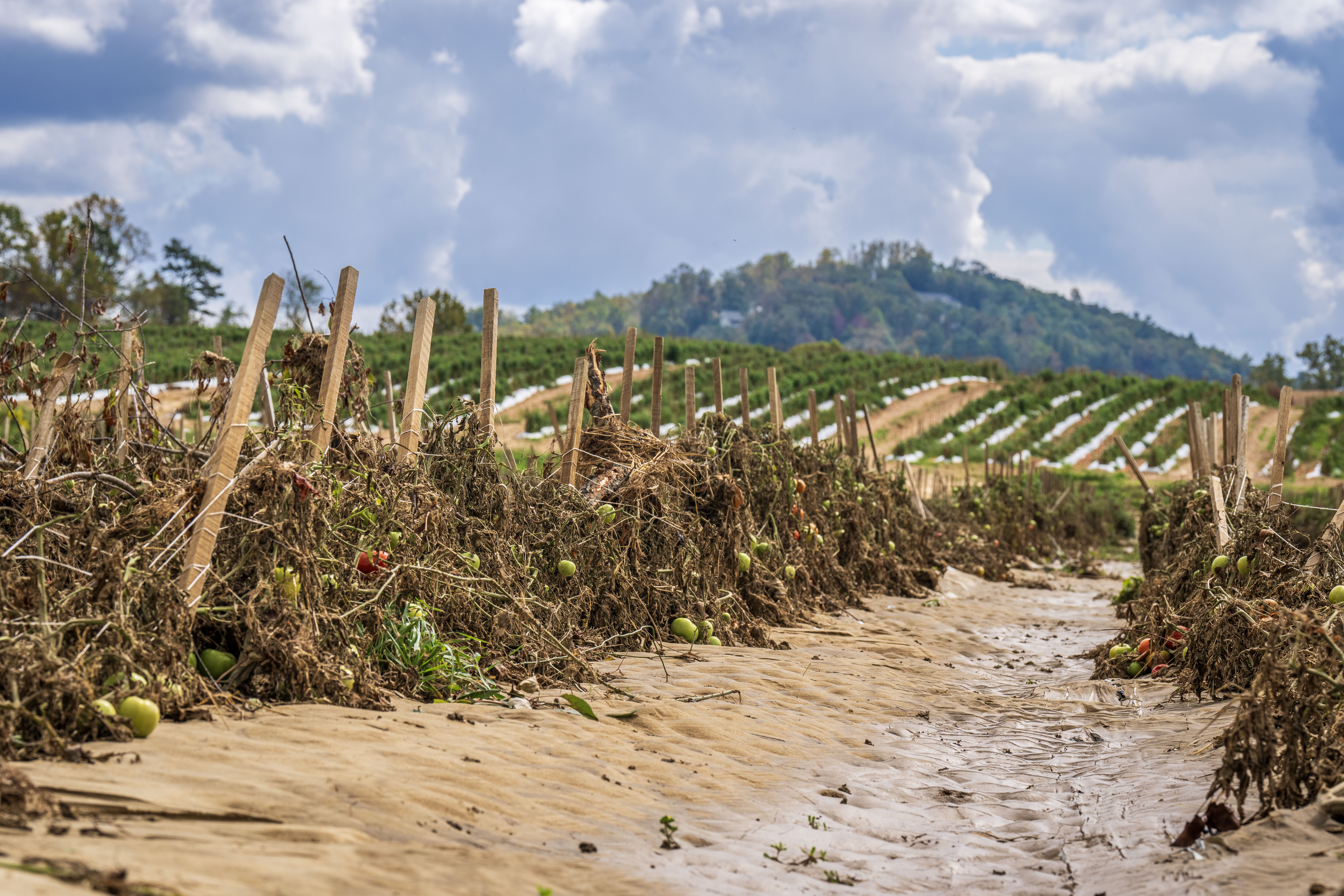
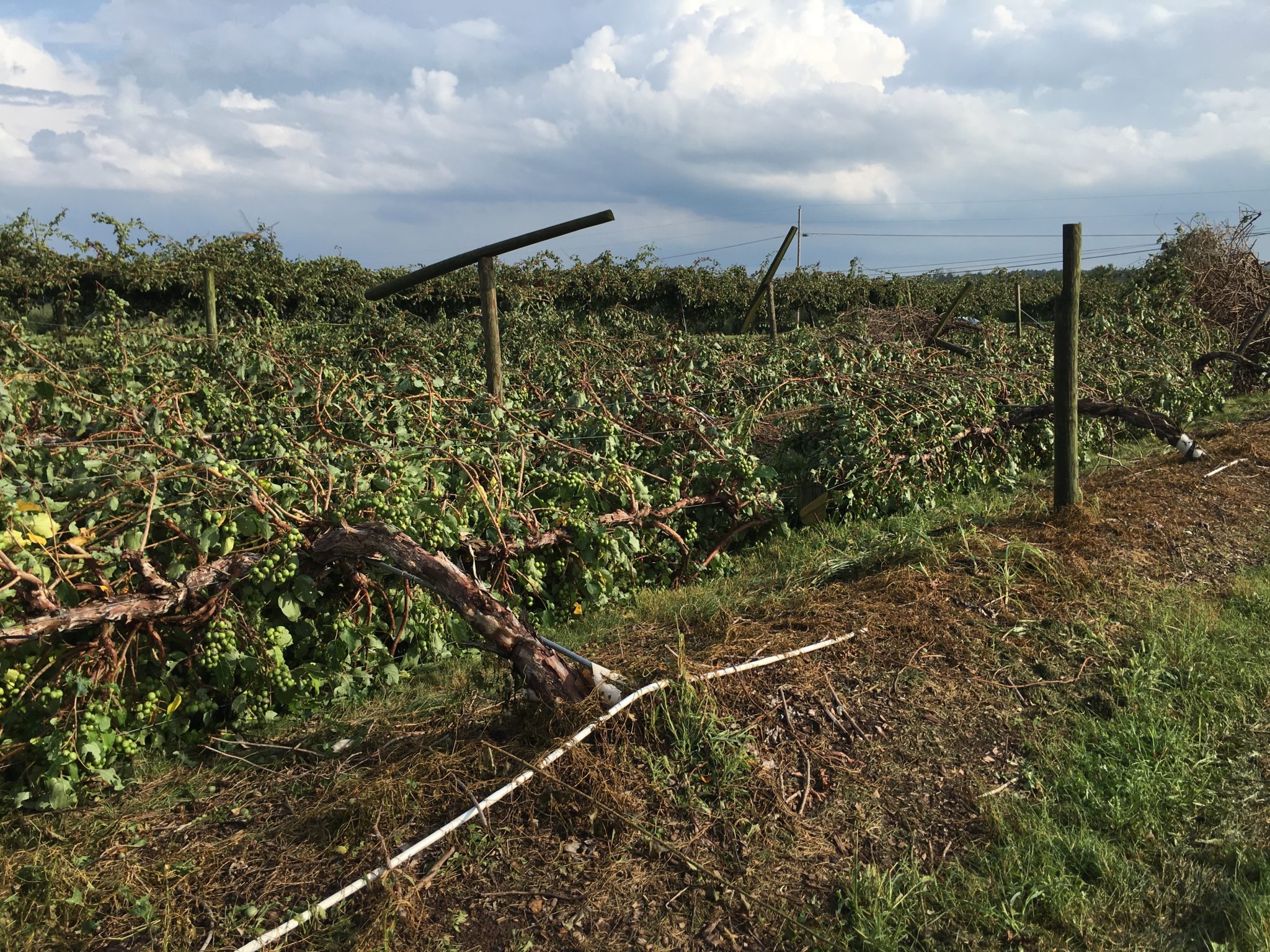
Climate change impacts due to extreme weather events and temperature fluctuations have profound impacts on the global agricultural practices and crop yields, disrupting traditional growing seasons. Between 2008 and 2018, climate-induced disasters cost US$49 billion in Asia alone from a decline in crop and livestock production.
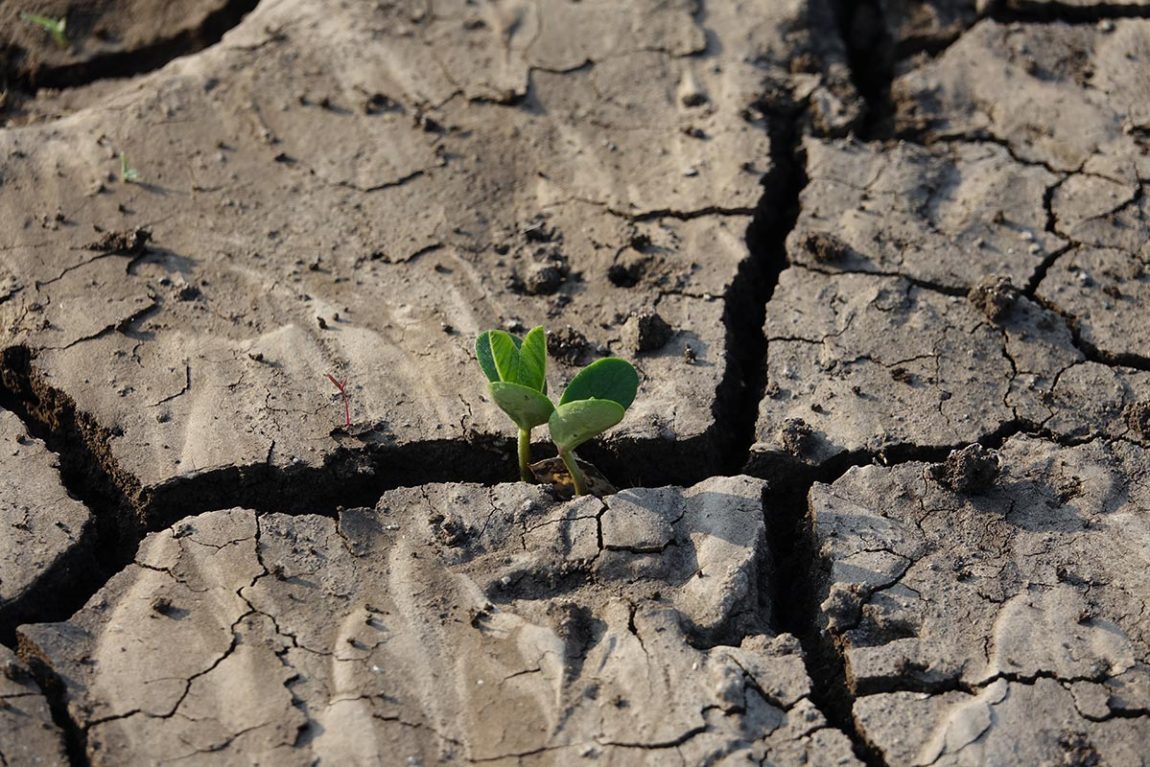
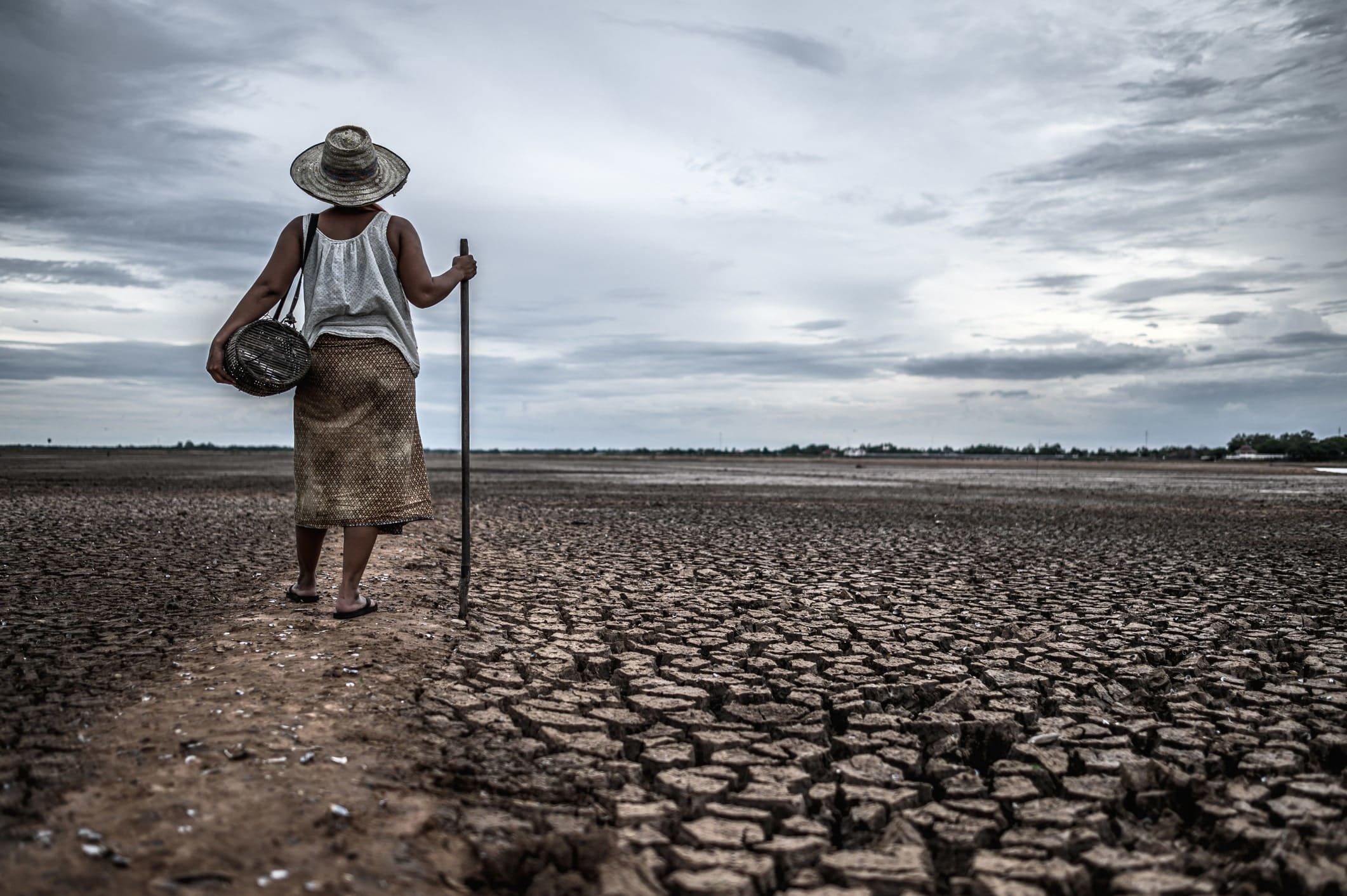
Droughts, floods and heatwaves have become more frequent and intense, directly impeding crop growth, causing soil degradation and jeopardising agrifood systems, including farming, trading, entrepreneurship, livestock production, water harvesting and irrigation.
Rural populations of South Asia and Southeast Asia, where women dominate the agricultural workforce, have borne the disproportionate impacts of climate shocks.
Climate crisis, livelihoods and gender disparities
Global agrifood systems play a more important role in the livelihoods of women than men in many agriculture-dependent countries, particularly for young women aged between 15 and 24. For example, in South Asia, 71% of women engage in the agrifood sector, compared with 47% of men.
In Sri Lanka, elderly women also rely on the agrifood sector when other avenues of income are closed to them. Despite their significant role and contribution, women often confront challenging working conditions and limited economic opportunities due to pervasive gender inequalities.
These inequities fail to recognise women’s roles in both skilled and unskilled labor, issues of land ownership and rights, restricted access to financial resources, and the unequal distribution (often unpaid) of domestic care responsibilities.
The impact of climate-induced livelihood loss has also led to men abandoning the land, leaving women behind to grapple with traditional norms and legal frameworks that often discriminate against their access to crucial resources such as land, water, agricultural subsidies, insurance and credit.
These issues are compounded as women continue to face gender-based obstacles to recognition of their leadership, meaningful participation in livelihoods and decision-making processes in formal and informal governance structures, including natural resource management.
In response to the catastrophic climate impacts and ensuing livelihood loss, agricultural households try to cope financially by selling household assets and livestock to generate immediate income, or borrow cash at high interest rates from local sources or community networks.
Farmers sometimes turn to multiple high-interest micro-loans for financial relief, resulting in over-indebtedness. Women also engage in unpaid work in exchange for food to feed their families.
Climate, economic insecurity and health
There’s a need to understand the gendered impacts of climate change and ensuing economic insecurity on health. Although climate-induced livelihood loss directly impacts everyone's health, there are important gendered ways in which women’s health is affected.
Given their dependence on outdoor agricultural work, and accounting for physiological differences, heat-related health risks affect women more than men. This has been associated with an increase in pregnancy complications.
As climate impacts increase food scarcity and hunger, and with a lack of government-led food assistance programs, women often prioritise the needs of male family members (breadwinners), increasing rates of malnutrition and anemia.
Stress-induced livelihood loss also increases mental health issues, including post-traumatic stress disorder (PTSD), and increasing suicide among male and women farmers.
The infrastructure damage, geographical barriers and poor financial assistance also create significant barriers for women to seek timely and essential healthcare services, including sexual and reproductive health.
Women may delay or forego healthcare, resulting in pregnancy complications, miscarriages, unsafe abortions, poor contraceptive use, chronic disease mismanagement, and domestic violence.
The economic strain exacerbated by climate disasters often compels agriculture-dependent households to resort to traditional practices such as bride prices and dowries.
Studies have found that in countries such as Vietnam and India, the economic pressure can force young girls into early marriages, resulting in school dropouts, teenage pregnancies, and increased gender-based violence and femicide.
Beyond crop failure: The way forward
Women are already at the forefront of just transitions, given their strong engagement in advocacy, social movements, agriculture, and building green economies.
Ironically, the failure to fully recognise women’s leadership, including at the recent COP28, and their integral role in the agrifood sector, means women often face systemic barriers that hinder their full participation in shaping sustainable, inclusive, and gender-just transitions.
To build on the commitments of the Gender-Responsive Just Transitions and Climate Action Partnership, it’s imperative to prioritise and recognise the pivotal role of agricultural women.
Women-led initiatives such as Women-Led Climate Resilient Farming (WCRF) models hold promise to reposition and promote women as farmers, leaders and agents of change to empower the health and wellbeing, food security, livelihoods, and natural resources of farming communities.
There’s also the pressing need for gender-responsive, gender-just and transformative policies and programs.
Such initiatives could encompass needs-based insurance products designed to mitigate climate-related health impacts, along with cash-based assistance programs that have integrated healthcare deliverables.
These measures could specifically target the health and climate vulnerabilities of girls and women, mitigating the unintended consequences of current farming and agricultural practices.
Source - https://lens.monash.edu