AMID growing concerns over the impact of El Niño on agriculture, stakeholders in the sector have appealed to Government for a 31 percent increase in budgetary allocation from the current $4, 3 trillion to $5, 6 trillion to cushion them from challenges bedevilling their operations.
The move is also in line with regional agreements, for instance, the Maputo Declaration of 2003 that requires nations to commit at least 10 percent of their budgets to agriculture to boost productivity and ultimately food security, the stakeholders argue.
Finance, Economic Development and Investment Promotion Minister Professor Mthuli Ncube recently said the country had achieved national food security through its agriculture support model with the 2024 budget pushing to consolidate the gains achieved so far. He was presenting the 2024 budget statement.
"In this regard, $4,3 trillion is being allocated to Ministry of Lands, Agriculture, Fisheries, Water and Rural Development to spearhead the implementation of Agriculture and Food Systems Transformation Strategy (AFSTS)," he said.
The National Assembly has since passed the 2024 National Budget with some amendments for some sectors, but not agriculture.
Livestock and Meat Advisory Council (LMAC) executive administrator Dr Mano said despite the positive linkages between national budgetary allocation to agriculture and the gross domestic product (GDP) growth, as well as social development indicators of national food security and economic inclusivity, the 2024 national budget statement proposal made the country drift far away from international agreements and failed to tackle the El Nino threat.
"The national budget makes the country more non- compliant in 2024 than in 2023 to the 2003 Maputo Declaration by cutting fiscal budget allocation to the agriculture sector to 7, 6 percent from about 8, 7 in 2022," said.
Zimbabwe became party to the Maputo Declaration (2003) and Malabo Declaration (2014), which commit all African countries to the implementation of the Comprehensive African Agriculture Development Programme (CAADP) as an instrument for driving agricultural led economic recovery. The Maputo Declaration on agriculture and food security obligates the country to commit 10 percent of national budgetary allocations to agriculture development.
Dr Mano said the budget failed to make explicit fiscal budget allocations towards emergence response to the 2023/24 El Niño weather pattern to protect and safeguard livelihood security of rural agricultural populations from drought-induced crop production failure and livestock production distress.
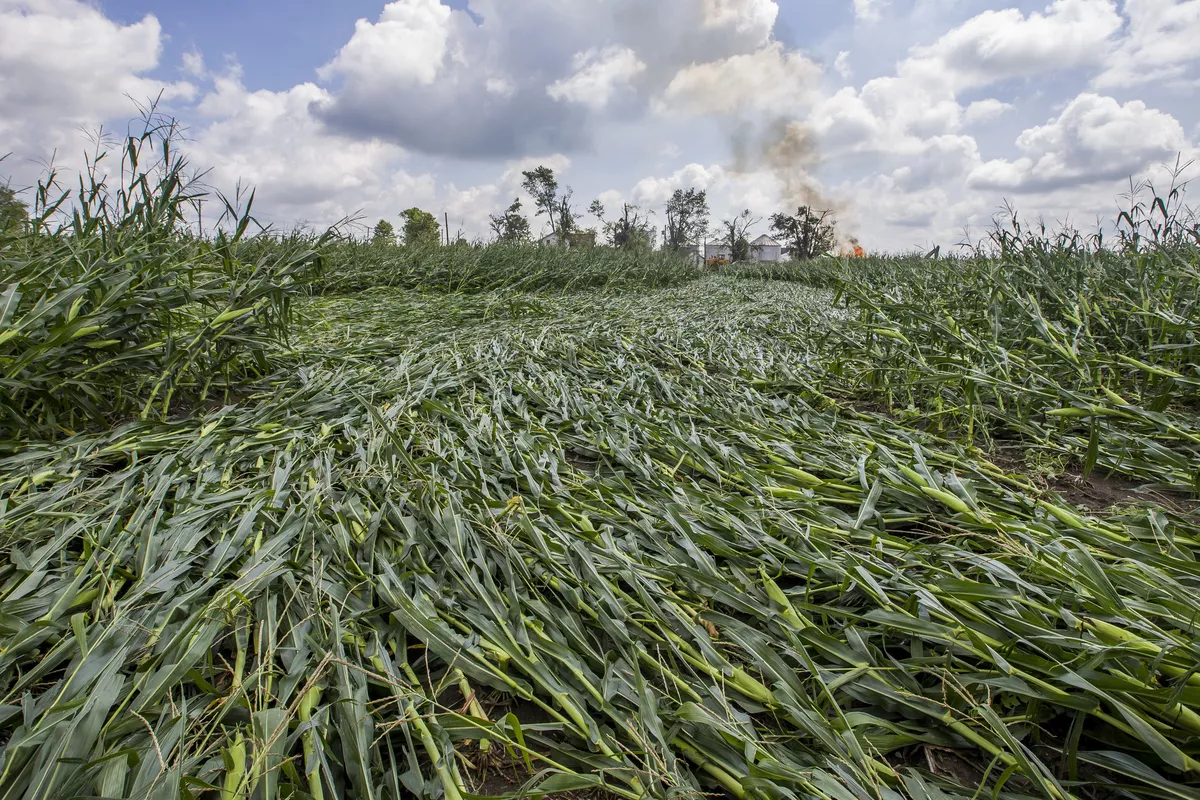
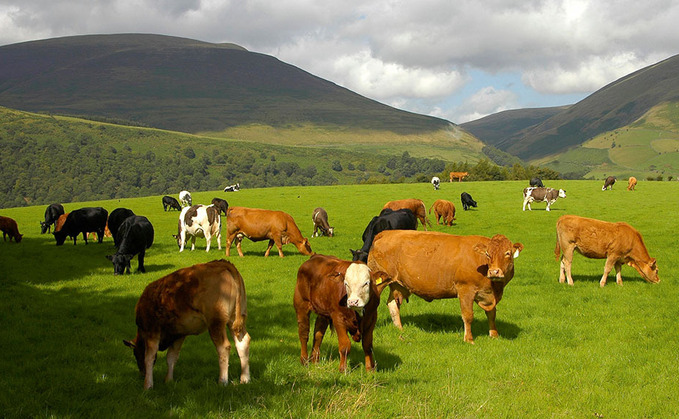
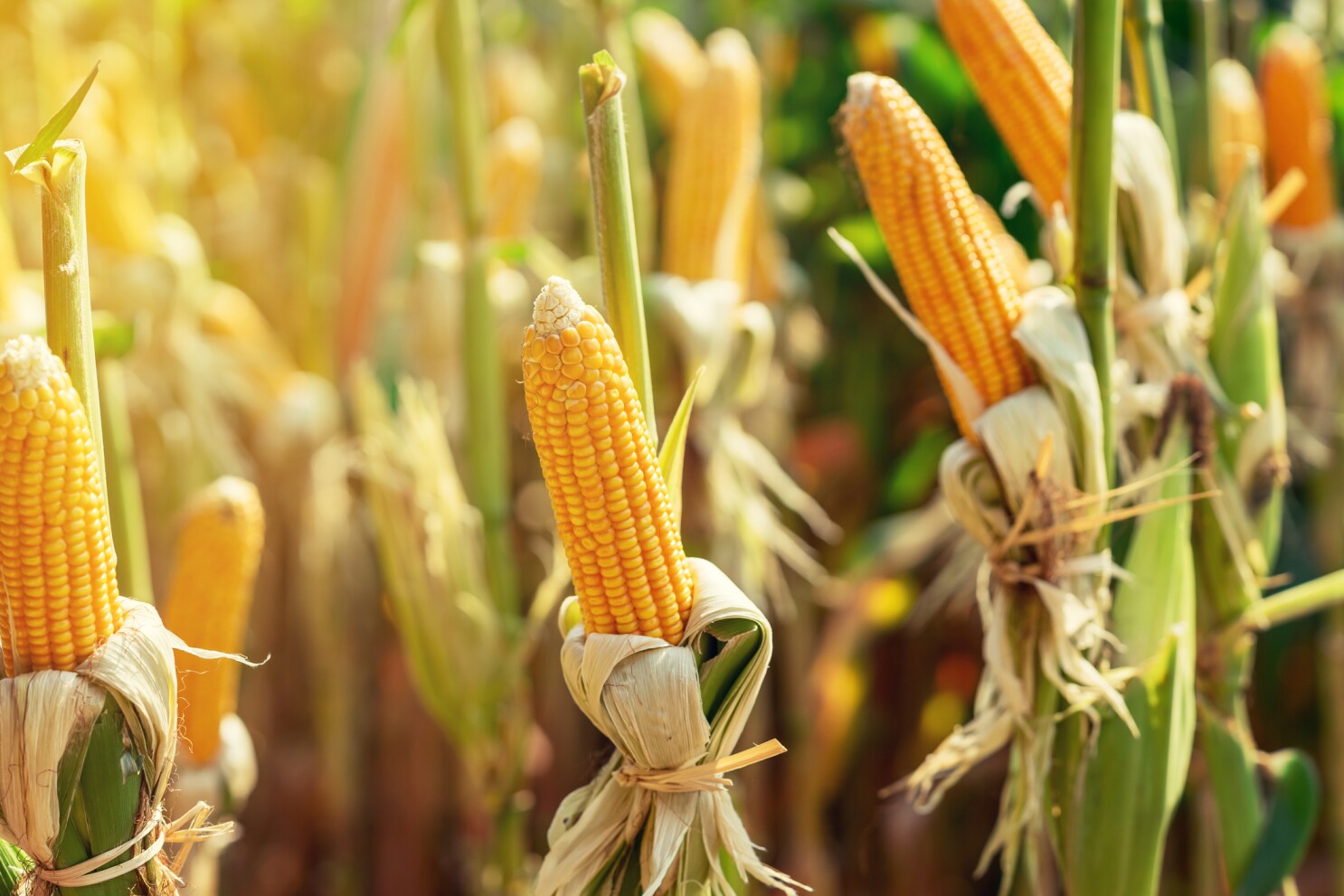
El Niño has already delayed the onset of the summer rain-fed crop planting season with rainfed maize production, output per hectare decreasing precipitously by as much as 10 percent per week of delayed planting against the optimal planting date. The deterioration of grazing and water resources is putting cattle at risk of starvation.
"Financial losses of between US$350 and US$690 million will be incurred from drought-induced rainfed maize crop production in terms of cost of agricultural inputs and drought-induced loss of grazing areas on livestock productivity and starvation deaths of cattle," Dr Mano added.
He said the agriculture funding from the national budget must be increased by $1, 3 trillion specifically for financing the emergency response to the 2024 El Niño-induced drought-induced crop failure and livestock production distress in rainfed smallholder sector already experiencing catastrophic delays in planting of staple crops and cattle deaths in the southern provinces of the country.
Justifying the need to comply with 2003 Maputo Declaration, he said: "The Government of Zimbabwe has become one of the countries providing unwavering leadership at Africa Union (AU) and global events for rallying fellow African nations to commit more domestic budgetary resources towards development of African agriculture and food system so that Africa can realise its full potential in producing enough food to feed its people and drastically reduce dependency on staple food imports.
"To this end, the Government has to support the President to not just 'talk the talk' but also walk the walk' by committing 10 percent of the National Budget to development of Zimbabwe's Agriculture and Food Security System."
Zimbabwe National Farmers Union (ZNFU) president Mrs Monica Chinamasa concurred saying the agriculture sector required more funding to ensure prompt payment of farmers.
"The budget should have increased agriculture funding to 15 percent as our economy is agro-based with over 75 percent of farmers without own finances to fund production. Banks are charging exorbitant interest rates that are not in sync with the low prices of products and eventual payments," Mrs Chinamasa said.
She said if the agriculture ministry was well funded then issues of delayed payments would be a thing of the past.
"Wheat farmers are yet to be paid for their deliveries but service providers such as Zimbabwe National Water Authority (ZIMWA), Zimbabwe Electricity Supply Authority (ZESA) and transporters among others, are descending heavily on them with others charging interests for payment delays," the ZNFU president added.
Zimbabwe Commercial Farmers Union (ZCFU) president Dr Shadreck Makombe said the country had achieved food security and agriculture must now contribute to the economy through increased exports but this can only happen if Government increases funding to the sector.
"We want to implore the Minister of Finance to increase funding to over 10 percent. Agriculture is about life. If you check with countries where agriculture is doing well, their governments are leading in funding, for example, China," Dr Makombe said.
Many developed countries are supporting their farmers through input and output subsidies, cheap long term loans and ready markets for both crop and livestock products, among other incentives.
Source - https://www.herald.co.zw