NEWS
802
of 1227
News
31.05.2017

Australia - Multi-peril crop insurance rebate plan flops

JUST  $107,000 in Federal Government multi-peril crop insurance rebates has been taken up — from a total pool of $20.2 million. Only 60 applications for the one-off rebates — which opened in March last year — have been received nationwide, with 48 approved, nine still in progress and three declined. Agriculture Minister Barnaby Joyce, who allocated $20.2 million to the program over four years, has blamed the poor uptake on industry and agricultural consultants for not promoting it enough to farmers. “For decades the farming sector has called for support to bring multi-peril crop insurance options to market and this Government has acted to assist,” a spokeswoman for Mr Joyce said. “Over the past two years industry leaders and farm consultants have not been visible in encouraging farmers to take full advantage of the support this Government has put on the table.” It’s understood the scheme — open to farmers with an annual revenue of $2 million or under, to cover up to $2500 of the upfront costs of applying for and securing multi-peril crop insurance — will be reviewed by the Department of Agriculture this year. Department secretary Daryl Quinlivan told a Senate estimates hearing last week the program, was “something of a policy experiment”. “The objective of that program was to try and stimulate a private program in multi-peril insurance ... but I think we’re getting towards the point where we’re not able to stimulate the development of that market,” Mr Quinlivan said. Mr Joyce’s spokeswoman said the Government was in discussions with the farming and insurance sectors to find ways to increase the uptake of agricultural insurance. She said farmers were concerned at the cost of some farm insurance products, and state governments’ stamp duties on insurance premiums — which the Victorian Government recently axed. Grain Producers Australia chairman Andrew Weidemann said one of the problems with uptake was the high cost of premiums and most products were short-term policies. He wants the Government to offer an underwriting system which would allow longer policy protection. Victoria leads the way with the rebates, with 20 applications and $44,000 received, South Australia follows with 12 applications and $27,500 received in rebates. NSW farmers have lodged nine applications and received $20,000; Queensland has lodged four applications and Western Australia three. Source - http://www.weeklytimesnow.com.au/

30.05.2017

India - Heavy Loss As Rain Breaches Tank In Gundlupet

The Vijayapura Doddakere tank bund in the taluk breached following heavy rains and the water gushed out, resulting in crops being destroyed. The Vijayapura tank was filled to the brim with heavy rain. Suddenly, the tank bund cracked open and water poured out into the low-lying areas. As a result, hundreds of acres of standing crops and mud was washed out. The people of the area, learning that the tank was full, visited the place early in the morning on May 26. They found that there was leakage and water seeping. Gradually, the leaking increased through the porous parts. They immediately brought it to the notice of the Taluk and Minor Irrigation Department officials. However, the Department officials have neglected the matter. Upset with the callous attitude of the officials, the public staged a rasta roko near Annurukeri. By evening, the officials have got the stones and mud to fill up the tank bund. But the efforts failed and by night the gaps in the tank increased and finally it breached. ‘The government has to make all efforts to fill the tanks and strengthen all the tank bunds. The contractors must be held responsible for the tank breaches. The government should compensate for the loss of crop and mud to the farmers.’— Kadabur Manjunath, Raitha Sangha leader ‘Though we tried to stop the breach by packing the tank with sand bags and stones, we were not successful. Once the water empties, we will take steps to strengthen the bund and store rainwater.’  — Basavaraju, Asst. Executive Engineer, Minor Irrigation Department The water started flowing on the road and filled potholes and reached the Gundlu river and finally joined the Amani tank reservoir that was filled to the half. The water entered the nearby farms and houses and disturbed the animals. People ran helter skelter. Traffic was also disrupted on the Annurukeri road. Jowar, sunflower and other crops that were planted recently was destroyed resulting in loss of lakhs of rupees. READ ALSO  By-polls: Party bigwigs undertake padayatra in N’Gud and Gundlupet A farmer Akram Khan, who had stored turmeric and coconuts in his farm, had to suffer a loss of Rs. 5 lakh. The heavy rains swept away the mud and everywhere the roads looked washed-out. The people gathered in large numbers early in the morning to see the spectacle of the gushing waters from the tank bund. The Police had to deploy additional forces to control the crowd. The Minor Irrigation Department officials arrived at the spot around 10.30 am and once again had to face the ire of the people. Later, they got the tipper lorries filled with stones and sand and started the repair work. Source - http://starofmysore.com

30.05.2017

Australia - Wedge-tailed eagles and unmanned aerial vehicles competing for airspace in the workplace

Wedge-tailed eagles and drones are battling for territory in Western Australian skies, and neither is winning. A professional drone surveyor says 90 per cent of problems in unmanned aerial vehicle (UAV) use are caused by eagle attacks. Flynn Drage from HTD Surveyors regularly uses drones to take measurements in remote locations across the state. He has lost several drones to eagle attacks over the past four years and now often brings a second person on the job to act as a spotter. "I reckon I was pretty lucky the first twenty times I went flying because there was always a wedgie coming in for a look," he said. "You don't really know if they are just curious, or sometimes they are just really unhappy with you. So you have to be quite aware. Terry O'Leary caught this wedge-tailed eagle chick tracking his drone in March being used to muster a herd which saves time in a ute or on horseback. (Facebook: Terry O'Leary) "Some are quite targeted. They will get up above the drone and then dive-bomb it from quite a height and just knock it clean out of the sky. "Other ones will fly straight up to it and try to have a mid-air tussle as they would with another wedgie." Bird drone interaction costs surveying companies broken equipment and lost time when jobs need to be postponed due to persistent eagles. However, the cost may be much greater for the birds. [caption id="" align="alignnone" width="700"] Andrew Noonan's drone being attacked by a hawk over Mulgrave Sugar mill in October: "The drone got hit and was rocked by it but was able to zig zag and weave to get it back home". (Facebook: Andrew Noonan)[/caption] Simon Cherriman from Insight Ornithology researches Western Australian wedge-tailed eagles and is concerned about the increasing interaction between eagles and UAVs. He believes an eight-month-old eagle he had been tracking as part of PHD studies died recently due to injuries sustained in an aircraft collision, possibly with a drone. Mr Cherriman said there are no clear rules for avoiding eagles when using drones, but flying in the morning may help. "I wish I knew what the magic solution was. I can't quite speak eagle language well enough yet to find out directly," he said. [caption id="" align="alignnone" width="700"] A wedge-tailed eagle has swoops upon Leigh Nairn's drone in Binnu, north of Geraldton, this month. (Supplied: Leigh Nairn)[/caption] "We know they spend a lot of time soaring with thermals and thermals are peaking late morning though to middle-late afternoon. "So if you can not operate drones around those times then that's probably going to minimise impacts." He says painting aircraft or using noisemakers will have little impact and ultimately much more research needs to be done. "I am trying to look for patterns in how they use the thermal air currents and how they actually use their air space when they are breeding. Maybe we can model our drone use around those," he said. Source - http://www.abc.net.au

30.05.2017

Spain - Hail affects 20% of garlic in Mancha baja conquense

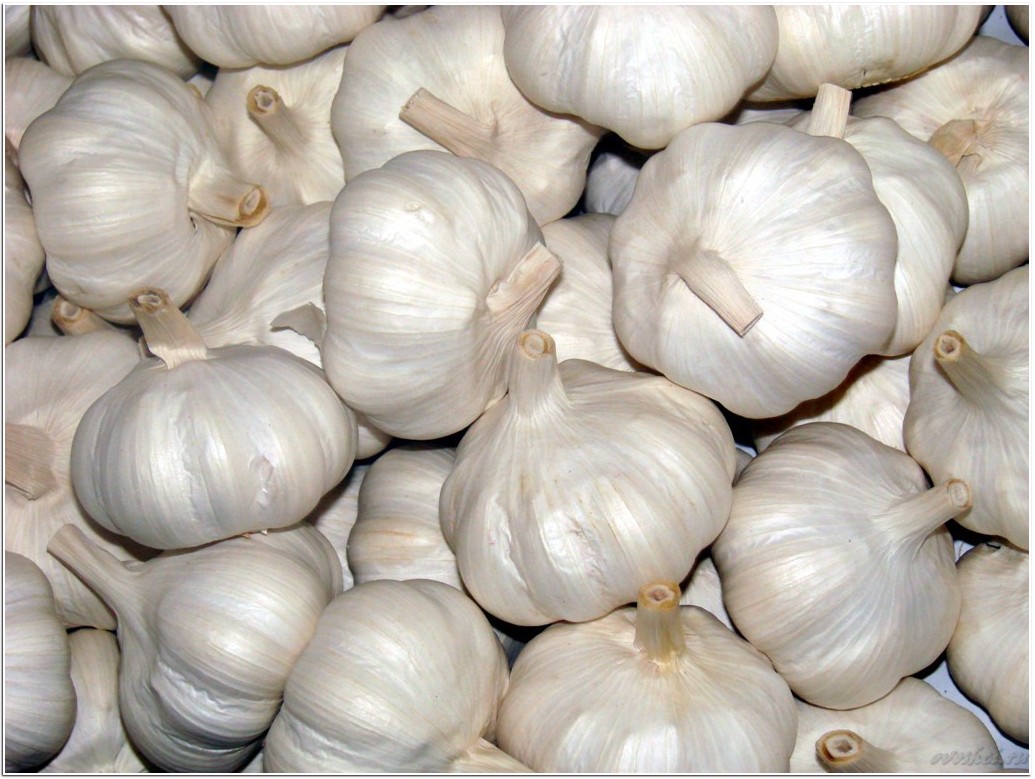
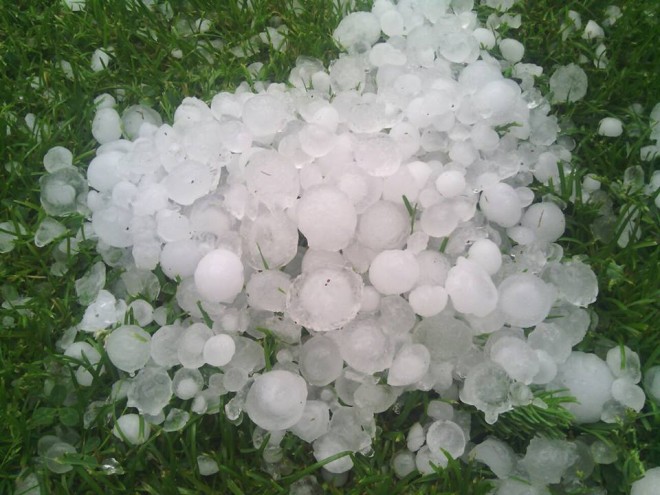
416 hectares of garlic were affected by hail last week, according to the latest data recorded by Agroseguro; this is a total of 184 plots devoted to the crop in the comarca of La Mancha de Cuenca, although the figure could still increase, as experts continue carrying out inspections in the field. According to Juan Carlos Wengel, manager of Agroseguro in ​​Castile-La Mancha, the most urgent step has been the assessment of the early garlic production, which "has had to be reviewed immediately because the harvest is in full swing." He explains that, because of the advanced state of this variety, "it has not suffered much damage," unlike the purple garlic. Overall, the estimate is that between 20 and 25% of the garlic production has been damaged. By municipalities, Las Pedroñeras and El Pedernoso took the worst part, with 145 and 96 hectares affected, respectively. The hail damage also affected the garlic planted in La Alberca de Záncara, Mota del Cuervo, San Clemente, La Gineta (Albacete) and El Toboso (Toledo). Source - cadenaser.com

30.05.2017

Canada - Storm of hail claims expected in Alberta this June

Though many Canadians are anticipating summer weather, however fleeting, many Albertans are expecting hail. June is hail season in parts of the province and Jesse Cole, research analyst at the province’s Agriculture Financial Services Corporation (AFSC), said there was a 90% pickup on hail coverage from its policyholders. “We have a large crew of adjusters that goes out and looks at the hail damage and we cover everything from 10% to 100% damage, with a deductible of course,” Cole explained. “If you’re at a 10% level we pay on a spot level basis and it just means that you can have parts of the field that are damaged, or smaller acres, and your farm doesn’t have to be completely damaged (to get indemnified). “One of the reasons people really like the crop insurance in Alberta is because of that hail endorsement option. The rates range from 3% all the way up to 14%.” The AFSC covers crops in Alberta on a grid basis, comprised of 3,600 square kilometres grids, and based on historical hail damage. Cole added the AFSC sells standalone hail insurance, as well as part of an extension to yield coverage. “There’s a high correlation between precipitation and hail. We had a pretty wet year so this year we’re expecting another year where there’s quite a bit,” Cole said. “Somewhere in the province, it’s hailing.” Source - www.insurancebusinessmag.com

30.05.2017

India - Hailstorm causes extensive damage to fruit crop in Kullu

Hailstorm in Kullu damaged fruit crop to the tune of Rs 10 crore yesterday. The damage was caused to apple, pear and plum crop in Haripur, Fojal, Raison, Dobhi, Shirad, Duara, Nashala Katrian, Kias and Badgran areas in the district. The adverse weather condition has disappointed the horticulturists in the district. Gopal Kaistha, a horticulturist hailing from Fojal, said the 30-minute hailstorm damaged his 60 per cent apple orchard. “The loss is unbearable because our economy depends on apple crop, which is the sole source of income for us,” he said.Another orchardist Khek Ram Negi said in the lower region there was 30 per cent loss, while in the upper valley it was up to 50 per cent. Orchardists in the district are seeking relief from the state government for the extensive damage caused to their crop.The Horticulture Department issued an advisory to orchardists, especially those who have insurance cover for their crop, that they should inform the authorities concerned to assess the loss.Amar Singh, Deputy Director, Horticulture Department, Kullu, said orchardists should spray Bavistin (100gm) and Indofil M-45 (500gm) mixed with 200 l water within one or two days to the hailstorm-affected crop. After a gap of six days, they should use spray of Boric acid (200mg), Zink Sulfate (500mg) and quicklime (200mg) mixed with 200 l water. He said the department was also providing advisory on mobile through Mkisan app to make the orchardists aware of the use of spray schedule in their orchard. The Horticulture Department has calculated loss to the tune of Rs 7.60 crore in the Kullu and Nagar block today, while officials are collecting details from the other parts of the district. Source - http://www.tribuneindia.com

30.05.2017

Switzerland - Fruit producers lose 100 million francs from frost

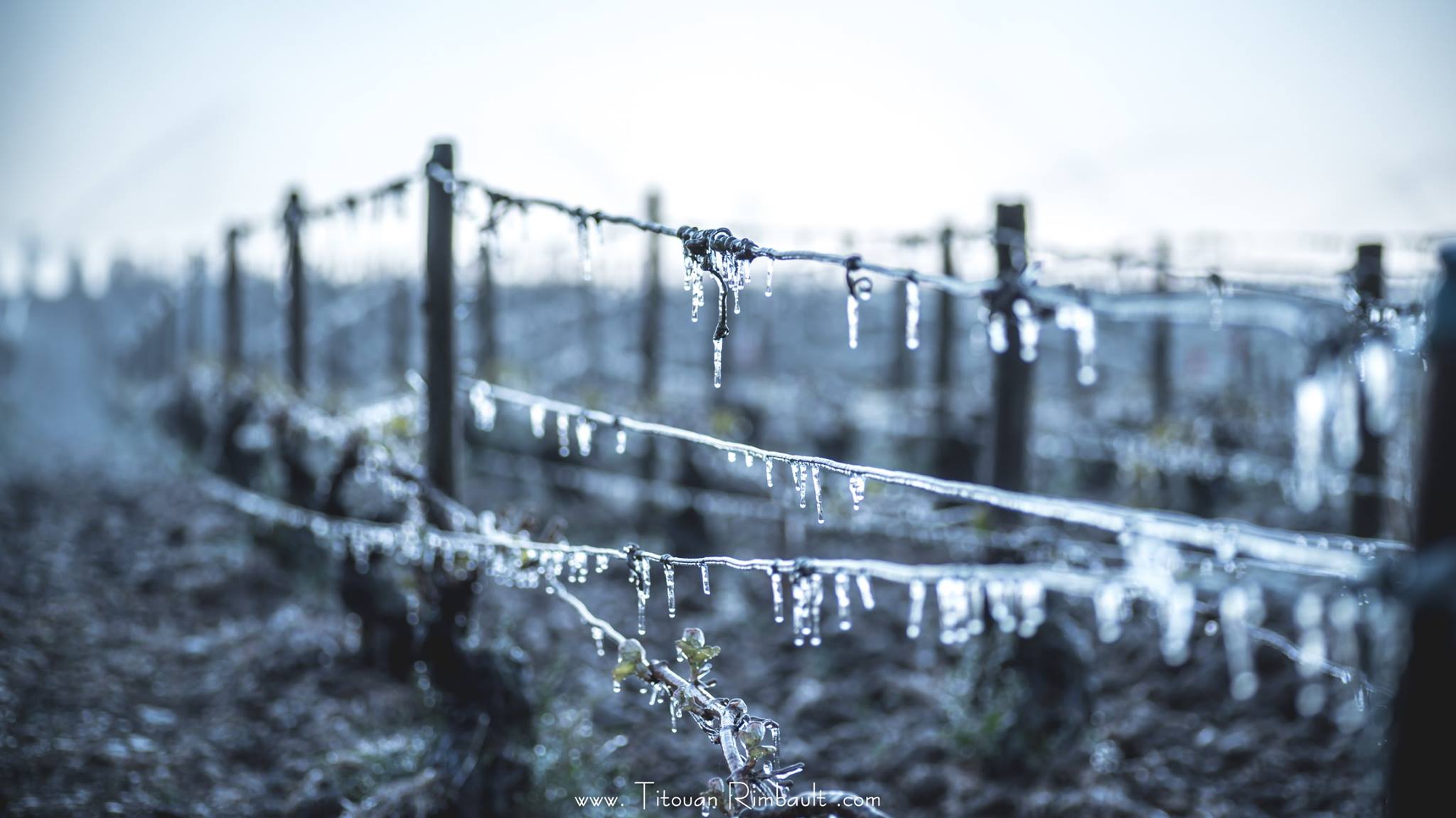
Damage to fruit from the frost in Switzerland has led to a loss of over 100 million francs. Hubert Zufferey of Fruit-Union Switzerland says that “In the fruit sector, we are talking about an historic loss”. The apple sector is expected to see a 42 million franc loss. Damage is regional with big differences between orchards in the Valais (5-10% loss) and Central Switzerland (80% loss). Cherry volumes will only reach 800 tons this year compared to the usual 3,000, representing a 25 million franc loss. Apple and pear harvests are a third of what is normally expected. Plum producers expect to see a 67% loss. The apricot harvest has been halved, with 4,000-4,500 tons instead of 9,000. For the time being these figures are estimates. The situation is less dramatic for small fruits. Strawberries see a 20% loss compared to the norm (2016 was already below expectations due to rotting problems). Estimates are still being made for raspberries and currants whilst blackberries and blueberries have not been damaged. Vegetable producers are cautiously optimistic. Jimmy Mariéthoz from the Swiss Vegetable Producer’s Union says that green asparagus was the most effected over a 15 day period, but that most vegetables follow a 12-15 week production rhythm that is easier to catch up on compared to arboriculture. Consumers are not expected to notice a fruit or vegetable shortage. Any lack of volume will be replaced with imported produce. Source - http://www.freshplaza.com

29.05.2017

USA - Trump ag budget meets outpouring of criticism

It didn’t matter who it was in Congress or the farm group whose proverbial ox was being gored, President Donald Trump’s proposed budget plan for deep spending cuts met a flurry of criticism. The fiscal year 2018 budget proposal calls for $194 billion in cuts in the Supplemental Nutrition Assistance Program by restricting eligibility and by requiring states to pay 25 percent of benefits. The proposal also calls for $28 billion in cuts in federally subsidized crop insurance and $6 billion in cuts over 10 years for conservation programs, as well as eliminating many rural development programs. Even Trump’s own secretary of agriculture could offer only a half-hearted endorsement of the proposed reductions to farm programs and food assistance, as Sonny Perdue was lukewarm in defending Trump’s proposed budget to Democrats and some Republicans who rejected the cuts. “Many in agriculture and rural America are likely to find little to celebrate within the budget request,” Rep. Robert Aderholt, R-AL, chairman of the House Agriculture Appropriations Subcommittee, told Perdue at a subcommittee hearing May 24. Trump’s budget would cut government help to farmers for purchasing popular crop insurance policies. Perdue said the nation has a dilemma in how to “right-size the budget’’ but acknowledged the concerns. “I don’t know that your priorities are much different from my priorities for USDA,’’ he told Aderholt. Democrats criticized a proposal for the almost 30 percent cut in SNAP. Rep. Rosa DeLauro, D-CT, called the budget “cruel,’’ “heartless,’’ “evil’’ and “inhumane.’’ Rep. Sanford Bishop, D-GA, said the cuts “fail the test of basic human decency.’’ The Trump budget proposal would also eliminate the McGovern-Dole Food for Education and PL 480 Food Aid programs that ship American commodities to hungry people abroad. Aderholt said that program “is something we should be proud of’” and eliminating it “runs entirely counter to the idea of buy American, hire American’’ that Trump has championed. Perdue had no defense. “I think your comments are essentially irrefutable,’’ he said. The comments also ran in the negative from a gamut of agricultural organizations. “The American Farm Bureau Federation and its members are concerned about the federal budget deficit,” President Zippy Duvall said. “However, we also know that agriculture has done its fair share to help reduce the deficit. Going back to the early 1980s, agriculture often has been targeted to generate budget savings, from the reconciliation bills in the late 1980s and 1990s to farm bill reforms as recently as 2014.” The proposed budget “would gut federal crop insurance, one of the nation’s most important farm safety-net programs. It would drastically reshape important voluntary conservation programs and negatively impact consumer confidence in critical meat and poultry inspection,” Duvall said. Duvall said the cuts, while drastic at first glance, are even more worrisome when considered in light of the current farm economy. “Farm income is down substantially since Congress passed the last farm bill. USDA cuts of this magnitude in the current economic cycle would be unwarranted and unwise,” Duvall said. National Farmers Union President Roger Johnson said, “The president’s proposed budget is an assault on the programs and personnel that provide vital services, research and a safety net to America’s family farmers, rural residents and consumers. It is deeply disappointing that the president would propose such cuts, especially in the midst of a farm crisis that has family farmers and ranchers enduring a drastic, four-year slide in farm prices and a 50 percent drop in net farm income.” David Senter, national president of the American Agriculture Movement, said, “If adopted these budget cuts would destroy farm programs, leave rural America in ruins and undo years of conservation efforts. This budget reminds me of the budget that President Reagan’s OMB director, David Stockman, sent to Congress in the early 1980s. The good thing is, it’s not going to be adopted but it does run the risk of cuts that will adversely hurt producers and rural communities.” The American Association of Crop Insurers, Crop Insurance and Reinsurance Bureau, Crop Insurance Professionals Association, Independent Insurance Agents and Brokers of America, National Association of Professional Insurance Agents, and National Crop Insurance Services said, "Weakening crop insurance and making it more difficult for farmers to bounce back during tough times will jeopardize rural jobs and will find little support in rural America or on Capitol Hill. “The rural economy is already suffering through a period of low prices and a multitude of spring weather disasters. Yet, the administration's budget proposal targets the primary tool farmers use to handle these risks.” Ken McCauley, president of the Kansas Corn Growers Association and former president of the National Corn Growers Association, said, “The proposed budget's impact on agriculture is comprehensive in the negative impact it would have on agriculture and rural economies. Basically, it's a direct hit on the ability of farmers to manage risk, develop markets and farm more sustainably. The proposed budget would be bad for business for rural America.” National Association of Wheat Growers President David Schemm said, “Proposing significant restrictions on crop insurance, commodity, conservation, trade, nutrition, and economic development programs is short-sighted and ignores the needs of rural America. “The Agriculture Risk Coverage and Price Loss Coverage programs offer a safety net to producers when there is a substantial drop in prices or revenues. Recent events such as the late season blizzard in the Midwest, proves that these programs are working and need to be upheld in the 2018 farm bill. “Any reduction in the discount for crop insurance will increase the cost of crop insurance to farmers. As commodity prices decline and farmers’ budgets tighten, an increase in the cost of crop insurance is only more likely to result in less participation and higher premiums for all farmers. “In the trade title, the Market Access Program and Foreign Market Development are two government programs that have proven to have tremendous return on investment and yet funding for these programs has eroded. MAP and FMD strengthen export market development, meriting an increase in federal funding, not elimination as proposed in this budget request. “The rural vote was a key factor in the last election. Budget proposals should support rural America and U.S. farmers but this current budget misses that mark. NAWG will actively work to make sure these proposals aren’t enacted by Congress.” The president is required by law to submit a budget to Congress for each fiscal year, which runs Oct. 1 through Sept. 30. However, it is congressional lawmakers who draft and ultimately enact the federal government’s budget. Andrew Taylor of The Associated Press contributed to this report. Source - http://www.hpj.com

29.05.2017

India - ‘Ensure release of input subsidy, crop insurance’

CPI(M) district secretary Rambhupal on Saturday urged the TDP MLAs from the district to immediately impress upon the government to release the input subsidy and insurance funds to the farmers. Speaking at a press meet here, he said that he had written letters to all the TDP legislators on the issue. “Rs. 632 crore worth crop insurance of the last year is yet to be given to the farmers. Over Rs. 1,030 crore of this years crop loss, as estimated and presented to the Central team by the district administration, is also not given. How does the government expect the farmers to tide over years of drought without any money and still continue to invest in agriculture and pay for crop insurance year after year?,” questioned Mr.. Rambhupal. “The government doesn't bother to provide adequate employment under NREGS, and when they do provide some employment they don’t give the money before it becomes pointless to the worker. The State owes Rs. 51.76 crore to people under the NREGS worth several months of wage for lakhs of people,” Mr Rambhupal said. Mr Rambhupal said that ineffective implementation of the NREGS was one of the reasons for the high rate of migration from the district. Source - http://www.thehindu.com

29.05.2017

France - Severe fruit losses due to the frost in April

The frosts at the end of April caused significant losses for many French farmers, according to the French National Association of Apples and Pears. In some areas of the country temperatures fell below 7 degrees Celsius, causing many producers to lose almost all of their crops, stated France Bleu. Some producers have managed to reduce the damage through the use of protection systems, such as heaters, antifreeze towers, and water sprinklers. Losses vary considerably from one area to another. Experts from the French pome-fruit sector have estimated apple and pear losses at around 10-15 percent, although a more accurate assessment will be made by the middle of June. However, according to reports, the areas of Normandy and Pays de la Loire were particularly affected by the frost and estimates are they lost 80 to 100 per cent of their harvests. Source - fyh.es

29.05.2017

India - Govt. plans to expand crop insurance scheme

Even as Tamil Nadu Chief Minister Edappadi K. Palaniswami has petitioned Prime Minister Narendra Modi about the delay in the disbursal of compensation claims of farmers under the Centre’s new crop insurance scheme, the State government has planned to expand the coverage of the scheme both in terms of number of farmers and the acreage. For the year 2017-18, the plan is to rope in nearly 23.9 lakh farmers whereas around 15.2 lakh farmers were enrolled under the insurance scheme, known as Pradhan Mantri Fasal Bima Yojana. In terms of extent of area to be covered, this year will be around 30 lakh hectares while it was 12.6 lakh hectares last year. As the long-term samba crop (which corresponds with the rabi crop in rest of the country) is the main crop of Tamil Nadu, as many as 15.1 lakh farmers are expected to be covered. The remaining 8.8 lakh crop farmers are going to be covered during the kuruvai (or kharif) crop. The State government has also decided to continue with the implementation of the Unified Package Insurance Scheme, envisaging the provision of life insurance cover to farmers and insurance of agricultural pumpsets, in Cuddalore and Nagapattinam districts on pilot basis. Totally, it has set apart ₹ 522.7 crore towards its share for the schemes. In this regard, the State government issued an order on Wednesday. Delay in disbursal When Mr. Palaniswami met Mr. Modi in New Delhi on Wednesday, he, through his letter, complained that all the insurance companies – Agricultural Insurance Company of India (AIC), ICICI Lombard and the New India Assurance Company – were found to be “slow in disbursement of claim compensation” to the affected insured farmers. Pointing out that the farmers of the State were already “under distress” due to the crop loss caused by the “severe drought” in 2016-17, he stated that the delay would “further enhance the agony of the aggrieved farmers.” This was why he requested the Prime Minister to have a direction issued to the companies for immediate disbursal. Dues released Meanwhile, the State government has disbursed about ₹404 crore to around 2.96 lakh insured farmers towards compensation for the damages suffered during the samba crop of 2015-16. The disbursal has been carried out by transferring the amount through bank accounts of the agriculturists. Till that year, the National Agricultural Insurance Scheme was in force. The three top districts, which received nearly 90% of the amount of compensation were Nagapattinam (around ₹205 crore); Tiruvarur (₹101.7 crore) and Cuddalore (₹45.15 crore). Source - http://www.thehindu.com

29.05.2017

USA - Don't drain the crop insurance pool

President Donald Trump was right when he said insurance is a complicated subject. When explaining its finer points, I often describe insurance as a pool. The deeper and wider the pool — that is, the more people covered — the more insurers can spread risk, which makes insurance cheaper for everybody who’s swimming. To ensure the pool is big enough, it’s important to attract people with low-risk levels to offset losses elsewhere. For example, safe drivers are needed in the auto insurance pool to make up for accident-prone motorists. The exact same principle applies to crop insurance. That’s why I was puzzled when I read a recent opinion piece in this paper  [Crop insurance subsidies should be capped, May 16] urging Congress to increase insurance costs for larger farms. Doing so would inevitably reduce participation by agriculture’s least risky operations and essentially drain the crop insurance pool. That would drive up insurance costs for all, including small and beginning farmers who tend to be riskier and need coverage the most. America hasn’t always had a good crop insurance system to protect farmers from the whims of Mother Nature. In the past, farmers had to go to Congress to ask for disaster aid. This wasn’t fair for taxpayers, who had to foot the whole bill, or for farmers, who often waited years for help to arrive. So, Congress asked the private sector for help. Now, farmers visit a private-sector agent to design an insurance policy tailored to their individual operations. And when disaster strikes, a private-sector claims adjuster verifies the loss and a private company cuts an indemnity check in weeks, not years. It’s so popular that farmers have collectively spent $50 billion from their own pockets since 2000 for coverage. Farmers must also shoulder at least 25 percent of a loss before receiving any help. In other words, crop insurance ensures that farmers are active participants in funding their own safety net. But farming is risky business and farm households have much more volatile income than non-farm households. Similarly, crop insurance is exposed to greater risk than other lines of insurance — a single drought can devastate farms from coast to coast, as we saw in 2012. Therefore, the government has a role to play. To save taxpayers money, and to ensure farmers keep paying for part of their safety net, Congress incentivizes participation by discounting premiums and helping pay administration costs that would otherwise fall to farmers. It also encourages the expansion of coverage options so that insurance works as well for growers of green beans as it does soybeans. Unfortunately, some critics of farm policy want to upend the whole system by capping insurance discounts or even excluding larger — and less risky — farms altogether. It makes for an easy talking point, but it would carry unintended consequences. By removing your most established farms, and all the acreage associated with those farms, you are doing the same thing as excluding the healthiest people from life insurance. You are draining the pool, making insurance costlier and less available for everyone left. Crop insurance works well because it is a tool available to farmers of all sizes in all geographic regions. Congress should not upset this delicate balance by discriminating against one group of growers and weakening their ability to manage risk. Doing so would throw small farmers, and ultimately taxpayers, in the deep end. Source - http://www.desmoinesregister.com

29.05.2017

India - General insurance industry's premium grows 16% in April

General insurance industry grew 16 per cent to Rs 12,206 crore in April in terms of gross written premium (GWP) collection. In April last year, GWP stood at Rs 10, 500 crore. The industry saw a higher growth of 30 per cent in terms of GWP during fiscal 2017, according to Irdai data. However, the April figure doesn't include the crop insurance segment that drove growth in the general insurance industry by adding almost Rs 18,000 crore in FY17. Crop insurance for the current fiscal will start shortly with kharif sowing. In a first, the private sector general insurance (GI) companies have overtaken their state-owned peers in terms of GWP market share in April. During the month, the four PSU GI companies' (GWP) grew only 5.42 per cent to Rs 5,904 crore, while their peers in the private sector expanded by 27.88 per cent to Rs 6,302 crore, the data showed. "In the month of April, the private sector players have grown at 27.88 per cent and four PSU general insurers registered a growth of 5.42 per cent (without standalone health and mono line insurers). "The difference has been mainly in agriculture business, where the private players have shown an increase of more than Rs 400 crore while it has been hardly anything for PSUs," Sanath Kumar, chairman and managing director, National Insurance Company, told PTI. "This could be mainly due to some adjustment/ accounting entries and cannot be seen as a trend. Further, there has not been any increase in April renewals of mega risks with PSU insurers," he said. "PSU insurers' growth would pick up in the coming months," Kumar. The PSU general insurers continued to have more than 50 per cent of market share (53.21%) until fiscal 2017 as against 46.79 per cent for their private peers. Commenting on the higher growth recorded by the private players, United India Insurance's acting CMD AV Girija Kumar said one month data is not sufficient to make any annual projection. After the increase in the third party motor premium since April 1, the industry, as a whole, has recorded the highest growth in the portfolio, a 23 per cent rise in total premium to Rs 1,888 crore. The health portfolio went up by 9 per cent, from Rs 3,277 crore to Rs 3,568 crore. However, there has been degrowth in aviation and marine portfolios in the month, the Irdai data said. Four PSU general insurance companies were formed in 1970s after merging over 100 firms in existence then. The four state-owned companies are New India, National, United and Oriental. Private sector GI companies came into existence after the sector was opened in 2001. At present, there are 18 GI firms in the private sector. Asked about the private players over taking their PSU peers in terms of GWP market share last month, Bajaj Allianz General Insurance MD and CEO Tapan Singhel said the spike was because of growth in agriculture business. Pushan Mahapatra, managing director and chief executive of SBI General, said "April has been a very good month for us across channels, including corporate." Source - http://economictimes.indiatimes.com

26.05.2017

India - Crop destroyed for CM’s programme

“If the rains continue to shower like this, it would be difficult to construct the stage for CM’s programme,” said assistant engineer of Harangi rehabilitation project, R K Rajegowda. “Chief Minister Siddaramaiah is visiting on May 31 to take part in the programme to fill the lakes on the banks of river Cauvery. The preparations for the programme is being scheduled in a farm near the river. As it is raining heavily, it has become extremely difficult to construct the stage in the farm. The programme is nearing, but the work is not progressing,” he added. The stage is planned to be set up in the farm of Swaminayaka, Narayana, Mallesha Nayaka and Lakshmi on the banks of the river. These farmers have already grown various grains, but the officials have uprooted the crops with machines. When the farmers have contacted R K Rajegowda asking for compensation, he said he would solve it within 2 days. But even after 7 days, no compensation has been given, the farmers said. Rajegowda clarified that the compensation would be given by the government after analysing the crop loss. Source - http://citytoday.news

26.05.2017

Italy - Sicilian citrus volume affected by CTV this year

The damage caused by the Citrus Tristeza Virus (CTV), in addition to the heavy local rains and frosts recorded weeks ago, have taken a toll on both the trees and their fruits. "I think it is very necessary for producers to have a safety plan to deal with this disease and prevent it with the replanting of roots able to resist the virus," affirms Guido Martinico, manager of Azienda Agricola Guido Martinico. Consequently, there is a smaller volume of Sicilian fruit in the market, with the corresponding rise in prices. "We sell only in Italy, although this year, for the first time, we have an online platform where orders can be placed from other places," explains Martinico, which has 15 hectares planted with citrus fruits, namely Tarocco (300,000 kg of production), Moro (120,000 kg of production), Nova clementines (50,000 kg) and Navel (30,000 kg). "The price in the international market is changing and depends on the calibre of the fruits, among other factors. It is not yet possible to take stock of the campaign because we need perspective, but last year the price stood between 1.70 and 1.80 Euro per kilo," clarifies Martinico. Another innovative move for this Sicilian company is its project for the adoption of integrated production, which is an agricultural production system with a low environmental impact. "This (integrated production) consists in the coordinated and rational use of production factors in order to reduce the use of chemicals that harm the environment and human health," adds Martinico. Source - http://www.freshplaza.com

26.05.2017

South Africa - Western Cape drought has already caused a $38m loss in grapes

The Provincial disaster declaration will be used as a further motivation to request drought relief funding from the National Government. In March, the Western Cape Department of Agriculture estimated that R96 million was needed to support farmers in drought affected areas for five months. Alan Winde, Minister of Economic Opportunities, said stock farmers, who farm with livestock, and irrigation farmers, who use irrigation systems to water their crops, have been among the worst affected. "We've seen a decline in the volume of wine grapes harvested, in part due to a lack of irrigation water. This will result in an estimated R500 million loss in that industry." "Current water restrictions for irrigation farmers vary from 30% to 100% in the Berg/Riviersonderend water system. These restrictions can have a serious impact on the crop yields in 2017/18. It means very little water will be available for the very important post-harvest irrigation period. During post-harvest irrigation, water is needed to move the fertiliser into the soil in preparation for the next crop." Minister Winde said the Western Cape Department of Agriculture had allocated R80 million for drought relief through reprioritisation of the equitable share budget since 2015/16. These funds have supported farmers with the purchasing of fodder for their animals. "During the irrigation season we also provided irrigators with near real time data on the actual crop water use and water shortages experienced by their crops through the FruitLook project. Farmers can access accurate information on the water needs of their crops, field by field, at any given time. Using only satellite data and weather station data, we can tell farmers how much water their crops used in the previous week and whether the crops experienced any water deficits." Source - allafrica.com

802
of 1227