NEWS
803
of 1227
News
26.05.2017

India - Weather & pest destroy 80% mango crop

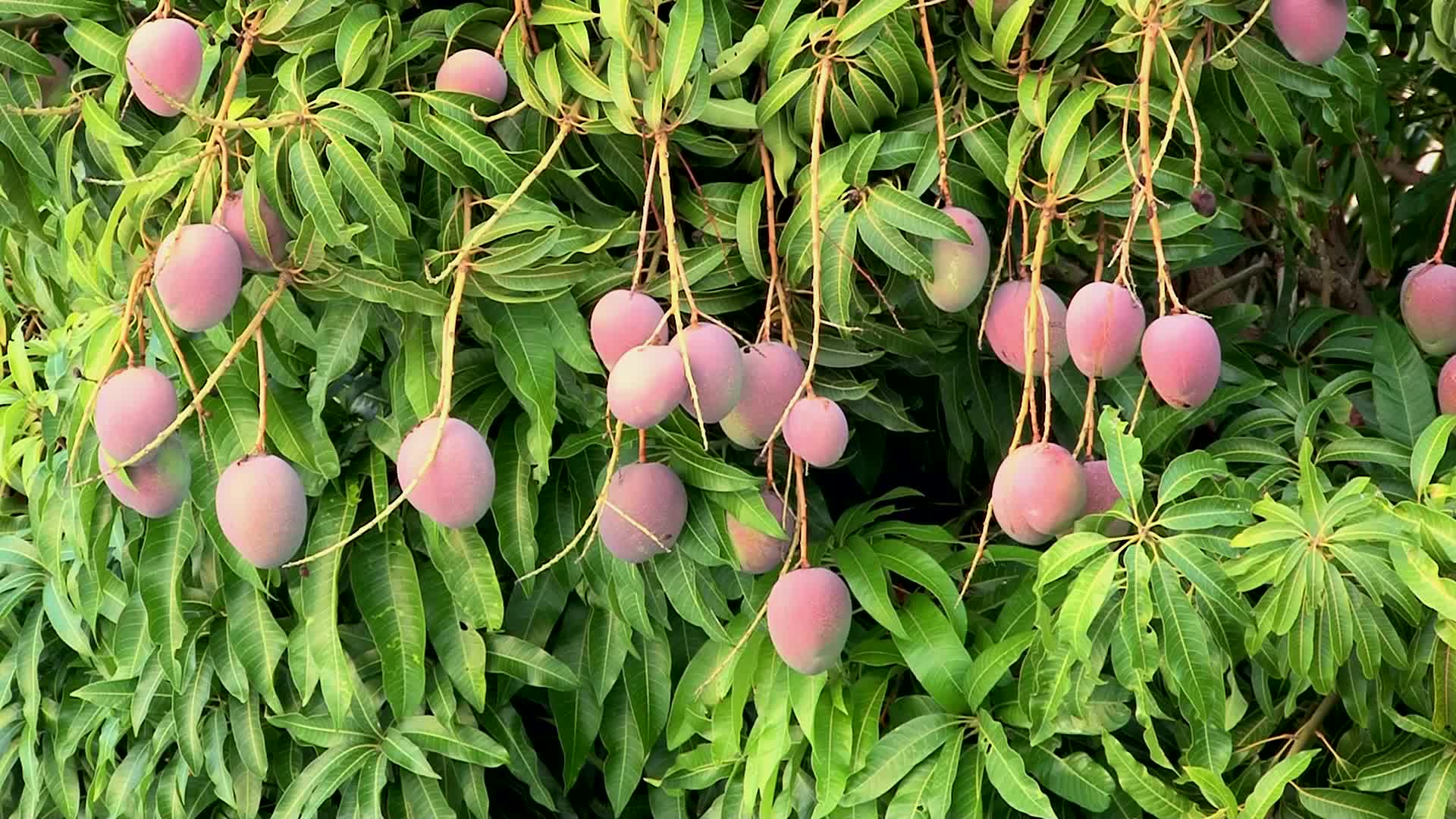
The most awaited mango crop, including Dussehri, has been 80% damaged because of bad weather and pests. As per members of mango growers' association, the 14 fruit belts in UP that produced around 40 lakh metric tonne mangoes in the state last year are likely to yield only 20% this season because of a number of thunderstorms and 'Rujji' pest that infects mangoes making them rot before ripening. About 3 lakh metric tonnes of mangoes—1.5 lakh metric tonne each by storm and pest—has already been destroyed. The pest has affected most of the Dussehri, as also the Chausa and Langda varieties. "This time, we sprayed pesticides eight times though last year we did it only twice, yet there was no result and mites destroyed our crops. Mites have been affecting our crops for the past four years but the damage was never as high as this time," said Insram Ali, president of mango growers association of India. "We have come to the conclusion that the pesticides we got were spurious," he added. As per the association office-bearers, the prime mango producing belt comprising Lucknow, Malihabad, Varanasi, Amroha, Allahabad and Bijnor have been worst affected. According to another mango grower Naseeb Khan, the mango mite probably got immune to the same pesticide over the years. "Sometimes, we need to between different varieties of pesticides to get rid of this problem," he said. Central Institute of Horticulture director Dr Shailendra Rajan, however, pointed out three reasons for low crop this year. "The mite is one factor, followed by low temperature during early stages, preventing the fruit from developing properly. Also, since there was bumper crop in the last two years, there was poor vegetative growth and so there was less flowering this time," he said. Considering the huge loss, the association on Thursday wrote to the prime minister and chief minister appealing for insurance coverage. MGAI also demanded 24-hour electric supply, to facilitate irrigation as each mango tree needs at least 90 litres water per week. Source - http://timesofindia.indiatimes.com

26.05.2017

Colombia - Blue Marble Microinsurance & Nespresso launch crop insurance pilot

Blue Marble Microinsurance, an association of eight firms aiming to improve the socio-economic environment of the underprivileged through commercially viable insurance solutions, has partnered with Nestle Nespresso SA to create a pilot crop insurance program for smallholder coffee farmers in Colombia. The pilot project’s objective is to protect the coffee industry and enhance farmers’ welfare by addressing supply chain risk, especially as coffee crops are highly vulnerable to the ravages of climate change. Joan Lamm-Tennant, Chief Executive Officer of Blue Marble, said; “I am delighted that Blue Marble is partnering with Nespresso.” “Together, we are driving collaborative innovation across industry sectors, bundling insurance into the existing value chain of the underserved. I am grateful for the opportunity to learn from Nespresso given their deep understanding of the coffee farmers’ needs and their successful track record in creating shared value.” Guillaume Le Cunff, President of NespressoUSA, added; “Nespresso is committed to improving the lives of farmers who work with us to source the highest-quality, sustainable coffee in the world.” “Today, we are pleased to announce our partnership with Blue Marble, an organization equally committed to implementing innovative solutions that aim to mitigate risk and create value for coffee farmers.” Nespresso, which currently works with over 70,000 coffee farmers around the world, and Blue Marble, hope the project’s launch will spread to other players in the coffee industry, providing farmers across the globe the necessary risk transfer mechanisms for long-term security. Source - https://www.reinsurancene.ws

26.05.2017

USA - Trump proposes cap on crop insurance

Earlier this week, agricultural groups pushed back against proposed cuts to agriculture proposed by President Donald Trump. One of the proposals is a $40,000 cap on crop insurance, meaning many farmers will be unable to insure their entire acreage. “Crop insurance cuts, seed is high, chemical is high, crop prices are low and crop insurance is already high so why should it get any higher?” AJ Lanier, a farmer near Whitewater said. Lanier and his family farm hundreds of acres of wheat and soybeans. The harsh winter and strange spring weather patterns could take a toll on their yield, making insuring their crops important. Senator Jerry Moran (R-Kansas) said in a statement, “Now is not the time for another hit to Kansas farmers. With low prices, tough weather, poor yields and the latest freeze’s damage to the wheat crop, things could not be worse. The proposed cuts to crop insurance would greatly reduce the effectiveness of the program for farmers and ranchers trying to manage risk and continue feeding the nation.” We reached out to Senator Pat Roberts, R-Kansas who sits on the agriculture committee in Washington DC, who made a joint statement with fellow agricultural committee chairman Rep. K. Michael Conaway, R-Texas, saying: “We support the Trump administration’s goal of achieving three percent economic growth for our nation. USDA’s latest estimates find agriculture, food, and related industries contribute $992 billion to our economy. As we debate the budget and the next Farm Bill, we will fight to ensure farmers have a strong safety net so this key segment of our economy can weather current hard times and continue to provide all Americans with safe, affordable food. Also, as a part of Farm Bill discussions, we need to take a look at our nutrition assistance programs to ensure that they are helping the most vulnerable in our society.” The National Farmer’s Union called the cuts “deeply disappointing” in a statement. Source - http://ksn.com

02.03.2017

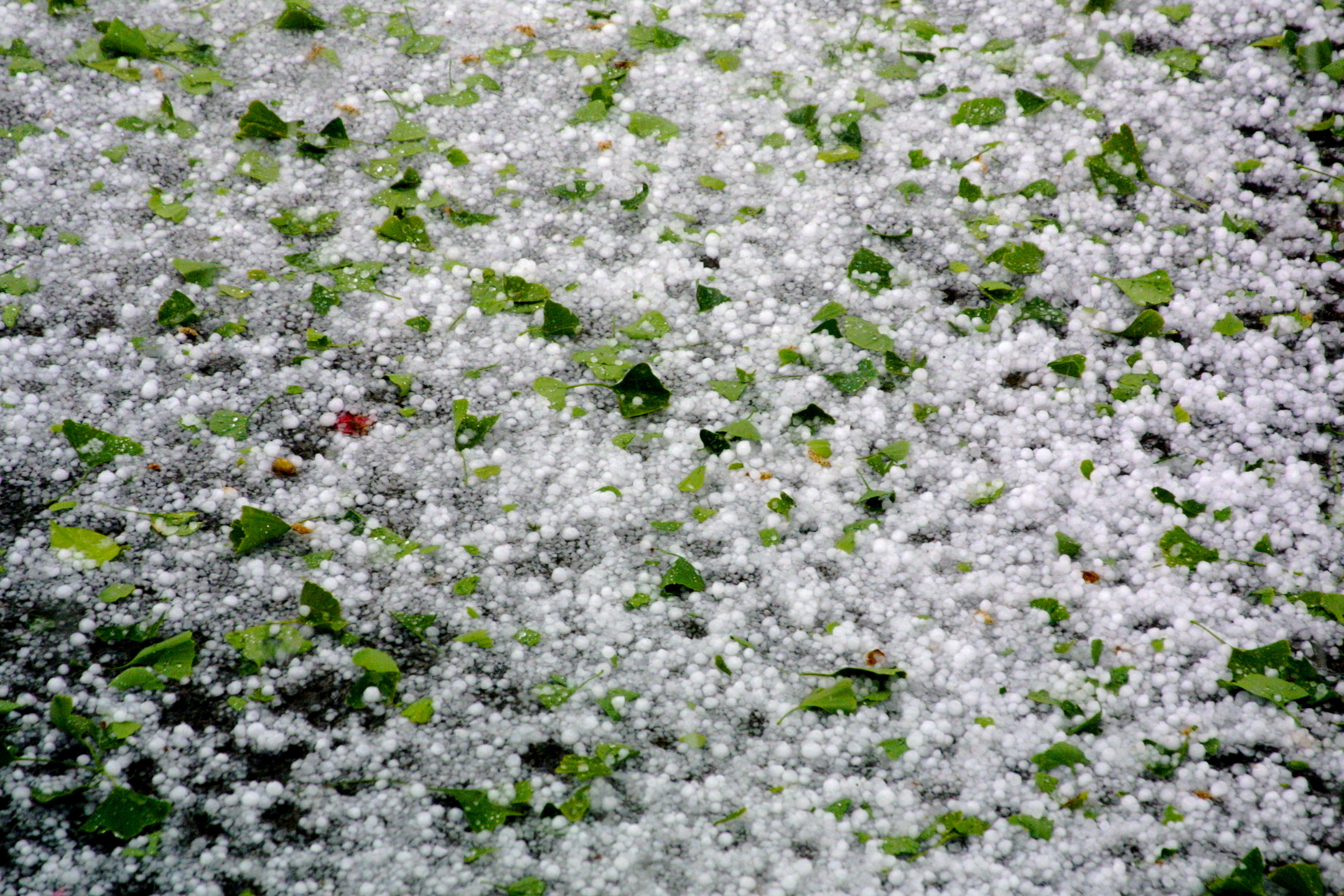
India - Hailstorm caused crop loss worth Rs 75 crore, relief to farmers soon

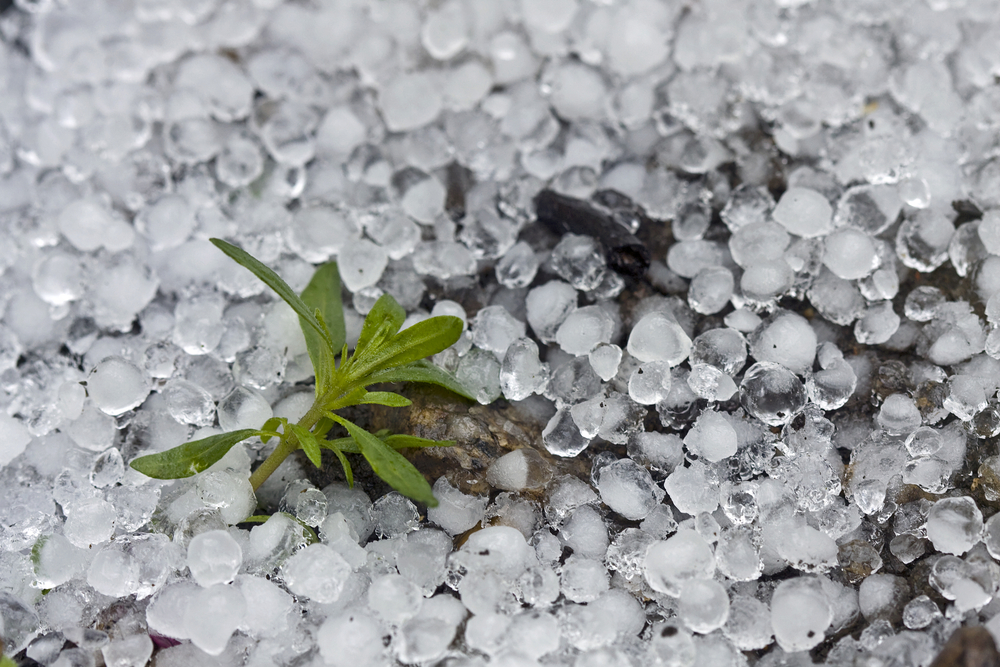
Madhya Pradesh government on Tuesday said the crop loss due to recent hailstorm in some parts of the state, including Gwalior and Chambal divisions, has been estimated at Rs 75 crore.The government has initiated crop surveys in the affected areas to ensure early payment of relief to the farmers. "More than seven districts of Gwalior and Chambal divisions have suffered 25 to 33% crop loss during the recent hailstorm. As a result, Rabi crop of 68,926 farmers sowed in an area of 56,555 hectares has been damaged. A loss of Rs 75 crore has been estimated in the calamity," said revenue minister Umashankar Gupta while replying to a question by Congress leaders during call attention motion in the assembly.Raising the matter in the House, Congress legislators Govind Singh (Lahar), Shailendra Patel (Ichchawar) and Satyapal Singh Sikarwar (Sumavali) said that more than 15 districts have been affected due to rains and hailstorm. Crops sown in one lakh hectare area has been affected in these districts, incurring a loss of Rs 300 crore. "In Bhind district, 145 villages have been affected by the hailstorm and the government has approved a relief of Rs 36 crore, but the farmers are yet to get it. Source - http://timesofindia.indiatimes.com

02.03.2017

India - Centre-State tiff likely to deny farmers in Kerala crop insurance benefit

As Kerala braces for another year of severe drought, a Centre-State stand-off is set to deny crop insurance benefit to thousands of farmers of the state in the next fiscal. A disagreement over the mode of fund transaction to prepare the annual agricultural statistics will also affect the state’s agricultural plan process. The Centre’s crop insurance scheme, implemented through the National Agriculture Insurance Company, is based on the average yield calculated by the Establishment of an Agency for Reporting Agricultural Statistics  (EARAS). The EARAS is a fully-funded Central scheme implemented through the State Economics and Statistics Department (ESD). In January this year, the Centre decided to abandon the treasury route for fund transactions and asked states to open bank accounts. But Kerala did not comply with the direction resulting in an ultimatum from the Centre that laid out two choices. The first is to opt for bank transactions. Second, if the state government does not want this, the scheme can be converted to a Centrally-sponsored scheme in which the state will have to bear 40 per cent of the project cost. When contacted, ESD director general V Ramachandran told Express the state is yet to take a decision on the matter. “It is a policy decision to be taken by the government. We’ve written to Planning Secretary for necessary directions,” he said. The department has also sent a letter to the Centre requesting the old mode of fund transaction be continued. But the DG said that was unlikely to happen. If the government wants to convert the  scheme into a Centrally-sponsored one, the ensuing Budget should have an allocation for this. But it is learnt the Finance Department is unaware of the issue. The inordinate delay in taking a decision will also have a bearing on the state’s agricultural planning and the LDF government’s prestigious schemes to promote farming. It will also affect the salary of over 850 employees working in the EARAS. Source - http://www.newindianexpress.com

02.03.2017

India - Drought has caused Rs. 225-crore crop loss

In a dire warning of the tough days ahead for the State, the government on Wednesday revealed that the unprecedented drought conditions had affected vast tracts of farmland, dealing a crippling blow to farmers. Revenue Minister E. Chandrasekharan informed the Assembly that 30,353.06 hectares of farmland had already been affected, resulting in a crop loss of Rs. 225 crore. Paddy farmers were the worst hit, suffering a loss of Rs. 106 crore due to crop damage in 26,499.42 hectares. Making a special statement under Rule 300 in the House, he said other crops including coconut, banana, vegetables and cash crops were also expected to be affected by the advancing drought. The government anticipated a significant drop in agricultural output, impacting on the economy and every sphere of activity in the State. The reservoirs in the State were down to 44% of their storage capacity and the groundwater level had gone down by 2 to 2.5 m, representing a serious crisis. Mr.Chandrasekharan said 5,698 borewells had been repaired and 9,453 ponds restored in all districts. The government had imposed curbs on digging of borewells for commercial and industrial use till May 31. Water kiosks and tanker lorries had been pressed into service to provide drinking water in parched areas. Adequate funds had been sanctioned to each district for water supply and Ministers deputed to oversee the drought mitigation measures. The Minister said the Forest Department had initiated measures to check the migration of animals from forests to human settlements in search of water. An all-party delegation from the State was scheduled to seek Central government assistance for drought mitigation. Mr. Chandra- sekharan sought the cooperation of elected representatives, officials and the general public to conserve water resources and check wastage. Source - http://www.thehindu.com/todays-paper/drought-has-caused-rs-225crore-crop-loss/article17391355.ece

02.03.2017

India - Maharashtra govt releases ₹894 crore as crop insurance for farmer

The state government released Rs893.83 crore as insurance for farmers whose crops was damaged due to hailstorm and unseasonal rains in the 2015-16 rabi season. The state government released the amount which will be distributed to 26.88 lakh farmers in various parts of the state. The highest compensation, Rs402 crore, will be distributed to 13 lakh farmers. Farmers in Aurangabad and Pune divisions will get Rs340.57 crore and Rs 107.36 crore respectively. Farmers in Marathwada district had lost soyabean and other crops due to the rains. As many as 34.26 lakh farmers had participated in the national agriculture insurance scheme with their share of about 20% of the sum insured. The farmers paid Rs56.91 crore to insure the crop on 24.60 lakh hectare land with the insurance cover of Rs2865.40 crore. “The insurance amount of Rs893.83 crore being released is for the crop loss between November 2015 and March-April 2016. The agricultural production was hit badly in 2015-16 due to the drought, but the compensation we paid against the insurance was unprecedented. Due to the satisfactory insurance settlement in the last one year, we have received very good response to the Prime Minister’s Crop Insurance Scheme in the current year,” said an officer from the agriculture department. Besides the premium share paid by the farmers, the state and central governments bore the burden of Rs408.92 crore each. Agriculture Insurance Company of India Ltd, which was the insurance company appointed by the state, will release the insurance amount in the bank accounts of the farmers. Besides soyabean, jowar, sunflower, wheat, onion, paddy are the crops which have been covered by the crop insurance. The government had given a push to the crop insurance in the backdrop of the drought for consecutive three years. The state had settled the insurance cover of Rs4,205 crore for loss of kharip crops, taken between July and November 2015. Source - http://www.hindustantimes.com

02.03.2017

Engineering firms look to market robotic apple pickers by 2019

Worry over agricultural labor shortages may be troubling many under the new administration but two engineering firms are hoping to ease worries and are aiming to market robotic fruit-picking machines by 2019. The two competing companies – Abundant Robotics Inc. in California and Israel-based FFRobotics – have plans to manufacture and market commercial robotic harvesters sometime in the next 18 to 24 months, representatives told a global audience of fruit growers here Thursday. The two reps gave presentations to hundreds of orchardists, packers and shippers from 13 countries gathered last week in Wenatchee for the 60th Annual Conference of the International Fruit Tree Association. The presentations on Thursday focused mostly on apple harvesting, but both reps said the machines could be adapted to pick other fruit – oranges, peaches and maybe even cherries. Advantages of automation include no pickers’ bags, no ladders, no hauling to distant bins, less bruising and – depending on operator schedules – the possibility of 24-hour harvesting. Manufacturers are aiming for a 2-year return on investment, with the cost of machine harvesting equal to or less than human crews. “The ultimate goal is for our machines to be as good as humans when it comes to harvesting,” said Dan Steere, co-founder and CEO of Abundant Robotics. “We seem to be on track.” Source - spokesman.com

02.03.2017

Peru - Recent rains could delay the harvest and planting seasons

According to Juan Varilias, the president of the Association of Exporters (ADEX), the intensity of the rains in recent weeks could have an impact on the development of this year's agricultural season. Varillas said that the changes in climate could cause a delay in the harvest and planting campaign for 2017 so they could be scheduled for next year. "We can't do a thing in the fields while it's still raining. It's difficult to calculate these events and we must know how to manage this unavoidable situation. The Minister of Agriculture is working to support the sector," he said at the end of the presentation of the Andean Business Meeting 2017, whose sixth edition will be held in Armenia, Colombia. The president of ADEX noted that there is a major concern regarding the sector's jobs that could also be impacted. However, Juan Varilias estimated that Peruvian exports would increase in the first quarter by 10% over the same period of 2016. The boost in mining would trigger traditional exports abroad. In turn, the momentum of the Superfoods Peru brand for agricultural export products would improve non-traditional shipments abroad, whose performance ended 2016 slightly in negative territory. Agricultural exporters executive board The president of ADEX said they expected the first meeting of the agricultural exporters' executive board, which was passed to the Minister of Agriculture on 22 February, to take place in the first week of March. In this meeting, which brings together public and private stakeholders, the board will seek to solve the sector's outstanding problems in order to strengthen and consolidate the sector. Source - elcomercio.pe

01.03.2017

USA - Can we develop a new farm bill without regional divisions?

Philosopher George Santayana once said that, “Those who cannot remember the past are condemned to repeat it.” Even though the last farm bill was signed by President Obama just three years ago, it’s amazing how much has been forgotten. In part, that may be because it was such a tortured process. One aspect of the process that was not completely forgotten – but also not widely reported – was how some of the policy discussions easily split along regional “fault” lines. It’s the essence of part three of our new series, “The seven things you should know before you write the next farm bill.” Farm bill veterans know that some of the biggest fights in farm policy usually fall along regional rather than party lines. Depending on who is in the House and Senate committee seats, farm bill strategies need to vary in order to pass a bill out of committee that can meld those different interests. During an interview with Agri-Pulse, Sen. Roberts – who previously served as Chairman of the House Agriculture Committee and now chairs the Senate Agriculture Committee – recalled advice that he got from former House Agriculture Committee Chairman Kika de la Garza, D-Texas, when he first took over the helm of the House Agriculture Committee in 1995. “He said, ‘You aren’t going to have any problems with our side. I’ll take care of our side. You know where we are coming from and you can deal with that. Where you are going to have problems is on your side’” “And it’s true because a lot of your friends expect you to do things for them that you cannot do or you shouldn’t do.” In many ways, regional divisions are expected because farmers across the U.S. grow a lot of different crops and raise livestock under a variety of different conditions. The production risks involved in producing a bountiful crop, milking healthy cows, birthing cattle, pigs and lambs, are almost too numerous to count. On any given day, a producer might wonder: Will it rain? Will it rain too much? Will my animals be killed in a freak blizzard? Will my chicken flock get struck by disease and have to be destroyed? Will my vegetables be hit by an early frost? Depending on how the production varies – both in the U.S. and around the world – there is also the price risk. Prices can respond quickly and dramatically – up or down – if you are a corn and soybean farmer and a major player in terms of global production. For example, U.S. producers benefit when South American corn and soybean farmers have a drought – falling short of market expectations – and vice versa. But for cotton, where the U.S. had such a small share of the market, a bad U.S. crop won’t be much of a blip in global trading. There are also a multitude of financial risks: What if market prices skyrocket but a farmer doesn’t have any crops or livestock to sell? What if interest rates shoot up and he or she can no longer repay loans on assets or operating loans? What if other countries manipulate their currencies in a way that make it more difficult to export U.S. agricultural products? And finally, one can’t rule out the political risks that have battered farm incomes around the globe over the years. What if the president declares a grain embargo, as President Jimmy Carter did in 1980 to respond to the Soviet Union’s invasion of Afghanistan? Grain prices plummeted as a result. Almost two decades later, the Russian government shut off exports to the world in response to drought and wildfires at home, sending commodity prices soaring. Essence of the farm safety net Since the Great Depression in the 1930’s, the federal government has often responded to disasters on the farm in an attempt to better manage risk, but some of the responses have worked better than others. In modern-day times, the Congressional Research Service noted that there is a collection of programs that make up the “farm safety net. These include: 1. Farm commodity price and income support programs under Title I. 2. Federal crop insurance under the Federal Crop Insurance Act of 1980 3. Disaster assistance programs under Title XII of the 2008 farm bill. By the end of the 2008 farm bill, it was widely accepted that “ad hoc” disaster programs were not effective. Often times, Congress lagged for years in making payments and farmers sometimes went out of business during the wait. The complicated Supplemental Revenue Assistance Payments Program (SURE) was not viewed as very helpful or popular either. Farm bills are usually more evolutionary than revolutionary, but the budgetary environment in 2011 was ripe for reform. With lawmakers focused on deficit reduction, direct payments – made whether or not farmers planted a crop – were a big reform target for many Republicans and Democrats. And the super-committee process later in the year made it clear that political support for direct payments was waning. But if direct payments were going to be cut, what type of farm program would replace them? Corn and soybean growers rallied behind a shallow-loss risk management program that eventually became known as the Agriculture Risk Coverage (ARC) program. Rice and peanut growers were more concerned about longer-term price risk and advocated for a program that paid when prices fell below a certain “reference price” level. The first version of the Senate Ag Committee’s farm bill, with Sen. Debbie Stabenow at the helm and Sen. Roberts serving as ranking member, delivered a shallow-loss revenue protection program favored by corn and soybean growers. House Agriculture Committee Chairman Frank Lucas, R-Okla., made clear that the yet-unwritten House bill will include a price-based alternative to meet the concerns of Southern growers. The House version would indeed include a “Price Loss Coverage,” plan based on new “reference” prices. But it didn’t happen without some rather testy exchanges with those who opposed setting commodity specific price support “reference” prices. “The behind closed door debates between Midwestern and Southern lobbyists and staff were philosophical, regional, and often very personal,” recalls a source who was involved in the discussions. And they often involved other aspects of the commodity title like payment limitations and whether payments should be calculated on planted versus base acres. “On price risk, it goes to the heart of the fixed price vs. rolling average benchmark that underlies the Price Loss Coverage versus Agricultural Risk Coverage fight. Do farmers need a floor price protection that does not change or one that adjusts and expects them to also adjust management when prices are sustained at relatively low levels,” the source explained. In some respects, the debate also reflected the future outlook for commodity prices. Corn, soybeans and wheat were hitting record highs during most of the time period when the farm bill was being written. But Chairman Lucas, who farms in northwestern Oklahoma, reminded his colleagues as he opened up the House Agriculture Committee markup in 2012 that “I know how risky it is to be a farmer….I know at a moment’s notice a dream crop can turn into a disaster.” And as he had frequently reminded his fellow lawmakers, “A safety net is written with bad times in mind. These programs should not guarantee that the good times are the best but, rather, that the bad times are manageable.” Ultimately, it took an almost Herculean effort over three years to finally pass a bill in the House –albeit without the nutrition title – and then conference with the Senate in a way that could gain final approval in both chambers and be signed by President Obama on Feb. 7, 2014. Regional fights weren’t the only reason for delay, but farm bill veterans say the lack of unity among commodity groups didn’t help improve an already complicated and controversial farm bill debate, sources said. So as farmers and ranchers look ahead to the 2018 farm bill, it’s not surprising that farm organizations leaders have already been meeting for months, trying to find areas of agreement on the commodity title and other provisions. “It’s not likely that regional divisions will cease to exist, but perhaps they can be minimized,” noted one of the leaders involved in those discussions. Failure to work together could mean that risk management tools like crop insurance – where there is already strong support from across the country – could also be targeted. “I think our biggest challenge is going to be, be unified when we go forward with a farm bill,” emphasized American Farm Bureau President Zippy Duvall during his organization’s annual meeting earlier this year. “We’ve got to find common ground in that to make sure that everybody has that safety net that covers them.” Source - http://www.farmforum.net/

01.03.2017

USA - Farm Operating Loans On the Rise for 2017

Given the state of the farm economy, it will not come as a surprise that farm operating loans are on the rise for 2017. Gary Coleman, Regional VP with Farm Credit Mid-America, told HAT that they have seen a much higher demand for operating loans, “Three years ago farmers were holding their loans for 5 or 6 months, but in 2016 more operating loans were held for 8 months or more.” Economists have reported many farmers began the current downturn with good cash reserves, but those reserves have been used up over the past few years. While many farmers are having to turn to operating loans in 2017, Coleman says not all producers really need one. He said it is important to realize if you need such a loan or not, “Like many financial decisions, an operating loan is one you should seriously discuss with your loan officer to see if you really need one or if you can pay it back.”  He added failure to pay back an operating loan can increase interest charges and can hurt your chances of getting another operating loan in the future. This is also the time of year when farmers are making their crop insurance decisions. Coleman says crop insurance and operating loans go hand in hand, “Taking out an operating loan without crop insurance or without the right level of crop insurance, can add risk to your operation.”  He said having crop insurance is the guarantee that you can pay off your operating loan if mother nature turns against you. Source - https://www.hoosieragtoday.com

01.03.2017

India - Pests cause 30% loss of crop yields

About 30 to 35% of the annual crop yield in the country gets wasted because of pests, said P.K. Chakrabarty, Assistant Director General of Plant Protection and Biosafety of the Indian Council of Agricultural Research (ICAR). Speaking at the annual group meeting of All India Co-ordinated Research Project (AICRP) on Nematodes in Cropping Systems on Friday, he said that among such pests, nematodes have recently emerged as a major threat to crops and it causes loss of 60 million tonnes of crops annually. “Nematodes consisting of roundworms, threadworms and eelworms are causing a loss of crops to the tune of almost 60 million tonnes or 10-12 % of crop production every year,” said Mr. Chakrabarty. Elaborating on the “emergent problem” of nematodes, Mr. Chakrabarty said according to research conducted by the AICRP, the annual loss in 24 major crops, due to nematodes, was Rs.21,068 million. “The farmers are still not fully aware about these potential crop-destroyers,” he added. Source - thehindu.com

01.03.2017

USA - Fruit farmers prepare for roller coaster of temperatures

February was on track to be one of the warmest February’s on record, until the cold moved in this weekend. Roller coaster temperatures can't be good for budding peaches, cherries and apricots right? Charlie Talbott said the snow can actually act as an insulator and its really sub-freezing overnight temps growers have to be worried about. Talbott has an app on his phone that sounds alarms when the orchard staff needs to get outside and get ahead of the chill. The palisade orchard landscape littered with fans. "We use exclusively the wind machines, the fans,” said Charlie Talbott. “Purging cold air off orchard floor with warmer air from above.” They are the protectors of what can be a fragile forest. After a roller coaster of temperatures the last few weeks how do the crops look now? “We really want them to stay hard fast asleep thinking its winter as long as possible. The 60 degree Februarys weather while it may be nice on the golf course it’s not great for fruit growers,” said Talbott. Anytime the overnight lows drop below 20 they have to start turning on the fans. Charlie Talbott said they have about 50 fans that each reaches about 10 acres. It takes about 5-7 minutes to get each fan going, so when a cold snap does hit, it takes a large team to get everything protected. “There is no pushing a button, you start the engine you bring it to full throttle if its critical you don't have time,” said Talbott. “The lowest temp we saw was 13 that was on Sunday the 26th, that’s pretty low even for February not quite a record, low but very much approaching so,” said Andew Lyons with the National Weather Service. At this time of year some crops are more sensitive to the cold than others. Right now peaches are pretty hearty but apricots and cherries could be in danger of the cold. "The risk is crop loss, there for revenue loss for fruit growers it matters, it's our livelihood,” Talbott said. Though the weather in spring and winter can be unpredictable, the outlook is still good. “That’s how it is in the Spring and Winter, It’s very much of a roller coaster,” Lyons said. “As we stands right now, we have full potential for an amazing crop of everything, the next 8 weeks will kind of tell the tale,” said Talbott. Source - http://www.nbc11news.com

01.03.2017

India - Hailstorm caused crop loss worth Rs 75 crore in MP, relief to farmers soon

Madhya Pradesh government on Tuesday said that the crop loss due to recent hailstorm in some parts of the state, including Gwalior and Chambal divisions, has been estimated at Rs 75 crore. The government has initiated crop surveys in the affected areas to ensure early payment of relief to the farmers. "More than seven districts of Gwalior and Chambal divisions have suffered 25 to 33% crop loss during the recent hailstorm. As a result, Rabi crop of 68,926 farmers sowed in an area of 56,555 hectares has been damaged. A loss of Rs 75 crore has been estimated in the calamity," said revenue minister Umashankar Gupta while replying to a question by Congress leaders during call attention motion in the assembly. Raising the matter in the House, Congress legislators Govind Singh (Lahar), Shailendra Patel (Ichchawar) and Satyapal Singh Sikarwar (Sumavali) said that more than 15 districts have been affected due to rains and hailstorm. Crops sown in one lakh hectare area has been affected in these districts, incurring a loss of Rs 300 crore. "In Bhind district, 145 villages have been affected by the hailstorm and the government has approved a relief of Rs 36 crore, but the farmers are yet to get the relief. When the affected people will get financial help?" asked Congress MLA Govind Singh during the debate in the House. Replying to the query, Gupta said the government has earmarked a global budget for calamity affected areas. He stated that reports of two casualties due to lightning have also been received for which the government has granted a compensation of Rs 4 lakh each to the next kin of the deceased. "Severely affected districts included Gwalior, Shivpuri, Ashok Nagar, Datia, Bhind and Morena, where a minimum 30% loss has been estimated during the survey. The reports also confirmed that several districts of Malwa and West Nimar regions have also been affected with 10 to 15% crop loss being reported from these areas," said Gupta. Congress MLA Shailendra Patel said hailstorm has also affected crop production in Sehore district where the total yield of the crop has been reduced after the calamity. "The yield of gram and pulses has been reduced. Government should help the farmers to save them from financial losses," urged Patel. Gupta said a government team comprising employees of the revenue and local administration was surveying the affected areas and relief to the farmers will be approved as early as possible. Source - http://timesofindia.indiatimes.com

28.02.2017

Kenya - UCD launches $1.4M project to help Kenya’s rural poor

A $1.4 million grant from USAID is targeting poverty in one of the poorest regions of the world. The grant funds a project, recently launched by UC Davis researchers in northern Kenya, that will use a randomized, controlled trial to evaluate the impacts of combining programs that offer training, support and aid with affordable insurance to reduce chronic poverty. Some 1.3 million Kenyans have been experiencing the impact of ongoing drought, the Kenyan government announced last year. The new project is led by Michael Carter, a professor of agricultural and resource economics and director of the Feed the Future Innovation Lab for Assets and Market Access at UCD, and Andrew Mude from the International Livestock Research Institute, or ILRI, in Kenya. The researchers hope the project will help create a pathway out of poverty and reduce the need for aid, which Kenya’s government provides each year, even without drought. “Emergency aid helps people survive, but in general it doesn’t change poverty dynamics,” Carter said. “We are looking into the synergies of helping people get out of poverty and providing a mechanism to keep them from falling back into indigence and becoming next-generation beneficiaries of emergency food aid.” The set of interventions the project will test include the BOMA graduation program; Kenya’s Hunger Safety Net Programme, or HSNP; and index-based livestock insurance. The BOMA graduation program teaches hard and soft skills, followed by asset transfers to start a business. The HSNP transfer program is one of five cash-transfer programs under Kenya’s national Safety Nets Programme. Index insurance is a lower-cost alternative to traditional insurance that helps protect smallholder farmers and pastoralists from drought or extreme weather events that typically lead to deeper poverty. Index insurance is different than traditional insurance because, rather than basing payouts on verified losses, it estimates losses based on an index of factors that can be measured and monitored externally, like rainfall or vegetation. Changing lives On Feb. 20, the government of Kenya announced that an index insurance product, based on work by Carter, Mude and Cornell University’s Christopher Barrett, will trigger more than $2.1 million in payouts for pastoralists stricken by drought through the Kenya Livestock Insurance Program, or KLIP. The program has based its payouts for livestock losses on measures of vegetation forage taken by satellite at the end of the dry season. “This insurance program is not just an effective component of our national drought relief effort. It’s also a way to ensure that pastoralists can continue to thrive and contribute to our collective future as a nation,” said Willy Bett, cabinet secretary for Kenya’s Ministry of Agriculture, Livestock and Fisheries, in a press release. This round of payouts is based on a livestock-protection model that takes early- and mid-season measurements to time payouts that will help keep livestock alive. The government of Kenya estimates that these payments to more than 12,000 pastoral households will directly reach more than 100,000 Kenyans. “We always felt it would be a game-changer if you could issue the payments earlier,” Carter said. Carter’s 2011 paper with Barrett, “Designing Index-based Livestock Insurance for Managing Asset Risk in Northern Kenya,” established the contract design and underlying index to predict livestock mortality that underpins KLIP. At the time, Carter said, payments to protect assets didn’t seem feasible but, since then, agricultural markets in Kenya have developed so that farmers today can now use those payments to buy forage for their livestock when there is none — or not enough — on the ground. Affordable solutions KLIP, launched in 2015, targets six counties that are currently experiencing one of the worst droughts to hit the Horn of Africa in a quarter century. Between 2008 and 2011, livestock losses caused by drought in Kenya accounted for 70 percent of the $12.1 billion in damages. The reach of KLIP is limited, however, because the Kenyan government pays the majority of premiums for the pastoralists it covers. “The KLIP program is actually buying the entire package for the vulnerable people,” Carter said. “One of our questions with this new project is how to have the largest impact on the well-being of poor people in this country for a given constrained budget.” The project, “Can Asset Transfer & Asset Protection Policies Alter Poverty Dynamics in Northern Kenya? A Randomized Evaluation of an Integrated Graduation and Contingent Social Protection Program,” will run from February through September 2021. It is part of the USAID Associate Award that launched the Global Action Network project, which seeks to identify and fill gaps in research on index insurance for global development. The mission of the Feed the Future Innovation Lab for Assets and Market Access, or AMA Innovation Lab, is to conduct and support research on policies and programs designed to help poor and smallholder farmers worldwide to manage risk, adopt productive technologies and take an active part in economic growth. It is one of 24 Feed the Future Innovation Labs across the United States funded by USAID’s Food Security Bureau to support the U.S. government’s global hunger and food security initiative. Source - http://www.davisenterprise.com

28.02.2017

Rwanda -Maize farmers supplied with faulty seeds to be compensated

More than 1000 farmers in Rusizi District who incurred losses after maize seeds they planted failed to yield will be compensated, officials have agreed. The awaited compensation follows complaints from farmers in 13 sectors of Rusizi in the Western Province who appealed for intervention after registering losses. The farmers say the maize reached the growth stage, known in Kinyarwanda as ‘guheka’, but only look beautiful and overgrown by appearance with no corns. Léoncie Kankindi, the Rusizi Vice-Mayor in charge of Finance and Economic Development, told The New Times last week they have so far registered 3,592 farmers who planted 13 tonnes and 240 kilograms on 529.6 hectares. Dr Telesphore Ndabamenye, the Head of Crop Production and Food Security at Rwanda Agriculture Board, told The New Times last week that it was in discussions with seed multipliers to compensate maize farmers who were supplied ‘Hybrid 629’ maize seeds. He explained that the maize failed to grow because Rusizi soils were not favourable for the planted variety, which is normally planted in higher altitude areas. A non-profit agricultural organisation One Acre Fund/Tubura, which had supplied the seed variety, has agreed to compensate the farmers, he said. Speaking to The New Times, Evariste Bagambiki, Tubura Rwanda Communications Manager, said their field visits revealed that up to 1,050 farmers needed to be compensated. “We are compensating affected farmers who purchased H629 variety. Their refund is calculated based on the cost of seeds, fertiliser, and partial value of harvest. We will spend Rwf16m on refund to 1,050 clients affected,” he said. What went wrong? Bagambiki explained that prior to the 17A planting season, national seed supply was severely disrupted since the majority of seeds arrived into the country very late, and there was insufficient supply to fulfil all distributors’ orders. Tubura originally ordered a seed variety (PAN4M21) that grows well in both highlands and lowlands, he said. He said due to the seed shortages in the country, Tubura was unable to deliver this variety since it did not receive the full quantity of seeds that it had ordered on behalf of clients. It, therefore, resorted ‘to providing a substitute variety’ (H629) reserved for only farmers in high-altitude areas, he said. “From the field reports, we understand that some farmers from these areas planted H629 in lowland fields (where it was not supposed to be planted). We estimate that a total of 32 hectares were affected. As expected, H629 did not perform well in lowland areas and it takes 2-3 months longer than the expected period to mature.” Bagambiki said the area has a mixture of both highlands and lowlands, which was hard for the supplier to control. “Some farmers ended up planting the variety where it was not supposed to be planted, but since the farmers are our clients, we agreed to compensate them,” he explained. Bagambiki said that in addition to this refund, the farmers’ loans have crop insurance. “We expect that the insurance companies, after assessing the issue, might inject in more support. Based on the insurance company’s calculations of loss, farmers may also receive an insurance payout,” he added. He said they are making changes to ensure that this does not happen again. “In the future, we will only distribute seeds if they are enough for all farmers in a given cell; if we do not have suitable seeds for all farmers, we will not deliver them at all,” he emphasized. Farmers speak Smallholder farmers who spoke to The New Times welcomed the compensation plan although it was difficult to tell the exact loss. “I had acquired 10kg that I planted in three pieces of land. We are told that they will be compensating us Rwf5, 500 per kg. Maize did not grow. We will only give the stems to domestic animals,” Jacqueline Nyiramabanga, a farmer from Butare sector told The New Times. Jean Niyonsenga, another farmer in Rwambogo cell, said: “We thought no one could agree to compensate us. We did not know what happened to our seeds. Next time they should give us seeds they are sure about.” He said he grew the seeds on two pieces of land and was expecting to harvest over 150 kilogrammes. He said that although the planned compensation could not cover all losses and wasted time, it is a relief to them. Source - http://www.newtimes.co.rw

803
of 1227