NEWS
834
of 1225
News
24.10.2016

Philippines - Subsidies to GOCCs drop in August

Subsidies to state-owned companies declined in August this year after it surged in the previous month, data from the Bureau of the Treasury showed. Based on the Treasury report, the national government spent P7.4 billion in subsidies last August, down by 16 percent from R8.8 billion in the same month last year. Of that amount, about 45 percent of the total government subsidies went to the Power Sector Assets & Liabilities Management Corporation (PSALM). During the Duterte administration’s first month in office, the government spent P35.26 billion, and bulk of which, or P33.8 billion, was used to pay off the health insurance coverage of indigent families, through the Philippine Health Insurance Corp. (PhilHealth). The government needs to provide some financial support to PhilHealth to pay off the health insurance premiums of beneficiaries identified by the Department of Social Welfare and Development (DSWD) as indigent individuals. In August, the biggest recipient of government subsidies were the PSALM with P3.36 billion, followed by the National Development Co. with R1.5 billion, and National Irrigation Administration with P1.22 billion. Other recipients of state subsidies during the month were Light Rail Transit Authority (P478 million), National Kidney and Transplant Institute (R440 million), and Philippine Crop Insurance Corp. (P182 million). In the first eight months of the year, total subsidies disbursed to state-owned companies amounted to P79.96 billion, higher by 45 percent compared with P55.1 in the same period last year. Last week, the Department of Finance (DOF) reported that the national government posted a budget surplus of P32.6 billion, more than double compared with P15 billon in the same month last year. The surplus in August, the first record under the Duterte administration, dragged down the eight-month fiscal gap to P138.4 billion, leaving the government ample fiscal room to support growth for the remainder of the year. The end-August budget deficit is also well within the P388.87 billion ceiling for the year, but significantly higher compared with the R3.4-billion gap incurred in the same period in 2015. During the month, government revenues reached P209.6 billion, up by 19 percent from P176.7 billion in the previous year. Of that amount, the Bureau of Internal Revenue (BIR) contributed P157.5 billion to state coffers, while the Bureau of Customs generated P33.1 billion in revenues. Public spending has also been on the march higher in August, with the government posting a 9 percent growth in expenditure to P177 billion from P161.6 billion in the same month last year. The government’s level of spending is a closely watched driver of economic growth as it contributes about a tenth to gross domestic product (GDP). Finance Secretary Carlos G. Dominguez III earlier said the Duterte administration would be responsible with its finances while addressing the underspending in the previous administration. Under the new administration, government infrastructure spending, a major driver for growth, is targeted to be equivalent to 6 percent of GDP, exceeding the previous administration’s five percent goal. Source - www.mb.com.ph
21.10.2016

USA - Drought conditions worsen in Calhoun County, threatening crops, water supplies

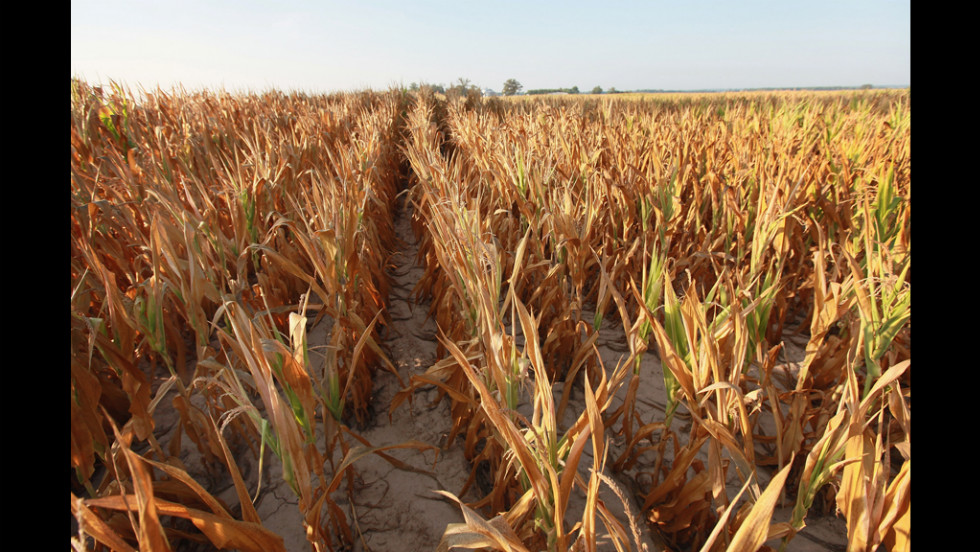
There was very little hay to be had in Doug Trantham’s fields this year; they produced only a quarter what they would in a normal summer, the Alexandria farmer said by phone Thursday. So Trantham found himself baling soybean stubble, plant parts discarded in harvest, just to feed his herd of cows through winter. The blame lies above his head. “This drought’s been going on all summer long,” Trantham said Thursday, “and it's just got to a severe level now.” While all of Alabama is in the grip of some level of drought, dryness in Calhoun County this week reached its most severe level yet, according to the U.S. Drought Monitor. The monitor — based at the University of Nebraska in Lincoln and pulling from many state and federal data sources — classifies much of northeast Alabama as in “exceptional drought,” painting it on an online map with the color of dried blood. That means drought conditions are so severe they could mean the loss of pasture and crops and threats to water supplies, according to the monitor’s classification scheme. [caption id="" align="aligncenter" width="717"] All of Calhoun County and most of Alabama is classified as in exceptional drought. That means drought conditions are so severe they could mean the loss of pasture and crops and threats to water supplies, according to the monitor’s classification scheme.[/caption] The dry conditions last week led Gov. Robert Bentley to declare a drought emergency in Alabama, banning all outdoor flame in 46 of the state’s 67 counties. Meteorologists with the National Weather Service in Calera say the area has a rainfall deficit of more than a foot so far this year, and with little rain predicted, that deficit will likely only grow. For Trantham, the bone-dry summer meant a drop in his land’s bounty. Where he might harvest nearly 150 bushels of corn per acre of farmland, he’s taken perhaps 40 bushels this year. Soybean production is down, too, to maybe 10 bushels from a normal level of 40 or 50 per acre, he said. Fortunately, the farmer said, he’s got federal crop insurance. “It will help offset some of this, but it won’t alleviate everything,” he said. “I just hope this drought doesn’t linger all winter long and into summer.” Water supplies in Calhoun County, meanwhile, remain in good shape despite the dearth of rain, officials said Thursday. “We’re in good shape,” said Anniston Water Works and Sewer Board general manager Ed Turner. The utility draws its supply from Coldwater Spring, which pushes about 30 million gallons of water to the surface each day. “As with any natural resource, we use wisely.” While the water table — liquid stored deep underground — is down because of the drought, it’s not depleted enough to cause the Calhoun County Water Authority any trouble. “We’re not in a bind right now,” authority chairman Echols Bryant said by phone Thursday. The authority’s nearly 1,400 miles of water pipes serve about 11,000 customers, Bryant said, all over Calhoun County. There are no restrictions from either utility on water use right now, both men said. Turner says there’s “no need to panic. “If there is a situation where there needs to be water restrictions, we’ll notify the public,” he said. Meanwhile, meteorologists said Thursday that Calhoun County could possibly see a small amount of rain later that night or in the morning hours. (None had fallen by 1 a.m., although there was more cloud cover than there had been earlier, and a constant breeze made it seem like something was trying to happen.) “It’s not going to be the drought-busting rain we need,” said Jason Holmes, a meteorologist at the National Weather Service’s Calera office. Holmes says the quick-moving storms may drop a quarter of an inch on Calhoun County. That will do little to soothe the 13.23 inch deficit the area currently suffers, he said. There’s some good news, though: Holmes said another storm system may develop next week. Rain is expected in November and December, he said, when weather conditions become more favorable for such. For the next 10 days, though, the weather pattern that’s seen drought entrench itself in this state and others in the Southeast will continue. High pressure will keep most moisture away. The ground will remain dry and easily heated or cooled — with daily high temperatures in the 70s and 80s, and nighttime lows between 40 and 50 degrees. Source - http://www.annistonstar.com/

21.10.2016

India - Odisha waiting for central share to settle crop insurance claims

Even as the State Government has released its share of about Rs 760 crore towards crop insurance claims of the farmers for 2015 kharif season, the Centre is yet to provide the matching share. Farmers who had sustained crop loss due to drought during last year kharif are still waiting for their claims to be settled by the National Agricultural Insurance Company. The state government submitted its crop loss report to the Ministry of Agriculture on September 3 for approval and release of central share of the insurance claims of the farmers. Even after one and half months the state government is clueless about  the delay in sanction of funds. "We apprehend that the Centre is not fully convinced about the crop loss claims by the state government as the foodgrains production of the state during last kharif season is no less than the previous year," sources in the cooperation department said. Official sources said that the state government is contemplating to  disburse its share of the claims to put pressure on the Centre for release of the matching share without further delay. Wide variance in crop yield data provided by Agriculture and Revenue Departments for assessment of crop loss had put the State Government in a fix. The designated agriculture insurance companies refused to accept the crop loss date. The opposition Congress and the BJP raked up issue in the monsoon session of the Assembly where Cooperation Minister Damodar Rout had promised to disburse the insurance claims within two weeks. Admitting the delay in payment of insurance to the affected farmers to contradictory crop cutting reports, Rout said the state is waiting for the matching share from the Centre. Earlier, both the Congress and the BJP members had strongly criticised the state government for not giving insurance amount to farmers, "forcing" them to commit suicide. This government has betrayed farmers so far as assured irrigation and free supply of power are concerned. Now the farmers are victims to the Chief Minister's greed for more Krishi Karman Awards, commented Leader of Opposition Narasingha Mishra. State waiting for central share to settle crop insurance claims Even as the State Government has released its share of about Rs 760 crore towards crop insurance claims of the farmers for 2015 kharif season, the Centre is yet to provide the matching share. Farmers who had sustained crop loss due to drought during last year kharif are still waiting for their claims to be settled by the National Agricultural Insurance Company. The state government submitted its crop loss report to the Ministry of Agriculture on September 3 for approval and release of central share of the insurance claims of the farmers. Even after one and half months the state government is clueless about  the delay in sanction of funds. "We apprehend that the Centre is not fully convinced about the crop loss claims by the state government as the foodgrains production of the state during last kharif season is no less than the previous year," sources in the cooperation department said. Official sources said that the state government is contemplating to  disburse its share of the claims to put pressure on the Centre for release of the matching share without further delay. Wide variance in crop yield data provided by Agriculture and Revenue Departments for assessment of crop loss had put the State Government in a fix. The designated agriculture insurance companies refused to accept the crop loss date. The opposition Congress and the BJP raked up issue in the monsoon session of the Assembly where Cooperation Minister Damodar Rout had promised to disburse the insurance claims within two weeks. Admitting the delay in payment of insurance to the affected farmers to contradictory crop cutting reports, Rout said the state is waiting for the matching share from the Centre. Source - http://www.newindianexpress.com

21.10.2016

USA - Rain ruins Idaho harvest plans

During the week which ended Oct., 16, Idaho's farmers were kept out of their fields due to very muddy conditions caused by heavy rain, reported the USDA’s National Agriculture Statistics Service (NASS) Idaho field office. According to the NASS report, days suitable for fieldwork were 4.5. Power County reported the weather was still good enough for sugarbeet harvest, and other counties across the state noted that corn silage, potato, onion, and dry bean harvests were wrapping up. Ninety-five percent of Idaho’s corn crop is rated in good to excellent condition. Ninety-one percent of the corn has dented, well behind last year’s pace. Eighty percent of the corn has reached maturity and field corn for silage is 85 percent harvested. Dry edible beans are 95 percent harvested, catching up to last year’s pace. A couple weeks ago the harvest was well behind the 2015 pace. Onions are 90 percent harvested, also behind last year’s pace. Idaho dry bean production is forecast at 2.78 million hundredweight (cwt), up 30 percent from last year. Harvested area, at 139,000 acres, is up 20,000 acres from 2015. Yield is also expected up 200 pounds from last year at 2,000 pounds per acre. Potatoes are 91 percent harvested, while sugarbeets are 52 percent harvested and 96 percent are in good to excellent condition. Source - http://www.freshplaza.com

21.10.2016

Super typhoon hits the Philippines

On the night of Wednesday 19 October, super typhoon Haima, one of the most powerful typhoons to ever hit the Philippines, struck the northern province of Cagayan with winds almost on a par with catastrophic Haiyan, which was then the strongest storm to strike the disaster-prone south-east Asian archipelago and claimed more than 7,350 lives in 2013. Haima destroyed houses, tore roofs off schools and ripped giant trees out of the ground on Thursday, reports The Guardian. “Rice and corn plants as far as the eye can see are flattened,” Villamor Visaya, a university teacher in Ilagan, one of the main northern cities with a population of 130,000 people, said. Haima hit coastal towns facing the Pacific ocean with sustained winds of 225km/h (140mph), and wind gusts of up to 315km/h. It weakened overnight as it hit mountain ranges and by 9am on Thursday was leaving the western edge of Luzon, heading towards southern China. President Rodrigo Duterte said on Wednesday night all possible preparations had been made for Haima, with tens of thousands of people evacuated, but he still struck an ominous tone. “We only pray we be spared the destruction such as the previous times, which brought agony and suffering,” Duterte said in Beijing, during a state visit. “But we are ready. Everything has been deployed.” About 10 million people across the northern parts of Luzon were at risk, the government’s disaster risk management agency said on Wednesday. The Philippine islands are often the first major landmass to be hit by storms that are created over the Pacific ocean. The south-east Asian archipelago endures about 20 major storms each year, many of them deadly. The most powerful and deadliest was Haiyan, which destroyed entire towns in heavily populated areas of the central Philippines. Haima was the second typhoon to hit the northern Philippines in a week, after Sarika struck on Sunday claiming at least one life and leaving three people missing. Source - http://www.freshplaza.com

21.10.2016

India - Ensure more ryots avail crop insurance scheme

The Telangana State government must ensure that more farmers availed the Central government’s crop insurance scheme, said Union Minister for Labour and Employment Bandaru Dattatreya here on Thursday. Addressing a press conference here after reviewing crop loans with State Level Bankers’ Committee, the Minister pointed out that only eight lakh farmers were utilising crop insurance scheme while the farmers eligible to avail it were nearly 37 lakh. “The State government must direct agricultural field officers to ensure that all the eligible farmers benefit from the scheme,” the Minister said. He felt the scheme was the best shield the government could offer to farmers. In case of crop damage or other losses, they can fall back on the scheme’s support. Equally important was to make use of the Centre’s Soil Health Scheme. All farmers in Telangana must be persuaded to secure Soil Health Cards, he said. Reiterating that Narendra Modi’s government was committed to farmers’ welfare, he said Rs. 1,515 crore was allocated for National Disaster Fund for the period 2015-20. The money allotted to this Fund earlier was mere Rs. 143 crore during the Congress regime in 2010-15, he added. “This allocation of funds clearly shows how different are Congress and BJP governments,” Mr. Dattatreya remarked. criticising that Congress always targeted BJP only on communal issues. He advised the Congress party to judge BJP from the parameters of economic progress instead of attributing communal issues to the ruling party. Even in supply of fertilisers, the BJP government was way ahead of the previous Congress regime, he added. There used to be serpentine queues and frequent lathi-charge on agriculturists during sale of fertilisers during the previous government rule. He claimed that no such incidents were reported now. Referring to triple Talaq issue, Mr. Dattatreya said some Muslim women were fighting for gender justice, but the attempt to politicise the issue by some parties like Congress was unfair. Source - http://www.thehindu.com

21.10.2016

New Zealand - Intense hail storm blitzes Motueka kiwifruit orchard

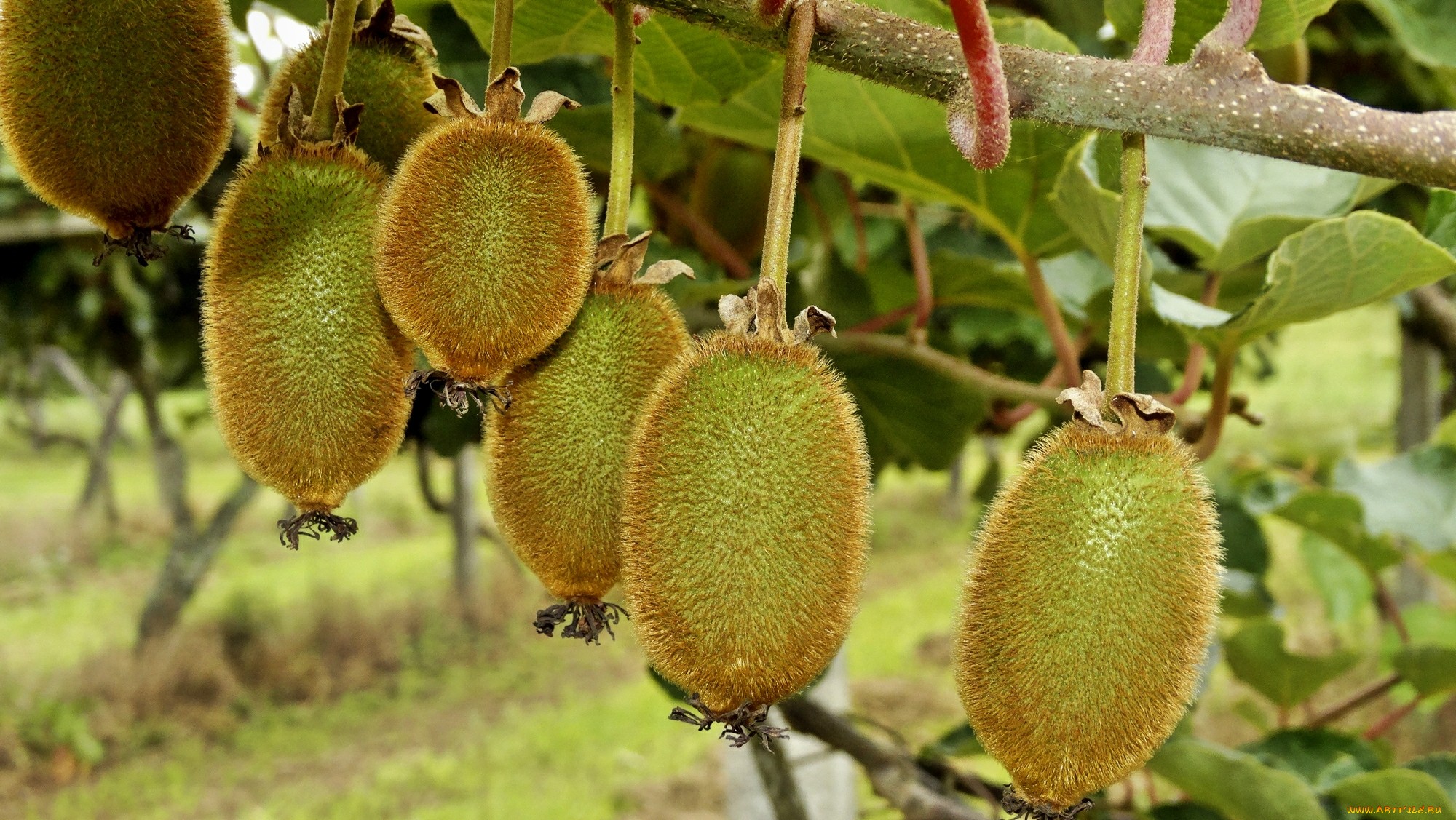
Motueka orchardist Richard Horrell may not run his packhouse this summer after most of his kiwifruit and apple crops were destroyed in last Friday's intense storm. Horrell was with his accountant when the storm hit. He came home to find 30mm of hail at his back doorstep. While he is insured, claims he made after hail last year meant his possible cheque would be reduced. "The loss of potential earnings is quite high." Horrell had 13 hectares of apple and kiwifruit orchard and a further 13ha of grapes across land in Lower Moutere/Motueka. Five of his six blocks of apples were badly hit, all his green and gold G16A kiwifruit have been written off, along with one of his Gold G3 blocks, he said. Hail stones up to 20mm cross had completely stripped his green kiwifruit vines. "We will salvage what we can. But it will be about a month before we know the extent of the damage," Horrell said. The volume of fruit salvaged would decide if Horrell ran his packhouse at the end of the season. "If we don't it will mean a loss of jobs. But the district is short of packing capacity, however if our volume is low it will not cover the fixed costs." It was the second year Horrell had been hit by hail. He had rot in his grapes last year as well. "We are becoming a bit blase about disaster - which is not good. But all in all it has not been a good episode." General manager of Riwaka's Fry Rod Ltd, Jared Fry, said around five hectares of its Peach Island kiwifruit block were destroyed in the first hail storm earlier this month. The hail had broken off young canes and stripped leaves. Fry said the company's orchards had been hit hard by hail in 2014 and "tickled" last year. "Mother Nature is a hard mistress," he said. Riwaka kiwifruit grower and NZ Kiwifruit Growers South Island representative, Paul Thomas, said the hail caused isolated pockets of damage across the region. Damage to fruit already set meant reduced volumes. "There has also been a lot of cane damage, which potentially affects next year's crop as well." Source - www.stuff.co.nz/

20.10.2016

Spain - Climate change already affecting citrus, grapes and almonds

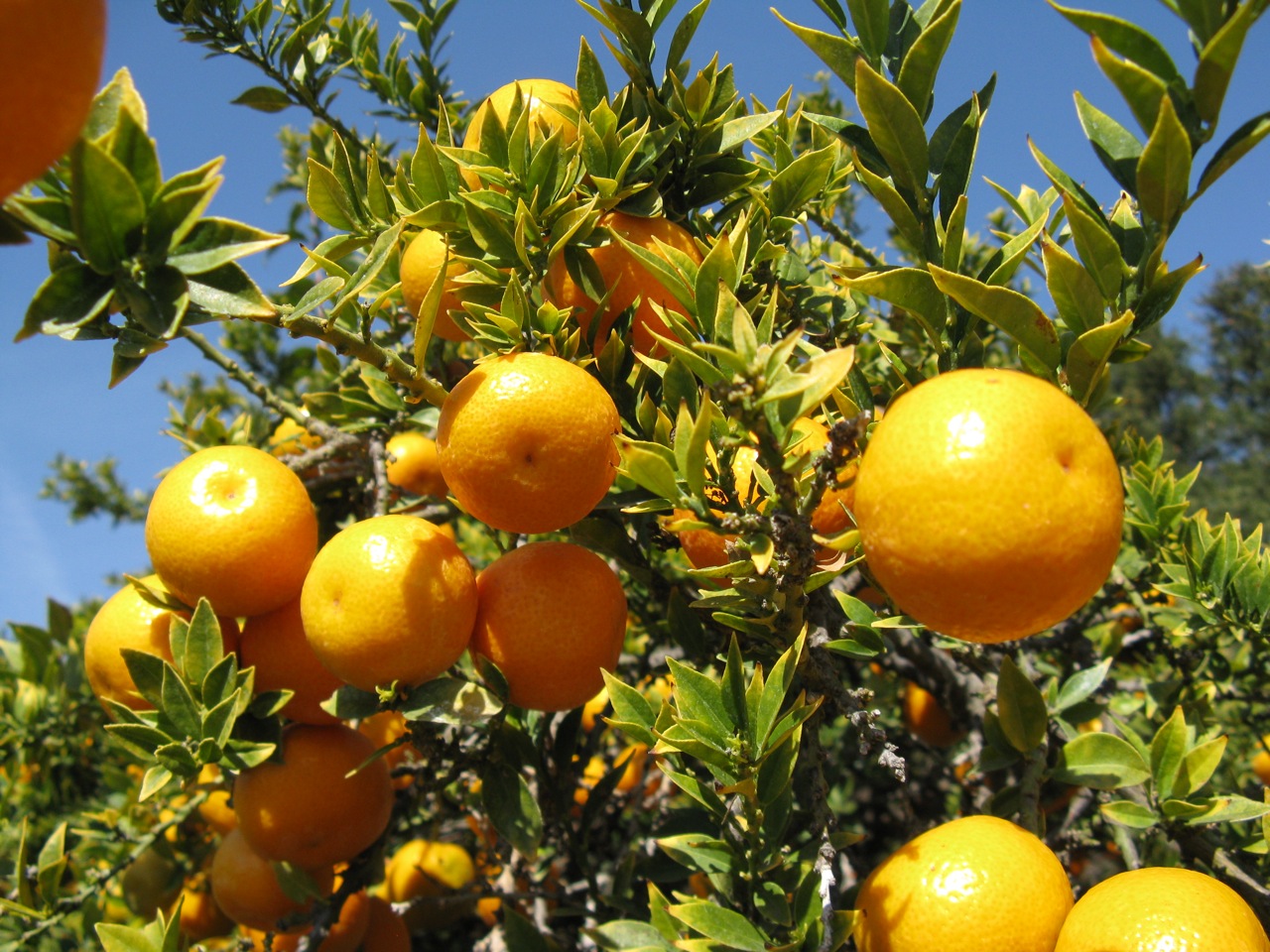
It may seem that climate change is still far away, affecting just the ice at the poles, but it's already here and its impact is to be seen in our daily lives. Products such as Valencia's oranges, for instance, are suffering from the impact of drought. "This year, the production costs of oranges have increased by between 8 and 10%," explains Cristóbal Aguado, president of AVA-ASAJA. The shortage of water causes citrus fruits to be smaller, resulting in many not even being harvested. Moreover, it will become increasingly rare to see almond trees in bloom in Spain. The heat is reducing the almond production and prices will rise. We will also see grapes disappearing from south to north. In 50 years, if nothing changes, our Designations of Origin will lose its relevance. "The acreage and production volume will decrease in the Mediterranean and Central Europe," affirms Felipe Fernández, Professor of geography and physics at the Autonomous University of Madrid. All this would force us to change our consumption habits, although we still have time to stop climate change if we take action to reduce our CO2 emissions. Source - http://www.freshplaza.com

20.10.2016

Argentina - Fruit flies affect 20% of the citrus from the NEA

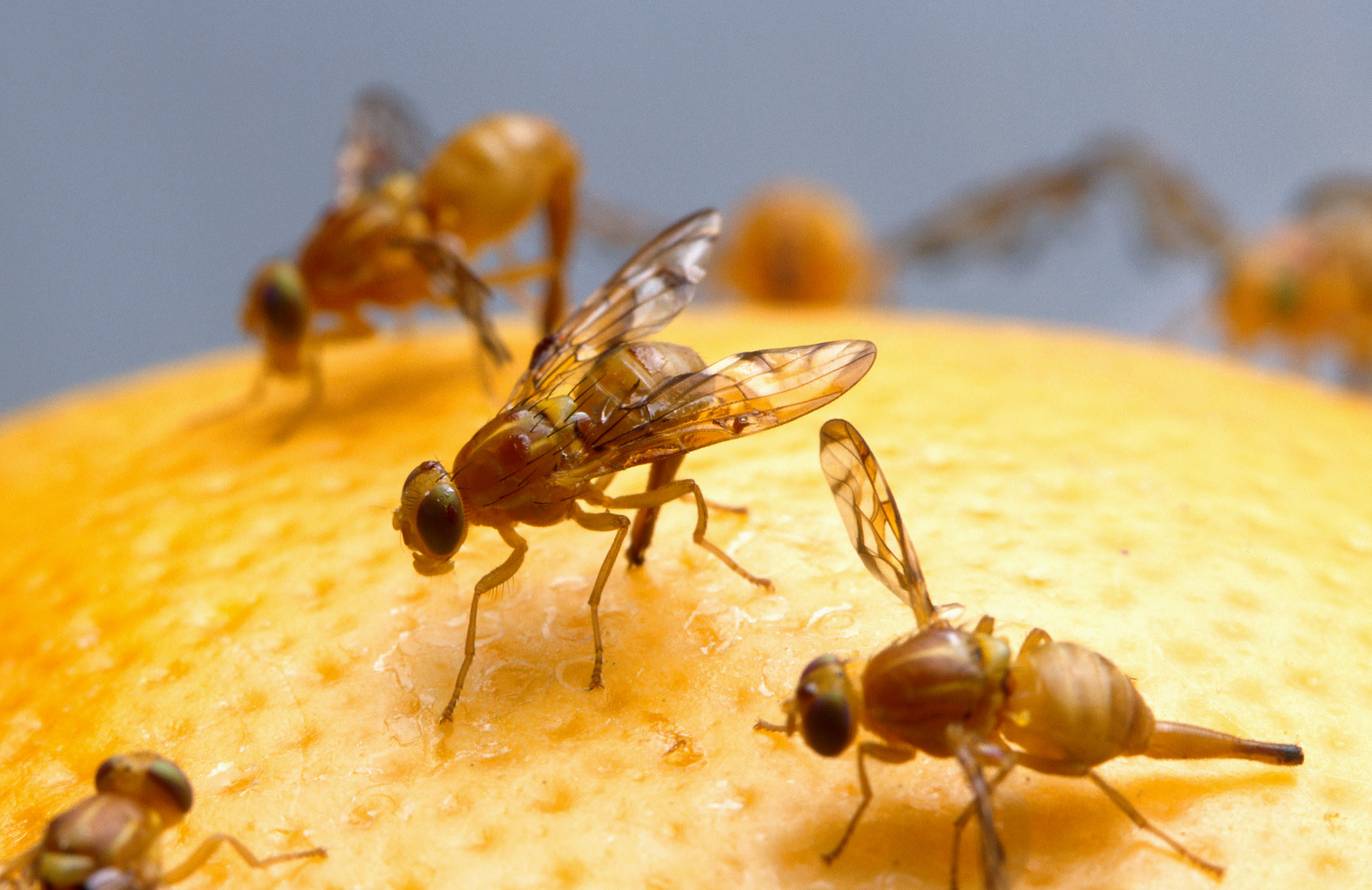
The National Health and Agricultural Food Quality Service (Senasa) and the Ministry of Agricultural Industry, will host the 9th, Western Hemisphere's, Meeting of the Fruit Flies Working Group, a plague that has decreased fruit production by 20% in the citrus region of northeastern Argentina. "The fruit fly is a pest that causes direct damage in fruit production because the flies lay their eggs in the fruit and the larvae born there feed directly on the fruit," said the Director of Plant Health of Senasa, Wilda Ramirez. "Effective control of this plague is achieved through national plans that, in the NEA, aim at reducing that 20% and at protecting the areas that are free of the presence of the fly so that they remain that way," said Ramirez. "This work involves everybody. The producers and the consumers, because people must understand the risks of moving infected fruits across the Patagonian limits - a region that is free of the plague - as it could put at risk all of the economies of those provinces," he added. The meeting will be held on Monday, October 17th, and continue until the following Friday, at the Buenos Aires Auditorium in Buenos Aires. In it, the participants will discuss the issues that the plague has caused at the continental level. There are two species of fruit fly in Argentina, the American and the Mediterranean fruit flies. Their habitat extends over the entire national territory, except Patagonia, because its climate does not allow the insect to develop. The meeting will be attended by 250 to 300 scientists, researchers, specialists in the management of fruit flies, representatives of national plant protection agencies (ONPF), and representatives of industries from different countries in the continent that will share their latest discoveries, identify needs, and promote new technologies to combat this pest. "All the countries of America have control programs for the fruit fly. Its presence complicates marketing these products. That's why one of the major topics at the meeting will be quarantine and the post-harvest treatments to which the fruits are subjected," said the Director of Plant Health at Senasa, Wilda Ramirez. Source - http://www.freshplaza.com

20.10.2016

Spain - Murcia's vegetable production to fall by 40%, due to drought

Exporters and cooperative organizations have warned that drought is taking a toll on the planting this season, and as a result, the harvest volume expected for early 2017 will be reduced. Fecoam has estimated this drop at 40 percent. Santiago Martínez, president of Fecoam, which brings together 86 cooperatives and 22,000 members, said that final data on the losses in sales to foreign markets will be available between February and March. Meanwhile, the president of Proexport, Juan Marín, has stressed that the lack of the necessary irrigation resources since the summer has caused a decline in the production volume and, above all, in the quality of the fruit, which fails to meet the minimum requirements of international chains. Therefore, he explained that the production is moving to neighbouring provinces, where the weather is not as benign, but where they have the necessary water resources, although he lamented how the workforce is affected by this change, making it necessary for labourers to move or for new ones to be hired at origin. For his part, Francisco López, president of Fecamur, which has 30 cooperatives and 5,000 members, defended the need to promote the arrival of water from other river basins, and to minimise the use of desalination plants, because of their high cost, reminding us also that Murcian agriculture creates thousands of direct and indirect jobs. Source - http://www.freshplaza.com

20.10.2016

Chile - Up to 30% losses in cherry production due to heavy rainfall

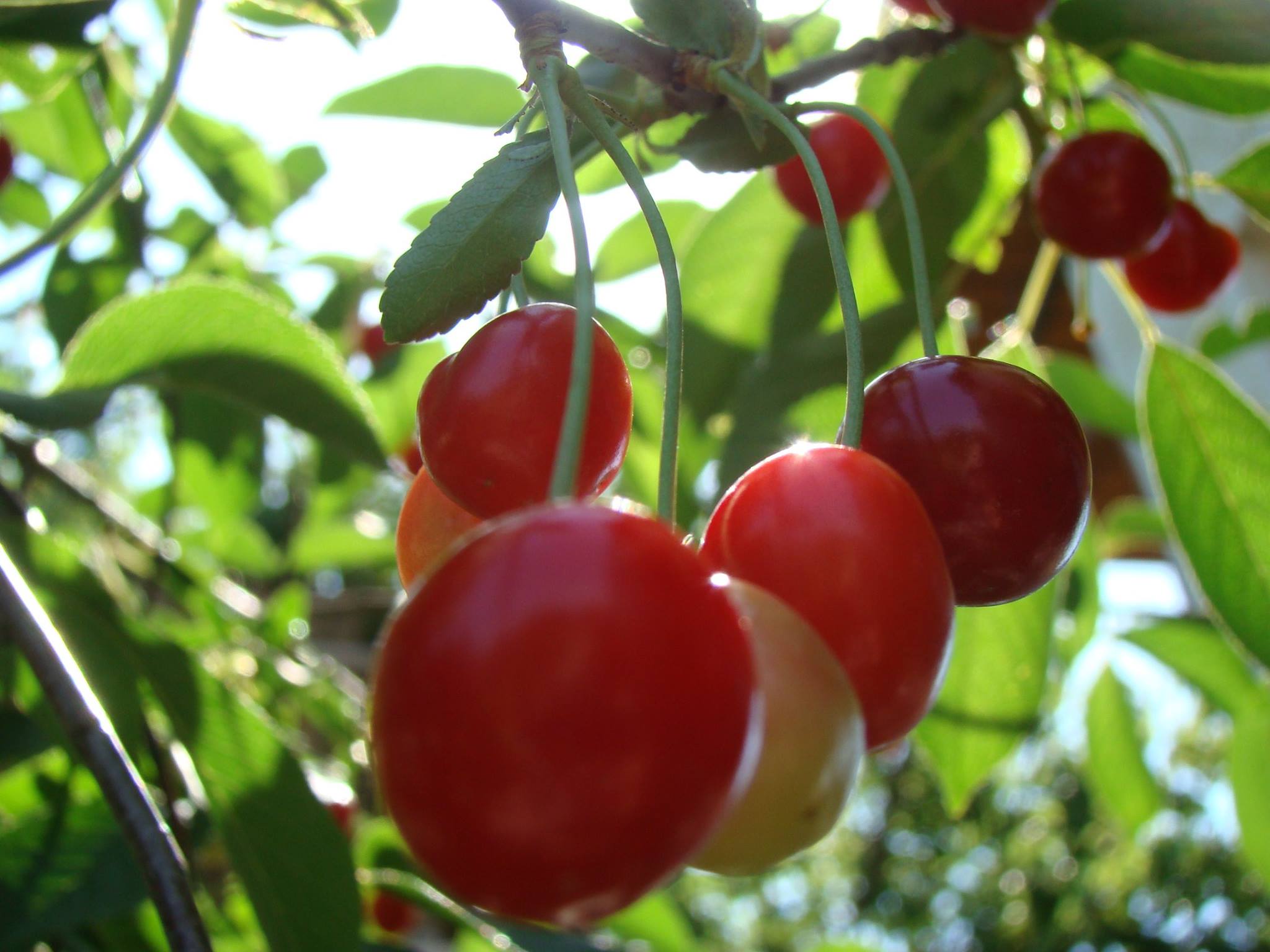
Last weekend, heavy rains were recorded in Chile, which affected cherry producing areas such as Curicó and the metropolitan region. These downpours could result in the loss of 30% of the production in the Seventh Region (Curicó and surroundings) and approximately 20% in the Sixth Region (Metropolitan Area). The problem would primarily affect the early varieties, such as the Royal Dawn and Brooks. Losses with or without rain protection Rodrigo Sánchez, of Agrícola Lo Garces, one of the leading producers of cherries in the area, spoke about the situation. "The rains started on Saturday and lasted until Sunday morning. The Seventh Region is the one with the most severe losses, because it rained up to 50ml, and in the Sixth Region they had 20ml. The consequence is that all early varieties are affected to some degree, as cherries are damaged causing the fruit to burst. Even though most crops are protected from rain, losses could not be avoided." Reduced supply, but the same quality  The forecast for the coming few weeks is that no more rains of such intensity are expected. But if to the current situation we add the impact of the frost recorded a couple of months ago, which caused great damage, the supply will definitely be lower than expected, while demand should remain stable. This imbalance in the market may have a positive impact on prices, which will likely be higher than last year, mainly in the Far East, which is the main market for early varieties. Of the total exports, these damaged varieties account for about 15%. The varieties arriving later, which account for a much greater share of the exports, would not be affected. "We'll start harvesting in about 15 days and we'll continue until mid-January. Despite the lower supply, the fruit quality will not be affected. Fortunately, the current technology is efficient enough to remove the damaged fruit from the packaging lines, so that the packed cherries will have the same quality as usual," stresses Rodrigo. Andres Ruiz, Marketing Manager at Copefruit S.A. reported on social media that rain and hail fell again yesterday afternoon. "Every year there is some damage which affects the potential harvest." Source - http://www.freshplaza.com

20.10.2016

India - Drought in 4th straight year saw huge cut in productivity

Farmers across the state have made insuranceclaims worth Rs 862 crore against the crop losses suffered during the rabi season that ended in March this year. Severe drought last year damaged large tracts of crops. This payout will be the highest since 1999. Officials said the number, though the highest in so many years, is just the tip of the iceberg of losses as the indemnity level for the scheme was 60%, which means farmers who incur losses in more than 60% of the area will only be paid up to 60%. A small section of farmers was not covered under the scheme, so their losses will be unaccounted for.The amount of claims should only be treated as an indicator of the severity of distress the agriculture sector is in due to drought, said the official. Farmers across Maharashtra have made insurance claims worth Rs 862 crore against crop losses suffered during the rabi season. This payout will be the highest since 1999. The insurance payout for the kharif season in 2015-16 of Rs 4,208 crore was the highest since 1999. For the rabi season of 2015 16, a total of 34.26 lakh farmers had opted for insurance of crops on a total area of 25.25 lakh hectares, insuring crops worth Rs 2,858 crore. However, total claims worth Rs 862 crore have been approved by the centrally appointed agricul tural insurance company. Rs 400 crore each will be shared by the state and the Central government towards the payout, while Rs 62 crore is the premium paid by the farmers. The National Agriculture Insurance Scheme (NAIS) is a Central scheme under which premium is fixed depending on the crop that is being insured. Only a small percentage of the total premium is paid by the farmer; the remaining is pooled in by the state and the Centre. "The claims against losses for the last season were exceptionally high as the agriculture sector was going through a low period due to the fourth consecutive year of drought," said a senior official. Due to the severe drought situation in the state, there has been a reduction in both the area under cultivation during the rabi season and agricultural productivity. A total of 62.44 lakh hectares were available for cultivation this year. But data made available by the agriculture department shows only 77.49% of the total land was cultivated during the rabi season. Overall production of all crops came down by 17%, while per hectare productivity reduced by 25%. In 2015-16, almost 70% of the state was drought-affected, which includes over 28,000 villages and 90 lakh of the 1.36 crore farmers in the state. Source - http://timesofindia.indiatimes.com

20.10.2016

Argentina on alert due to severe storms and hail

The national weather service issued a weather warning as, in the short term, there could be storms with strong gusts of wind and occasional hail storms that could affect several provincial towns. In Cordoba, it could affect the towns of General Roca and Presidente Roque S. Peña. In Buenos Aires, it would affect the cities of 25 de Mayo, 9 de Julio, Bolivar, Carlos Casares, Carlos Tejedor, Florentino Ameghino, Gral. Pinto, Gral. Villegas, Lincoln, Pehuajó, Rivadavia, and Trenque Lauquen. In La Pampa, the storm could affect Chapaleufú, Conhelo, Muraco, Parera, Realicó, and Trenel. Additionally, the National Weather Service issued a warning for the provinces of Neuquén, Mendoza and San Juan, of strong, gusting winds in the mountainous areas. They stated that that area would be affected by winds and gusts coming from the West at speeds that range between 70 and 110 kilometers per hour." In addition, they stated, "the storm will be accompanied by snow and there is the possibility of white winds in the high mountains of Mendoza and San Juan." There will also be strong storms that could affect crops in the North, Centre, and South-East of the province of Buenos Aires, in Cordoba, in the South of Entre Rios, in the Centre and East of La Pampa, the South of Santa Fe, in San Luis, in the autonomous city of Buenos Aires, and in Río de la Plata. The Agency said that some of the storms could have a strong intensity,  with an abundant amount of water falling in short periods, gusts, hail, and strong electrical activity. Source - http://www.freshplaza.com

19.10.2016

Philippine agri production loss from typhoon Sarika hits 61.86 mln USD

The Philippines has incurred huge losses in the agriculture sector amounting to almost 3 billion pesos (61.86 million US dollars) due to typhoon Sarika, locally named as Karen, a senior government official said Tuesday. Latest report from the field showed that the total production loss in agriculture due to Sarika was already estimated to reach 2.972 billion pesos, according to Christopher V. Morales, an official in the Agriculture Department. "A total of 260,002 hectares of agricultural areas, with an estimated production loss of 215,716 metric tons and a total of 86,261 farmers were affected in CAR (Cordillera Administrative Region) and Regions I, III, IV-A and V," Morales said in a memorandum to Agriculture Secretary Emmanuel Pinol. The products affected were rice, corn and vegetables including livestock. Sarika left the Philippines Monday morning after it made a landfall in the northern province of Aurora. The Department of Agriculture is now monitoring typhoon Haima, locally named as Lawin, which is expected to make a landfall over northern province of Cagayan by early Thursday morning. Source - http://www.globaltimes.cn

19.10.2016

Canada - Farmers Still Hoping to Combine Canola

About 20 per cent of the Saskatchewan crop remains to be combined, but every field is different. Some are snow covered while others have no snow, but are very wet. There have been plenty of discussions locally (at elevators and coffee shops) and on social media (Twitter, Facebook) about what to do---if and when conditions improve. The Canola Council of Canada's agronomy specialist for east-central Saskatchewan, Warren Ward says many topics are being discussed. "At what moisture would they be willing to combine and what are some of the different management strategies they would use once they had harvested some of those tough crops. Everyone is going to have a different perspective and different equipment available to them, but I think having someone else to bounce those ideas off of is always a learning experience people can benefit from." Ward says a small area of standing canola in his region was combined prior to the latest rain this past weekend. (Oct 15-16) "I did hear the odd report of somebody trying or thinking of trying some standing canola that was anywhere between 11 and 12 per cent moisture content. At this stage in the game at those moisture contents, I think that if a person is able to get at it, they would be probably be taking it off of the field." Ward adds that growers harvesting at a high moisture content should have a management plan for the canola after it goes in the bin. Source - http://www.saskatoonhomepage.ca

19.10.2016

Nigeria - Climate change threatens government’s diversification agenda

The United Nation’s Environment Ecosystem Based Adaptation for Food Security Assembly (EBAFOSA) has warned that climate change may be a threat to the Federal Government’s diversification effort into agriculture. ‎ According to EBAFOSA, Climate Change is likely to drive majority of the population into destitution as assets are lost and resources diverted to deal with emergencies, instead of being used for physical, social and economic infrastructure development. The National President of EBAFOSA in Nigeria, James Oyesola, at a briefing on this year’s World Food Day, recently, said the ‎frequency and intensity of extreme events, heat waves, droughts and floods are likely to increase, leading to reduced yield levels and disruptions in food production and distribution channels. He noted that the theme for the 2016 World Food Day, “Climate is changing. Food and Agriculture must too”, is very unique and timely taking into cognisance that one of the biggest issues related to climate change is food security vis a vis agriculture. “Temperature rise and changes in timing magnitude, and distribution of precipitation are likely to increase moisture and heat stress on crops and livestock which will make agricultural practices unpredictable,” he said. Oyesola said agriculture is the most vulnerable to Climate Change, more as it is dominated by small scale farmers who rely on rain-feed agriculture, due to widespread of poverty and low levels of technical development. He explained that there are considerable evidences that climate change is already affecting people in Nigeria and its environment, thereby creating strong negative impact, as some areas are becoming too hot for certain crops or animals, while it rains little or too much in some to foster farming, leading to the outbreak of climate sensitive diseases. “All these are serious indications which may serve as a disincentives for farmers who could produce more food, potentially contributing to even lower food production and a threat to food security. There will be reduction and loss of income (poverty), loss of crops and livestock’s, high prices of food and other commodities which may lead to civil strife. There may also be intensification of migration out of agriculture, increased morbidity and mortality of human and livestock, loss of biodiversity, decline in the rate of economic growth (also increase in imports), loss of traditional export markets,” he warned. The UNEP-EBAFOSA President however said the way out is to develop ‎the ecologically sustainable and resilient food production by increasing the proportion of agriculture that uses sustainable, organic methods of farming. He said: “For us to be in tandem with this year World Food Day theme, our Intended Nationally Determined Contributions and Sustainable Development Goals”, major investments are needed to ensure that vulnerable farmers in Nigeria have the tools to build their resilience, adapt and contribute to food security. There should also be new public investment in agriculture with emphasis on agro-ecological based approaches (EbA); it is also important to foster people – centred resilience in order to help vulnerable small scale farmers achieve food security. Finally, vulnerable farmers who are particularly women and small-scale farmers should be treated as key partners in the struggle against climate change.‎” Source - http://guardian.ng

834
of 1225