NEWS
881
of 1225
News
16.03.2016

Indonesia threatened by fire in March-April

In some provinces declared a state of emergency Indonesia expects drier than normal weather in several regions prone to fires and haze in the West and in the centre of Indonesia in March and April, said Monday the state meteoagentstvo (BMKG), drawing attention to the recent increase in fires. The region every dry season suffers from the so-called haze caused by smoldering fires, often deliberately organized to clear the land for plantations of palm oil on the Islands of Sumatra and Borneo. The fires were particularly severe in 2015 due to prolonged dry season caused by climate model El niño. The smoke from them has covered neighbouring Singapore and Malaysia for many weeks and has shifted far to the North, reaching the Thai capital, Bangkok. In October, senior government officials tried to clear themselves of accusations of fires and dangerous smog that cost the country about $16 billion, saying that not BMKG predicted the severity of the weather phenomenon El niño. In the province of Rio on Central and East coast of Sumatra in March and April, the probability of low rainfall, so the potential for occurrence of fires is very high, according to BMKG, East Kalimantan (East Borneo) also needs to be ready for wildfires. Last week the Governor of Rio has declared a state of emergency, trying to prevent the recurrence of haze 2015. Representatives of the weather Bureau reported a 50 per cent probability of the influence of meteorological maps of La niña in Indonesia in the fourth quarter of this year, which can cause wetter than normal "dry" season and a stronger rainy season. Usually raw materials that deteriorate during the wet dry season, is sugar and tobacco, said the management of BMKG. Indonesia coffee, cocoa and oil palm crop La niña is unlikely to have a major impact, more humid dry season brings advantages for rice production. In 2010, the sugar production in Indonesia fell by about a third due to La niña. Source - agro2b.ru
16.03.2016

India - Financial aid for farmers affected by rains

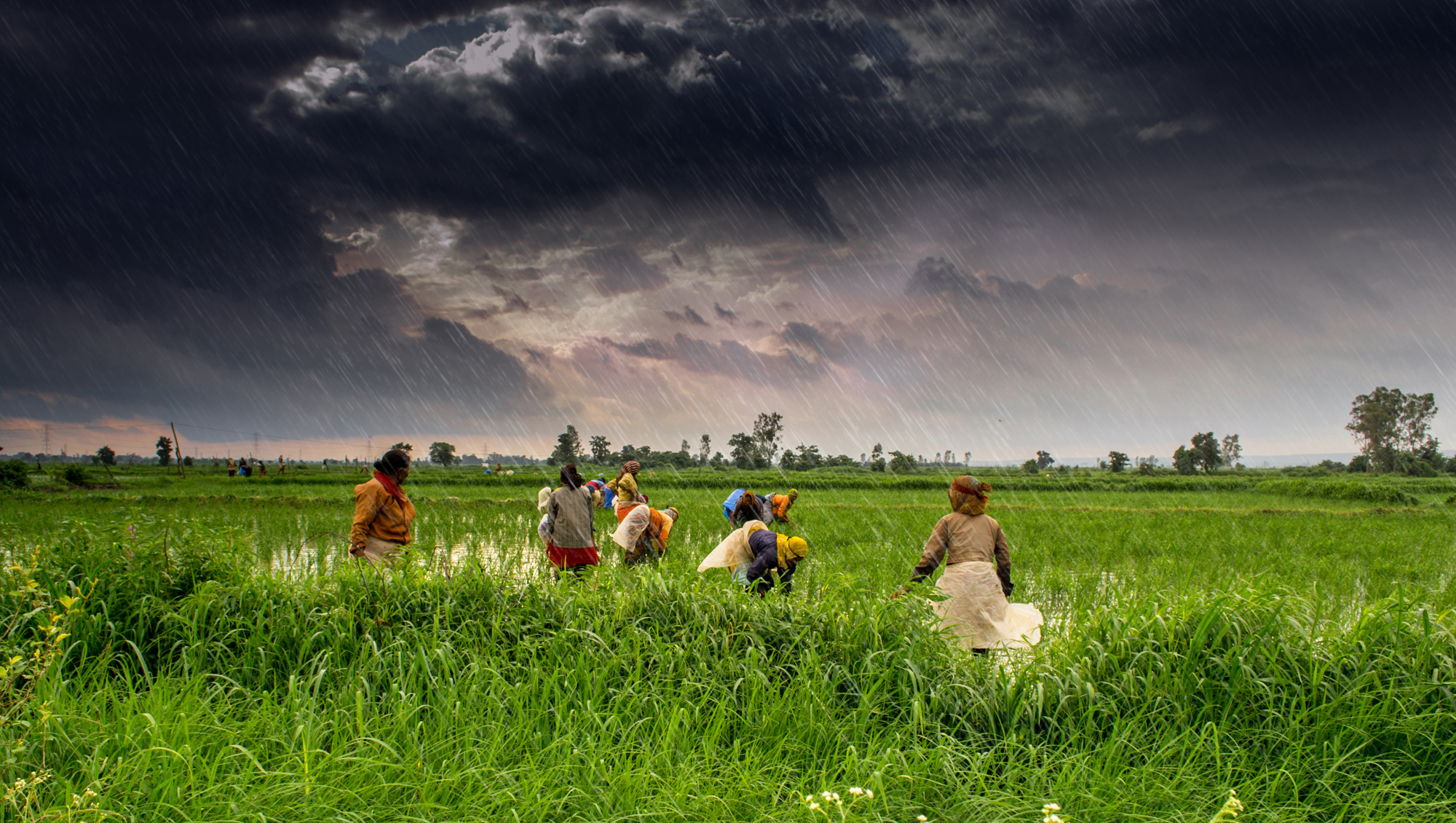
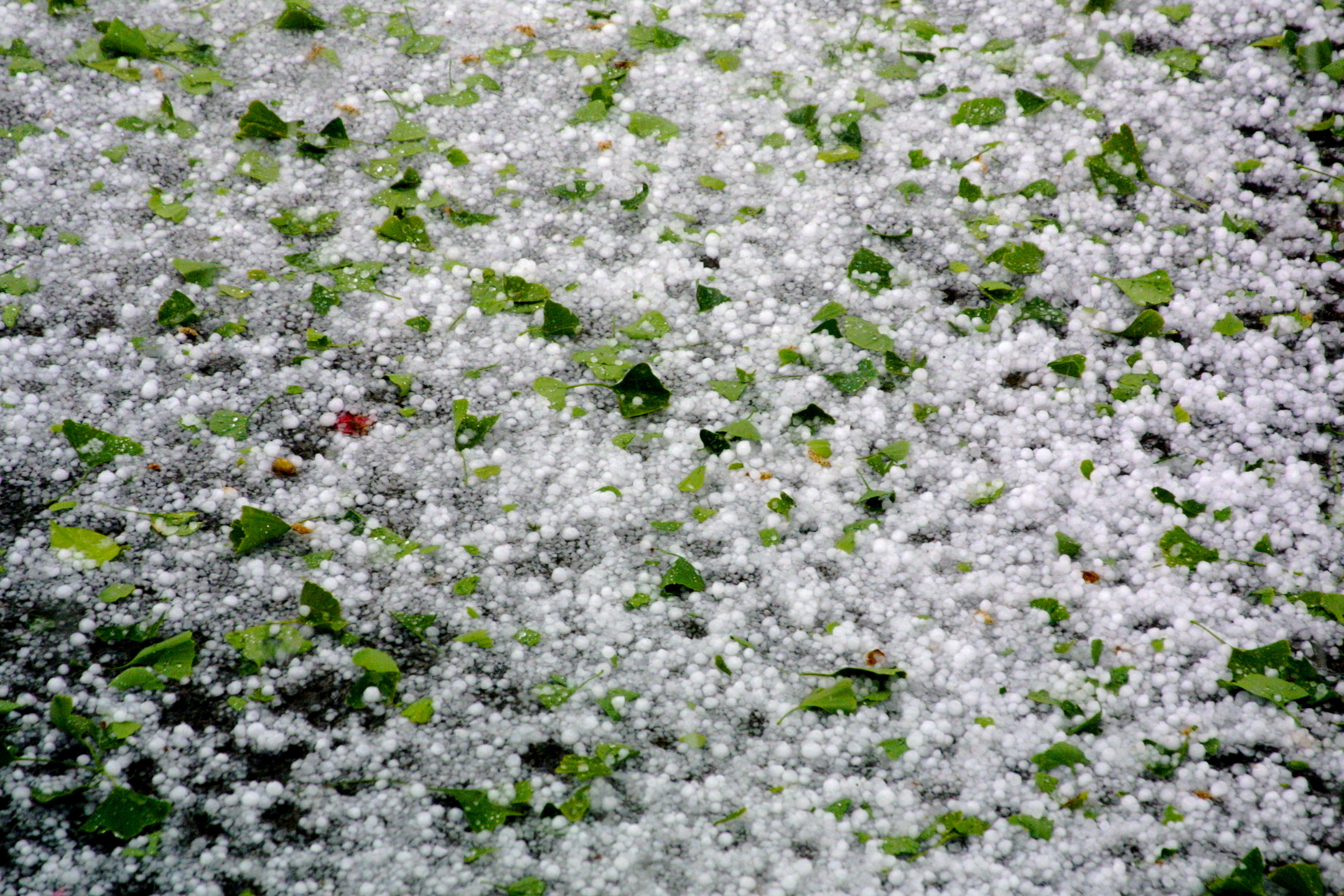
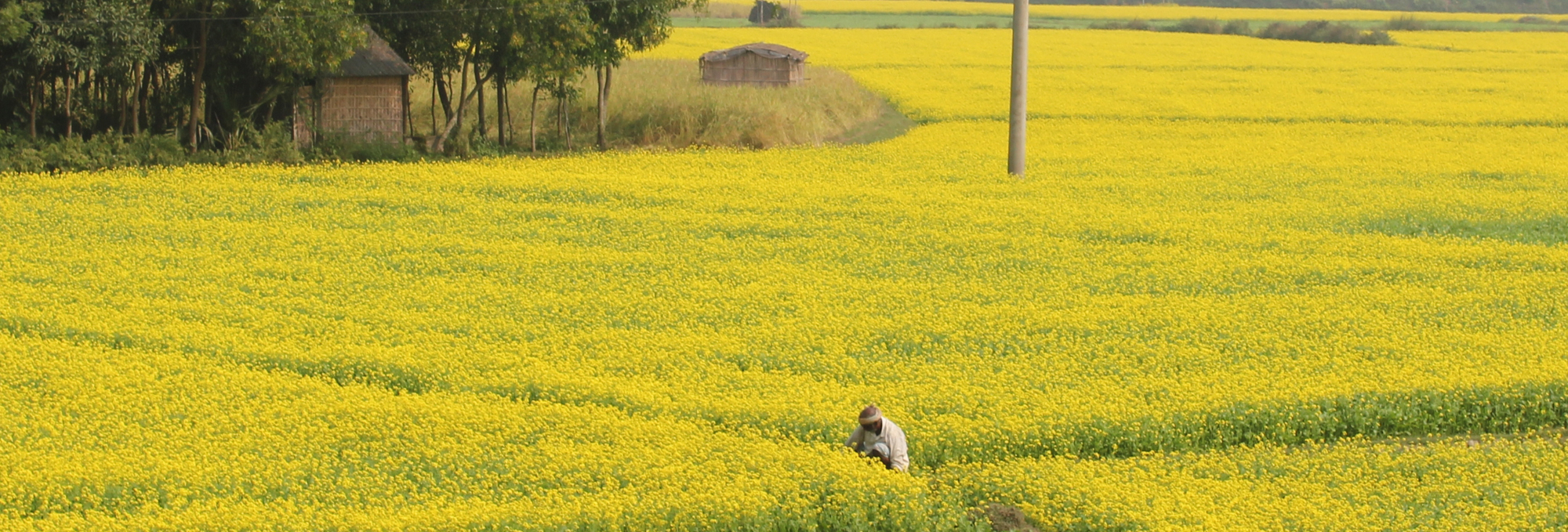
On Monday 14 March, the Centre assured farmers that it would provide financial support to all those affected by the unseasonal rains and hailstorms which damaged winter crops like mustard and coriander. The assurance came from agriculture minister Radha Mohan Singh who told the Lok Sabha that a central team would visit the affected states and he had already spoken to agriculture ministers of Madhya Pradesh, Uttar Pradesh, Rajasthan and Punjab. Singh said all necessary help would be extended from the National Disaster Relief Fund (NDRF) after assessing the extent of damage in different areas. Besides these four states, farmers in Delhi and Haryana were also affected by the rains and hailstorm over the weekend, which flattened wheat, mustard and coriander crops. As many as 264 villages have been severely affected in Madhya Pradesh alone. Farmers in Maharashtra too felt the impact as the mango crop was affected in certain parts of the state due to rains in the previous week. The current spell of rains will, however, be beneficial for late-sown crops, if there is no wind or hailstorm in the coming weeks. Though arriving at any actual figure on the extent of crop loss is difficult at this juncture, agriculture ministry officials, on the basis of the preliminary findings, believe that the impact of rains and hailstorm is less than last year when as many as 15 states were affected due to rains for a longer period during the middle of the harvest season. Source - freshplaza.com

16.03.2016

Kenya - New Insurance Program to Leverage Satellites in Compensating Pastoralists

The Government of Kenya's newly launched Kenya National Agricultural Insurance Program will seek to leverage satellite technology in compensating pastoralists. The program, which is designed as a partnership between the government and the private sector, was developed with assistance from the World Bank Group and builds on the experience of similar programs in Mexico, India, and China. One program line will focus on livestock insurance, while another will focus on maize and wheat insurance. For livestock, drought represents the single greatest cause of livestock mortality in the Northern Arid and Semi-Arid Lands. Through the new Kenya Livestock Insurance Program (KLIP), the government will purchase drought insurance from private insurance companies on behalf of vulnerable pastoralists. Satellite data is used to estimate the availability of pasture on the ground and triggers payouts to pastoralists when availability falls. KLIP was introduced in October 2015 for 5,000 pastoralists in Turkana and Wajir and is envisaged to be scaled across the region by 2017. "The large majority of the poor in Kenya are farmers, so this program has the potential to have a significant impact on Kenya's economic development. This program aims at improving farmers' financial resilience to these shocks and will enable them to adopt improved production processes to help break the poverty cycle of low investment and low returns," says Diarietou Gaye, World Bank Country Director for Kenya. For maize and wheat, production shocks such as droughts and diseases pose similar challenges to producers. These risks also diminish banks' appetites to lend to farmers to improve their farming technology and productivity. The Kenya Agricultural Insurance and Risk Management Program, addresses these challenges through an "area yield" approach. The program is starting up in Bungoma, Embu, and Nakuru this month and plans to reach 33 counties by 2020. "This partnership between government and the private sector for the benefit of vulnerable farmers builds on international good practice and is innovative," says Olivier Mahul, Program Manager of the Disaster Risk Financing and Insurance Program at the World Bank. "The program introduces a state-of-the-art method of collecting crop yield data, using statistical sampling methods, GPS-tracking devices, and mobile phones. This offers the promise of greater accuracy and transparency. This program could pave the way for other large scale agricultural insurance programs in Africa." This program will also help the Government of Kenya reduce the financial burden of natural disasters, by enabling better financial protection for the most vulnerable. The technical assistance provided by the World Bank Group has been led by the Disaster Risk Financing and Insurance Program (DRFIP), with funding from the Netherlands Ministry of Foreign Affairs and the United States Agency for International Development, and the Global Index Insurance Facility (GIIF), a multi-donor trust fund managed by the World Bank Group, with funding from the European Union, Japan and The Netherlands. Source - allafrica.com

16.03.2016

USA - Insurance Basics: The Risk Pool

All insurance, from auto to life, health, and crop insurance, works best when it expands the number of people it covers. That’s because the broader the participation, the more widely risk can be spread. And by spreading the chance of loss among a diverse group of insureds, premiums become more affordable for everyone involved. This concept is known as the “risk pool.” Think of it like this: Car insurance would not work if only a handful of drivers participated – especially if those drivers were accident-prone or heavily ticketed. Insurance companies would be hesitant to offer coverage and premiums would be astronomically high. A deep bench of experienced drivers with safe driving records is needed in the risk pool to balance out the equation and help offset losses. The same can be said for health insurance. Why else do you think there was so much discussion on enrolling young, healthy people during the Affordable Care Act debate? Crop insurance is no different, except crop insurance is about acres covered, not the number of farmers participating. If 1,000 acres is farmed by one farmer or three smaller operations is of little to no consequence. Getting the 1,000 acres covered is the key to expanding the size of the risk pool. Widening the risk pool is so important that many forms of insurance encourage participation through incentives or mandates. If you have a mortgage, for example, you are obligated to carry insurance. State laws require auto coverage. Health insurance is aided when employers and the government help cover a portion of the premium. In the case of crop insurance, these incentives didn’t always exist. As a result, coverage was expensive, policies were unavailable for many crops, and few people were insured. And when disaster struck, farmers looked to Congress to help them rebound through expensive, unbudgeted disaster legislation. In fact, in the early 1990s, less than 30% of farm acreage was insured and farmers were vulnerable to risk. Having been stung by $70 billion worth of disaster bills since 1989, lawmakers needed to find a way to boost crop insurance participation. Congress expanded the size of the risk pool through a three-pronged strategy. First, it said crop insurance must be available to all – farmers couldn’t be excluded because they grew canola instead of corn or because they farmed in California instead of Connecticut. Then, the government invested in the development of new policies for crops, regions, and farmers that were traditionally underserved. Finally, it incentivized participation by discounting farmers’ premiums. And the results speak for themselves. Today, 90% of acres are covered, taxpayer-funded bailout packages are a thing of the past, and farmers get assistance quickly when they need it thanks to private-sector efficiency. Yet, despite these advances in modern risk management, some of agriculture’s political opponents have demanded that these investments be unraveled and that we return to the old inefficient and expensive model. These farm policy critics want to exclude farmers with large operations from the system and cap benefits for all growers. Doing so would remove large swaths of acres from the risk pool, alienate experienced farmers with lower risk profiles, and ultimately make it harder for smaller, beginning farmers to get insurance coverage. Just like removing all the safe drivers from auto insurance, that would be a wreck for everyone involved – including taxpayers. Source - cropinsuranceinamerica.org

15.03.2016

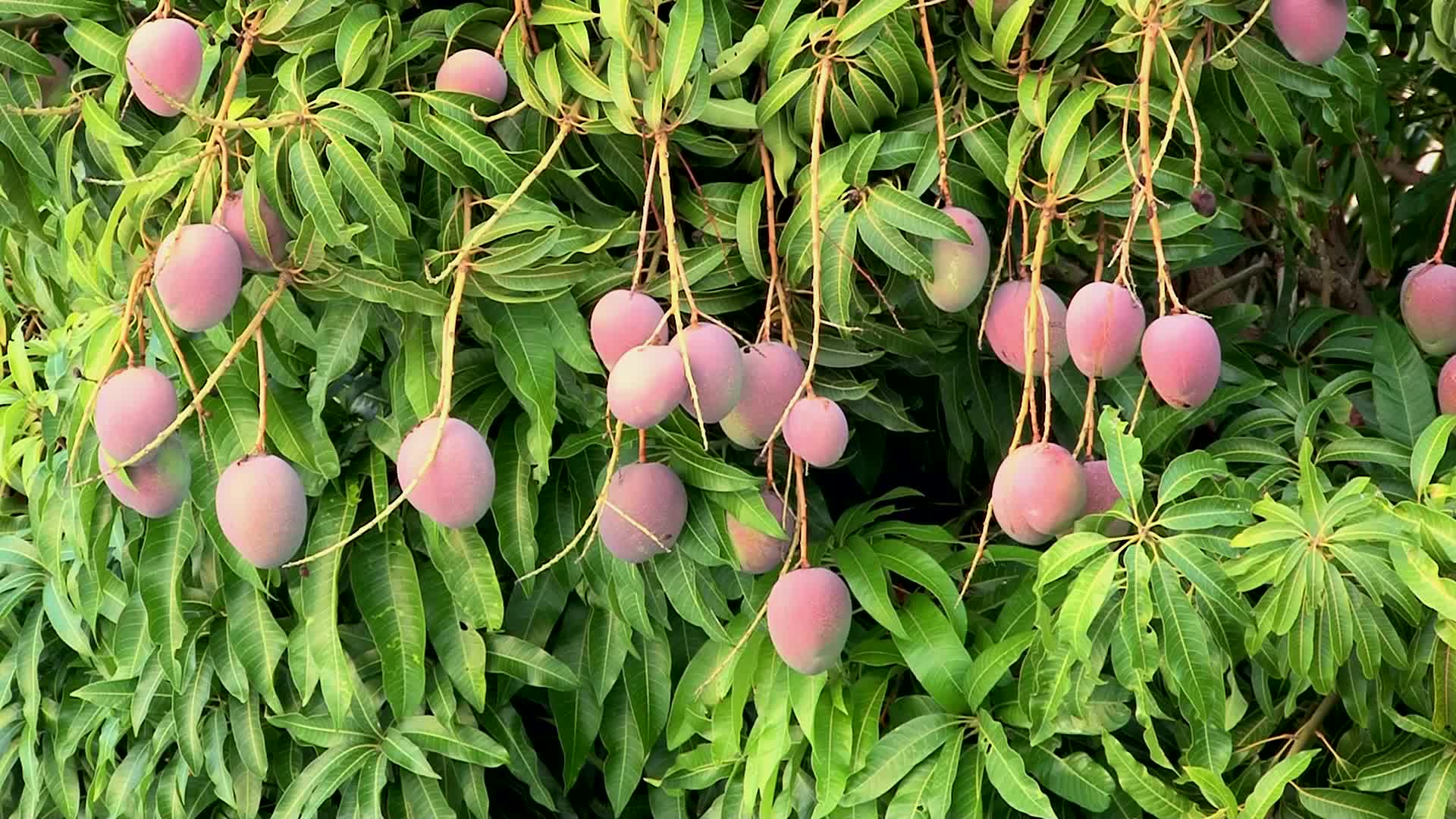
India - Rainfall reduces mango output 10-15%

Recent thunderstorms and unseasonal rainfall in India has caused an expected 10-15% decline of the mango crop. Although mango bulbs and flowers were damaged by the adverse weather, the damage is not so extensive as to send prices soaring. The Indian Meteorological Department (IMD) forecast says the rain and thunderstorms will likely continue for a couple of days more which may damage mango flowers further. Data compiled by the National Horticulture Board (NHB) in its First Advanced Estimate forecast India’s mango output at 19.52 million tonnes in the crop year 2015-16 as compared to 18.52 million tonnes in the previous year. NHB forecasts India’s acreage under mango at 2.2 million hectares this year compared to 2.1 million hectares last year. Mango farmers had been enthusiastic about estimates of additional income on higher output estimates this year following favourable climatic conditions. Barring sporadic crop damage, especially in Ratnagiri district of Maharashtra, the hub of the ‘Alphonso’ variety, due to a cold wave, the climate was supportive this year. But the lower output estimates mean that there may not be a windfall in income for growers. Prasad Jadhav, a mango farmer in Ratnagiri district of Maharasthra, is worried about a decline in his income from the last few years, but concedes that he does not expect any drastic change in his fortunes this year despite lower mango output in Ratnagiri, the hub of ‘Alphonso’ mango in Mahrashtra. “The season started with a base price of Rs 1000-1200 a dozen early this week, almost similar to last year,” said Jadhav. “As the season goes ahead, the price of ‘Alphonso’ mango may decline when other varieties hit the markets from remote Maharasthra and Gujarat followed by Madhya Pradesh, South Indian states and Uttar Pradesh,” he pointed out. Ali, too, sees little possibility of a significant increase in mango prices this year due to stiff competition from several states. Meanwhile, Indian exporters say they have received large orders from the European Union (EU) and the United States (US) for mango, primarily of Alphonso and other popular varieties such as kesar, among others. However, orders from other destinations including the Middle East, have been tepid. As a consequence, exports may remain flat this year with only a marginal upward bias. (1 Indian Rupee= 0.015 USD) Source - reshplaza.com

15.03.2016

USA - Expanded Crop Insurance Options for Farmers Transitioning to Certified Organic Agriculture

The USDA recently announced expanded crop insurance options to allow producers to purchase insurance coverage that better reflects their product's actual value. The expanded coverage is part of the USDA's continued commitment to provide farmers with resources and tools to meet the growing demand for certified organic products. According to Agriculture Secretary Tom Vilsack, "Consumer demand for organic products continues to increase and the industry has experienced remarkable growth, representing more than $39 billion in U.S. retail sales. This growth creates opportunities for farmers and businesses across the country. Expanding the safety net for farmers wanting to enter the organic market ensures they have the tools and resources they need to meet this growing demand while protecting their operation." The change in coverage allows producers to insure transitional crops (moving from conventional to certified organic) to their contract price. Previously, producers of transitional crops were only able to insure them at the same price as a conventional producer. Producers transitioning to certified organic production can now use the Contract Price Addendum to cover their crops at a higher price than traditional crops. Crop insurance is sold and delivered solely through private crop insurance agents. A list of crop insurance agents is available at all USDA Service Centers. Source - natlawreview.com

15.03.2016

India - Govt assures quick relief to farmers affected by rains and hailstorm

With the unseasonal rain and hailstorm damaging Rabi (winter) crops - like wheat and mustard - in parts of certain states across north, central and western India, the Centre on Monday assured taking necessary actions for extending financial assistance to all affected farmers after getting ground report of crop loss in next three to four days. The assurance came from the Union agriculture minister Radha Mohan Singh who told the Lok Sabha that the central team was ready to visit the affected states. Singh said necessary help would be extended from the National Disaster Relief Fund (NDRF) after assessing the extent of damages in different areas. Besides these four states, the farmers are also affected in Delhi, Punjab and Haryana where rains and hailstorm over the weekend flattened wheat, mustard and coriander crops. As many as 264 villages have been severely affected in Madhya Pradesh alone. Farmers in Maharashtra, too, felt the impact as mango crop was affected in certain parts of the state due to rains in the previous week. The current spell of rains will, however, be beneficial for late-sown crops provided there is no wind or hailstorm in coming weeks. The minister's assurance came hours after the Congress vice-president Rahul Gandhi raised the issue in the lower house and demanded immediate action to extend relief to the affected farmers on Monday. Demanding statement from the agriculture minister on the issue, Gandhi said the Centre should hasten the provision of relief to the affected farmers and, unlike the last time, the assistance should reach them as early as possible. The agriculture ministry officials, on the basis of the preliminary findings, believe that the impact of rains and hailstorm is less than last year when as many as 15 states were affected due to rains. Unseasonal rains and hailstorm during March- April, 2015 had damaged the wheat crop significantly, resulting in 7% drop in wheat production in 2014-15 as compared to 2013-14. "The impact this year will be disastrous if the rains continue for a few more days in March," said an official. Since the new crop insurance scheme will not cover this winter crop loss, the farmers will have to depend on the new enhanced compensation package that was announced last year. Under the new enhanced compensation norms, affected farmers can avail of financial assistance if at least 33% of their crop has been damaged by hailstorms, floods, cyclones, drought, pest attacks, cold wave/frost and other notified disasters as against the earlier norms that required a minimum loss of 50%. Farmers in rain-fed areas are, under the new norms, currently eligible to claim assistance of Rs 6,800 per hectare as compared to Rs 4,500 per hectare under the old norms. Similarly, farmers in areas with assured irrigation are eligible for Rs 13,500 per hectare as against Rs 9,000 per hectare. In case of perennial (horticultural) crops, the compensation had last year been increased from Rs 12,000 to 18,000 per hectare. Source - timesofindia.indiatimes.com

15.03.2016

India - Stricter norms for new crop insurance scheme

The Pradhan Mantri Fasal Bima Yojana (PMFBY) will be stricter to insurers, states who do not adhere to its norms. Ashish Kumar Bhutani, Joint Secretary, Ministry of Agriculture & Farmers' Welfare, Government of India said that a policy of 'one season one rate' will be followed. PMFBY will have actuarial yield-based scheme with provision for upfront premium subsidy to be released to insurers. The sum insured will be same for both loanee and non-loanee farmers. Also, there would be no capping and there will be full claim amount paid against the sum insured. This scheme will also cover localised risks like inundation and post harvest losses. A detailed protocol for assessment of losses and payment of claims for post harvest losses, prevented sowing and localised risks will be followed. Speaking at an agriculture insurance seminar, Bhutani said that they will insist on use of technology like remote sensing so that fudging of data can be avoided. He added that no extensions would be allowed. "There will be strict adherence to seasonality discipline and no extensions can be allowed. If a state decides to give extensions, it will have to bear the entire cost of the subsidy," he added. The government is planning to spend Rs 5500 crore for the crop insurance scheme that was announced earlier. In his budget speech finance minister Arun Jaitley said that the farmers will pay a nominal premium for the coverage. The Pradhan Mantri Fasal Bima Yojana that has approved by the cabinet in January. Here, there will be a uniform premium of 2% to be paid by farmers for all Kharif crops and 1.5% for all Rabi crops. In case of annual commercial and horticultural crops, the premium to be paid by farmers will be only 5%. The balance premium will be paid by the government. Here, there is no upper limit on government subsidy and even if balance premium is 90%, it will be borne by the government. Insurance executives said that the Modified National Agricultural Insurance Scheme (MNAIS) had high premium rate due to which farmers could not afford it. It is anticipated that there would be clusters that would be formed of districts to implement the scheme. Senior insurance officials said that that how the clusters are classified will define how the premiums will be fixed. Source - business-standard.com/

15.03.2016

India - General insurance premiums set to increase next fiscal

General insurance premiums are likely to rise next fiscal as reinsurance rates have increased by 10 per cent in the domestic market due to rising losses from catastrophes, said a top official from the country's sole reinsurer General Insurance Corporation (GIC Re). Speaking on the sidelines of a seminar on agricultural insurance, Alice Vaidyan, Chairman and Managing Director of GIC Re, said that despite reinsurance rates softening globally, the high incidence of catastrophes in the last five years will push up reinsurance rates by 10 per cent during renewals in April. She said rates are likely to go up in segments where insurers have seen huge losses such as property and motor insurance. The insurance industry took a ₹5,000-crore hit from the Chennai floods and GIC Re's share was around ₹1,000 crore. Vaidyan said the reinsurer is expected to take a hit of $20 million from the Dubai floods. The company is expected to cross ₹16,000 crore annual premium in the current fiscal out of which ₹1,000 crore will come from agricultural insurance. On the new crop insurance programme announced by the government, Vaidyan said that insurers need to stick to actuarial pricing while quoting rates during bidding as reinsurers have seen substantial losses in the segment. In the Budget, the government has made an allocation of ₹5,500 crore for the crop insurance programme under which farmers will have to pay 1.5 per cent of the premium for the sum insured for rabi crop and 2 per cent of the premium for kharif crop. Source - thehindubusinessline.com

15.03.2016

Kenya - World Bank launch insurance program over agricultural challenges

Kenya has launched an insurance program designed to address challenges that agricultural producers may face when there are large production shocks, such as droughts and floods. The World Bank-backed Kenya National Agricultural Insurance Program is designed as a partnership between the government and the private sector. World Bank Country Director for Kenya, Diarietou Gaye, said in a statement on Monday that one "program line" would focus on livestock insurance, while another would focus on maize and wheat insurance. "This program is aimed at improving farmers' financial resilience to these shocks and will enable them to adopt improved production processes to help break the poverty cycle of low investment and low returns," Gaye said in the Kenyan capital, Nairobi. She said the majority of the poor in Kenya are farmers, thus the program has the potential to have a significant impact on Kenya's economic development. Experts say drought is the greatest cause of livestock mortality in Kenya's Northern Arid and Semi-Arid Lands. Through the new Kenya Livestock Insurance Program, the government will purchase drought insurance from private insurance companies on behalf of vulnerable pastoralists. Satellite data is used to estimate the availability of pasture on the ground and decide payouts to pastoralists when availability falls. KLIP was introduced in October 2015 for 5,000 pastoralists in Turkana and Wajir areas and is expected to be scaled across the region by 2017. Experts say production shocks such as droughts and diseases pose similar challenges to maize and wheat producers and the risks diminish banks' appetites to lend money to farmers. According to the World Bank, the program addresses these challenges through an "area yield" approach. Under the approach, farming areas are divided into insurance units, and if average production in one of the units falls below a threshold, all insured farmers in the unit receive a payout. Olivier Mahul, Program Manager of the Disaster Risk Financing and Insurance Program at the World Bank, said the partnership between the government and the private sector for the benefit of vulnerable farmers builds on international practice. "The program introduces a state-of-the-art method of collecting crop yield data, using statistical sampling methods, GPS-tracking devices, and mobile phones. This offers the promise of greater accuracy and transparency. This program could pave the way for other large scale agricultural insurance programs in Africa," Mahul said. The program is expected to help Kenya reduce the financial burden of natural disasters. From 2005 to 2011, the government estimates that it spent on average more than 70 million U.S. dollars per year on disaster relief. By enabling better financial protection for the most vulnerable, the government hopes to reduce its need to provide financial support following natural disasters. The program is starting up in Bungoma in Western Kenya, Embu in Eastern Kenya, and Nakuru in northwestern Kenya this month and plans to reach 33 counties by 2020. Source - shanghaidaily.com

14.03.2016

Azerbaijan - Rosselkhoznadzor inspects veg farms

The sharp increase in imports from countries such as Abkhazia, Egypt, Morocco, Jordan, Senegal and Azerbaijan has caused Russia's Federal Service for Veterinary & Phytosanitary Surveillance, Rosselkhoznadzor, to announce measures to control this increased supply. According to Rosselkhoznadzor, in connection with the sharp increase in the supply of regulated products, in particular tomatoes, the agricultural watchdog addressed the countries' in question embassies with a proposal to hold telephone negotiations on the issue on 14-15 March 2016. "Also, in the period from 14 to 18 March 2016 Rosselkhoznadzor delegates will pay a visit to Azerbaijan. As part of this visit, Rosselkhoznadzor specialists plan to visit places of fruit and vegetable cultivation, production and storage, and familiarise them with the system of phytosanitary certification of fruit and vegetables supplied to Russia," Rosselkhoznadzor reported. Source - freshplaza.com

14.03.2016

USA - Warm temperatures worry Michigan apple growers

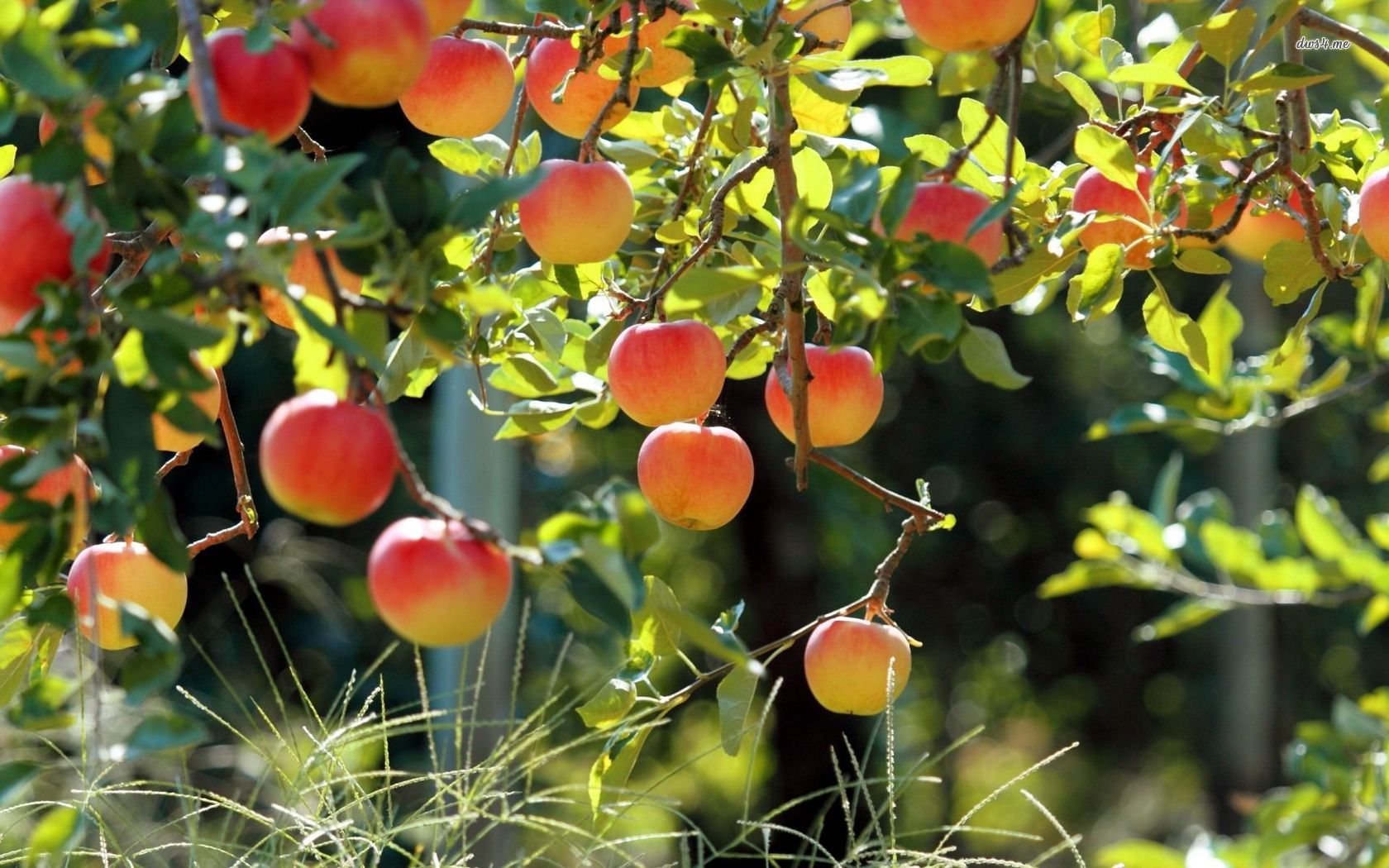
An early spring in Michigan is making fruit growers nervous, as they worry it made lead to a late freeze and subsequently loss of crop, as happened in 2012. In that year, Michigan had temperatures in the high 70s, into the 80s in Mid-March, and then a cold snap in April, ruining most of the states apples. “We’re hopeful that we won’t have to repeat that kind of disaster but its always a concern this time of year,” Phillips Orchard and Cider Farm Co-President Brian Phillips said. After the disaster in 2012 when most growers lost everything, some growers responded by putting in place safe guards against the fluctuating temps. “Once you lose 100 percent of your crop, it forces you to look at what other areas of the world do,” Country Mill Owner Steve Tennes said. Tennes installed a sprinkler system to keep the buds cooler through March and April so they don’t bloom too early, as well as a method to raise heat from the ground if the state sees freezing temperatures through April and May. The Orchard also installed a fan that can raise temperatures near the trees up to five degrees warmer, across an 8 acre wide range. The warmer temperatures are not raising too many concerns as of now as long as they stay mild, and we don’t see any major freezes in late April. Source - freshplaza.com

14.03.2016

Philippines - El Niño causes P5-B losses to agriculture

The prevailing El Niño already incurred losses of more than P5 billion to Philippine agriculture as of this month, leaving the government completely helpless and highly challenged in terms of trying to bring more growth to the sector. A data from the Department of Agriculture (DA) showed that as of this month, the damage caused by El Niño to the agriculture sector have already reached P5.32 billion since February last year. Of the P5.32 billion, around P1.9 billion worth of damage were recorded over the last two months. “A total of 237 thousand hectares of agriculture areas with an estimated production loss of 358.8 thousand metric tons have already been affected,” DA official Christopher Morales said in a memorandum for the secretary. The affected commodities are rice, corn, high value crops, and livestock. Among these, rice was one of the most affected crops with P2.38 billion worth of losses, next to corn, which suffered losses of as much as P2.9 billion. As part of the actions and interventions taken by the DA, the Regional Field Office (RFO) of DA already distributed and provided 3,059 bags of hybrid rice seeds, 24,066 bags of rice certified seeds, 150 bags of soil ameliorants (biozome), 166 units of crop insurance and 196 bags of multi-stress seed variety/ green super rice (GSR) to affected farmers. For corn, the RFOs distributed 1,000 bags of hybrid seeds, 4,164 bags of OPV seeds and 550 bags of yellow corn. As of this month, the other actions taken by the DA already include monitoring; irrigation network services; cloud seeding; construction of Small Water Impounding Project (SWIP); construction of Diversion Dam; Rehabilitation of SWIP; improvement of irrigation canal, shallow tube well, and pump irrigation system open source, among others. As for livestock, the DA reported that 200 doses of vaccines and various vet drugs and biologics were provided thru the local government units to prevent the animals from acquiring diseases that are prevalent and devastating during dry season. To address water scarcity in vulnerable areas due to low water levels in reservoirs particularly those that are at the tail-end of the irrigations systems, the DA had also distributed 284 units of pump irrigation equipment for open source/replacement for damaged/non-functional pumps and 600 units shallow tube wells (STWs) to eligible farmers’ organizations and irrigators’ associations. Likewise, the Bureau of Soils and Water Management (BSWM) has deployed contracted aircrafts to seed clouds for rain in identified vulnerable agricultural areas and watersheds to minimize the impact of El Niño to crop production. “To date, a total of 146 sorties were conducted which has reached 184 flying hours covering the Provinces of Isabela, Bohol, North Cotabato, South Cotabato, Sultan Kudarat, Maguindanao and Sarangani,” the data further specified. Similarly, the RFOs already identified critical areas and intensified its cloud seeding operations in strategic locations nationwide to save crops. It was also undertaken in areas of wide magnitude where the development of crop such as rice and corn becomes critical due to inadequate soil moisture. In a related development, the Department of Trade and Industry on Friday declared a State of Calamity due to  El Niño in Butuan, Zamboanga, General Santos cities  as well  as the provinces of Bukidnon, North Cotabato, Davao del Sur, Davao Occidental, Maguindanao, and Guimaras. The DTI said that prices of basis commodities in areas declared in State of Calamity shall be automatically frozen at their prevailing levels. Source - mb.com.ph

14.03.2016

India - Surprise rain, hail damage wheat crop

Within two weeks of the Centre announcing a pro-farmer budget, an untimely downpour and hail on Saturday night may have caused heavy damage to the rabi (winter) crop in Gautam Budh Nagar farms. Farmers are claiming that almost half of the wheat crop planted in November could be destroyed by the showers. The farmers of Greater Noida apprehend a hard season in the months ahead. While many have complained that they are yet to be compensated for last year's crop damage, the farmers hope that the State government and the Centre will take notice of this crop damage and help them tide over the loss. "The fields are full of water and the wheat is almost down to the ground. Within a few days, we will get to know the exact extent of the damage, but we are once again looking at a season of damaged crops," Mahesh Chaudhary, a farmer in Charauli, Greater Noida said. Chaudhary has 10 acre plot of land and almost all the wheat is presently underwater.  "We had planted grade 343 type of wheat. However, no variety of wheat can withstand the kind of hailstorm and water that we experienced last night. Most of the farmers are still under debt from last year's crop loss. Now, we are again in a similar situation," Arun Singh, from Rustampur in Jewar, said. "This crop was only two weeks short of ripening. Now it is a complete waste of five months of effort for all Western UP farmers. Compensation of last year's crop damage has not fully reached all farmers and now there is a whole new season of crop damage," Karan Singh Talan, a farmer from Gautam Budh Nagar's Gopalgarh village, said. "The farmers have been facing hard luck with crops for the last several seasons. We want to know if they will now be covered by the Fasal Bima Yojna announced by the Prime Minister. Most farmers are already under debt because of previous crop losses. This is another round of damage. We hope the state government and the union government take necessary action," Dushyant Nagar, convenor of Kisan Sangharsh Samiti, said. Source - timesofindia.indiatimes.com

14.03.2016

Ethiopia - Farmers Benefit From Insurance Scheme

In an attempt to rescue its smallholder farmers who have been frequently exposed to crop failures and drought, Ethiopian government launched a national agriculture insurance that by covers 200,000 farmers this year. "This new insurance will make possible sustainable income for smallholder farmers by managing risks related to weather variation," said Sintayehu Weldemichael, head of public financial enterprises agency at the launch in Addis Ababa. Labelled Normalised Difference Vegetation Index (NDVI), the new scheme uses the same index as that used by national and international agencies to monitor the occurrence of drought. "Ethiopian Insurance Corporation plans to venture into rural micro insurance products in order to provide safety nets for low income and sections of the population in Ethiopia," said Yewondwossen Eteffa, chief executive of EIC, the biggest insurance company in Ethiopia. "The new insurance uses technology platforms and works with co-operatives and microfinance institutions near the farmers and serves as agents for the insurance corporation. The product is designed with due consideration of the literacy level of the farmers and made ready to be distributed in the most accessible manner," he added. NDVI's crop insurance is based on the inputs the smallholder farmers spent to produce their crops. The farmers are expected to pay a premium of around 10 per cent of the total cost of the inputs such as fertiliser, basic seeds, herbicides and pesticides they use to producing crops. And if that crop fails due to weather, the farmer will get total investment on inputs from the EIC. Studies show that currently an Ethiopian smallholder farmer spends 2,500 to 3,000 birr on average on inputs to grow crops in one season. That means a farmer who spends 3,000 birr ($141) for inputs is expected to pay 10 per cent of this amount. Source - allafrica.com

14.03.2016

India - Bad weather damages 30 percent of wheat crop in Patiala

Extreme weather conditions since Friday has damaged almost 30 percent of wheat crop in the district. High speed winds and rain showers have left the standing crops flattened and have also led to water-logging in the fields. Vegetable crops like potato, tomato, chilly and others have also been damaged due to the rough weather. Windstorm also broke the branches of trees in the orchids. Hailstorm spoiled crops at some places in Nabha, Samana, Bhunerheri and Patiala blocks. Earlier, hailstorm on March 6 had damaged 33,000 hectares of the standing crops in Patiala. Out of the total cultivation of around 2,70,000 hectares, wheat covers 2,32,000 hectares in the district. Agriculture and other departments are conducting the survey reports for the actual damage to the crops across the district. Meanwhile, farmers could be seen worried while draining out the excess water from their fields to reduce the effect of the rain on their crops. Davinder Singh, a farmer from Simbro village, said they were hoping for a bumper crop this year, but the inclement weather wiped out all their hopes. “Windstorms flattened the wheat crop and I was left helpless in front of the nature’s fury,” Davinder said. Another farmer Lakhwinder Singh said after the tragedy, the government would further aggravate our pain by sending them compensation cheques of nominal amounts, which would not be of much use to them. He urged the government to conduct fair survey of the damage and demanded a reasonable amount of compensation to save agriculture from the crisis. Avtar Singh of Kulburchhan village said farmers were already suffering from the agrarian crisis and now the nature added to their problems. He added that the damage would decrease the yield of the crops and farmers would not be able to repay the agricultural costs. “The government’s crop insurance schemes are meant only for politics of votes. Not even a single lawmaker thinks about the ground realities while framing the policies for agriculture,” Avtar said. Chief agricultural officer Parminder Singh confirmed that there has been around 30 % damage according to the preliminary reports. He added that the actual figure could be confirmed only after the proper survey, which would be completed within a day or two. “No doubt, the yield of the wheat will decrease, but as of now it is too early to predict about the actual figure of the loss,” he said. He said the loss had increased because the wheat crop was on flowering to milking stage and as the standing crops were flattened, water had also damaged the pollination of the crop. Meanwhile, Patiala deputy commissioner (DC) Rambir Singh, along with other administration officials, also toured some villages for the overview of the damage due to rain and strong winds. The DC said the formal orders of the girdawari of the affected areas would be ordered on Monday. Source - hindustantimes.com

881
of 1225